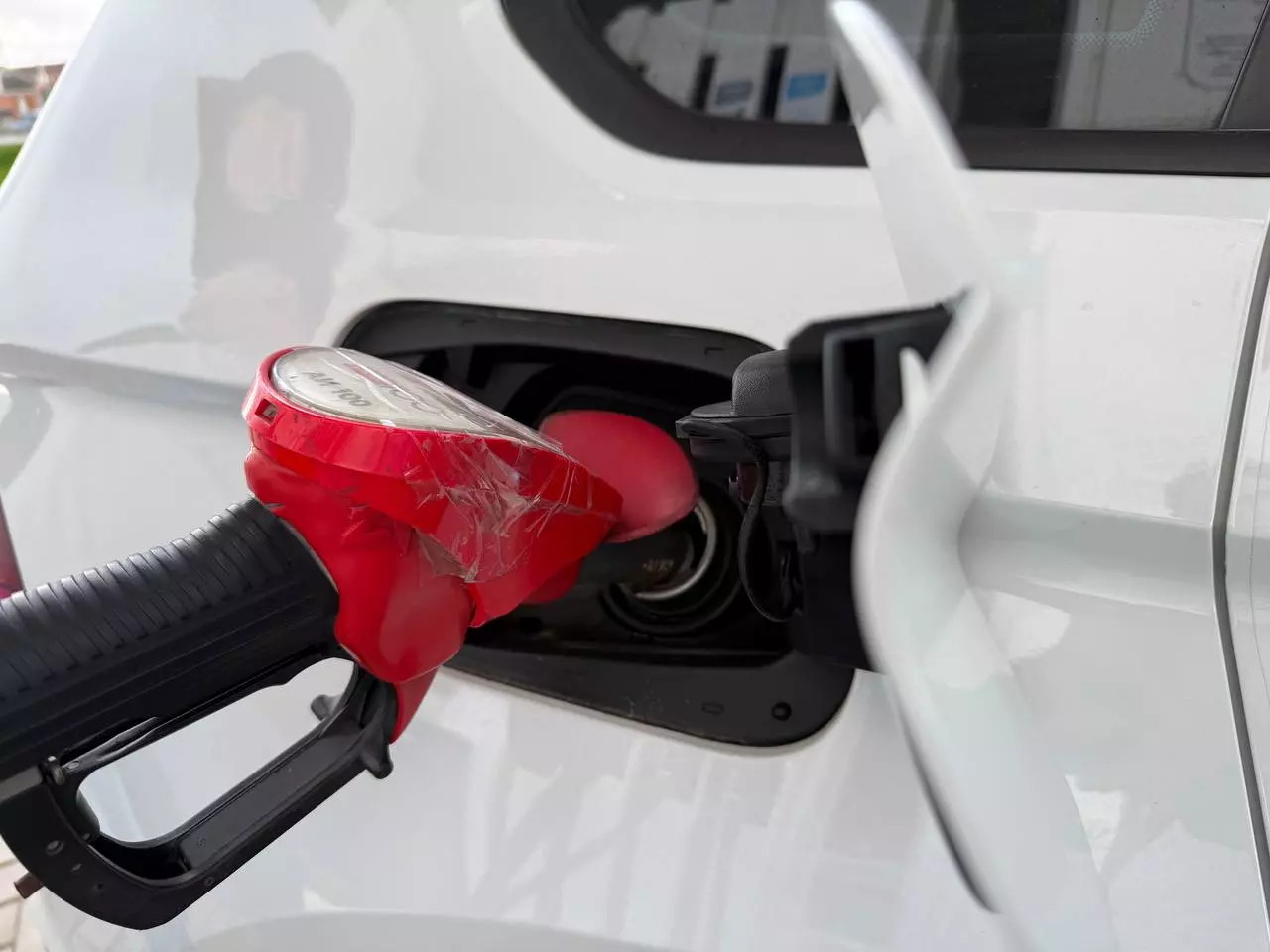
Last week, fuel prices at capital gas stations sharply increased. The price of AI-95 gasoline rose by 0.3% over the course of seven days, while diesel prices increased by 0.6%. According to the Moscow Fuel Association (MTA), the average price of AI-95 at Moscow's gas stations reached 71.17 rubles per liter, while the average price for diesel fuel (DT) was 77.93 rubles per liter.
Data from Rosstat for the entire country will only be available on the evening of May 27, but historically, these figures closely align with the MTA statistics. Additionally, there are over 2,400 gas stations operating in Moscow and the surrounding region, accounting for 8.4% of all gas stations in Russia. Prices vary across regions; however, their overall dynamics tend to be similar nationwide, except in cases of local shortages. Since the end of April, the weekly increase in gasoline prices in Russia has not exceeded 0.1% on average.
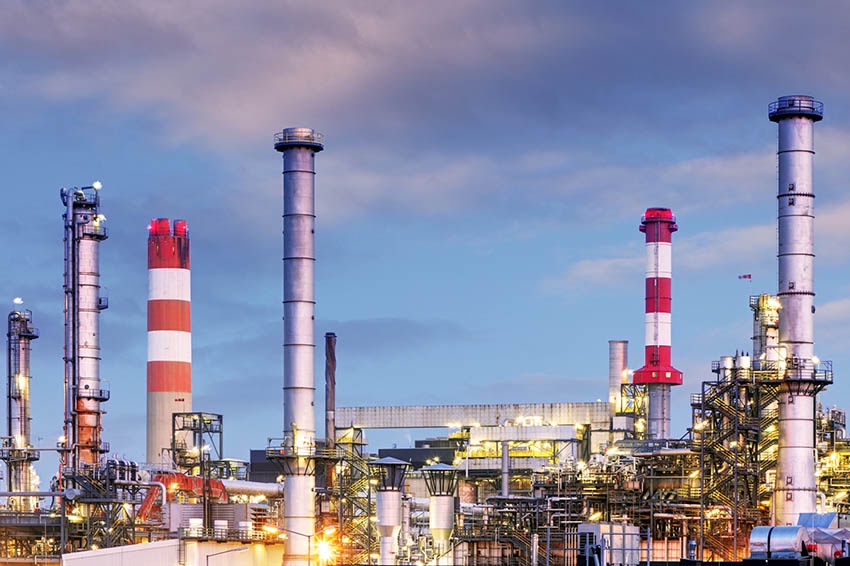
The acceleration in price hikes has occurred against reports of mass drone attacks on oil refining plants (NPPs) in the European part of Russia. In April, the attacks primarily targeted facilities mainly engaged in exports, while starting in May, the affected plants supplied fuel to the domestic market (Moscow and the surrounding area, Central Russia, the Northwest, Southern Russia, the Volga region, and the Urals). According to Reuters, production was halted or reduced at five major NPPs, which are among the largest fuel suppliers in Russia. However, it is unlikely that this is the main reason for the price increase. Instead, unplanned repairs at NPPs became an informational trigger for price hikes, exacerbating existing issues within domestic oil refining.
This is evidenced by the unexpected rise in diesel prices. There is no talk of a diesel deficit in the country, as production is nearly twice the domestic demand. Nevertheless, diesel led the price increase last week. If Rosstat releases statistics similar to those of the MTA for the entire country, the rate of diesel price increases, following gasoline, will surpass the average inflation rate in the country.
Moreover, the Ministry of Energy constantly reminds stakeholders that the domestic market is supplied with sufficient reserves of gasoline, diesel, and jet fuel, and that the logistics infrastructure is functioning reliably with fuel supplies at adequate levels.
As noted by Dmitry Gusev, Deputy Chair of the Supervisory Board of the "Reliable Partner" Association and a member of the Expert Council for the "Gas Stations of Russia" competition, the increase in prices is not directly related to the attacks on NPPs. Rather, it is a reaction to the suppression of fuel exchange quotations and prices at gas stations. However, administrative measures alone are insufficient to prevent price increases; there needs to be an excess supply. Currently, we lack the economic incentives to enhance oil refining volumes.
The situation is particularly concerning for gasoline, whose production capacity only exceeds domestic market needs by 10-15%. The volumes of exchange sales of AI-95 gasoline have decreased by 27.5% from early April to May 26, compared to the same period last year. The exchange is one of the main sources of fuel acquisition for gas stations. A dwindling supply translates into rising prices.
Both gasoline and diesel are produced in Russia at levels exceeding domestic consumption. According to Dmitry Prokofyev, Director for External Communications at NEFT Research, the price increase for premium gasoline and diesel stems from a combination of three overlapping factors. NPPs have faced unexpected maintenance waves, resulting in primary oil processing in May falling short of plans. Consequently, physical fuel production has decreased.
Prokofyev also points to conflicting regulations for gasoline and diesel. As of April 2026, the government has imposed a complete ban on gasoline exports. Simultaneously, oil companies are mandated to restrain retail price increases at gas stations in 2026 to levels in line with inflation, thereby closing off a primary channel for compensating rising costs. Diesel exports, however, remain unrestricted. This created fundamentally different incentives: gasoline producers now find themselves locked in the domestic market with limited profitability, while diesel retains access to export opportunities. As global prices began rising (due to the crisis in the Strait of Hormuz), producers found incentives to redirect diesel flows for export, thus exerting additional pressure on domestic prices. A seasonal factor also plays a role, as May marks the peak of the planting season when demand for diesel from agricultural producers traditionally surges.
The increase in diesel prices is a logical consequence of a market configuration where reduced domestic supply coincides with resilient seasonal demand amid preserved export alternatives, the expert contends.
Additionally, the informational backdrop impacts the market, says Sergey Tereshkin, General Director of Open Oil Market. The market reacts not so much to the factual balance of supply and demand but to expectations that fuel availability may diminish. The real picture is likely to become clear only in June when the situation regarding fuel shipments from the largest NPPs clarifies. Moreover, the specifics of regulation also play a traditional role: exchange quotations for AI-95 are not included when subsidies to oil producers are calculated, meaning that the risks of accelerated price increases manifest specifically in this market segment—even amidst stable fuel production levels.
Furthermore, according to Prokofyev, oil companies, faced with limited supplies of AI-95, may prioritize deliveries to their own distribution networks. This directly elevates the vulnerability of independent gas stations operating on a "just-in-time" basis.
The risk of shortages for certain fuel types in Central Russia and Moscow currently has a structural rather than systemic nature, concentrating around specific fuel types and certain sales channels. This risk is primarily associated with logistical disruptions and the market vulnerability of independent gas stations, rather than a lack of fuel availability in general, the expert concludes.
Source: RG.RU