Despite the relatively brief time since the US operation against Iran commenced, it has been sufficient for diesel prices in the EU to increase by 23%, and gasoline prices to rise by 3.8%. These are average figures. In Britain (which is not part of the EU), gasoline prices have nearly doubled, increasing by 93%.
We traditionally focus on the European market, although we have not supplied fuel there for the past three years. This is due to the fact that all sector-specific tax calculations related to oil extraction and refining are still tied to the dollar value of our oil and the fuel prices on the European market. It is not surprising that prices on the St. Petersburg exchange have been rising since early March.
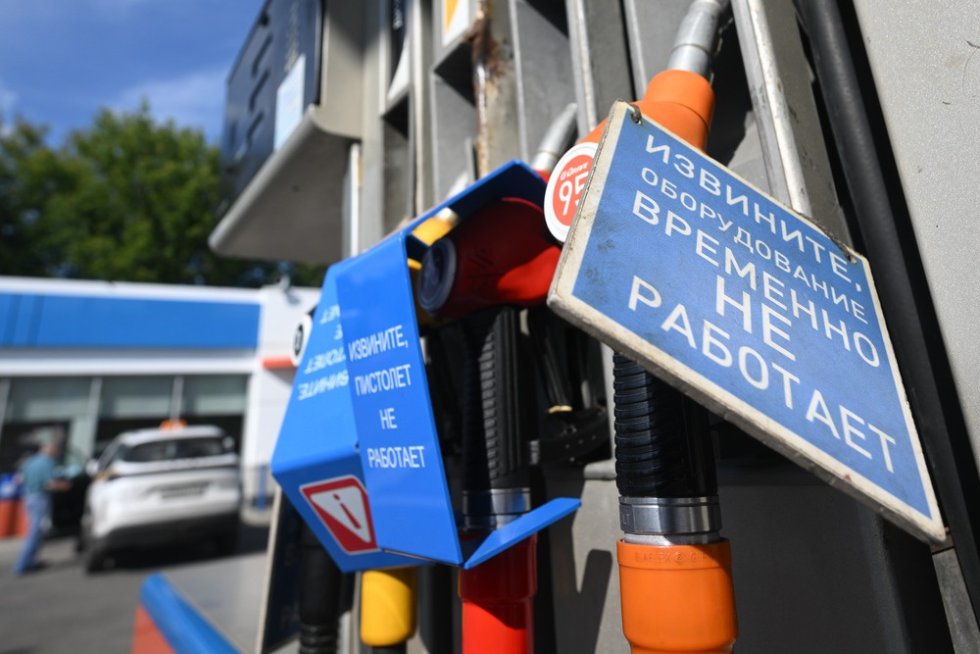
Domestically, the Russian fuel market is under strict regulatory oversight, which aims to prevent retail prices at gas stations from rising above the inflation rate. However, regardless of how stringent this control may be, gas stations primarily purchase fuel either through exchange trading or from oil depots, which are influenced by exchange rates, and those, in turn, are affected by export alternatives (fuel prices for overseas shipments). For this reason, the government occasionally imposes partial or complete export bans on certain fuel types, making internal market supplies non-competitive. However, such bans reduce the profitability of oil refining and may lead in the medium term to decreased volumes of gasoline and diesel production. Currently, a partial export ban on gasoline and diesel remains in effect until July 31 of this year. This ban affects traders and does not apply to fuel producers, i.e., oil refineries.
As noted in an interview with "RG" by Yuri Stankevich, Deputy Chair of the State Duma Energy Committee, our direct connection to the European market is now less than it was before 2022, but indirect ties persist. The Russian market remains integrated into the global system through oil and export channels. Increasing global prices for oil and petroleum products enhance the attractiveness of exports while reducing domestic supply, thereby creating upward pressure on internal stock market quotations. Significant factors also include refining volumes, seasonal demand, refinery maintenance schedules, and regulatory policies.
Fuel prices in Europe began to rise immediately after the start of the US-Iran conflict.According to Sergey Tereshkin, CEO of Open Oil Market, fuel prices in the EU could reach their highest level since the beginning of the year in March. Among other effects, this may lead to increased subsidies for our oil producers through a damping mechanism (government compensation paid to oil companies for supplying fuel to the domestic market at prices below export levels). The amount of these payments is directly proportional to the difference between the export alternative (in Europe) and the conditional internal (indicative) price.
For oil producers, this is advantageous. They will receive additional payments and have the opportunity to control the rise in domestic fuel prices. Conversely, the damping mechanism can also have negative implications. When the export value of fuel falls below indicative prices, oil producers may be required to pay the resultant difference back to the budget. This situation occurred in January. Furthermore, in February of this year, Deputy Prime Minister Alexander Novak instructed the Ministry of Finance and the Ministry of Energy to analyze the proposals from oil companies on adjusting the fuel damping mechanism. The aim of this revision is to adapt the mechanism to new market conditions and ensure refining profitability. Amid this ongoing military conflict, global oil and petroleum product prices have started to rise. On one hand, this could affect the timing and parameters of the damping adjustment; on the other, it may push stock market prices for fuel higher.
Nevertheless, Sergey Frolov, managing partner at NEFT Research, believes that much will depend on how long the Iranian conflict actually lasts. It is most likely that Brent crude oil prices will climb to a range of 90-100 dollars per barrel or even higher within the next 3-4 weeks. The situation may worsen if the escalation continues.
Stankevich does not rule out that rising global prices may lead to a "delay" in adjusting the damping mechanism. This is more a matter of budgetary priorities and the speed of the legislative process rather than a direct market response. Typically, decisions are made when price increases are sustained and significantly impact budgetary indicators. Currently, there are no signs of such developments.
Tereshkin offers a contrasting view. He believes that an increase in the damping mechanism may slow (or postpone) its adjustment, especially given that oil and gas revenues are already near a multi-year low.
Frolov adds that factors such as increased taxes and excise duties currently play a significant role in the domestic fuel market in Russia. Prices will continue to rise, especially as he does not foresee any declines given the current levels of inflation and the key interest rate.
According to Dmitry Gusev, Deputy Chairman of the Advisory Board of the "Reliable Partner" Association and a member of the expert council for the "Gas Stations of Russia" competition, the rising prices in Europe will indeed impact stock market prices in Russia. The attractiveness of fuel exports will grow, but it is unlikely that the conflict in the Middle East will last long.
Moreover, Gusev clarifies that the pricing agency Argus Media has officially announced that it will cease publishing quotes for Russian petroleum products supplied for export starting March 2026. Thus, it remains unclear how we will continue to align with petroleum product prices in Europe. Currently, the matter remains open. We lack Russian data and legislative changes, but it is likely that something will appear in the near future.
Source: RG.RU