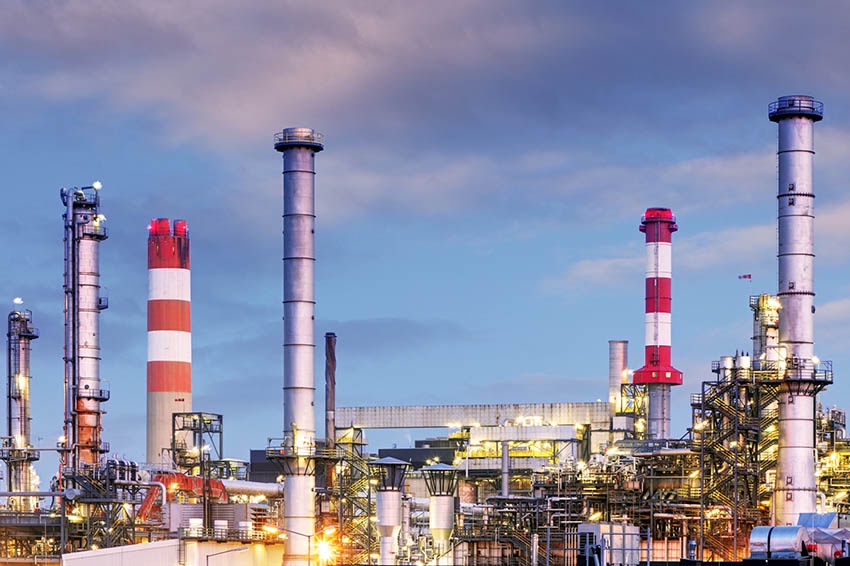
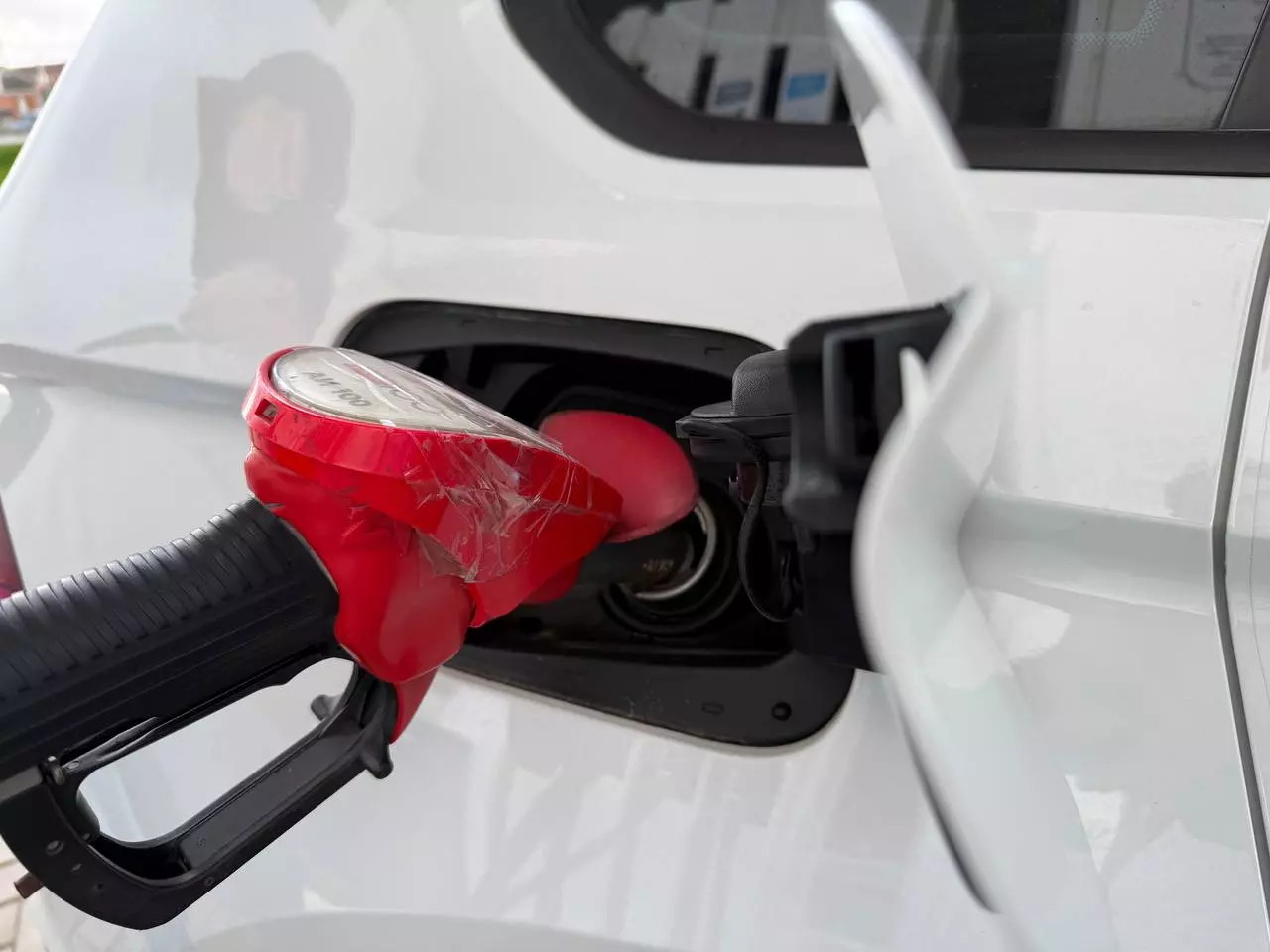
The ban applies to fuel, including that purchased at exchange trading. Exceptions include batches placed under customs procedure before the temporary restriction came into force, deliveries under intergovernmental agreements, as well as fuel in technical tanks used by aircraft in transit.
The decision came amid a sharp rise in aviation fuel prices. At their peak on 25 May, prices on the St. Petersburg Exchange reached a record high of 96,960 roubles per tonne. Since the beginning of April, they have risen by almost 25%. At the same time, there were no reports of a jet fuel shortage.
As Sergei Tereshkin, General Director of Open Oil Market, noted in an interview with RG, jet fuel prices on the Russian market are not heavily dependent on oil prices. As with petrol and diesel, the final price for consumers consists of oil extraction and refining costs, transportation costs for petroleum products, and the margin of the sales segment, including the profit of companies selling jet fuel to air carriers.
At the same time, the sharp rise in global barrel prices due to the conflict in the Middle East undoubtedly pushed up prices on the Russian market. Another trigger could have been reports of unscheduled shutdowns at some domestic oil refineries.
Aviation fuel in Russia is produced in sufficient quantities to supply both the domestic market and exports. The country produces approximately 11 million tonnes of aviation kerosene per year, of which 15-20% was sent abroad, mainly to Central Asian countries.
Tereshkin believes that the ban on jet fuel exports is intended to warn oil companies against further price increases. Some stabilisation may occur now, but a return to normal will only happen after transit through the Strait of Hormuz resumes. The current information environment gives oil companies the opportunity to keep jet fuel prices high.
Separately, it is worth noting that a damping mechanism is in place for jet fuel in Russia. This is similar to the damping mechanism for motor fuel, but with one key difference. It is paid not to fuel producers, but to carriers – airlines. The government reimburses 65% of the difference between the export price of jet fuel and a fixed (government-set) domestic market price.
There are no instructions in the government resolution regarding damping payments. That is, airlines will continue to receive them, and this should help curb the rise in airfare prices, in which fuel costs account for 25-35%.
Source: RG.RU