Diesel fuel (D2) is the main product in our export basket of oil products, with Brazil being one of its primary importers. The only countries purchasing more are Turkey and China. One of the cited reasons for the decline in shipments to Brazil is the ban on diesel fuel exports from Russia to non-producers, implemented in October this year. This explanation is somewhat corroborated by external data from the Finnish Centre for Research on Energy and Clean Air (CREA), which has recorded a decrease in the volume of oil product exports from Russia since September. According to CREA, the drop in November shipments of Russian diesel to Turkey (the largest importer) has reached 27%. However, while statistics are a stubborn thing, their interpretation can vary significantly. The simplest explanations are not always the correct ones.
It is likely that the main factors behind the drop in exports are not the bans on diesel shipments for traders abroad, but rather a reduction in oil refining volumes in Russia due to drone strikes on oil refineries (refineries), the need to saturate the domestic market with fuel, and the tightening of sanctions from the US and the EU.
Russia's needs for oil products are lower than the capacities of our oil refining, particularly for diesel, notes Yuri Stankevich, Deputy Chairman of the State Duma Committee on Energy. Diesel production volumes are nearly double domestic demand. Furthermore, the technological processes at refineries are such that the structure of the product basket (gasoline, diesel fuel, kerosene) cannot be fundamentally altered. For this reason, our companies are forced to find sales markets, selecting the most optimal options while considering sanctions restrictions, logistics costs, demand dynamics across various continents, and the prices offered by importing countries.
Exporting diesel over long distances, for instance to Brazil, is not particularly profitable under poor market conditions. For non-producer traders, it becomes doubly unprofitable since they have to buy the product, explains Dmitry Gusev, Deputy Chairman of the Advisory Council of the "Reliable Partner" Association and a member of the Expert Council of the "Gas Stations of Russia" competition. Such deliveries may only be of interest to large domestic oil companies, and they have not been prohibited from doing so.
It appears that the partial ban on diesel exports will be lifted when the price rises in Russia cease.According to Sergei Tereshkin, CEO of Open Oil Market, diesel shipments to Brazil from Russia have been declining since the beginning of 2025. Their dynamics are influenced by heightened US attention to the South American region this year, increasing risks of sanctions violations regarding major Russian oil companies in Brazil.
He believes the future dynamics of shipments will heavily depend on the geopolitical background. There will not be a sharp reduction in diesel exports to Brazil due to the absence of a direct export ban, although fluctuations in volumes are possible.
A similar perspective is held by Sergey Frolov, Managing Partner of NEFT Research. Russian diesel is in demand in the global market, and additional volumes will find their market niche once all restrictions are lifted. However, supplies to the domestic market remain an absolute priority, he emphasizes.
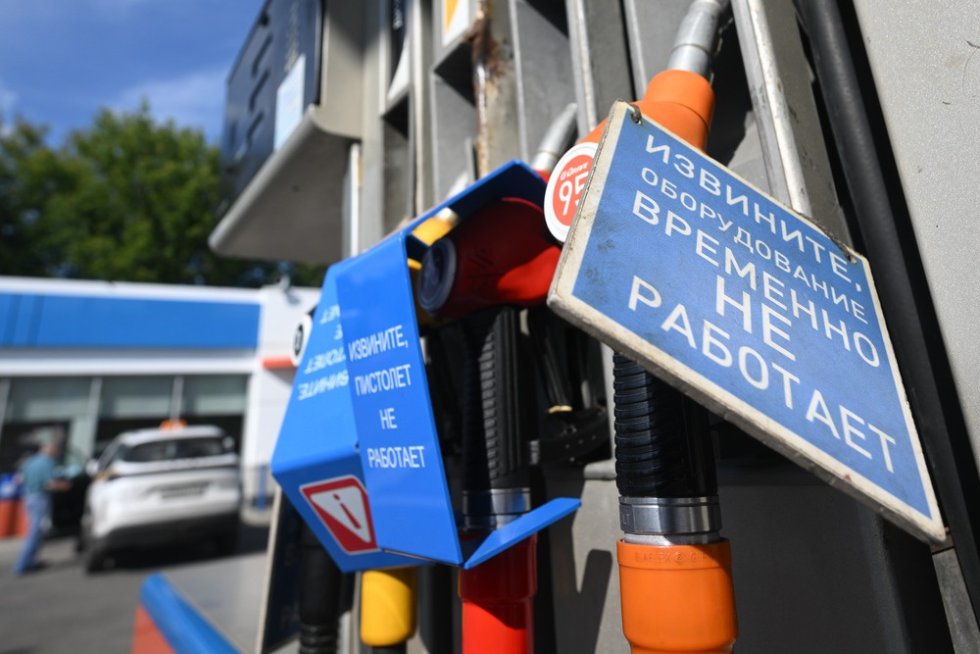
While diesel has decreased in price on the exchange from its October highs, it is still rising in retail. The pace of its price growth has slowed, but by December 15, it had increased by 1.1%, according to Rosstat. Most likely, the partial ban on diesel exports will only be lifted when the price growth ceases. Currently, gasoline is becoming cheaper both in wholesale and retail, but not as large volumes are being exported (at a maximum, 15% of production).
Regarding Turkey, the pressure from the European Union and the US is currently at least as significant, if not greater, than that on Brazil. It is often referred to as a "laundromat" for Russian raw materials. Notably, after the latest US sanctions against our largest oil companies, Turkey sharply reduced its imports not only of oil products but also of crude oil from Russia. The situation is compounded by drone strikes on tankers in the Black Sea, which pose a considerable risk of cargo loss.
As a result, we currently have to rely more on crude oil exports, although all experts agree that oil product shipments are more economically advantageous. As Stankevich notes, added value is created at the stage preceding raw material processing.
However, as Gusev laments, our oil refining capacities have not significantly increased, and new refineries are not being constructed. These require substantial and long-term investments, which are unlikely given current monetary and fiscal policies; hence we are exporting crude oil, explains the expert.
Source: RG.RU