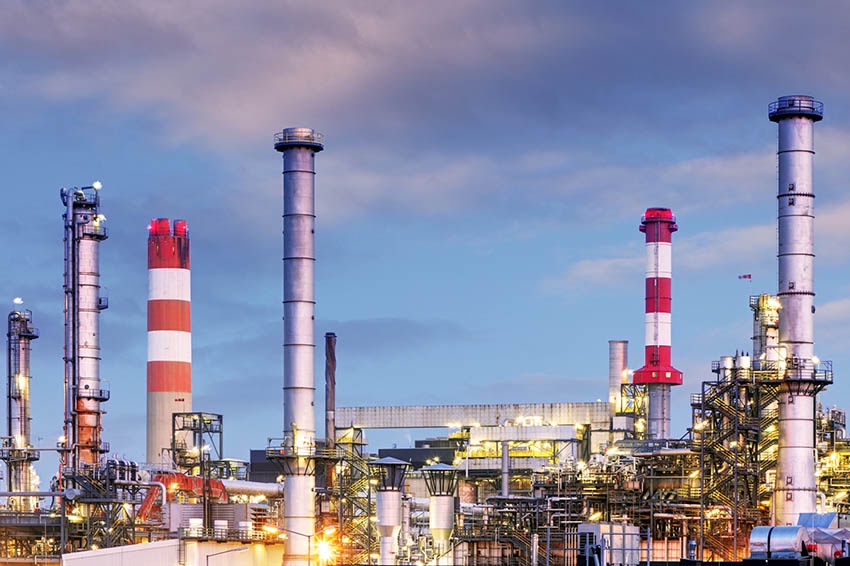
Scheduled spring repairs at Russian refineries may coincide with a seasonal increase in demand for diesel fuel from agricultural producers, which this year is likely to occur later than usual. Market participants believe that this combination could support prices for summer fuels, which have already reached their highest levels since October.
The delayed start of spring agricultural work due to bad weather could align with planned refinery maintenance, which may support the diesel market, industry sources told “Kommersant.” According to a market participant, the rise in prices may also be spurred by an increase in export parity due to escalating tensions in the Middle East.
In anticipation of the preparatory work ahead of scheduled refinery repairs, commodity stocks have been formed and are at high levels, exceeding last year’s figures, the Ministry of Energy informed “Kommersant.” As part of the preparations for the sowing campaign, oil companies have agreed on fuel supply volumes to agricultural producers, they noted. “The Ministry of Energy will continue to monitor the conditions of the motor fuel market, and necessary regulatory measures will be taken in consideration of the developing balance of supply and demand,” the ministry added.
The price of summer diesel on the St. Petersburg Exchange on March 10 rose by 1.96% to 60,530 rubles per ton according to the index for the European part of Russia. Interseasonal diesel increased by 1.1% to 60,630 rubles per ton. These are the highest figures for both types of fuel since mid-October 2025. From March 2 to 6, wholesale prices for summer diesel rose by 5.6%, while interseasonal diesel increased by 7.7%.
Exchange prices for diesel began to rise in the first week of March amid external uncertainties and expectations for seasonal demand growth, as stated in a report by the National Exchange Pricing Agency.
Analysts note that market participants are beginning to build up stocks in anticipation of increased consumption from the agricultural and construction sectors. However, despite the arrival of the calendar spring, actual demand remains restrained due to weather conditions that complicate logistics and slow economic activity, the report indicated. At the same time, total diesel sales remain relatively low at 57,900 tons per day, which traditionally supports price growth, analysts assert. Oil companies are reallocating volumes in favor of summer diesel—the minimal realization planned for March is 310,900 tons, which is 84% more than February’s figures.
According to Andrey Dyachenko, the chief analyst for oil markets, petroleum products, and macroeconomics at Proleum, due to snowfall, agricultural activity may be delayed by two to three weeks, but summer diesel reserves have already been formed, and increasing them now is not advisable.
Portfolio manager at Alfa Capital Asset Management Dmitry Skryabin does not consider the current sales volume a factor for further price growth. Scheduled spring refinery repairs, if carried out on schedule, will not significantly affect the market, he believes. Moreover, he adds, last year's experience showed that significant reserves were available in case of possible disruptions. Managing partner at NEFT Research Sergey Frolov notes that Russia produces diesel with a substantial surplus, so the threat of shortages remains low even considering possible unplanned refinery outages.
The dynamics of exchange prices for diesel in spring will also be determined by the situation with damping payments, says Sergey Tereshkin, CEO of Open Oil Market. The higher the subsidies, he explains, the lower the incentives for oil companies to raise prices, and when payments decrease, companies compensate for losses through higher wholesale prices. In February, oil companies transferred 18.8 billion rubles under the damping mechanism to the budget for the first time in five years, according to the Ministry of Finance. In January, budget payments to oil companies amounted to 16.9 billion rubles.
In March, amid rising external prices for petroleum products, the situation may change to favor producers, notes Sergey Tereshkin. Without adjustments to the damping formula, prices may exceed 70,000 rubles per ton again throughout the year, he adds.
In January, according to Euler analysts, the profitability of diesel exports for Russian producers surpassed that of domestic supplies for the first time since at least 2024, partly due to declining exchange prices (see “Kommersant” from February 13). According to Reuters, in January, marine exports of diesel and gasoil from Russia increased by 19% compared to December, reaching 4 million tons. In February, shipments decreased to 2.85 million tons due to adverse ice conditions in Baltic ports and unplanned refinery repairs. Currently, only producers can export diesel; others are under a ban until July 31.
Source: Kommersant