Due to the physical shortage of gas, Asian countries have become more active in utilizing coal-fired power plants. Europe is also transitioning to dirty coal, but for a different reason – to save costs. However, this results in problems since the EU has shut down too many coal plants. In contrast, nations in Asia that did not succumb to the European environmental agenda and maintained their coal capacities are reaping the benefits.
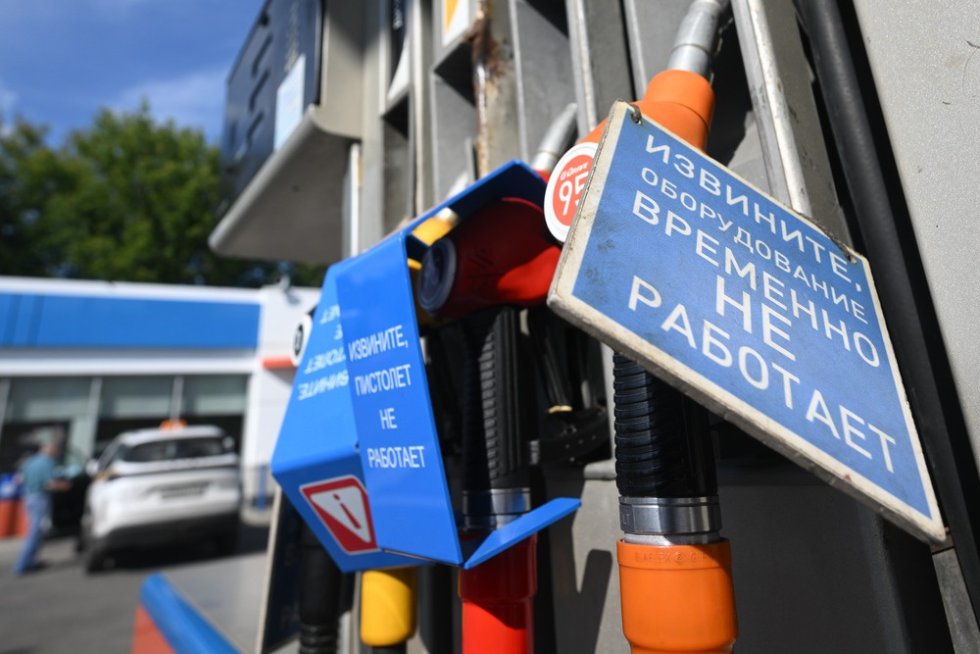
Amidst the severe shortage and rising gas prices due to the Middle Eastern conflict, Asian countries are hastily transitioning to coal-fired power plants. The blockade of the Strait of Hormuz and the halt of LNG production in Qatar have removed a fifth of the global LNG supply from the market.
Economies that have a high share of gas coupled with import dependency and weak reserves in coal, nuclear or hydro generation are suffering the most, says Vladimir Chernov, analyst at Freedom Finance Global. This primarily concerns Singapore, where gas accounts for about 94% of electricity, Thailand with a share of 64%, Bangladesh – 66%, and significantly Taiwan with a gas share of around 40%.
“Bangladesh is experiencing a particularly harsh situation. The country has been forced to purchase spot LNG cargoes at prices ranging from $20.76 to $28.28 per million BTU compared to approximately $10 in January, limiting diesel sales, rationing gas, and shutting down some fertilizer plants to conserve electricity. In Thailand and the Philippines, authorities have already postponed the retirement of old coal units and are seeking additional coal supplies, as failing to do so would result in even higher tariff increases and risks of shortages,” notes Chernov.
Japan and South Korea have also felt pressure on prices, but are better positioned than South Asian countries, as they have retained both coal capacity and more options for fuel flexibility. “Japan and South Korea have the greatest ability to transition from gas to coal amid price shocks. However, countries that relied on imported LNG as a 'clean and reliable' transitional resource are now learning a vital lesson from this crisis. While LNG is cleaner than coal in terms of emissions, it is not always more reliable in terms of pricing and physical availability,” Chernov observes.
The supply crisis is undermining trust in LNG as a reliable fuel source. It indicates that for Asian countries, abandoning coal is a dangerous move, especially as the EU seeks to impose its environmental agenda upon them, including taxes for coal usage.
Interestingly, the EU is also increasing its coal usage, not because there is a gas shortage in the Eurozone, but because prices have skyrocketed. “The EU is currently grappling with high gas prices and the social costs of climate policy. In the first two weeks of the Middle Eastern war, gas prices in Europe increased by approximately 50%, prompting the European Commission to discuss emergency measures to curb prices. The economics of transitioning from gas to coal in Europe has become attractive again, but the effect is limited since a significant portion of coal capacities has already been shut down. Europe has far less room than Asia for a broad return to coal,” says Chernov.
Countries that have not followed the European lead in abandoning coal are now celebrating.
“China and India are less affected by the gas shock precisely because their energy systems predominantly rely on coal. In this context, China may not be the most environmentally friendly player, but it is certainly one of the most rational players concerning energy system reliability,”
– says Chernov. In 2025, Chinese authorities officially committed to building coal-fired power plants as a backup for peak demand and unstable wind and solar energy production. China invested over $54 billion in coal generation in 2025 (IEA data).
“The current crisis does not make coal the 'fuel of the future,' but it demonstrates that for large systems without storage or flexible capacities, abandoning backup thermal generation would be too risky,” Chernov believes.
“In China, the share of coal generation is almost 60%, in India over 70%, and the supply of energy coal to these countries does not depend on transit through the Strait of Hormuz, since both rely on Indonesia and Russia for their imports. As for coking coal, Mongolia is China’s main supplier, while Australia, the USA, and Russia supply India,” says Sergey Tereshkin, CEO of Open Oil Market.
Amid rising coal demand, prices have also increased. However, compared to the gas shortage, the situation is not yet critical. The price of energy coal in Newcastle, Australia, reached $135 per ton on March 18, up a third from February's average of around $100 per ton. However, in 2022, even average monthly prices for energy coal were above $350 per ton, Tereshkin notes.
Nevertheless, even this price rise offers financial support for Russian coal producers.
“The rise in Asian and European prices enhances the export economy and may temporarily support the cash flow of Russian companies. However, the industry remains in very difficult condition.
Russian coal exports fell by 8% to 213 million tons in 2025, prompting the government to launch support measures due to high transportation costs, sanctions, and low profitability.
“Even now, the primary limitation for Russia is not demand, but export capacity. Eastern logistics and the carrying capacity of the network remain the main bottleneck for coal exports. Thus, Russia can profit, but primarily through price increases rather than a sharp growth in physical exports,” Chernov says. The budget will also receive more tax revenues, but the effect will be weaker than in oil and gas. The coal sector is currently not in a position to quickly monetize global price surges to their full extent, the expert adds.
Once the Middle Eastern crisis ends, countries will return to debates about transitioning to renewable energy sources. This crisis may serve as an argument for Asian countries to resist the European environmental taxes.
“The political argument for Asia will become notably stronger. When the EU speaks about climate goals and carbon costs, Asia can now counter that it was the dependency on 'transitional' gas that created systemic risk, while coal capacities saved the grid during critical moments. Additionally, within Europe itself, voices are already calling for reducing carbon burdens and extending free quotas for industry against the shock,” Chernov says. However, this does not legally mean the cancellation of European climate mechanisms; the EU is unlikely to abandon its stance, he believes. But Asia will gain a compelling argument that too rapid a retreat from coal generation without affordable alternatives and sufficient backup capacity could result not in an environmental victory, but in an energy collapse.
Source: Vedomosti