Current News on Startups and Venture Investments as of February 3, 2026: Major Funding Rounds, Investments in AI and Tech Startups, Venture Capital Activity, and Key Global Market Trends.
As we enter 2026, the global venture capital market is demonstrating a robust recovery following the downturn of previous years. In 2025, venture investment volumes sharply increased, marking a significant return of private capital to the startup ecosystem. Major venture funds and corporations have resumed substantial investments, launched new funding programs, and governments across various countries have ramped up support for innovative businesses. Last year marked the most successful period since 2021 in terms of aggregate venture investments, driven primarily by a series of mega funding rounds in the artificial intelligence sector.
Venture activity is now global in scope. The United States maintains its leadership, particularly in the AI segment, while the Middle East has significantly increased investments in tech startups. In Asia, the drop in investments in China is compensated by rapid growth in India and Southeast Asia. Overall, a new global venture boom is evident, although investors remain selective and cautious in their approach to deals.
Below are key events and trends shaping the venture market agenda as of February 3, 2026:
- The return of mega funds and large investors. Leading players are attracting record venture funds and ramping up investments, reinvigorating the market with capital.
- Record AI mega rounds and new unicorns. Unprecedented investment levels are elevating startup valuations to unprecedented heights, particularly in the field of artificial intelligence.
- Revival of the IPO market. Successful public exits of tech companies and new filings confirm that the long-awaited "window" for exits remains open.
- Diversification of sector focus. Venture capital is being directed not only toward AI but also into fintech, climate projects, biotechnology, defense technologies, and other promising sectors.
- A wave of consolidation and M&A deals. Major mergers, acquisitions, and strategic investments are reshaping the industry landscape.
- Local focus: Russia and the CIS. Despite constraints, new funds and initiatives are emerging in the region to develop local startup ecosystems, increasing investor interest in local projects.
The Return of Mega Funds: Big Money Back in the Market
For instance, SoftBank has formed a new Vision Fund worth approximately $40 billion to invest in cutting-edge technologies, while American Andreessen Horowitz has raised a record $15 billion across several new funds focused on key technological directions. Sovereign funds from Middle Eastern countries have also become more active, pouring billions into tech projects and launching state-backed mega-projects to develop the startup sector, creating tech hubs in the region.
The influx of this "big money" intensifies competition for the best deals while instilling market confidence regarding continued capital flow.
Record Rounds and New Unicorns: A Boom in AI Investments
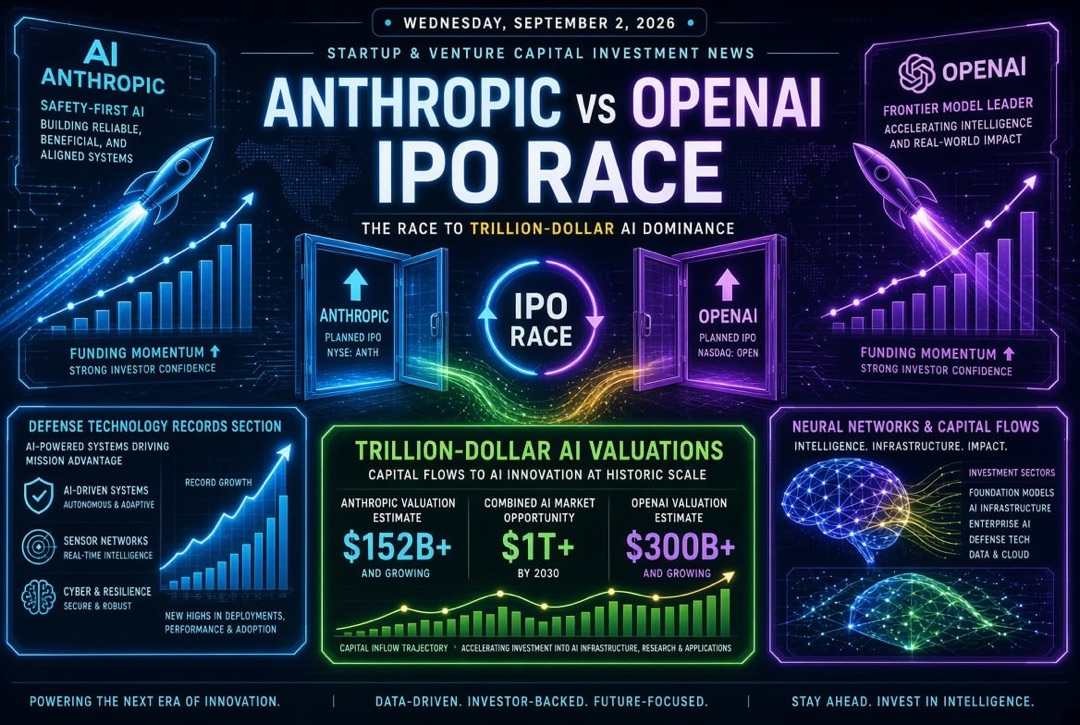
The artificial intelligence sector continues to be the main driver of the venture upsurge at the end of 2025 and into 2026, setting new records for startup funding volumes. Investors are racing to invest in AI leaders, channeling colossal amounts into the most promising projects. For example, Elon Musk's startup xAI attracted around $30 billion in private investments, including a mega round of nearly $20 billion at the very beginning of 2026, while OpenAI secured about $40 billion at a valuation of approximately $300 billion. These rounds have seen multiple subscriptions, highlighting the fervor surrounding leading AI companies.
Moreover, venture capital is being directed not only toward applied AI products but also toward the necessary infrastructure: models, data, computing power, security tools, and regulatory compliance mechanisms. This investment boom is giving rise to a wave of new unicorns, although experts caution about the overheating potential of this segment.
The IPO Market Revives: An "Opportunity Window" for Listings is Open
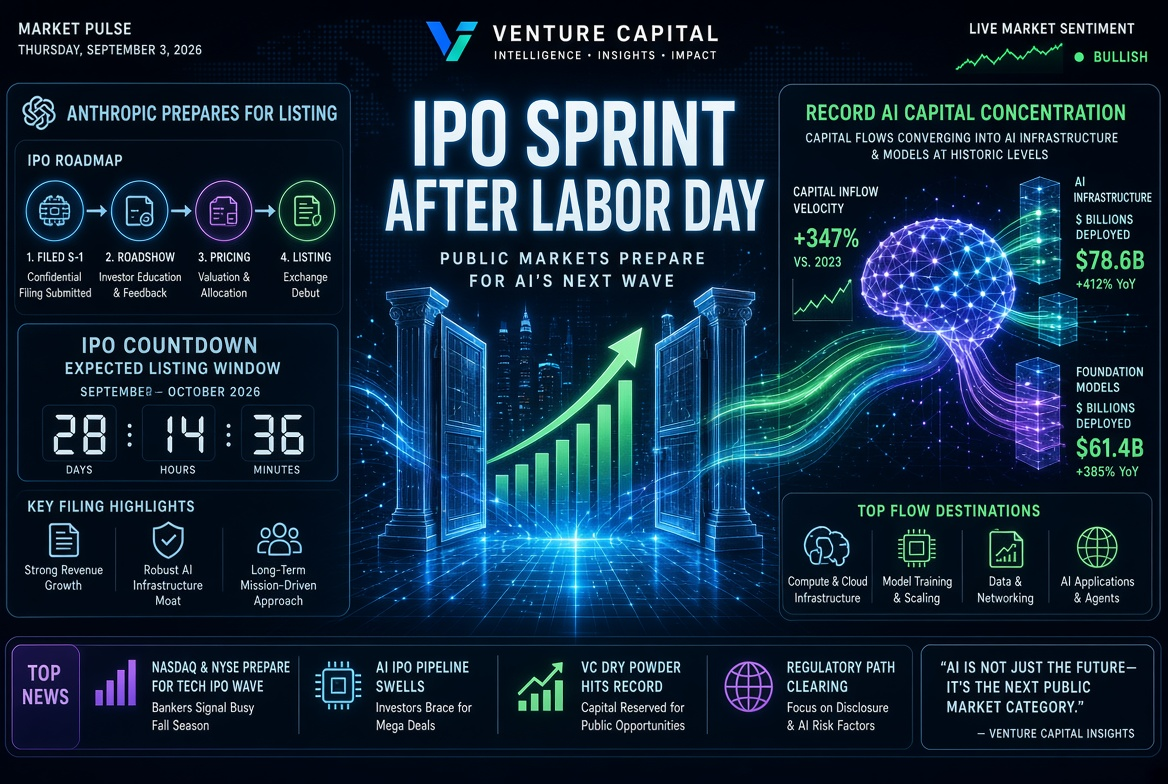
The global market for initial public offerings (IPOs) is confidently reviving after a prolonged lull and continues to gain momentum. In Asia, Hong Kong is supporting a new wave of IPOs: in recent weeks, major tech companies have gone public, collectively attracting multi-billion dollar amounts. This indicates that investors in the region are once again ready to actively participate in listings. In the U.S. and Europe, the situation is also improving: the American fintech unicorn Chime successfully debuted on the stock market, and at the end of 2025, the long-awaited IPO of the payment service Stripe took place. In 2026, even larger market entries are on the horizon, with leading AI startups and even Elon Musk's SpaceX preparing for a public offering that could become one of the largest in history. The IPO "window" remains open longer than many had anticipated, and the market appears capable of absorbing an influx of new issuances.
The revival of IPO activity encompasses a wide range of companies and is crucial for the venture ecosystem. Successful public exits allow venture funds to lock in profitable exits and redirect the released capital into new projects. Despite lingering investor caution, the prolonged open "window" is prompting more startups to consider going public as a tangible goal.
Diversification of Investments: Fintech, Climate, and Biotech on the Rise
Following a downturn in recent years, a rebound is evident across several sectors. Large funding rounds are returning to fintech—not just in the U.S., but also in Europe and emerging markets—while the global sustainability trend is driving record investments into climate technologies, green energy, and agri-tech. There is a renewed influx of capital into biotechnology, coupled with rising interest in defense technologies—ranging from drones and cybersecurity to dual-use robotics—bolstered by active government support and major investors. This diversification of sector focus is making the startup ecosystem more resilient, reducing the venture market's reliance on a single dominating trend.
In January 2026, several new unicorns (startups valued over $1 billion) emerged in Europe and other regions, signaling that the appetite of venture investors is returning even beyond traditional tech hubs.
Consolidation and M&A Deals: Consolidating Players
High company valuations and intense market competition are pushing the startup ecosystem toward consolidation. Major mergers and acquisitions are once again taking center stage, reshaping the balance of power in the industry. For example, Google is advancing a record deal to acquire the Israeli cloud cybersecurity startup Wiz for $32 billion—one of the largest startup acquisitions in history. Such mega-deals demonstrate that even industry leaders are willing to spend tens of billions to stay ahead in the tech race.
The current activity in acquisitions and major venture deals reflects the maturation of the industry. Mature startups are either merging with one another or becoming targets for acquisition by corporations, while funds finally have the opportunity for much-anticipated profitable exits. Consolidation enhances ecosystem efficiency, allowing companies to pool resources for accelerated growth and global expansion. Recently, Apple confirmed its intention to acquire the Israeli AI startup Q.ai for approximately $1.6 billion. This deal will bolster Apple's position in the AI space for wearables and underscores the commitment of tech giants to acquire innovative companies to enhance their offerings.
Russia and the CIS: The Local Market Amid Global Trends
Despite external constraints, the venture market in Russia and the CIS continues to evolve. New funds and corporate accelerators involving banks and major companies are emerging. Development institutions (such as the Skolkovo Foundation) offer grants, tax benefits, and co-investment programs, partially offsetting the outflow of Western capital. Local investors and funds are increasingly focusing on the domestic market and partners from friendly countries in the Middle East and Asia, filling the niche left by departing players.
A notable example is the Krasnodar-based food tech startup Qummy, which raised approximately 440 million rubles in funding at a valuation of around 2.4 billion rubles and is targeting an IPO in the coming years. Simultaneously, several major banks and investment firms are launching their own venture funds of about 10-12 billion rubles to support tech projects. In 2025, authorities officially permitted the return of foreign capital from "friendly" countries to transactions with Russian startups, potentially opening doors for new investments. Although the absolute volumes of venture investments in the region remain modest, they are gradually increasing. Local investors are betting on projects in artificial intelligence, import substitution, cybersecurity, and B2B services. The regional startup ecosystem is striving to capitalize on the global upturn to lay a foundation for future growth, even if it requires more time and internal support.
Conclusions: Moderate Optimism and a Focus on Quality Growth
As we approach 2026, the sentiment within the venture industry remains cautiously optimistic. Successful IPOs and large funding rounds indicate that the nadir of the downturn has been surpassed and the market is on an upward trajectory once again. However, investors remain wary, prioritizing startups with resilient business models and clear paths to profitability. The strong influx of capital instills confidence in ongoing growth, but funds are paying particular attention to diversification and risk management. The top priority is now the quality of that growth: market participants are focusing on the long-term sustainability of startups and healthy returns on investments to ensure that the new upswing does not lead to overheating. The venture market is entering a new phase of development with measured optimism, placing importance on a balanced approach and sustainable innovation. Ultimately, 2026 presents a wide window of opportunities for new investments in startups—primarily in teams that combine technological advantages, clear monetization strategies, and disciplined execution.