Global news from the oil, gas, and energy sectors for Monday, February 2, 2026: oil and gas, electricity, renewable energy, coal, refineries, key events in the commodities and energy market for investors and energy sector participants.
Global news from the fuel and energy sector for Monday, February 2, 2026, covers key events in the oil and gas industry as well as the electricity sector. Trends in oil and gas markets are examined, including the impact of geopolitics and sanctions, extreme winter conditions, the transition to renewable energy sources, the coal market situation, and domestic measures to stabilize fuel prices. These events create a complex backdrop for investors and companies, reflecting the intricacies of the global energy market.
Oil Market: Winter Demand Supports Prices Amid Glut Fears
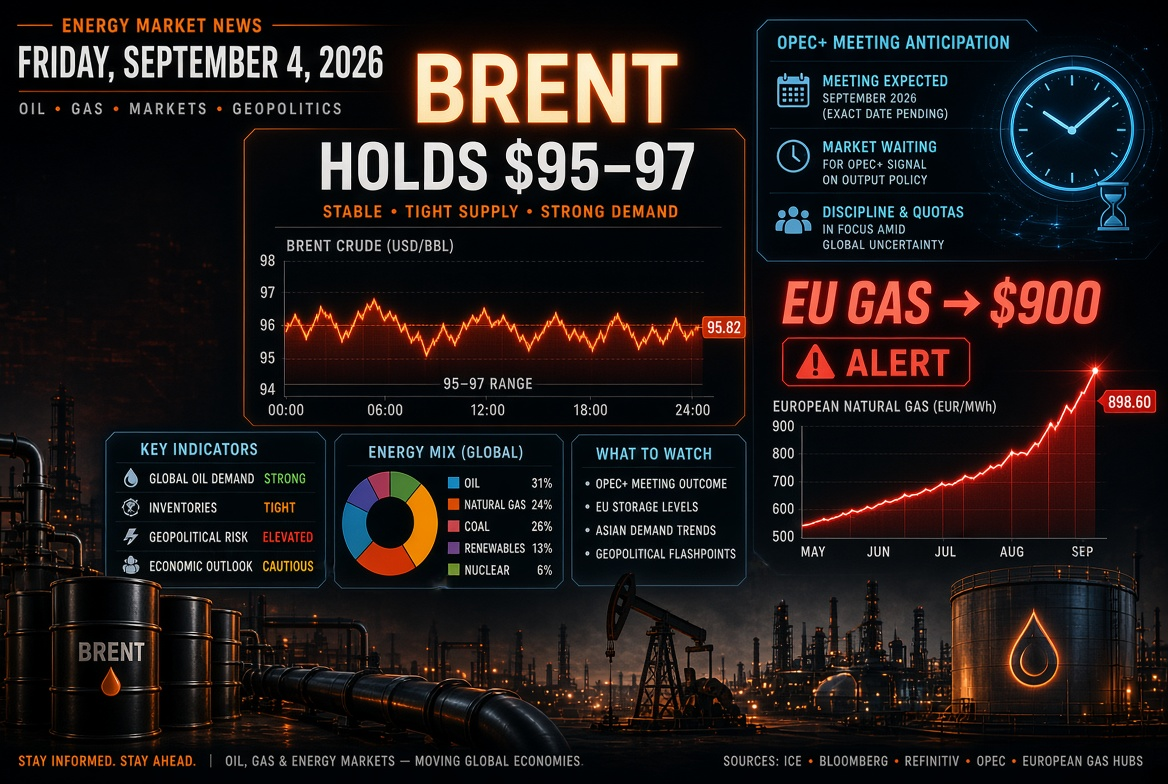
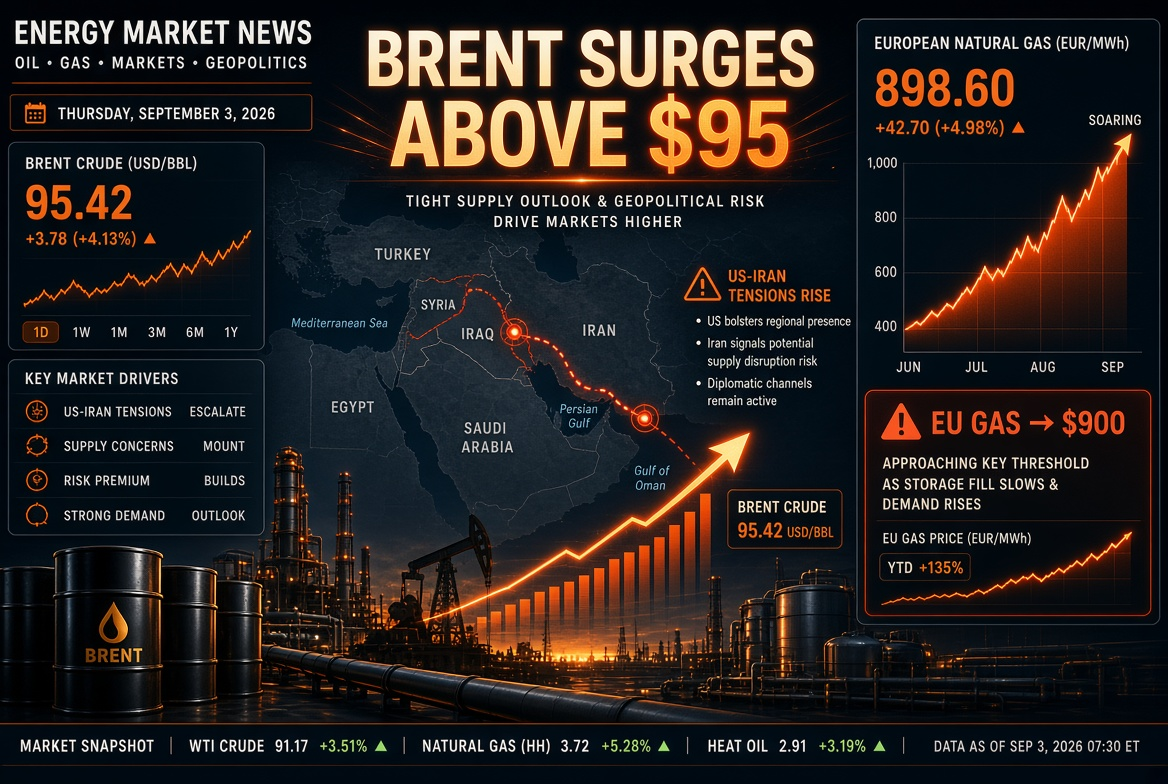
World oil prices have stabilized at relatively high levels due to several factors, although their further increase is tempered by expectations of an oversupply later in the year. The Brent North Sea crude is hovering around $64-66 per barrel, while the US WTI is at $60-62, bouncing back from five-month lows at the end of 2025. Prices remain below last year's peaks, and investors are exercising caution due to mixed signals on supply and demand.
- Seasonal Demand and Weather: The cold winter in the Northern Hemisphere has driven an increase in heating fuel demand. Rising consumption of petroleum products, especially diesel, is bolstering oil prices, partly offsetting the slowdown in the global economy.
- Geopolitical Risks: Tensions in the Middle East are pushing prices upward. The US administration has resumed harsh rhetoric towards Iran, increasing the risk premium in oil prices due to potential supply disruptions.
- Financial Factors: The weakening US dollar has made commodities cheaper for holders of other currencies, stimulating investor interest in oil. Hedge funds have increased long positions, signaling a return of speculative optimism to the market.
- OPEC+ Policy: The oil alliance is maintaining a cautious approach to production. Voluntary restrictions from several participants have been extended until the end of Q1 2026 to avoid oversaturation of the market. Keeping quotas supports prices and prevents them from falling during the seasonally weak demand period.
The combined influence of these factors keeps oil prices stable compared to recent lows. However, forecasts from the International Energy Agency warn that in the second half of 2026, global oil stocks could begin to rise by millions of barrels per day if demand does not accelerate. The risk of oversupply limits the potential for further increases in oil prices — markets are pricing in cautious expectations for the coming months.
Gas Market: Europe Rapidly Depletes Stocks Amid Freezing Temperatures
The global gas market situation is characterized by varying trends in different regions. In Europe, extreme cold has led to a surge in gas consumption and record withdrawals from storage, while a local pricing crisis is unfolding in North America. Meanwhile, Asia remains relatively balanced.
- Europe: EU countries entered February with sharply reduced gas reserves. Underground storage is filled to only ~45% of capacity (down from ~55% a year ago) — significantly lower than the peaks of 2022. However, active imports of liquefied natural gas (LNG) and stable pipeline supplies from Norway and North Africa are keeping prices at a relatively moderate level. Prices at the TTF hub have stabilized around €40 per MWh after a January spike — significantly lower than the peaks of 2022.
- USA: In North America, gas prices have risen significantly. In January, Henry Hub exceeded $5 per million BTU, more than 50% higher than a year ago. Factors include record LNG exports from the US and anomalous cold weather causing well freezes and disruptions in production. The domestic gas shortage has forced energy companies to temporarily switch to coal generation to prevent outages and curb price increases for consumers.
- Asia: In major Asian economies (China, Japan, South Korea), gas prices remain relatively stable. A mild start to winter and long-term LNG contracts have spared the region from fuel shortages. Moderate economic growth in China and India is suppressing demand increases, resulting in low competition with Europe for spot LNG cargoes.
Weather conditions are already causing disruptions to energy supply: January storms triggered widespread electricity outages in the US and Northern Europe. In the coming weeks, weather will remain a key factor: persistent freezing temperatures in February could complicate the stock situation in Europe and trigger further price fluctuations in the global gas market.
International Politics: Sanction Pressure and Geopolitical Risks
Geopolitical factors continue to influence the energy sector. The collective West maintains a strict sanctions regime against Russia. By the end of 2025, the European Union approved the 19th package of sanctions, closing the last loopholes for circumventing the oil embargo and introducing a complete ban on the purchase of Russian pipeline gas effective January 1, 2026, bringing Europe's rejection of Russian energy carriers to its logical conclusion. The United States has expanded its own restrictions, imposing sanctions against the largest Russian oil companies and 25% tariffs on various Indian goods — a signal to New Delhi regarding the import of Russian oil. Russian oil and gas are now sold only to a limited number of countries — primarily China and India — at substantial discounts.
At the same time, cautious signals for dialogue have emerged. According to insiders, during closed discussions with allies, the US is discussing scenarios for gradually normalizing relations with Russia in the event of a resolution to the Ukrainian crisis. No easing of sanctions has occurred yet, but the mere fact of such consultations indicates a search for diplomatic solutions for the future. Additionally, Washington has left the door open for possibly lifting new tariffs against India after it reduced its purchases of Russian oil. Such targeted steps have so far changed little in the situation, but markets respond positively to any hints of de-escalation. If peace negotiations stall, sanctions pressure may increase, creating long-term risks for the oil and gas sector.
Restructuring Energy Trade and New Alliances
Sanctions and shifting global political priorities are forcing countries to realign energy supply chains. New trade routes and partnerships are emerging, altering the landscape of the global energy sector:
- Russia – China: Moscow is redirecting its oil, gas, coal, and electricity exports eastward, increasing supplies to China to compensate for lost European markets.
- Europe and New Partners: The EU is diversifying its supplies: increasing gas imports from Norway and Algeria, oil from the Middle East and Africa, and stimulating purchases of petroleum products from India instead of Russia. European refineries have already adapted logistics to the new raw materials, reducing dependence on Russia.
New agreements also encompass advanced technologies. Partners are investing in hydrogen energy, biofuels, and energy storage systems, laying the groundwork for the future resilience of global energy.
Renewable Energy and the Global Energy Transition
At the January IRENA assembly in Abu Dhabi, country leaders reaffirmed their commitment to accelerating the transition to renewable sources. Major oil and gas nations are announcing large investments in solar and wind power plants, while the EU, under the REPowerEU program, is introducing new renewable energy capacities to replace gas and achieve climate goals.
Oil and gas corporations are also adapting to new realities. Part of the windfall profits from expensive hydrocarbons is being directed towards "green" projects — from offshore wind farms to green hydrogen production. Many companies are declaring goals for carbon neutrality by 2050 and are increasing their presence in renewable energy, biofuels, and energy storage segments to maintain competitiveness in the future.
At the same time, the energy transition faces challenges. In some countries, shifts in political direction (e.g., in the US) are temporarily weakening government support for clean energy, but the private sector continues to actively invest in renewables. Thus, the "green" trend remains a strategic direction, even if short-term volatility may arise due to the political climate.
Coal Market: Demand Near Historical Highs
Global coal consumption reached record levels in 2025, primarily driven by Asian countries, where rising electricity demand and high gas prices have led to increased coal burning. The coal market remains tight, with prices holding at elevated levels. However, as renewable energy sources are rapidly implemented, global demand is expected to plateau soon, followed by a decline. For now, coal remains an important source of baseload generation, especially in developing economies.
Russian Oil Products Market: Price Stabilization through Government Efforts
By early 2026, retail prices for gasoline and diesel in Russia stabilized after sharp increases last year caused by tax changes and rising exports. The government intervened by temporarily restricting the export of oil products and providing subsidies to refineries to saturate the domestic market. These measures halted the price growth.
Authorities have expressed readiness to extend regulation to prevent a new fuel crisis. A phased lifting of the gasoline export ban is also being considered to avoid storage overflow and refinery surpluses. Thus, balancing the interests of fuel consumers and producers is maintained through manual methods — the government continues to play a key role in ensuring price stability in the domestic market.