Cryptocurrency Market Update: November 15, 2025 - Bitcoin Drops Below $100,000, Ethereum Prepares for Upgrade, Altcoins Decline
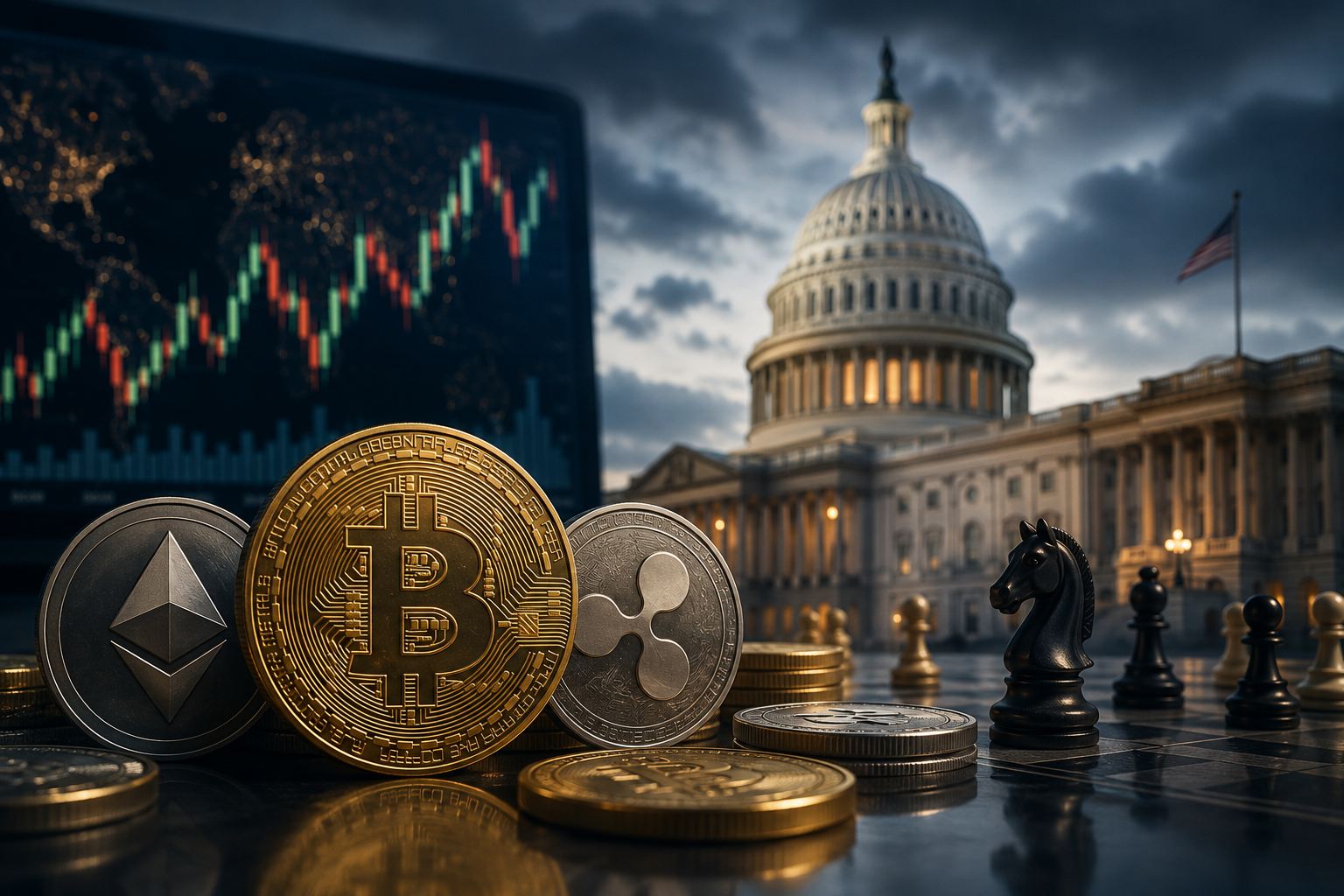
As of the morning of November 15, 2025, the cryptocurrency market is under pressure following a significant correction over recent days. Bitcoin's price has fallen below the psychological mark of $100,000 for the first time in six months, marking a new low since May and reducing the total capitalization of digital assets to approximately $3.4 trillion. Major altcoins, led by Ethereum, have also experienced price declines, with many from the top 10 retreating from recent highs. Investors are exhibiting caution amid heightened macroeconomic risks and indications from the U.S. Federal Reserve regarding a potential delay in interest rate cuts. Nevertheless, institutional interest in cryptocurrencies remains strong, fueled by the emergence of new investment products and a gradual improvement in the regulatory environment.
Bitcoin: Loss of the Key $100,000 Level
Bitcoin (BTC), the largest cryptocurrency, reached an all-time high (~$125,000) in early October, before entering a predicted correction. This week, the decline accelerated: BTC fell below the psychologically significant level of $100,000 for the first time since May, hitting a low around $95,000. As a result, Bitcoin has retreated nearly 24% from its peak, with the current week potentially marking its third consecutive loss.
The pressure on BTC has intensified due to a global flight from risky assets. Signals from the U.S. Federal Reserve regarding their reluctance to hasten interest rate reductions have dampened market optimism. The likelihood of a policy easing by the Fed in December has dropped from approximately 90% to 50%, depriving Bitcoin of one of its growth drivers. However, long-term BTC holders maintain their confidence: many large investors are using the dips to increase positions, viewing Bitcoin as digital gold and a hedge against inflation.
Ethereum: Decline Ahead of Network Upgrade
Ethereum (ETH), the second-largest crypto asset by market capitalization, has also felt market pressures. After strong growth in the first half of 2025, Ether experienced a significant correction: in early November, the ETH price dropped nearly 20%, briefly falling below $3,100—its lowest level in recent months. The price later recovered to around $3,200, yet it remains below the October peak (~$3,900) and approximately 20% shy of the historical high from 2021 ($4,867). Ethereum's market capitalization currently stands at about $450 billion, approximately 13% of the overall market volume.
Ethereum is influenced by both technological and macroeconomic factors. On one hand, investors eagerly await important events: a major network upgrade aimed at enhancing scalability and reducing fees is scheduled for early December. Furthermore, the industry anticipates the approval of the first spot ETF for Ethereum in the U.S. by year-end, which could attract new institutional capital. Such expectations previously supported ETH growth. However, in the short term, negative sentiment has prevailed: increased economic uncertainty has triggered fund outflows from Ethereum (with over $1.4 billion withdrawn from Ether ETFs since the end of October), and some long-term holders have begun to take profits by selling ETH, thereby adding pressure on the price. Nevertheless, the fundamental metrics of the network remain strong, and the community believes that the upcoming upgrade will bolster Ethereum's position in the decentralized finance (DeFi) and application markets.
Altcoin Market: Correction Across the Board
Most major altcoins have followed Bitcoin downwards. For instance, Ripple (XRP), which had recently surged to $3 following Ripple's victory over the SEC, has reverted to around $2.4, but it maintains high standings due to ETF launch expectations and clarity on the token's status in the U.S. Binance Coin (BNB), despite facing legal challenges surrounding the exchange, remains in the top five—recently rising to around $900 thanks to widespread usage in exchange and DeFi services.
Solana (SOL) and Cardano (ADA) have also experienced noticeable corrections following their autumn rallies: the price of SOL dropped from around $200 to approximately $150, while ADA fell from $1 to about $0.5. Nevertheless, these projects hold strong positions in the top ten, as investors remain optimistic about their long-term potential. Additionally, meme cryptocurrency Dogecoin (DOGE) and the Tron platform (TRX) remain in the top ten due to their dedicated communities and active usage of the Tron network for stablecoins.
Market Sentiment and Volatility
The sharp price fluctuations of recent days have impacted sentiment indicators. The "Fear and Greed Index," which was previously in the "Greed" zone, has dropped to neutral levels—signaling a cooling of euphoria among market participants. The volatility has also triggered widespread liquidations of margin positions: over a 24-hour period, forced liquidations exceeding $500 million were recorded on cryptocurrency exchanges, with the majority occurring among long positions taken by traders betting on price increases. Experts emphasize that such corrections following periods of hype are a healthy phenomenon, but they caution investors to exercise prudence and avoid excessive leverage.
Institutional Interest Remains High
In 2025, institutional investors have significantly increased their presence in the crypto market. While some funds have locked in profits in recent weeks, major players are not leaving the market—cryptocurrencies continue to be viewed by them as a promising asset class. Applications for new crypto ETFs (including those for XRP, Solana, and others) confirm the intention of institutional investors to expand their participation in the sector. The influx of professional capital remains a key driver of the cryptocurrency market.
Regulation: U.S. and Europe
In the U.S., there is an anticipated easing of the authorities' stance toward the crypto industry. Congress is pushing legislative initiatives aimed at clarifying rules for exchanges and token issuers, while the new SEC leadership shows a more lenient approach: the regulator has withdrawn lawsuits against several major crypto exchanges and stated that only a small number of tokens fall under securities laws. The Donald Trump administration has signaled compromise by pardoning Binance founder Changpeng Zhao (CZ). These steps are shaping a favorable legal backdrop for the U.S. market, promising clear rules for businesses and investor protection.
In Europe, the Markets in Crypto-Assets (MiCA) regulation is set to take effect at the end of the year, establishing unified requirements for the industry across all EU countries. The document covers the activities of exchanges, wallet providers, and stablecoin issuers. Several major crypto companies have already received licenses under the new rules, creating predictable operating conditions and balancing innovation with safety. EU regulators continue to engage in dialogue with the industry and assess potential risks—additional restrictions for global stablecoins are under discussion, although the measures provided by MiCA are currently sufficient to manage the situation.
Top 10 Most Popular Cryptocurrencies
- Bitcoin (BTC) — ~$95,000 (≈55% market share). The first and largest cryptocurrency—the primary indicator of the market as a whole. Despite the recent downturn, BTC retains its status as "digital gold" for investors, supporting long-term demand.
- Ethereum (ETH) — ~$3,200 (≈12% market share). The leading smart contract platform and the second-largest digital asset by market cap. The shift to Proof-of-Stake and deflationary issuance have strengthened Ethereum's position, with the expected network upgrade and potential ETF launch sustaining investor interest in ETH, despite recent fluctuations.
- Tether (USDT) — ~$1.00. The largest stablecoin, pegged to the U.S. dollar 1:1. USDT provides high liquidity in the market, serving as a "safe haven" for capital during volatility. Its capitalization is approximately $160 billion; the stablecoin consistently maintains its parity with the dollar due to full reserve backing.
- Binance Coin (BNB) — ~$900. The token of the largest cryptocurrency exchange, Binance, and a primary asset in the BNB Chain ecosystem. It is used for paying fees and accessing new projects. Despite regulatory pressures, BNB remains in the top five due to widespread usage and strong community support.
- USD Coin (USDC) — ~$1.00. The second-largest stablecoin (issued by a consortium led by Circle). It is fully backed by dollar reserves and is considered one of the most reliable digital assets. Approximately $75 billion USDC is in circulation.
- XRP (Ripple) — ~$2.3. The token for the Ripple network, enabling fast cross-border payments. In 2025, XRP first surpassed $3 in 7 years following Ripple's victory over the SEC and expectations for an ETF launch. After a correction, it is trading around $2.4, remaining among the largest assets. XRP attracts banks with Ripple's technology efficiency and legal clarity regarding the token's status.
- Solana (SOL) — ~$150. A high-performance layer-one blockchain known for fast transactions and low fees. SOL saw significant growth in 2025 due to expanding ecosystem (DeFi, NFTs) and ETF launch expectations on Solana. Despite the retracement, Solana remains close to its recent highs.
- Cardano (ADA) — ~$0.50. A blockchain platform based on Proof-of-Stake with a scientific approach to development. Although ADA's price is far from its records, the coin remains in the top ten due to its large market capitalization and active community. Interest in ADA has increased amid ETF launch plans; after a surge and subsequent retreat, investors maintain optimism regarding the project's long-term prospects.
- Dogecoin (DOGE) — ~$0.16. The most well-known meme cryptocurrency created as a joke. DOGE maintains its position among the leaders due to its dedicated community and periodic celebrity attention.
- TRON (TRX) — ~$0.30. The token of the Tron platform, focused on decentralized online services and multimedia. Tron attracts users with low fees and high network throughput. TRX has secured a spot in the top ten largely due to the active use of the Tron network for stablecoins.
Thus, in mid-November, the cryptocurrency market is taking a pause after a rapid rally—investors are reassessing risks and prospects. The outcomes of regulatory decisions and upcoming events (such as the Ethereum upgrade) will largely determine the sector's dynamics as we approach the year's end.