Current Cryptocurrency News as of November 19, 2025: Bitcoin's Decline, Altcoin Volatility, Market Regulation Changes, Top 10 Cryptocurrency Review, and Investor Expectations.
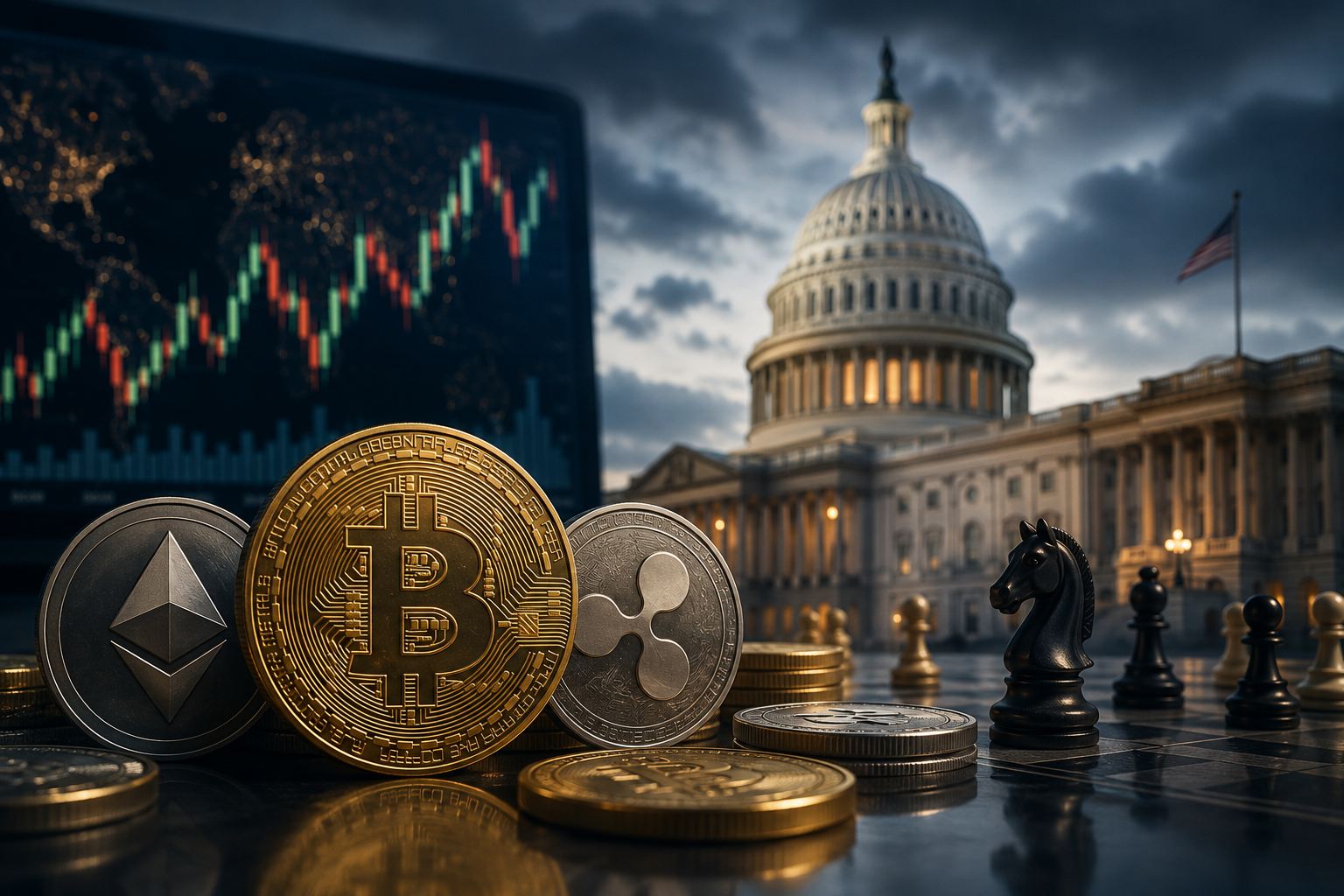
The cryptocurrency market is experiencing increased volatility as we approach mid-November 2025. Bitcoin's price has dropped below the $90,000 mark, reaching a seven-month low after a record high exceeding $125,000 in early October. This current decline has erased Bitcoin's gains since the beginning of the year. Market participants are divided: some analysts refer to this situation as the "last opportunity" to acquire Bitcoin at a relatively low price before a potential resurgence, while others predict further declines down to $75,000.
Amidst Bitcoin's correction, altcoins are demonstrating mixed dynamics. Several coins that had previously surged sharply are now experiencing pullbacks, while promising projects continue to attract capital and investor attention. Simultaneously, the regulatory landscape is shifting: in the United States, oversight bodies are reassessing priorities in the cryptocurrency sector, while new rules and initiatives for the digital asset market are being prepared in other countries.
Market Under Pressure: Bitcoin and Volatility
After an impressive rally in the first half of autumn, Bitcoin faced a significant correction. On October 6, the leading cryptocurrency reached an all-time high of approximately $126,000, but was soon met with a wave of sell-offs and the closing of margin positions using leveraged trading. October saw the largest recorded closure of such positions totaling around $19 billion, which exacerbated the market's decline. By mid-November, Bitcoin had fallen to about $90,000, breaking this level for the first time since April 2025. Volatility remains high: sharp price fluctuations remind investors of the risks associated with cryptocurrencies, amplifying cautious sentiment in the market.
Ethereum and Major Altcoins
The second-largest cryptocurrency by market capitalization, Ethereum (ETH), also experienced a correction alongside the market. At the beginning of November, Ethereum lost over 10% of its value within a week, dropping to approximately $3,000. Nevertheless, the underlying factors for Ethereum remain positive: the network is actively used in decentralized finance (DeFi) and NFTs, the second-layer (L2) solution ecosystem for scaling is developing, and a recent protocol upgrade has reduced transaction fees. Investors will continue to keep an eye on upcoming technical updates for Ethereum expected by the end of the year, which may enhance network efficiency.
Among other major cryptocurrencies, the trends vary significantly. Ripple's XRP token gained momentum in November following the launch of the first spot exchange-traded fund (ETF) on XRP, pushing the coin's price above $2.40. The Solana (SOL) platform has continued to strengthen its position due to an influx of institutional capital: in recent weeks, SOL-based funds attracted over $2 billion, contributing to Solana's price increase to approximately $150.
At the same time, some altcoins have experienced sharp spikes and corrections— for example, the privacy token Zcash (ZEC) soared in price in the fall amid expectations of halving, only to then sharply correct. Overall, altcoins remain unpredictable; following periods of rallies, significant corrections are possible; however, projects with strong fundamental stories continue to catch investor attention.
Institutional Investors and Funds
The activity of institutional investors in the crypto space in November shows conflicting signals. On one hand, earlier this year, capital inflows from major players contributed to market growth and the emergence of new investment products, such as spot crypto ETFs. On the other hand, recent data has revealed a record outflow of funds from Bitcoin-ETFs: in one week of November, investors withdrew over $1.2 billion, indicating profit-taking and short-term caution. Nonetheless, interest in digital assets from institutional players remains strong—new crypto-based exchange products are being launched in various jurisdictions, and major financial companies are developing infrastructure for working with digital assets.
Cryptocurrency Regulation: New Priorities
The regulatory environment for cryptocurrencies is undergoing significant changes as we approach the end of 2025. Around the globe, authorities are reassessing their approaches to monitoring and integrating digital assets into the financial system.
- United States: The Securities and Exchange Commission (SEC) has, for the first time, excluded crypto-assets as a separate category in its supervisory priorities for 2026, shifting the focus to oversight of artificial intelligence technologies and automated investment tools. This may signal a relative easing of regulatory pressure on the U.S. crypto market or its inclusion under broader financial oversight.
- Europe: The MiCA regulation is coming into effect in the European Union, introducing uniform rules for cryptocurrency companies and investor protection across all EU markets. Crypto firms will be required to obtain licenses and comply with capital and transparency requirements, which should enhance trust in the industry and investor security.
- Asia: Financial hubs in the region are showing increasing interest in cryptocurrencies. For instance, Hong Kong has legalized retail trading of major crypto-assets through licensed exchanges, seeking to attract crypto businesses. Meanwhile, mainland China continues to impose strict restrictions. Other countries in Asia and the Middle East (for example, the UAE) are implementing favorable regimes for blockchain projects, aiming to become industry hubs.
- Emerging Markets: Several nations are developing national crypto strategies. For example, Azerbaijan is preparing a comprehensive legislative framework to regulate crypto-assets, including taxation and oversight, by the end of 2025. Such steps reflect a global trend towards enhanced governmental control over digital finance.
Macroeconomic Factors
External macroeconomic conditions continue to significantly influence the dynamics of the cryptocurrency market. In recent weeks, uncertainty surrounding U.S. monetary policy has weighed on risk assets: many doubt a near-term reduction in Federal Reserve interest rates, which cools interest in cryptocurrencies. Simultaneously, news regarding fiscal policy impacts short-term trends: a temporary resolution to the U.S. budget crisis (avoiding a "shutdown") in early November sparked a wave of optimism, briefly supporting price increases for Bitcoin and Ethereum. Overall, a growing correlation between cryptocurrencies and traditional markets is evident: inflation expectations, employment data, and investor sentiment in stock markets increasingly reflect on digital assets.
Top 10 Most Popular Cryptocurrencies
Below is a brief overview of the ten most popular cryptocurrencies as of November 2025:
- Bitcoin (BTC): The largest cryptocurrency (around $90,000); it defines the direction of the entire market, and its limited supply secures its status as "digital gold" for investors.
- Ethereum (ETH): The second-largest digital asset, serving as a foundational platform for smart contracts, DeFi, and NFTs; its price hovers around $3,000. Ethereum is evolving through upgrades that improve network scalability and reduce fees.
- Tether (USDT): The leading stablecoin, pegged to the U.S. dollar at a 1:1 ratio. USDT is widely used in the market for trading and hedging against volatility, providing high liquidity.
- Binance Coin (BNB): The token of the largest cryptocurrency exchange Binance and the BNB Chain. BNB is used for fee payments and smart contracts within the Binance ecosystem; the coin ranks in the top five, reflecting the exchange's ecosystem influence.
- XRP (Ripple): Ripple's cryptocurrency for fast international payments. XRP has strengthened in 2025 following a court victory in a dispute with the SEC and the launch of a spot ETF; the token remains key for banking blockchain solutions.
- Solana (SOL): A high-speed blockchain competing with Ethereum, known for fast and cheap transactions. In 2025, SOL attracted significant investments, raising the token's price to around $150 and strengthening the project ecosystem on its platform.
- Cardano (ADA): A smart contract platform developing through a research-driven approach. ADA consistently remains in the top ten due to its active community and focus on network security and scalability.
- Dogecoin (DOGE): The most well-known "meme" cryptocurrency that started as a joke. DOGE remains among the market leaders due to strong community support and intermittent media attention, although its price is characterized by high volatility.
- Tron (TRX): A blockchain platform with low fees, originally focused on entertainment content. TRX is sought after for moving stablecoins (such as USDT) thanks to fast transactions and a rapidly developing DeFi ecosystem.
- USD Coin (USDC): The second-largest stablecoin from Circle, fully backed by dollar reserves. USDC is popular among institutional investors as a reliable tool for transactions and capital preservation.
Outlook and Expectations
The cryptocurrency market faces the question of whether the current correction will transform into a new bullish rally or lead to an extended period of high volatility. The end of the year may bring increased market activity; however, much will depend on external factors—from regulatory decisions to overarching macroeconomic trends. Investors are closely monitoring the situation's developments: the sustainable strengthening of cryptocurrencies will require a favorable macro environment, continued inflow of institutional capital, and high trust in the industry. For now, the market exhibits restrained optimism, interspersed with caution, reflecting the balance between the potential for further growth and ongoing risks.