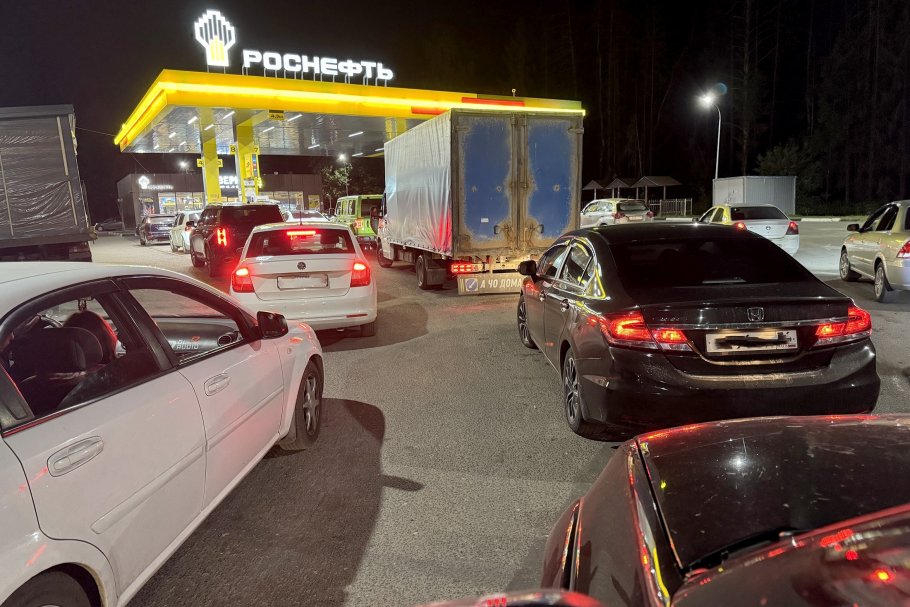
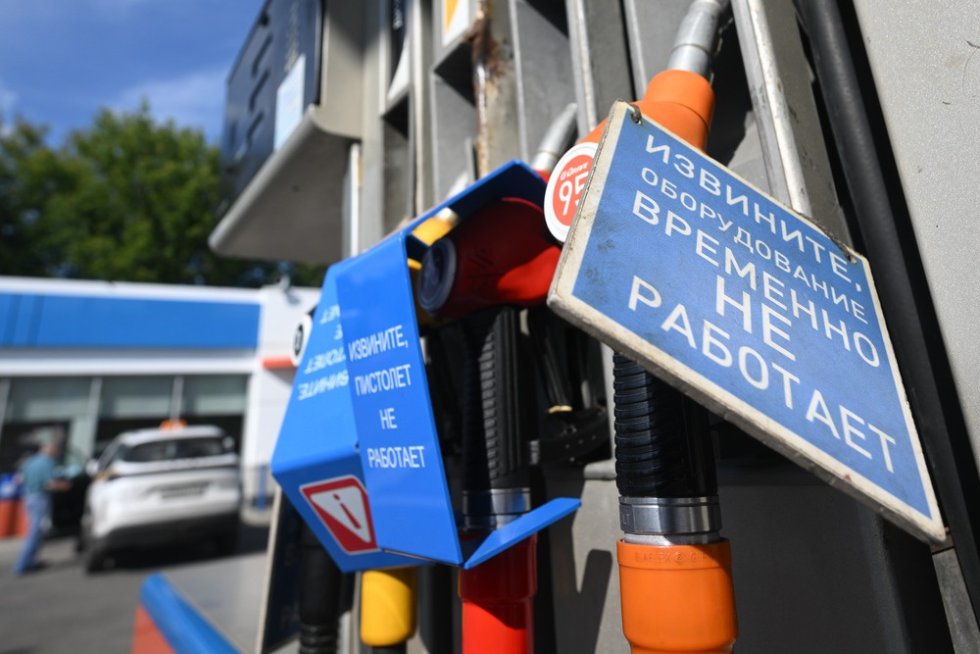
The situation regarding fuel availability at gas stations (GS) is gradually normalizing. While queues still exist in some areas, there is no shortage of petrol, and certainly no issues with diesel, which did not face significant problems in most regions by the end of summer. The measures implemented by regulators to stabilize the market have been effective, and in addition, fuel consumption in Russia has started to decline.
Demand for petrol decreases after the holiday season, while diesel fuel demand diminishes as agricultural work comes to an end. Logically, gasoline prices at GS should also have begun to decrease slightly. This did occur in mid-September, but by October, the upward trend resumed, first affecting gasoline and then diesel. Notably, fuel prices are increasing at the gas stations of major oil companies, which, during August and September, had kept prices in check, maintaining them at the lowest possible levels.According to the Moscow Fuel Association (MTA), over the past two weeks, the prices of A-92 and A-95 gasoline in the capital and surrounding regions have risen by more than 1 ruble, while diesel has increased by 40 kopecks. During the week of October 6 to 12, fuel prices rose only at the gas stations of vertically integrated oil companies (VINKs), which control the entire cycle of oil operations—from exploration and extraction to refining and retail sales. Currently, there are no statistics from Rosstat for the entire country for the last week; they will be released on Wednesday evening. Additionally, Rosstat does not provide a breakdown by various gas station networks, only publishing data on price dynamics. However, the agency has already registered a resumption of gasoline price increases since the end of September. In August and September, the largest contribution to the increase in retail fuel prices was made by independent gas stations, which are not owned by large oil companies. They account for over half of all gas stations in Russia, primarily located in the eastern part of the country. However, in terms of fuel sales volumes, they represent less than half of the total sales.
During August and September, independent gas stations were frequently closed due to fuel shortages. These outlets lack the capacity to maintain large reserves of petrol and diesel and do not have a significant financial safety net to weather periods of unfavorable market conditions.
It is not surprising that the highest price increases for both gasoline and diesel occurred at these stations. To this day, the price difference for the same grades of fuel between independent gas stations and VINK stations can reach 40 rubles or more.
No shortage of petrol, and certainly no issues with diesel, which did not face significant problems in most regions by the end of summer.However, prices at the network gas stations of VINKs are currently rising. This indicates a higher minimum price threshold for fuel, and consequently, the average price level will also rise.
Nevertheless, as noted in a conversation with "RG" by Dmitry Gusev, Deputy Chair of the Supervisory Board of the "Reliable Partner" Association and a member of the expert council of the "Gas Stations of Russia" competition, inflation-related price increases are still a reality, and adjustments on the signage of oil companies' gas stations are a completely normal process. The price level at "independent" gas stations remains significantly higher than that at VINK stations.
Furthermore, as pointed out by Sergey Tereshkin, General Director of Open Oil Market, the peak national demand for gasoline occurs during the warmer months, and it gradually declines with the onset of autumn. However, there is a nuance: economic activity is concentrated in cities, where fuel use increases with the end of the holiday season, affecting prices.
The bulk of the demand for gasoline is also concentrated in megacities; thus, the risks of rising fuel prices will persist, according to Tereshkin. Moreover, the overall market balance remains fragile due to the repercussions of unscheduled repairs at oil refining plants (ORPs). Diesel prices are traditionally influenced by the transition from summer to off-season and winter diesel (which is more expensive), so an acceleration of diesel price increases is likely to occur in the second half of autumn and early winter.
The dynamics of fuel prices may also be affected by fuel imports. Managing Partner of NEFT Research, Sergey Frolov, believes that the share of imports in gasoline consumption in Russia is currently quite significant. The economics of import supplies are mainly negative, which forces companies to raise prices to mitigate their losses.
Currently, demand for petrol is decreasing following the holiday season, while diesel fuel demand is diminishing as agricultural work comes to an end.As for diesel, there is no such correlation. Moreover, experts agree that even a resumption of DT exports from Russia will not negatively affect its retail price. Diesel production in Russia significantly exceeds domestic market needs; it is not coincidental that diesel remains the primary exported product from our refineries.
Tereshkin clarifies that regulators have approved the shipment of the first 500,000 tons of diesel to international markets, which is just over 1% of annual diesel exports prior to 2022. It is unlikely that these volumes can seriously impact the market, even considering the partial withdrawal of production capacities.
According to Frolov, the production of diesel in Russia has traditionally exceeded domestic consumption by about two times. Currently, this ratio has decreased; however, in order to prevent a surplus at several refineries and the resulting reduction in oil refining capacities, the government has opened exports. This would have happened even without the agreements reached between the presidents of Russia and the United States, the expert believes.
In Gusev's opinion, in the context of this year's situation, where the world is grappling with a fuel crisis, numerous measures have been implemented in Russia to stabilize the market and curb gasoline and diesel prices. Without these actions, price increases at gas stations could have been significantly worse. However, as a result, it is impossible to restrict price dynamics only to supply and demand balance following the use of non-market regulatory measures. There are constraints on price movements on the exchange, subsidies for refineries from the budget, a damping mechanism to compensate oil companies for supplying fuel to the domestic market at prices below export levels, and attempts to target price hikes at gas stations in line with inflation levels. These factors also influence the dynamics of both wholesale and retail prices. In the existing macroeconomic conditions, it would even be possible to freeze retail fuel prices, according to the expert. There is nothing wrong with this; many oil-producing countries, such as Saudi Arabia, do this.
Given the ongoing global fuel crisis and record price increases for oil, gasoline, jet fuel, and diesel in nearly all countries, it is unrealistic to expect significant price decreases at gas stations in Russia alone. They may dip slightly in November and December, although at year-end, oil companies typically factor in the planned increases in fuel excise taxes for the following year. This will also serve as a factor restraining price declines.
Source: RG.RU