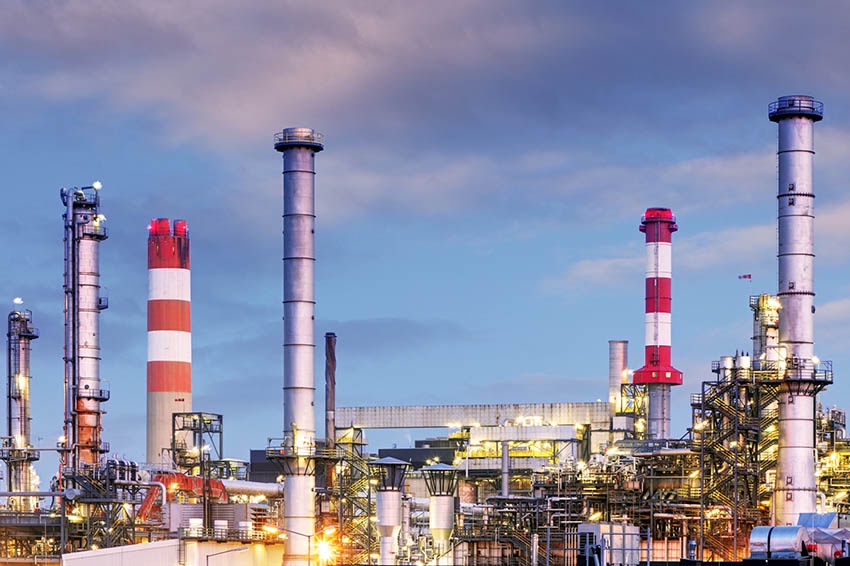
So far, our retail market has not reacted to the mass drone attacks on Russian oil refineries (refineries) that occurred in May of this year. Oil companies and large traders have reserves of fuel in storage facilities, and large and medium-sized gas station networks typically purchase fuel in advance. Moreover, everyone remembers the spring of the year before last, when the first attacks on Russian refineries began. At that time, there was an element of surprise, and the risk of gasoline shortages was real; however, now any potential interruption of supplies from a source is accounted for—companies are taking precautions.
The Ministry of Energy emphasizes that the domestic market is well-stocked with gasoline, diesel fuel, and aviation kerosene, and the logistical infrastructure is functioning steadily, with no disruptions reported in regional supply chains.
However, the impact of attacks on refineries may be delayed and depend on the duration and volume of refinery production cuts due to unplanned repairs. Since the beginning of the year, drones have attacked almost all major refineries in the European part of Russia. Notably, since early May, the factories affected were primarily producing fuel for the domestic market—Moscow and the region, Central Russia, the Northwest, and the South, as well as Volga, Ural, and Western Siberia. According to Reuters, production was halted or reduced at three of the largest refineries in Russia.
There is no information available regarding petroleum product output, as these data are classified, nor is there operational statistics. However, energy expert Kirill Rodionov provided "RG" with data from "OMT-Consult" for the first quarter of 2026, prior to the mass assaults on our refineries. According to these data, gasoline production in January to March of this year decreased by 4.8% compared to the same period in 2025. The primary processing of oil at refineries fell by 1.6% year-on-year, totaling 64.1 million tonnes compared to 65.2 million tonnes in the first quarter of 2025 and 66.4 million tonnes from January to March 2024.
We are currently only discussing gasoline because its output is only 10-15% higher than the domestic market's requirement. In 2024, Russia produced 41.1 million tonnes of gasoline, of which 37 million tonnes were needed domestically. Currently, gasoline exports from Russia are prohibited for everyone. Supplies are limited to intergovernmental agreements with EAEU countries. A production decrease of less than 5% should not be critical. However, at the end of April, Bloomberg reported a 10-12% decline in oil refining volumes in Russia, citing data from OilX. This is not even accounting for the damage to refineries in May. Therefore, the current tranquility and stability of the domestic fuel market will entirely depend on the speed of refinery repairs and the adequacy of fuel reserves in storage facilities.
Sergey Frolov, managing partner of NEFT Research, believes there is a real threat of fuel shortages. The severity of the crisis will depend on the speed and completeness of measures taken by the regulator and oil companies. However, the level of unpredictability is very high—attempts to strike refineries and oil bases are occurring on a daily basis. While fuel reserves are available, their purpose is to address tactical shortages. Without extraordinary measures, these reserves will not last long, the expert believes.
Sergey Tereshkin, CEO of Open Oil Market, takes a more optimistic view. He insists it's too early to say that the increased risks for fuel infrastructure in Central Russia will lead to a physical fuel shortage. However, there is a high probability that gasoline supply to exchanges will be reduced. This also includes risks of “non-fulfillment” of contracts that were previously concluded on the exchanges.
The situation is compounded by the fact that Russian refineries use foreign equipment, mainly European, which is currently inaccessible to us, at least for direct purchases. If this equipment has been damaged due to attacks, the repair timeframe will depend more on logistics for spare parts than on the scale of the repair work itself.
A new refinery cannot be built in a month; therefore, in a critical situation, gasoline imports may be needed, but the choice of suppliers is limited. As Tereshkin notes, supplies solely from Belarus will be insufficient, as the country's gasoline production (around 3 million tonnes per year) is less than 10% of the volume needed for domestic demand in Russia. Importing would be easier if Kazakhstan's project for a fourth large refinery (in addition to the existing three) were implemented, but the project is still in the discussion stage.
There is also China, but the logistics for such deliveries are criticized for both costs and delivery speed. Not surprisingly, Frolov emphasizes that mere imports will not suffice; a comprehensive approach is necessary.
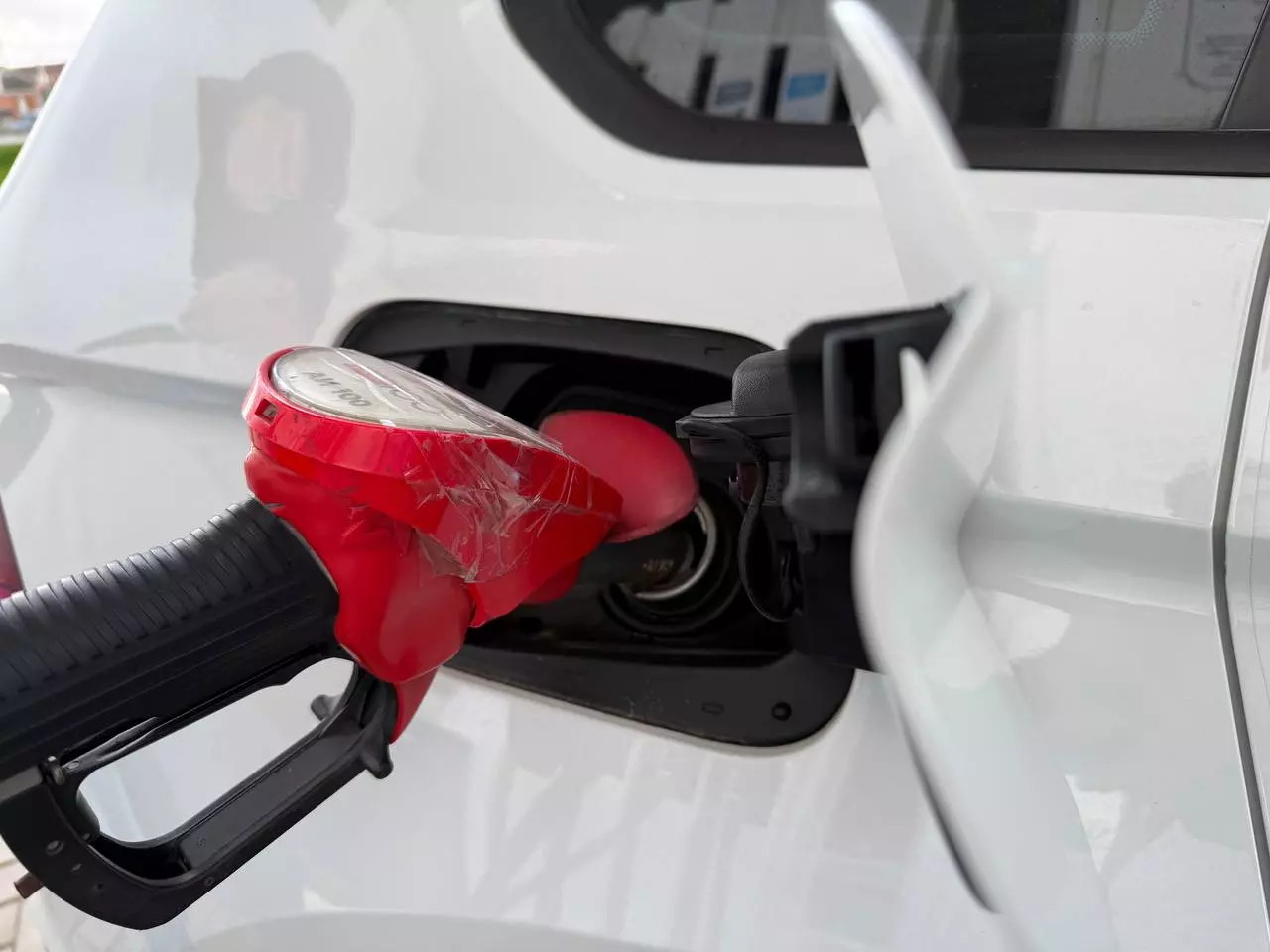
Tereshkin believes that the heightened risks of shortages will contribute to gasoline price increases outpacing inflation. Currently, gasoline prices are already surpassing inflation rates, at 4% compared to 3.15%. Moreover, the peak of the high-demand season is yet to come, anticipated for July and August.
The situation is better with diesel, which is produced in Russia at nearly double the amount needed for domestic consumption. However, experts do not rule out that due to the uneven distribution of refineries across Russia and transport restrictions amidst emergency shutdowns of plants, local supply interruptions could occur.
Regarding the development strategy for the fuel market, Dmitry Gusev, Deputy Chairman of the Supervisory Board of the "Reliable Partner" Association and member of the Expert Council for the "Gas Stations of Russia" competition, shared his views with "RG." He emphasizes that 90-95% of passenger vehicles in Russia are gasoline-powered. This creates risks for our national security as we may critically depend on a single group of products that might become scarce. Economic incentives for building new refineries have yet to be established; therefore, the only solution seen by the expert is to reduce dependence on gasoline. Alternatives could include diesel fuel, liquefied hydrocarbon gases, and electric vehicles. This shift could be achieved through straightforward incentive measures—by eliminating fees and taxes for non-gasoline engine vehicles and administrative solutions to boost the production of new vehicles with non-gasoline engines in Russia.
Source: RG.RU