Registration of Oil Product Transactions Fails to Attract Traders
During the first ten days of the voluntary registration of over-the-counter oil product transactions, market participants did not submit a single contract, as reported by “Kommersant”. From March 2027, this procedure will become mandatory. While the registration aims to enhance transaction transparency, experts note that it will not solve the fuel shortage issue and will impose additional burdens on smaller traders.
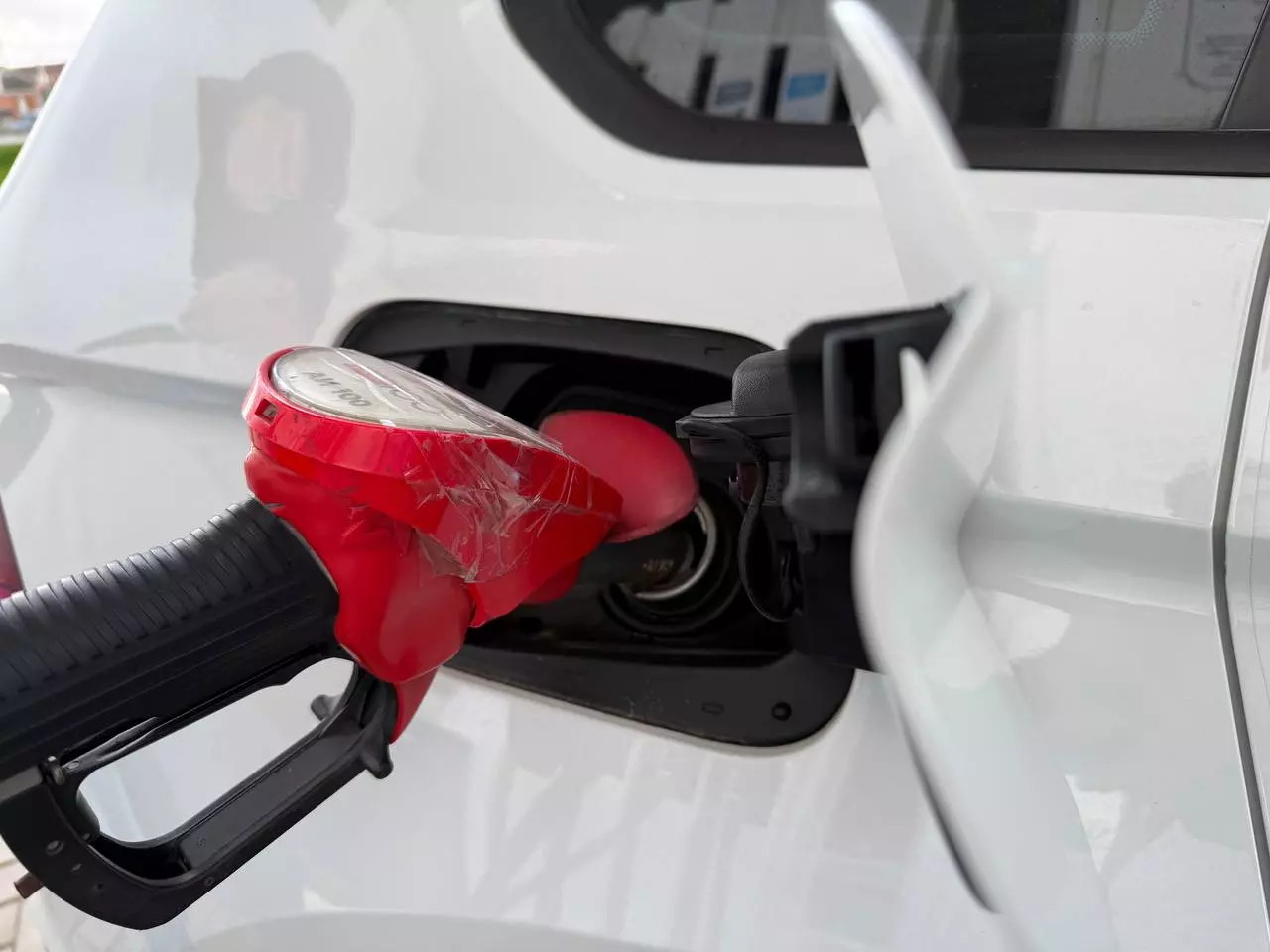
Retail fuel prices are rising unevenly. According to Rosstat, for the week of August 31 to September 7, the average price of gasoline in Russia increased by 49 kopecks to 78.25 rubles per litre, while diesel fuel rose by 4 kopecks to 88.44 rubles per litre. Fuel prices increased in 49 regions, but decreased in nine regions. In Moscow and St. Petersburg, prices remained relatively unchanged over the week.
The FAS positions the registration system as a tool to ensure traceability in supply chains and to foster more transparent pricing. Based on the collected data, indicative prices by region are expected to be established, which will serve as a guideline for controlling mark-ups.
As reported by “Kommersant”, there were no voluntary registrants for contracts by September 10.
However, they noted that in 2026, more than 50 companies were registering deals voluntarily on a monthly basis, with a total volume exceeding 500,000 tonnes of oil products through small wholesale contracts.
A source in the industry views the initiative as an attempt to demonstrate regulatory activity in a situation where they cannot address the main issue—saturating the domestic market with gasoline due to the aftermath of attacks on refineries. According to their assessment, the system will impose significant operational costs on traders. Another participant in the market points out that the share of the largest trader is 5% of the exchange market or 1% of the Russian market. This means, they continue, that there are no dominant players among the traders, and consequently, no significant impact from the registration on the market is expected.
The registration of over-the-counter transactions in itself will not serve as a long-term price constraint tool, states Sergey Tereshkin, general director of Open Oil Market. In his opinion, manual regulation and constant monitoring require substantial resources from regulators and traders and do not create incentives for reducing fuel costs. Statistics on over-the-counter sales cannot be a lever for price reduction: data collection will only increase administrative burdens without stabilizing the market in the long run, he believes.
Managing partner of NEFT Research, Sergey Frolov, believes that the new system will make the pricing chain more transparent but will not, by itself, influence prices. The regulator, he explains, will be able to see the conditions of transactions and identify potential discrimination against independent participants; however, in a supply shortage, this will not eliminate the causes of price increases. Additionally, the extra reporting may increase the burden on smaller traders and create additional barriers for them.
Source: Kommersant