Energy and Oil & Gas Sector News as of June 15, 2026: Strait of Hormuz, Oil Prices, LNG, Refineries, Oil Products, Electricity, Renewables, Coal, and Key Risks for Global Energy Sector Investors
The global fuel and energy complex enters a sharp risk reassessment phase on Monday, June 15, 2026. The main topic for investors, oil companies, traders, refineries, gas market participants, electricity, renewables, coal, and oil products is the potential de-escalation around the Strait of Hormuz and its impact on oil prices, LNG supplies, refining, logistics, and energy security. After several months of high volatility, the market is trying to ascertain which is more critical: the prospect of restoring routes through the Persian Gulf or the structural deficit of trust in raw asset markets.
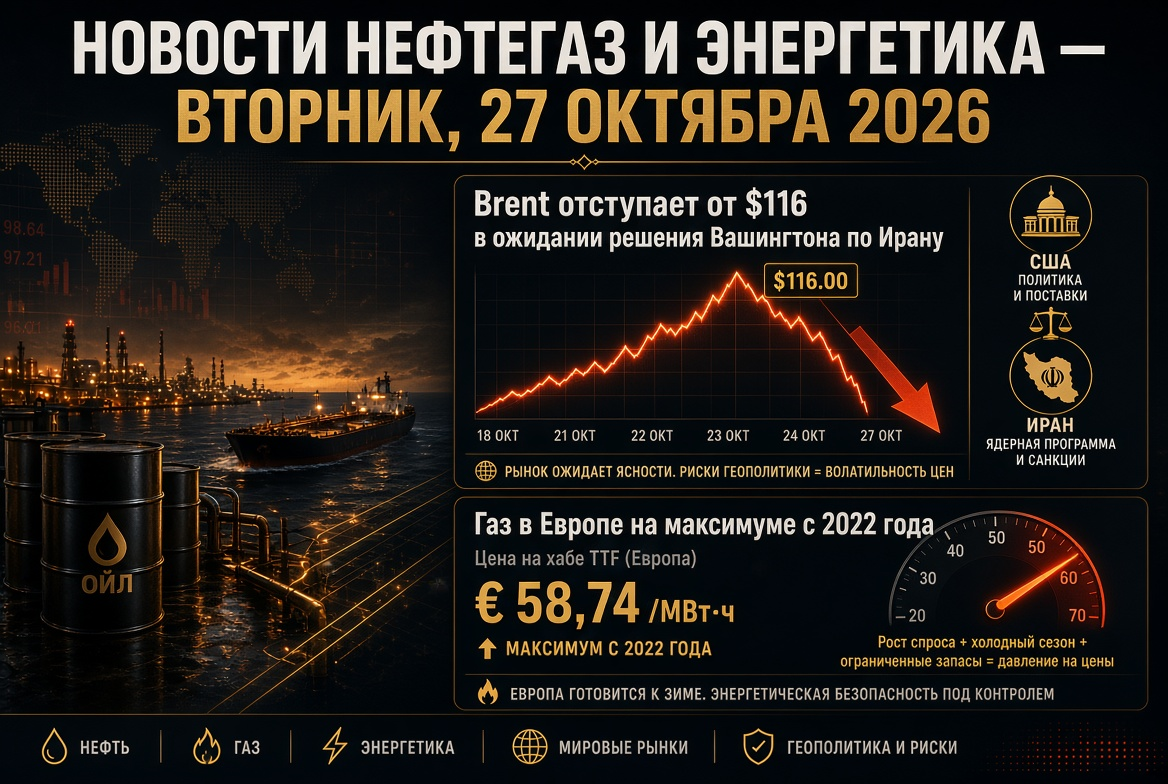
Oil: The Market Prices in a De-escalation Scenario
The key signal for the global oil market is the expectation of a potential agreement between the US and Iran, which may include the resumption of commercial navigation through the Strait of Hormuz and a temporary easing of oil sanctions. This factor has led to a reduction in Brent and WTI quotes to their lowest levels in several months. For the oil market, this indicates not only a decrease in geopolitical premiums but also the potential return of some Middle Eastern flows back into global trade.
However, investors must consider that even with a political agreement, the restoration of supplies will not be instant. Tanker routes, cargo insurance, port infrastructure, export terminals, and refinery contracts have already adapted to a crisis model. Therefore, the baseline scenario for the upcoming weeks is not a collapse in oil prices but a continuation of high volatility within a range where every piece of news related to Hormuz, Iran, OPEC+, and oil inventories can shift the balance of supply and demand.
The Strait of Hormuz Remains a Key Risk for Global Energy
The Strait of Hormuz remains a central point of tension for the oil and gas sector. Critical flows of oil, LNG, and oil products pass through the region, so even a partial restriction on shipping affects global prices, freight, insurance rates, and the availability of raw materials for refiners in Asia and Europe.
For oil companies and fuel traders, the key questions as of June 15, include:
- How quickly can supplies through the Persian Gulf be restored;
- Will alternative routes from the US, Brazil, Canada, and Venezuela remain viable;
- Will refineries return to previous grades of crude or continue diversifying;
- How will the structure of premiums for Middle Eastern, Atlantic, and Russian oil change.
Refineries and Oil Products: Margins Remain High
The oil products market remains more strained than the crude oil market. Even with Brent falling below psychological levels, the deficit of diesel, aviation fuel, and certain middle distillates continues to support refinery margins. For refining companies, this creates a dual situation: high margins are attractive, but the availability of raw materials, logistics, and sanctions complicate operational planning.
The market is particularly focused on India, Europe, and the US. India has introduced restrictions on large fuel purchases at retail gas stations to avoid local shortages of diesel and gasoline. The UK has confirmed a phased transition to a complete ban on the import of diesel and aviation fuel produced from Russian oil. In contrast, the US is evaluating the possibility of increasing the refining of heavy Venezuelan crude, which is significant for Gulf of Mexico refineries.
Gas and LNG: Europe and Asia Secure Long-term Contracts
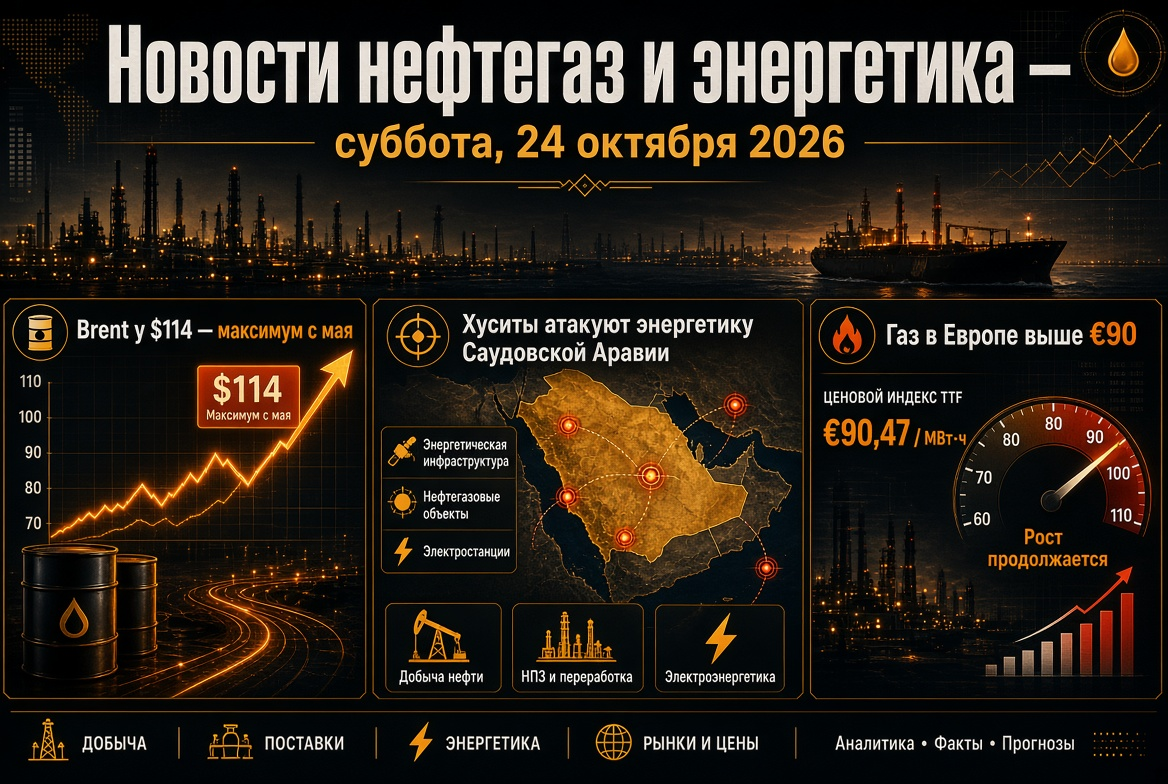
A key trend in the gas and LNG market is the shift from spot dependency to long-term contractual protection. Europe is increasingly interested in American LNG, while Greece is becoming a significant hub for deliveries to Central and Southeast Europe. The rising number of long-term LNG contracts starting from 2030 indicates that European buyers view energy security as a strategic asset rather than a short-term pricing issue.
Asia is also returning to active LNG purchases. China is gradually restoring imports following a price shock, Japan is securing supplies through long-term agreements with Malaysia, and South Korea and India are balancing between LNG, coal, and oil products. For investors, this demonstrates that the global gas market remains one of the most sensitive segments of energy: demand is recovering faster than infrastructure can adapt to new routes.
Electricity: Demand Grows Due to AI, Data Centers, and Electrification
The global electricity sector is entering a phase of accelerated demand. Key drivers include data centers, artificial intelligence, industrial electrification, air conditioning, electric vehicles, and rising consumption in emerging economies. This shifts the investment model for energy companies: increasing capital is directed not only towards generation but also towards networks, energy storage, system flexibility, and backup capacities.
In the US, electricity consumption is projected to set records in 2026 and 2027. The commercial sector, including data centers, may for the first time surpass the residential sector in terms of demand volume. This heightens investment interest in gas generation, solar and wind projects, battery systems, geothermal energy, and network upgrades.
Renewables and Storage: Solar Energy Becomes a Speed Tool
Renewables are shifting from being solely a climate story to becoming an instrument of energy security. Solar plants with storage benefit from rapid construction, while new gas turbines face long equipment delivery times. For technology companies and industrial consumers, hybrid projects of "solar generation plus storage" are becoming a way to quickly acquire new capacities.
Interest in geothermal energy is also on the rise. Technologies from the oil and gas sector, such as horizontal drilling, enable the development of new geothermal projects for 24/7 energy supply to data centers. This creates a new intersection between oil and gas competencies and clean energy: drilling, geology, service companies, and energy infrastructure are becoming integral parts of the renewables market.
Coal: Asia Returns to Energy Security
Despite the growth of renewables, coal remains an important element of Asia's energy balance. High LNG prices and supply disruptions are prompting Japan, South Korea, China, and several developing markets to intensify coal generation to meet peak demand. This supports thermal coal prices and increases the significance of domestic reserves.
China is not only focusing on coal mining but also on coal chemistry, producing liquid fuels, gases, and chemical products from coal. This approach strengthens energy independence but creates conflicts with climate goals. For investors, this is an important signal: the energy transition will not be a linear phase-out of fossil fuels, but a complex combination of renewables, gas, coal, nuclear energy, and local security strategies.
Nuclear Energy and Energy Networks: Reliability is Back in Focus
Events surrounding the Zaporizhzhia Nuclear Power Plant have once again demonstrated that the resilience of energy networks and the safety of nuclear infrastructure remain global issues. External power supply outages, the need for backup diesel generators, and the dependence of nuclear facilities on stable networks highlight that modern energy requires investments not only in new capacities but also in protection, maintenance, reserves, and risk management.
For energy companies, this signifies a rise in spending on reliability. For investors, there is heightened attention on network operators, equipment manufacturers, energy storage system suppliers, service companies, and infrastructure assets.
What Investors and Energy Sector Participants Should Note
Monday, June 15, 2026, marks a day when the global energy sector assesses not just one piece of news, but the entire spectrum of consequences stemming from the energy crisis. In the short term, the market will pay attention to the Strait of Hormuz, Brent oil, WTI, LNG supplies, oil product inventories, and government actions. The medium-term focus shifts towards electricity, networks, renewables, gas generation, coal, and refineries.
Key takeaways for investors include:
- Oil remains volatile, even as geopolitical premiums diminish;
- LNG is becoming a strategic commodity for Europe and Asia;
- Refineries benefit from high margins but face raw material and sanction risks;
- Electricity is emerging as the main growing segment of the global energy market;
- Renewables and storage gain an advantage due to rapid capacity deployment;
- Coal retains its role as a backup fuel in Asia;
- Energy security has become the primary investment criterion for oil and gas, electricity, and the raw materials sector.
The main idea of the day: the global energy market is transitioning from a simplistic assessment of oil prices to a more complex model, where logistics, supply reliability, energy system flexibility, long-term contracts, and companies' ability to operate in conditions of geopolitical uncertainty become decisive.