The Global Fuel and Energy Sector Enters Summer Amid Geopolitics, High Logistics Costs, and Energy Security Challenges
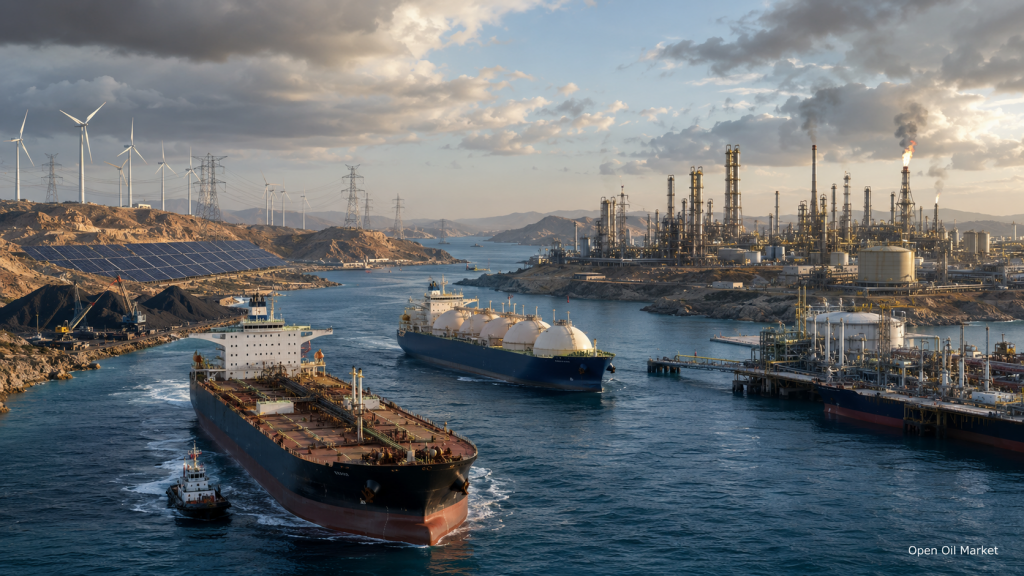
The oil, gas, and energy news for Saturday, May 30, 2026, provides investors with one of the most intense backdrops in recent years. The global energy sector is simultaneously facing geopolitical risks in the Strait of Hormuz, diminishing available oil and gas supplies, rising electricity demand, volatility in the petroleum products market, and an acceleration of investments in renewable energy, grids, and energy storage.
For energy market participants, including fuel companies, oil producers, traders, refineries, and investors, the key question now is not only the price levels of Brent and WTI crude oil but also how quickly physical crude flows will recover. Even with diplomatic signals emerging concerning Iran, the market remains cautious; logistics shortages, insurance premiums, the lack of tanker availability, and declining fuel stocks keep the risk premium high.
Oil: The Market Reacts to Hopes Regarding Iran, but Supply Deficit Persists
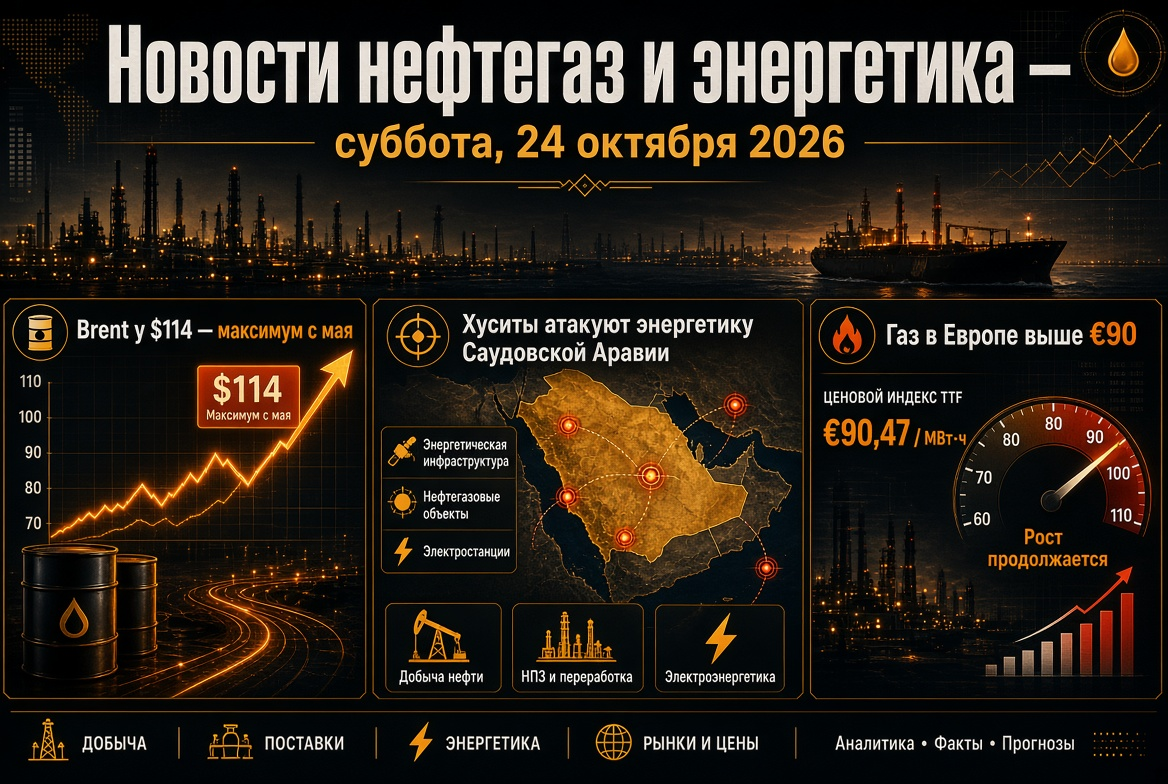
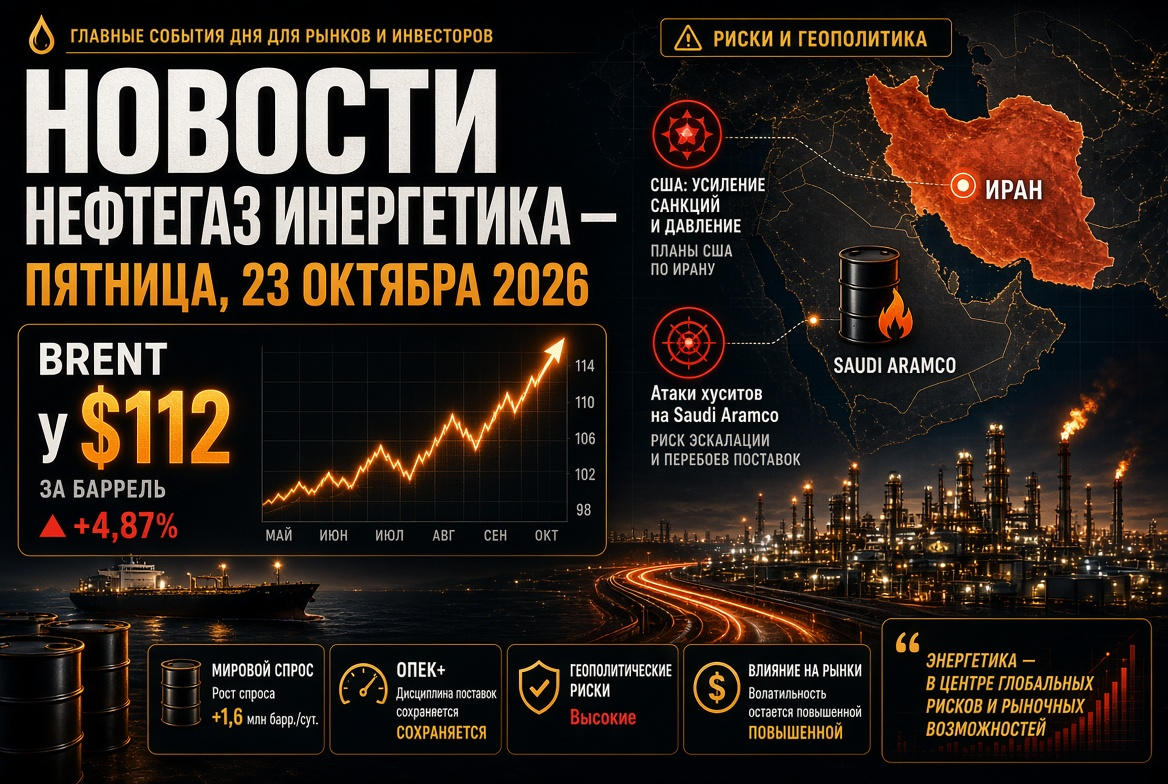
The main theme in the commodity market is the potential easing of tensions surrounding Iran and the prospects for restoring shipping traffic through the Strait of Hormuz. In this context, oil prices have retreated from recent highs; however, the oil market remains significantly above levels seen at the beginning of the year. Brent is trading near the zone above $90 per barrel, while WTI hovers around the upper end of the $80 range, reflecting a persistent supply deficit.
For oil companies, the current situation creates a dual effect. On one hand, high prices improve cash flows for producers. On the other hand, unstable export routes increase operational costs, raise charter rates, and compel buyers to actively seek alternative sources of supply.
- Middle Eastern supplies remain in focus;
- The geopolitical risk premium is still reflected in oil prices;
- Buyers are intensifying import diversification;
- The market is assessing the likelihood of a gradual recovery in transit through Hormuz.
OPEC+ and Supply Balances: Symbolic Decisions Matter, but Logistics Matter More
For the global oil market, decisions made by OPEC+ remain significant indicators; however, under the current circumstances, physical logistics are deemed more important than formal quotas. Even if certain alliance members are willing to increase production, logistical constraints on export routes through the Persian Gulf diminish the immediate impact on the market.
Investors in the oil and gas sector are closely monitoring how quickly producers can return volumes to the global market. If the supply recovery is slow, oil prices may remain elevated even as political tensions ease. For fuel companies, this means maintaining high uncertainty in raw material procurement, while refiners must manage refining margins flexibly.
Gas and LNG: Europe and Asia Compete for Flexible Supplies
The gas market remains one of the key nodes in the global energy landscape. Europe continues to depend on LNG and pipeline gas imports, while Asia is enhancing competition for LNG amid disruptions in Middle Eastern supplies. For energy companies, this indicates that gas is once again not just a transitional fuel but a strategic resource for energy security.
The European gas market appears more resilient than during the crisis periods of 2022-2023, but dependence on external suppliers remains high. Any disruptions in LNG immediately affect electricity prices, industrial costs, and inflation expectations. For Asia, the situation is even more sensitive: Japan, South Korea, India, and Southeast Asian countries are forced to balance between gas, coal, nuclear energy, and renewables.
Petroleum Products and Refineries: Refining Margins Supported by Fuel Shortages
Petroleum products are emerging as a distinct investment theme. Gasoline and distillate inventories in the U.S. are declining, refinery utilization remains high, and fuel demand is entering a seasonal peak. This creates a favorable environment for refineries: high capacity utilization and shortages of certain fuel types support refining margins.
However, for consumers and fuel companies, the situation is less comfortable. Rising prices for gasoline, diesel, and jet fuel put pressure on transportation, industry, and logistics. If raw material supply disruptions persist, the petroleum products market may become even more sensitive to any refinery outages, maintenance, and export restrictions.
- Gasoline is supported by seasonal demand.
- Diesel remains sensitive to industrial activity and logistics.
- Aviation fuel depends on the recovery of international travel.
- Refinery margins may remain high amid shortages of raw materials and petroleum products.
Electricity: Heat, Grids, and Growing Demand Shift Energy Priorities
Electricity is becoming a central element of the global energy agenda. Rising consumption from data centers, industry, electric vehicles, and air conditioning systems is straining grid capacities. In Europe, an additional factor is the hot weather and unstable wind generation, which forces energy systems to more frequently rely on gas and coal-based generation.
For investors, this amplifies interest in companies involved with energy grids, storage systems, gas generation, balancing equipment, and energy system digitization. The electricity sector is gradually transforming from a traditionally stable infrastructure domain into a strategic industry where a deficit in grid capacities may limit economic growth.
Coal: Asia Returns to Security Fuel
Despite long-term climate agendas, coal continues to play a vital role in the global energy landscape. In Asia, rising LNG prices and gas supply disruptions compel major importers to increase their use of coal-based generation. Japan, South Korea, Vietnam, and other markets in the region assess coal not only as a source of emissions but also as a tool for ensuring reliable energy supply.
For coal companies and suppliers of energy coal, this creates short-term demand support. However, the long-term investment picture remains complicated: banks and institutional investors continue to restrict financing for coal projects, while governments simultaneously develop renewable energy, nuclear, and gas infrastructure.
Renewables: Solar and Wind Generation Strengthen Their Positions, but the Market Demands Storage
Renewable energy sources remain the main avenue for structural growth. Solar and wind generation are increasing their share of global electricity production and, in certain regions, are already competing with gas generation not only on cost but also on their impact on the overall energy balance. For global energy, this is an important long-term signal: Renewables are becoming not just an addition but an integral element of the energy system.
However, the rapid growth of renewables presents a new challenge—the need for investment in grids, energy storage, and backup capacities. Without batteries, flexible gas generation, inter-system connections, and digital management, a high share of solar and wind energy may exacerbate electricity price volatility.
Investment Conclusion: The Global Energy Sector Enters a Phase of Costly Energy Security
For investors, energy market participants, and oil and gas companies, the key takeaway from May 30, 2026, is that the energy sector is once again trading not just as a commodity market but as a security market. Oil, gas, electricity, coal, petroleum products, refineries, and renewables are now linked by a single logic: countries and companies are willing to pay more for reliable supply, resilient infrastructure, and control over critical resources.
In the coming weeks, market participants should monitor several factors:
- The dynamics of negotiations concerning Iran and shipping regimes through the Strait of Hormuz;
- OPEC+ decisions on production and actual export capabilities of producers;
- Inventories of oil, gasoline, and distillates in the U.S., Europe, and Asia;
- LNG prices and competition between European and Asian buyers;
- Refinery utilization and the margins of petroleum product processing;
- Growth rates of renewables, battery systems, and investments in energy grids.
Thus, the oil, gas, and energy news for Saturday, May 30, 2026, indicates that the global energy sector is entering a period where high energy prices are the result not only of supply and demand but also of a deficit in stable infrastructure. For oil companies, fuel companies, gas producers, refineries, coal suppliers, and investors, this means a new phase of the market—a more volatile, capital-intensive, and strategically significant environment.