Startup and Venture Capital News — Wednesday, December 17, 2025: A Record Year-End Finish, New Mega Funds, an AI Round Boom, and Global Venture Trends
By the end of 2025, the global venture capital market found itself on a trajectory of confident growth, having left behind several years of decline. Estimates suggest that in the third quarter of 2025, investment volumes in technology startups reached around $100 billion—approximately 40% higher than a year prior—marking the best quarterly performance since the tumultuous year of 2021. The upward trend gained momentum in the fall: in November alone, the global deal volume exceeded $40 billion, up 28% from the previous year. The prolonged "venture winter" of 2022–2023 has finally given way to a new upturn—private capital is rapidly returning to the technology sector. Record funding rounds and the launch of new mega funds signal a resurgence of risk appetite among investors. However, the investment approach remains cautious and selective: capital is primarily directed towards the most promising and resilient startups.
The explosive growth of venture activity this year has encompassed all regions of the world. The United States continues to lead the way, particularly due to colossal investments in the artificial intelligence sector. In the Middle East, volumes of investment have grown exponentially, thanks to the activation of government funds. In Europe, Germany surpassed the UK for the first time in a decade in total venture capital raised. In Asia, growth is shifting from China to India and Southeast Asian countries, compensating for the relative cooling of the Chinese market. New technology hubs are also emerging in Africa and Latin America, with the first "unicorns" appearing, underscoring the truly global nature of the current upturn. The startup scenes in Russia and the CIS countries are also striving to keep pace, despite external constraints. Overall, the global venture market is gaining momentum, and the return of "big money" to startups indicates a recovery of trust in the sector.
- The return of mega funds and large investors. Leading venture funds are raising unprecedented amounts and refilling the market with capital, increasing the appetite for risk.
- Record rounds in AI and new "unicorns." Unusually large investments in AI startups are driving company valuations to record heights and spawning a wave of new "unicorns."
- A revival of the IPO market. The successful public offerings of technology companies and the increase in listing applications confirm that the long-awaited "window of opportunity" for exits has reopened.
- Diversification of industry focus. Venture capital is being directed not only into AI but also is actively financing fintech, climate projects, biotech, defense technologies, and even crypto startups, broadening market horizons.
- A wave of consolidation and M&A deals. Large mergers, acquisitions, and strategic investments are reshaping the industry landscape, creating new opportunities for exits and accelerated company growth.
- The return of interest in crypto startups. After a lengthy "crypto winter," blockchain projects are once again receiving funding amid the growth of the digital asset market and easing regulation.
- Local focus: Russia and the CIS. New funds and initiatives for developing local startup ecosystems are emerging in the region, gradually attracting investor attention despite ongoing constraints.
The Return of Mega Funds: Big Money Back in the Market
The largest investment players are triumphantly returning to the venture arena, marking a new wave of appetite for risk. After several years of stagnation, leading funds have resumed raising record capital and are launching mega funds, demonstrating confidence in the market's potential. For example, Japan's SoftBank conglomerate is forming its third Vision Fund with a budget of approximately $40 billion, targeting advanced technologies (primarily projects in the fields of artificial intelligence and robotics). Other renowned investors, such as Tiger Global, have also re-emerged, announcing a new fund worth $2.2 billion—significantly smaller than their previous massive funds but with a more selective investment approach. Meanwhile, sovereign funds from the Middle East are ramping up activity: governments of oil-rich countries are pouring billions into innovative programs, forming powerful regional tech hubs. Concurrently, dozens of new venture funds are emerging worldwide, attracting substantial institutional capital for investments in high-tech companies. The largest funds in Silicon Valley and Wall Street have accumulated record reserves of uninvested capital ("dry powder")—hundreds of billions of dollars are ready to be deployed as the market revives. The return of "big money" is already palpable: the market is filling with liquidity, competition for the best deals is intensifying, and the industry is receiving the much-needed boost of confidence for further capital inflow.
Record Investments in AI: A New Wave of "Unicorns"
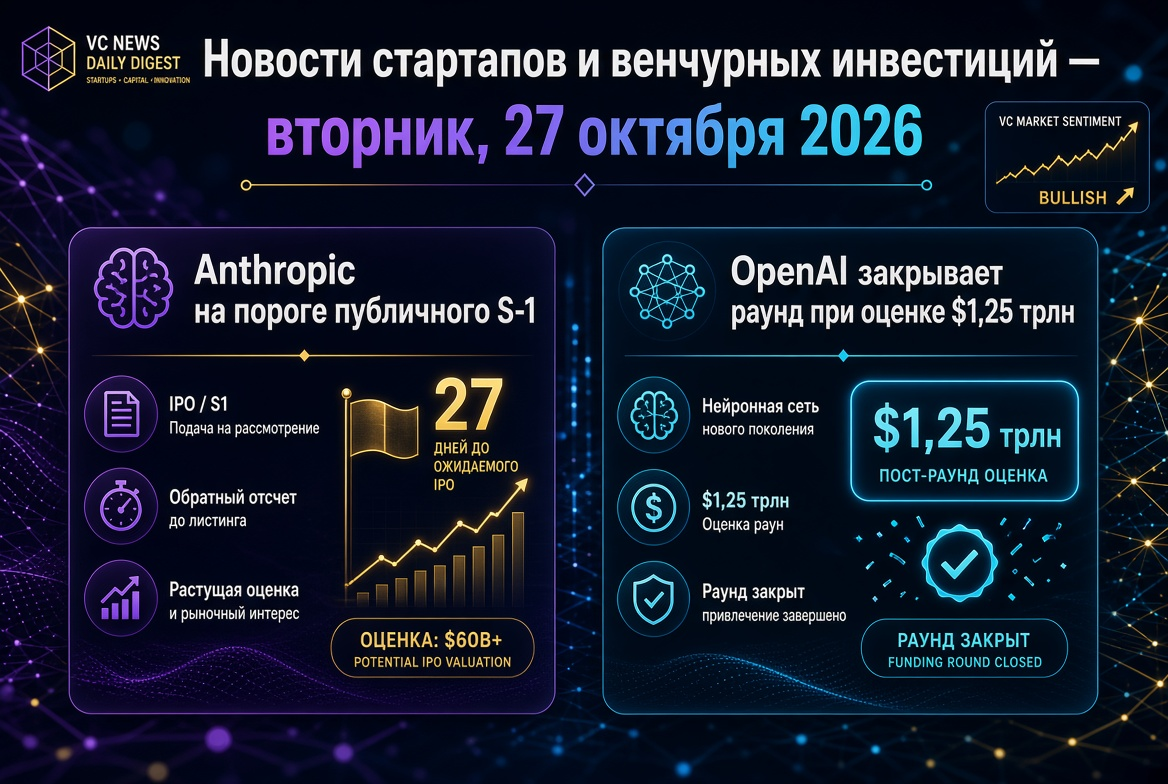
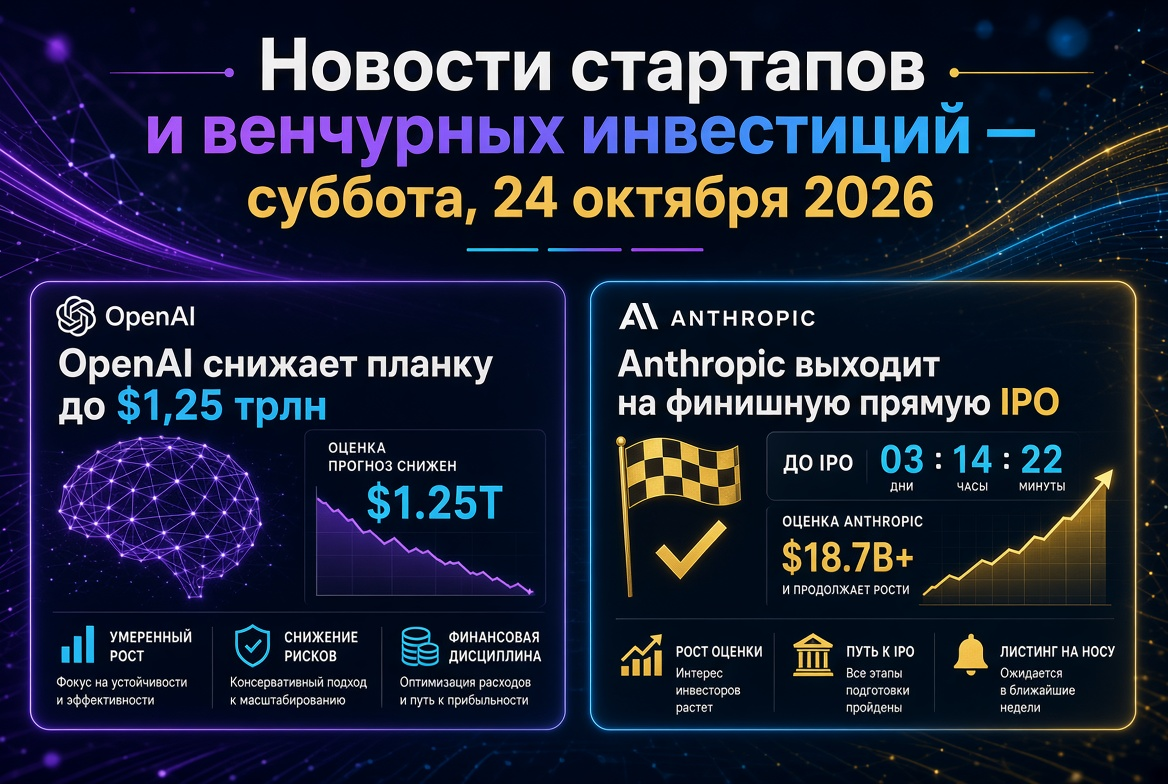
The artificial intelligence sector remains the primary driver of the current venture upturn, demonstrating record levels of funding. Investors worldwide are channeling colossal resources into the most promising AI projects, vying to secure their positions among the leaders of the new technological leap. In recent months, several startups have attracted unprecedentedly large funding rounds. For instance, Elon Musk's xAI project has received around $10 billion in total investments, while Jeff Bezos' new startup, Project Prometheus, garnered over $6 billion right at the outset. A standout deal involves SoftBank's investment in OpenAI—approximately $40 billion raised OpenAI's valuation to astronomical heights of ~$500 billion, making it the most valuable private startup in history. Such mega rounds underscore the excitement surrounding AI technologies and elevate company valuations to unparalleled levels, giving rise to dozens of new "unicorns."
Not only are applied AI services being funded, but also the critical infrastructure for them—ranging from specialized chip manufacturing and cloud platforms to energy supply systems for data centers. Industry analysts estimate that total global investments in AI startups exceeded $200 billion in 2025, accounting for nearly half of all venture investments for the year (a sharp increase from the previous year). Despite some concerns about market overheating, investor appetite for AI startups remains extremely high, as everyone is eager to gain a share of the artificial intelligence revolution.
The IPO Market Comes Alive: The "Window of Opportunity" for Exits is Open
The global initial public offering (IPO) market is emerging from a prolonged period of silence and is regaining momentum. Following almost two years of inactivity, 2025 has witnessed a surge in IPOs as an exit mechanism for venture investors. In the U.S. alone, the number of new technology listings in 2025 increased by more than 60% compared to the previous year. A series of successful debuts by high-tech companies on the stock market confirmed that the "window of opportunity" for exits is indeed open. For example, American fintech unicorn Chime added roughly 30% to its stock price on its first day of trading, while design platform Figma also saw a significant increase in shares shortly after its listing. Major tech players from Asia are not lagging behind either; several companies have successfully listed in Hong Kong, collectively raising billions of dollars, demonstrating investor readiness to engage in new listings.
In the second half of 2025, other significant IPOs are anticipated—candidates include payment giant Stripe and several other highly valued startups. Even the crypto industry has taken advantage of the new window: stablecoin issuer Circle successfully conducted a listing, proving that investors are once again willing to purchase shares in the digital sector. Among the anticipated events, the planned IPO of SpaceX stands out: the company conducted an internal share sale based on an estimated valuation of ~$800 billion and officially announced plans to go public in 2026. If this listing occurs, it could become one of the largest in history, underscoring investor faith in substantial exits. The return of activity in the IPO market is vital for the entire startup ecosystem: successful public exits enable venture funds to realize profits and redirect freed capital into new projects, thereby closing the investment cycle and supporting the further growth of the industry.
Diversification of Investments: Not Just AI
In 2025, venture investments are expanding to cover an increasingly broad range of industries and are no longer confined to artificial intelligence alone. Following declines in recent years, fintech is experiencing a revival: large funding rounds are taking place not only in the U.S. but also in Europe and developing markets, fueling the growth of new digital financial services. Riding the global trend of sustainable development, interest in climate technologies and "green" energy is growing—projects in renewable energy, eco-friendly materials, and agrotech are attracting record investments from both private and institutional investors.
The appetite for biotech is also returning. New breakthroughs in medicine and the recovery of valuations in the digital health sector are once again attracting capital, reviving interest in biotech. Additionally, growing attention to security is driving funding for defense technology projects (DefenceTech)—ranging from modern drones to cybersecurity systems. A partial restoration of trust in the cryptocurrency market and easing regulations in several countries have also enabled blockchain startups to begin attracting capital again. This expansion in industry focus makes the startup ecosystem more resilient and reduces the risk of overheating in specific market segments.
Mergers and Acquisitions: Consolidation of Players
Large merger and acquisition deals are back on the agenda, as well as strategic alliances between technology companies. High startup valuations and intense competition for markets have led to a new wave of consolidation. Major players are actively seeking new assets: for example, Google has agreed to acquire Israeli cybersecurity startup Wiz for about $32 billion—a record for the technology sector in Israel. Such consolidation is reshaping the industry landscape: more mature companies are increasing their presence, while young startups integrate into corporations for accelerated growth. For venture funds, the M&A wave signifies long-awaited profitable exits and the return of invested capital, which strengthens investor confidence and stimulates a new cycle of investments. Thus, merger and acquisition deals are becoming an alternative route for exits and profit realization alongside IPOs.
The Return of Interest in Crypto Startups: The Market Awakens Following the "Crypto Winter"
After a protracted downturn in interest in cryptocurrency projects—the "crypto winter"—the situation began to notably change by the end of 2025. The rapid growth of the digital asset market and a more favorable regulatory environment have led blockchain startups to once again receive significant venture funding, although volumes are still far from the peaks of 2021. Regulators in many countries have clarified the rules of the game (fundamental laws on stablecoins have been adopted, and the first ETFs on Bitcoin are expected), and financial giants have once again turned their attention to the crypto market—all of this has supported the inflow of new capital.
Moreover, Bitcoin's price has surpassed the psychologically significant threshold of $100,000 for the first time, fueling investor optimism (it is currently consolidating around ~$90,000). Blockchain startups that have survived the cleansing of speculative projects are gradually restoring trust and once again attracting venture and corporate financing. Interest in crypto startups is returning, although investors are now assessing business models and the sustainability of such projects much more stringently.
Russia and the CIS: Local Initiatives Amid Global Trends
Despite external sanctions pressure and limited access to international capital, there is a gradual awakening of startup activity in Russia and neighboring countries. In 2025, the Russian venture market is slowly emerging from decline and beginning to show the first signs of growth. New venture funds with a total volume of about 10–12 billion rubles have been launched, aimed at supporting technological projects in their early stages. The country has also eased several restrictions for foreign investors, gradually rekindling the interest of overseas funds in local projects. Large corporations and banks are increasingly supporting startups through corporate accelerators and venture divisions, stimulating the development of the ecosystem.
New governmental measures and private initiatives aim to provide additional momentum to the local startup scene and gradually integrate it into global trends. There are already examples of successful exits: some companies have managed to attract capital from the Middle East or find strategic buyers, demonstrating that success can be achieved even under current conditions. While investment volumes in the CIS still significantly lag behind global figures, the formation of a domestic venture infrastructure lays the groundwork for the future—when external conditions improve and global investors can more actively return to the region. The local ecosystem is learning to operate autonomously, relying on targeted support from the government and partnerships with investors from friendly countries.
Conclusion: Cautious Optimism on the Verge of 2026
At the threshold of 2025-2026, moderately optimistic sentiments prevail in the venture industry. The rapid growth of startup valuations (especially in the AI segment) somewhat resembles the dot-com boom era and raises concerns about market overheating. However, investors have learned lessons from the past and are now evaluating projects according to strict quality and sustainability criteria, avoiding unjustified excitement. The focus is on real profitability, effective growth, and technological breakthroughs, rather than the pursuit of sky-high valuations. The new phase of the venture market is built on a more solid foundation of quality projects, and the industry looks to the future with cautious optimism, counting on balanced growth in 2026 (assuming relative macroeconomic stability). The key question ahead is whether high expectations for the artificial intelligence boom will be met and whether other industries will catch up to it in terms of attractiveness for investors. For now, appetite for innovation remains high, and the market greets the future with a degree of cautious optimism.