Global Fuel and Energy Complex as of June 1, 2026: Oil Tankers in the Strait of Hormuz, Refineries, LNG, Power Generation, Solar Panels, Wind Farms, and Coal Generation
The global fuel and energy complex enters June 2026 amidst heightened volatility. The key theme for investors, market participants in the fuel and energy sector, fuel companies, and oil firms is the ongoing tension surrounding logistics through the Strait of Hormuz, which continues to impact oil, gas, LNG, petroleum products, refineries, coal, electricity, and renewable energy sources (RES). For the global market, this is no longer a localized geopolitical episode, but a factor reshaping supply routes, investment priorities, and the structure of energy security.
As of June 1, 2026, the oil and gas sector remains in focus due to physical supply shortages, increasing risk premiums, and high price sensitivity to any news regarding negotiations, attacks, sanctions, and shipping. Simultaneously, power generation is experiencing rising consumption driven by heatwaves, data centers, and artificial intelligence. RES and battery systems continue to expand, but coal and gas remain as essential backup resources for energy systems.
Oil: The Market Maintains a Geopolitical Risk Premium
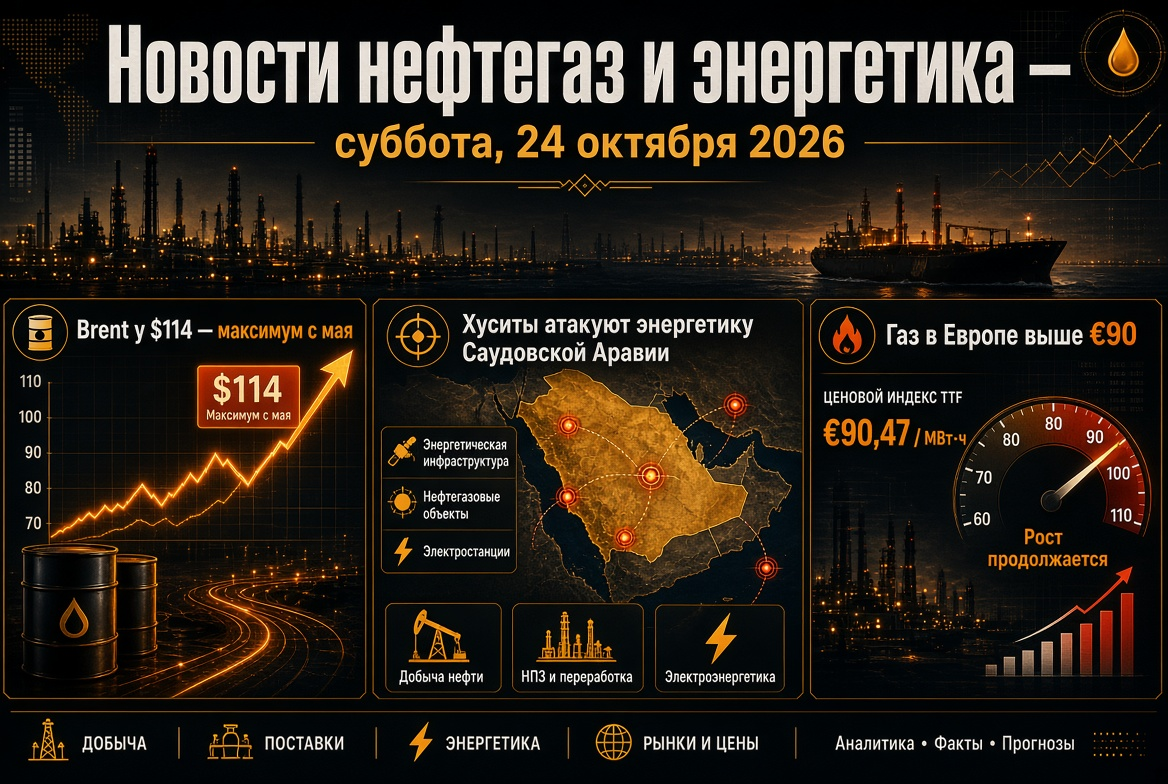
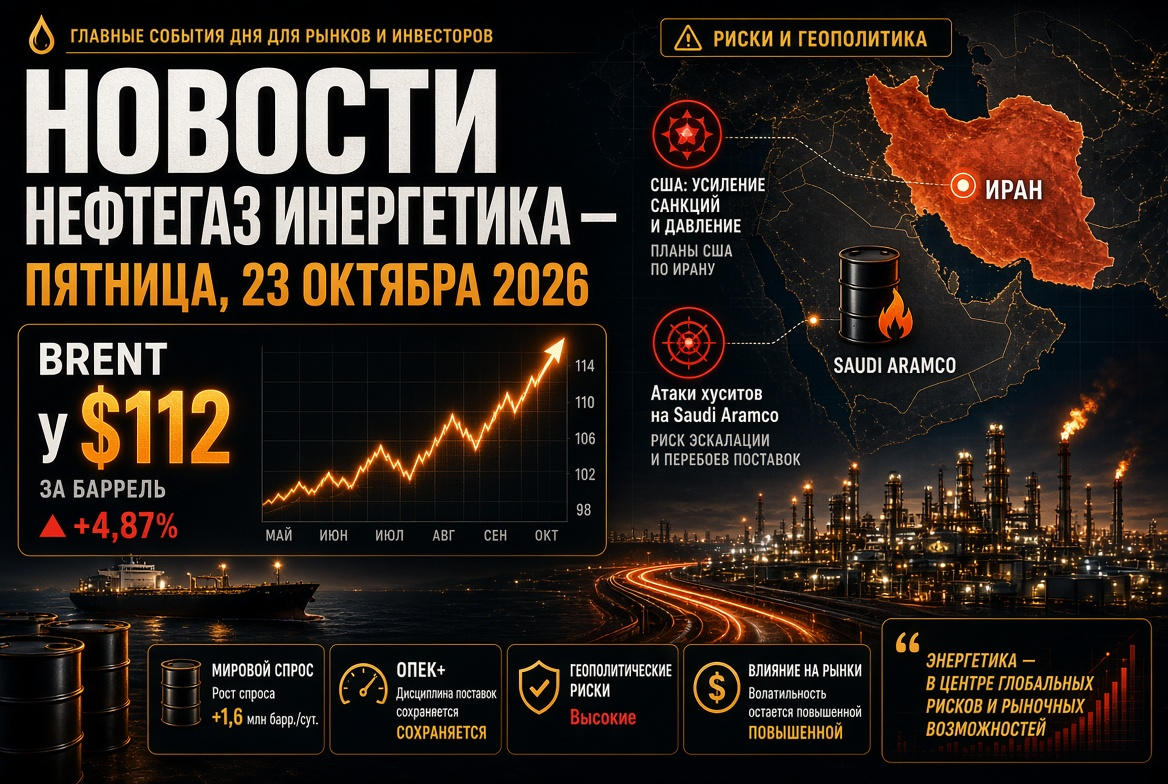
The global oil market begins a new week with sustained elevated nervousness. Brent and WTI remain sensitive to news from the Middle East, supplies through the Strait of Hormuz, and potential OPEC+ decisions. Even amid occasional hopes for diplomatic de-escalation, the oil market does not revert to its old pricing model: investors are incorporating not only demand-supply balances but also the risk of prolonged export flow disruptions into quotes.
Key factors influencing the oil market as of June 1, 2026, include:
- reduction of available supplies from the Middle East;
- increased shipping and insurance costs for tankers;
- restructuring of oil and petroleum product supply routes;
- expectations for OPEC+ decisions on July quotas;
- inflation concerns due to expensive fuel and logistics.
For oil companies, high oil prices support revenues but simultaneously elevate operational and political risks. The situation for refineries is more complex: margins may rise due to shortages of petroleum products, yet availability of raw materials, logistics, and financing costs emerge as critical constraints.
OPEC+: Symbolic Quotas vs. Physical Limitations
OPEC+ remains at the center of attention for fuel and energy market participants. The alliance is expected to discuss further increases in production targets, yet the current challenge lies not only in formal quotas. Even if member states announce increases in targeted production volumes, actual oil supply to the global market is dependent on the availability of export infrastructure, shipping routes, and buyers' capacity to accept raw materials under heightened risks.
It is essential for investors to separate two levels of analysis:
- paper supply — official quotas, statements, and production plans;
- physical supply — actual barrels that can be shipped, delivered, and processed.
Currently, the second metric is becoming paramount. If logistical constraints persist, OPEC+ quota increases may signal the market rather than lead to real supply increases. This sustains oil prices and raises interest in producers outside the immediate risk zone: the USA, Canada, Brazil, Norway, Guyana, and select African exporters.
Gas and LNG: Investments Shift Towards Supply Security
The gas market in 2026 emerges as a principal channel for energy investments. Amid the instability of oil routes and rising electricity demand, countries are doubling down on LNG, long-term contracts, and supplier diversification. For Europe, Asia, and emerging economies, gas remains a transitional resource that balances energy systems between coal, RES, and nuclear generation.
A notable demand surge for new LNG projects is observed in North America, Australia, the Middle East, and Asia. Buyers are eager to reduce dependence on single routes or suppliers. For energy companies, this translates into a new cycle of capital investment in gas extraction, liquefaction, regasification, tanker fleets, and storage facilities.
Key trends in the gas market include:
- increased investments in LNG infrastructure;
- the growing role of the USA and Canada as alternative suppliers;
- competition between Europe and Asia for flexible gas shipments;
- heightened interest in long-term contracts;
- gas maintaining its status as a key fuel for balancing electricity generation.
Petroleum Products and Refineries: Fuel Shortages Heighten the Importance of Processing
The petroleum products market is becoming just as crucial as the raw oil market. Supply constraints, shifting routes, and increasing demand for aviation fuel, diesel, and gasoline are bolstering refinery margins. For refineries, this creates a window of opportunity but also increases the pressure on logistics and inventories.
Special attention is drawn to aviation fuel. If tensions surrounding the Strait of Hormuz persist, the jet fuel market may face additional shortages, particularly in Europe and Asia. For airlines, this means rising costs, for refiners, an opportunity to achieve higher margins, and for investors, a reason to closely monitor integrated oil and gas companies with strong downstream segments.
In the petroleum products segment, key commodities remain:
- diesel fuel for industry, transport, and agriculture;
- gasoline during the summer driving season;
- aviation fuel due to restructuring of global logistics;
- fuel oil and bunker fuel for maritime transport;
- petrochemical feedstocks, including naphtha and LPG.
Electricity: Heat, Data Centers, and Industry Increase Load
The global electricity sector enters the summer season facing an increased load. In Asia, Europe, and the USA, electricity demand is being driven by heat, air conditioning, industry, transportation electrification, and data centers. For energy systems, this necessitates keeping gas and coal capacities on standby, even as the share of RES continues to grow.
A particularly significant structural factor is the rise in electricity consumption by data centers. Artificial intelligence, cloud computing, and digital infrastructure require stable, round-the-clock electricity. This shifts investment logic: gas generation, nuclear energy, energy storage, and long-term electricity supply contracts are increasingly considered alongside data centers.
For electricity investors, three indicators are crucial:
- availability of baseload generation;
- cost of network infrastructure;
- the energy system's capacity to withstand consumption peaks.
Coal: An Energy Security Resource Maintains Its Position
Despite the long-term energy transition, coal remains a crucial element of global energy. In Asia, coal generation continues to play a key role, particularly during periods of heat, gas shortages, or high LNG prices. China, India, Japan, South Korea, and Southeast Asian countries retain coal as a safeguard resource for energy system stability.
The current situation for the coal market is ambiguous. On one hand, long-term ESG requirements and climate policies limit the investment attractiveness of new coal projects. On the other hand, the physical need for reliable generation supports demand for thermal coal. During periods of gas and oil instability, coal re-emerges as a tool for protection against supply disruptions.
For fuel companies and participants in the energy market, this means that coal cannot be entirely excluded from short-term energy balance analysis. This is especially relevant in Asia, where electricity demand growth often outpaces the introduction of grids, storage, and new RES capacities.
RES and Storage: The Energy Transition Accelerates but Requires Networks
The RES sector continues to grow; however, the key challenge is not just the construction of solar and wind farms but the energy system's ability to accept and store produced electricity. In 2026, an increasing number of countries face situations where cheap solar generation exists, but the grid and storage are lagging behind its growth.
The most promising directions in RES and energy infrastructure include:
- solar generation in regions with high insolation;
- wind energy in Europe, China, and coastal areas;
- industrial battery systems;
- home batteries and distributed energy;
- digital demand management and grid flexibility.
For investors, RES becomes not just an ecological asset but a part of energy security. The higher the volatility in oil, gas, and coal, the greater the interest in local generation, storage systems, and grid modernization. However, the profitability of projects increasingly depends on tariff regulation, capital costs, and the speed of grid connection.
Investments in the Fuel and Energy Sector: Capital Flows Simultaneously into Gas, Networks, and Low-Carbon Technologies
Global investments in energy in 2026 reflect a new reality: the world is not choosing between traditional fuel and energy sectors and energy transition but is financing both directions simultaneously. On one hand, investments in gas, LNG, extraction, and supply infrastructure are rising. On the other, investments in networks, storage, RES, nuclear power, energy efficiency, and electrification are increasing.
For oil and gas companies, this necessitates a more flexible strategy. A simple bet solely on oil extraction becomes risky. More resilient appear companies that control multiple links in the chain: extraction, refining, trading, logistics, petrochemicals, gas, electricity, and low-carbon initiatives.
Investors will evaluate energy companies based on the following criteria:
- quality of reserves and extraction costs;
- access to export infrastructure;
- margin potential of refineries and petrochemicals;
- share of gas and LNG in the portfolio;
- projects in electricity, RES, and storage;
- resilience against sanctions, logistical disruptions, and price shocks.
Key Considerations for Investors and Fuel and Energy Market Participants as of June 1, 2026
Monday, June 1, 2026, opens a period of heightened uncertainty for the global fuel and energy sector. The primary risk lies in the continued tension surrounding key shipping routes and its influence on oil, gas, petroleum products, and electricity prices. The main opportunity arises from the increasing price premium for companies capable of providing the market with real fuel supplies, processing capabilities, and stable generation.
For investors, fuel companies, oil firms, and participants in the energy market, the key takeaways are as follows:
- oil remains an asset with a high geopolitical premium;
- gas and LNG are becoming the main focus of energy security;
- refineries benefit from petroleum product shortages but are dependent on raw material logistics;
- electricity has become a strategic sector due to data centers and heatwaves;
- coal maintains its role as a backup fuel in Asia;
- RES and storage receive additional momentum but require investments in networks;
- integrated energy companies with a diversified model may outperform the market.
In the coming days, the market will closely monitor OPEC+ statements, shipping dynamics, Brent and WTI prices, LNG supplies, petroleum product inventory levels, and electricity system loads. For the global audience, the main takeaway is that energy once again becomes a central theme in macroeconomics: oil, gas, electricity, RES, coal, petroleum products, and refineries directly influence inflation, industry, logistics, capital markets, and investment strategies.