Current News in Oil and Gas and Energy as of April 15, 2026: Oil Market, Gas, LNG, Refineries, Electricity, and Global Trends in the Energy Sector
The global energy sector is entering April 15, 2026, in a state of high volatility and simultaneously facing severe physical shortages in certain areas. For investors, oil companies, gas traders, refineries, the electricity sector, and participants in the commodities market, this means one thing: the primary question has shifted beyond just the levels of oil or gas prices. The focus now lies on the resilience of supply chains, the adaptability of refining capacities to disruptions, and how quickly the market can offset lost volumes through alternative routes, LNG, inventories, and increased production in other regions.
By the start of Wednesday, the global oil, gas, and petroleum products market operates under the logic of a risk premium. At the same time, electricity, renewable energy sources (RES), and coal once again become part of a unified narrative: the greater the uncertainty in oil and gas, the more crucial it is for countries to ensure the reliability of their energy systems, fuel availability, and generation diversification. Therefore, the energy sector agenda for April 15 looks globally significant rather than merely local.
Oil Market: Brent Remains Expensive but Volatile
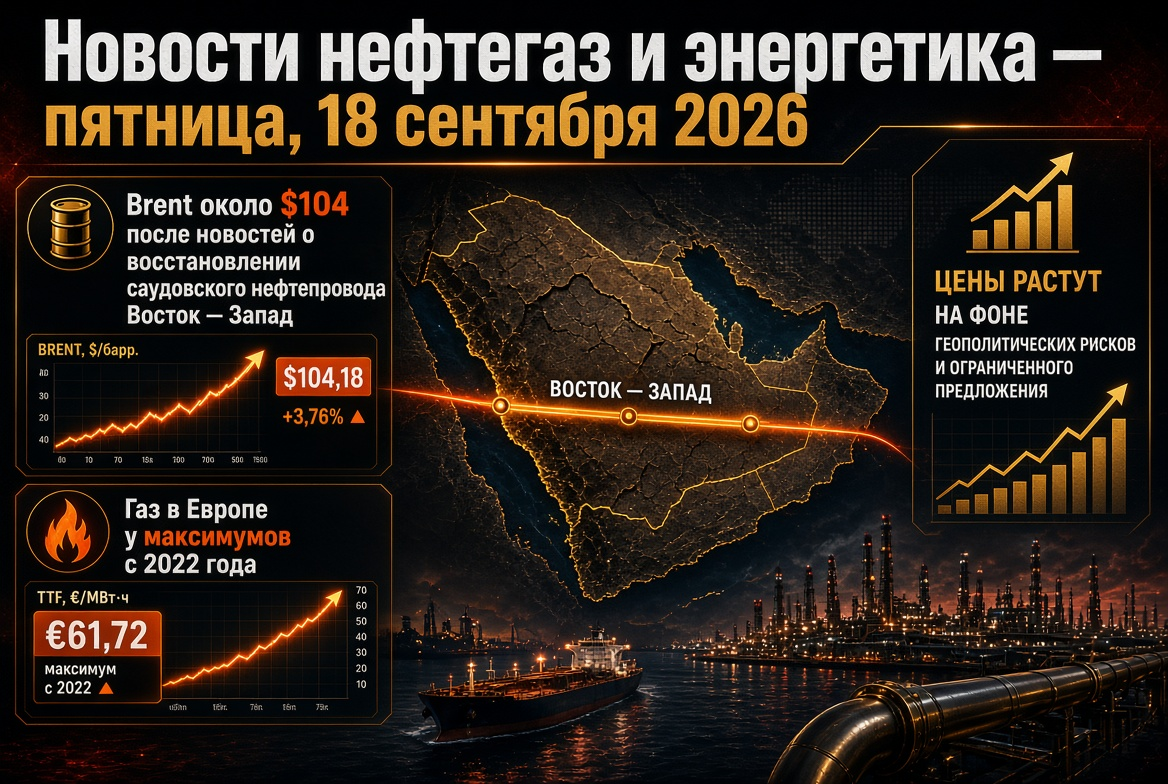
Oil prices maintain a heightened level after the sharp spike at the beginning of April. The market is trying to find a balance between two opposing forces: on one hand, physical deliveries remain disrupted, while on the other, part of the speculative premium is decreasing due to expectations of diplomatic negotiations. For the oil market, this signifies a shift from the classic narrative of oversupply to a story of risk management and the availability of barrels in the right location in the world.
Current Drivers of the Oil Market
- Reduction in global supply and transportation disruptions;
- Increase in logistics and insurance costs;
- Decreased flexibility in Asian and Middle Eastern supply chains;
- Heightened market sensitivity to any signals concerning the Strait of Hormuz route.
For investors, this implies that the Brent price currently reflects not only the fundamental balance of supply and demand but also the cost of geopolitical insurance. If a robust recovery of flows does not materialize in the coming days, the oil market could remain in a state of high risk premium for an extended period, even amid weakening global demand.
IEA and Physical Balance: The Market Has Become Tighter Than Previously Thought
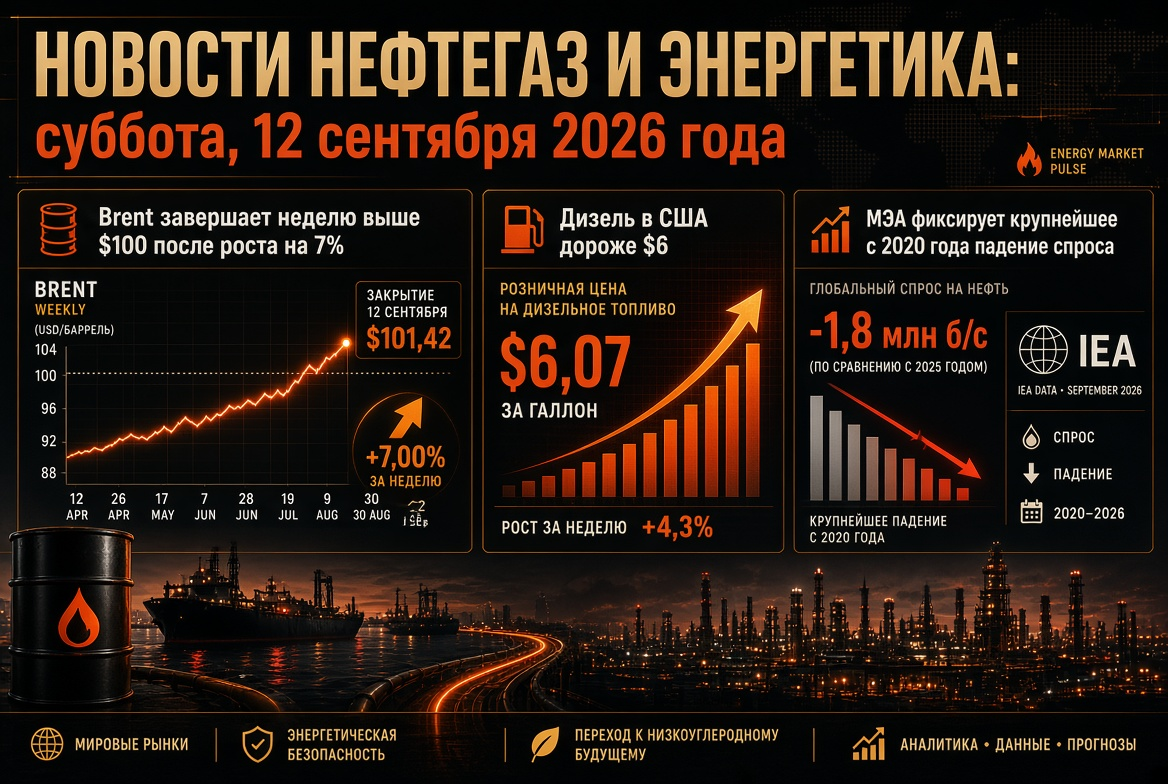
A key shift in April is that not only price expectations have deteriorated, but assessments of the balance have also worsened. The International Energy Agency (IEA) has revised its outlook for 2026: instead of a comfortable surplus, the oil market is becoming significantly tighter. This is important for the entire oil and gas sector as it alters the evaluation of downstream and refining, while also increasing the role of inventories, reserves, and alternative routes.
Essentially, the market now perceives three levels of risk:
- Short-term risk of crude oil supply shortages;
- Medium-term risk of reduced refinery utilization and rising oil product prices;
- Macroeconomic risk of demand destruction due to excessively high energy prices.
If this scenario persists until the end of April, the oil market will be assessed not as an oversupplied market but as one with limited liquidity in physical crude. For oil company stocks, this is usually positive at the upstream level, but it complicates matters for refining and consumers.
OPEC+ and Export Policy: Formal Quotas No Longer Guarantee Actual Volumes
The OPEC+ deal remains an important benchmark, but the impact of formal decisions has diminished in practice. Even if the alliance is prepared to discuss additional production increases on paper, the physical market is constrained by infrastructure, the security of maritime transport, and the speed of redirecting flows. This is fundamentally important for the global oil and gas sector: not every additional barrel announced at an OPEC+ meeting automatically becomes available to refineries in Asia or Europe.
Hence, the key takeaway for the energy market is that in 2026, investors must look not only at quotas but at the feasibility of deliveries. In the near term, this supports a premium for Brent, increases the value of stable exporters outside risk zones, and enhances demand for oil from the United States, the Atlantic Basin, and other alternative sources.
Gas and LNG: Europe Enters Injection Season with Reduced Stocks
The gas market remains the second major nerve in global energy. Europe is approaching the new injection season in underground gas storages (UGS) with significantly lower inventory levels than in previous years. This does not create an immediate supply crisis but sharply increases vulnerability to summer price spikes and competition for LNG from Asia.
Reasons for a Nervous Gas Market
- Stocks in the EU remain substantially below the average levels of recent years;
- The market is concerned about late and expensive injections ahead of winter;
- Some LNG flows are being redirected based on price signals;
- Any new disruption in global logistics immediately exerts pressure on the TTF and spot LNG markets.
For Europe, it is critical not just to purchase gas but to do so ahead of time, avoiding price spikes during peak summer demand. For energy companies, this underlines the high importance of hedging, contract discipline, and access control to regasification and storage facilities. For investors, it means maintaining a premium for infrastructure assets, LNG chains, and storage operators.
Petroleum Products and Refineries: Refining Now Shapes New Market Nervousness
While markets typically focus on crude oil at the onset of crises, petroleum products are increasingly in the spotlight. According to market estimates, refining is suffering from raw material constraints and forced adjustments in utilization rates. This is already reflected in margins for gasoline, diesel, and jet fuel. For refineries, traders, and fuel companies, this could be the most critical storyline of the current week.
The most sensitive segments are as follows:
- Diesel and middle distillates — rising premiums due to supply shortage risks and reduced refining;
- Jet fuel — heightened scrutiny of inventories and Europe’s import dependence;
- Gasoline — increased interregional arbitrage as Europe and the U.S. begin to secure Asia with supplies.
For the global petroleum product market, this means a return to longer logistics. When gasoline cargoes are directed to Asia from Europe and the U.S., it raises freight costs, extends tanker turnaround times, and makes local markets more sensitive to any new disruptions. For refineries with stable access to feedstocks, this creates a favorable margin environment. For importing countries, however, this poses a risk of accelerating fuel inflation.
China and Asia: Weak Demand Coupled with Limited Fuel Exports
The Asian bloc appears heterogeneous. On one hand, China maintains restrained domestic demand for certain petroleum products and gas. On the other hand, the region faces supply limitations and tightening export policies. This combination has made the Asian market a key driver of refining prices.
For energy sector participants, it is essential to monitor three Asian trends:
- Decrease in fuel export activity from several countries;
- Decline in flexibility of independent refineries due to expensive raw materials;
- Active redistribution of LNG and petroleum products within the region.
In this configuration, China plays a dual role: in oil and petroleum products, it appears more cautious, while in LNG it can partially release cargoes to the external market due to its own production and pipeline gas. For the global market, this indicates that Asia remains the main indicator of real shortages rather than just paper demand contracts.
Electricity and RES: The Energy System is Becoming Not Just Greener But Also More Strategic
Against the backdrop of turbulence in oil and gas, the electricity sector is once again taking center stage. The rise in electricity demand in major economies is supported by digital infrastructure, cooling, industry, and electrification. Simultaneously, renewable energy sources continue to rapidly expand their share in the global energy system, reducing dependency on hydrocarbon imports where the grid and backup capacities can accommodate such a transition.
For the global energy market, this entails:
- Solar and wind generation continue to expand capacity faster than traditional sources;
- Electricity is becoming a key channel for energy security;
- Without gas, grids, storage, and backup thermal generation, the energy transition remains vulnerable.
This is why, in 2026, RES and traditional energy cannot be analyzed separately. For investors, the strongest opportunities lie not just in "green" assets, but in a combination of generation, grid infrastructure, storage, balancing capacities, and digital load management.
Coal and Backup Generation: An Old Resource Gains Practical Significance Again
Coal remains a politically contentious but market-demand resource in countries where gas is expensive or limited. India is already demonstrating how quickly the energy system can reset towards prioritizing reliability: amid rising summer demand and gas price hikes, coal generation becomes a backup mechanism. This is an important signal for other developing markets.
In the short term, coal and backup thermal generation serve three functions:
- Mitigating the risk of outages during peak loads;
- Replacing part of the expensive gas generation;
- Allowing systems time to adapt to the increasing share of RES.
For the ESG agenda, this is an inconvenient but real fact: during periods of external shock, the energy market first chooses reliability and physical fuel availability.
What This Means for Investors and Energy Sector Participants on April 15
As of April 15, 2026, the global energy landscape remains in a state of high uncertainty, but the market logic is already clear. Oil and gas command a risk premium, petroleum products and refineries benefit from limited supply, Europe monitors UGS and LNG closely, Asia remains the primary price nerve, and electricity, RES, and coal increasingly are viewed as components of a single energy security system.
Key signals for the coming days:
- Dynamics of supply through Middle Eastern routes;
- New IEA and OPEC+ signals regarding physical oil balance;
- Gas injection rates in Europe and the state of the LNG market;
- Refinery margins for diesel, gasoline, and jet fuel;
- Reactions of the electricity sector and coal generation to rising fuel prices.
For the global energy sector, this is not just another wave of volatility. This is a phase where access to physical crude, flexible logistics, fuel diversification, and the ability to swiftly adjust the energy balance become valuable. These factors will determine market leaders in oil and gas, energy, RES, coal, petroleum products, and refining in the coming weeks.