Key Economic Events and Corporate Reports on April 15, 2026: Fed's Beige Book, EIA Oil Data, Empire State Index, and Reports from Major US and European Banks
Wednesday, April 15, 2026, promises to be one of the most eventful days of the week for global markets. For investors, this is not just another session filled with macroeconomic statistics and corporate reports but a crucial checkpoint for several market scenarios: the resilience of the US economy, the oil market's sensitivity to new inventory data, central banks' responses to inflation risks, and large firms' willingness to maintain growth amid high external uncertainty.
For investors from the CIS countries, this day is particularly significant for two reasons. First, the focus is on key economic events in the US and Europe that set the tone for global indices, bonds, the dollar, and commodity assets. Second, corporate reports from major publicly traded companies in the US and Europe shed light on how the banking, industrial, insurance, transport, and tech sectors are faring at the beginning of the second quarter.
The main intrigue of Wednesday lies in the interplay of three themes. The first is the US economy, where the market is awaiting the Empire State Manufacturing Index and the Beige Book as early signals of business activity and sentiment. The second is oil and inflation, as the EIA inventory statistics from the US could significantly impact Brent and WTI quotations, thereby affecting the entire energy sector. The third is corporate reports, with notable releases from Bank of America, Morgan Stanley, and ASML.
This is precisely why April 15, 2026, appears to be a day when economic events and corporate reports will work in tandem. Strong banking results may bolster risk appetite, but firmer signals regarding inflation, oil, or central bank comments could quickly shift the market back to a defensive mode.
Global Background: What Drives Market Sentiment
Ahead of the opening bell across major trading venues, investors will assess not only the day’s calendar but also the overarching global context. The market enters Wednesday following a period of heightened sensitivity to oil, interest rates, and geopolitics. This means that even seemingly routine data releases could trigger stronger reactions than usual.
- For equities, the balance between robust corporate earnings and the risk of economic slowdown is crucial.
- For bonds, the decisive question remains whether the market will begin to price in a tighter interest rate trajectory again.
- For commodity assets, the key factor remains oil dynamics and demand expectations.
In such an environment, investors are increasingly attentive not only to the mere facts of data releases but also to how these figures alter expectations regarding monetary policy, corporate margins, and prospects for global growth.
European Session: Focus on Industry and European Assets
During European trading hours, the industrial block of the eurozone will remain a key reference point for the market. Even if the initial response to production statistics began the day before, investors will finalize their assessments of the European economy's prospects for the second quarter on Wednesday. This is especially important for European equity markets, as weak industrial dynamics tend to pressure cyclical stocks, including metallurgy, machine engineering, and certain exporters.
For investors in European equities, Wednesday is also significant due to ASML's report. Against the backdrop of burgeoning interest in artificial intelligence and the semiconductor cycle, ASML remains a key player not only in Europe but across the global tech sector. If management confirms steady demand and maintains an optimistic tone for 2026, this may not only support the European tech segment but also enhance global risk appetite.
US Afternoon: Empire State and the Real State of Business Activity
At 15:30 MSK, investors will receive the Empire State Manufacturing Index for April. For the global market, this serves as one of the first indicators of manufacturing activity in the US this month, making it a valuable barometer of the American industrial landscape.
A strong reading would indicate that the manufacturing sector remains resilient despite high capital costs, commodity volatility, and external risks. Conversely, a weak index may intensify doubts about US economic growth and prompt a shift in investor interest towards defensive sectors.
For the market, not only the overall index matters, but also the hidden signals within the manufacturing block:
- Dynamics of new orders;
- Assessments of price pressure;
- Hiring and investment intentions of companies;
- Business expectations for the coming months.
Oil, Inflation, and Commodity Assets: Why the Day Matters for Energy
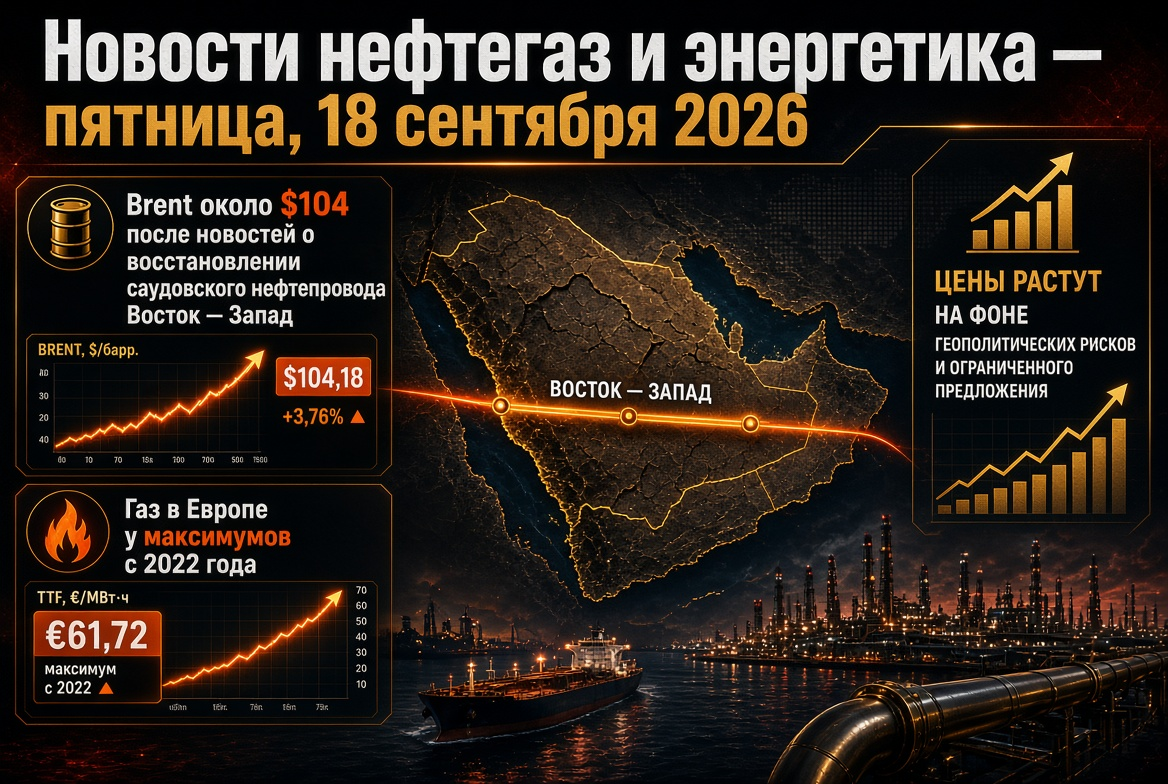
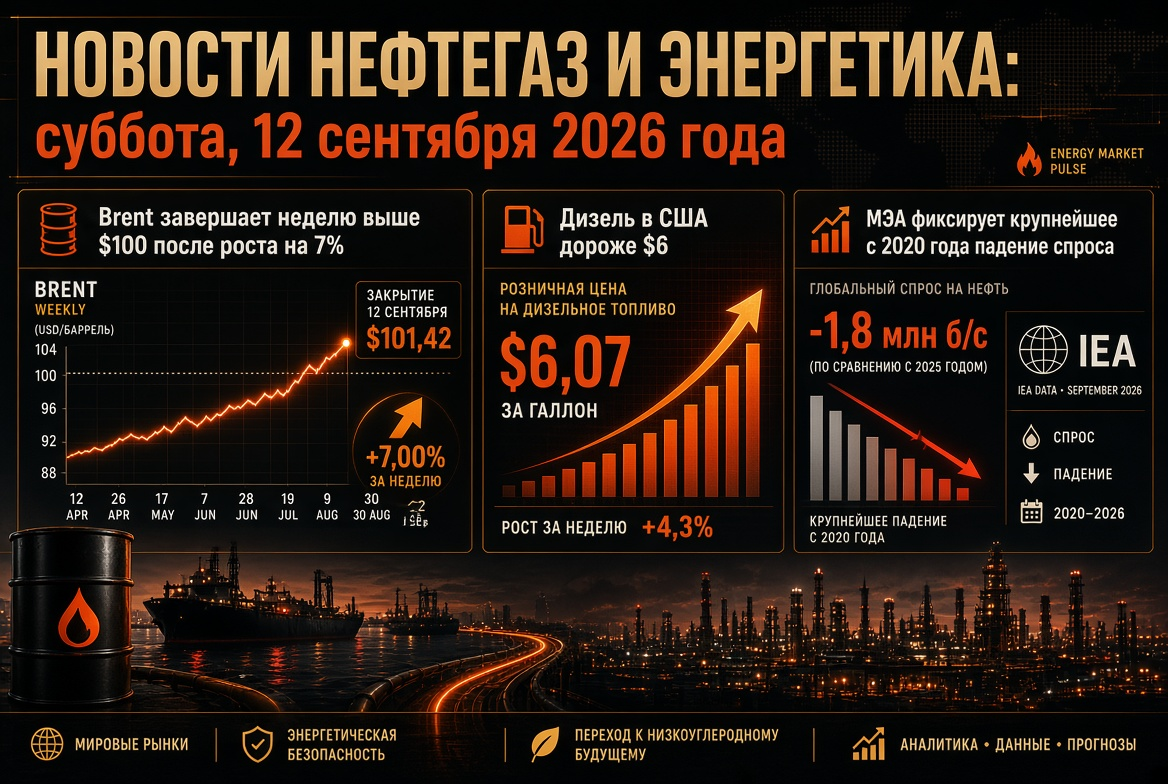
At 17:30 MSK, the EIA will release data on oil and petroleum products inventories in the US. For the oil market, this is one of the day’s main catalysts. Given that global energy prices remain sensitive to any signals regarding shortages or weakened demand, commercial inventory data could swiftly alter short-term expectation balances.
For investors in the energy sector, it is particularly important to monitor three areas:
- Changes in crude oil inventories;
- Dynamics of gasoline and distillate inventories;
- Refinery utilization levels and indirect signs of demand.
At 19:00 MSK, attention in the Russian market will shift to the weekly consumer inflation assessment. For the ruble, bond market, and stocks reliant on domestic demand, this indicator remains significant, as it helps gauge the speed at which price pressures are either easing or intensifying within the Russian economy.
Evening Central Bank Discussions: Bailey, Beige Book, and Lagarde
The evening segment of Wednesday is poised to be as crucial as the day. At 18:50 MSK, the market will hear comments from Bank of England Governor Andrew Bailey. For the pound, European bonds, and the rates environment in developed nations, such addresses are vital primarily from a rhetorical standpoint: how confidently central banks are prepared to discuss disinflation, and whether there’s room for softness.
At 21:00 MSK, the Fed’s Beige Book will be released — one of the most comprehensive qualitative surveys on the state of the US economy. This document is valuable because it reflects real feedback from businesses in the Fed's districts rather than model-based calculations. For investors, the Beige Book is crucial as a source of signals regarding consumption, employment, wages, prices, and investment activity.
Finally, at 22:30 MSK, the market will conclude the day with comments from Christine Lagarde. If the ECB's rhetoric is more hawkish, it could support the euro and raise yields in Europe. Conversely, if the focus shifts to growth risks and caution, the market might interpret this as a factor favoring a more dovish approach to rates in the coming months.
US Corporate Reports: Banks, Insurers, and Transport
The primary corporate block on Wednesday comes from the US. For the S&P 500, this day is crucial as investors will receive new indicators regarding the banking sector, insurance, and transport activities. Among the major confirmed releases are:
- Bank of America — a key indicator of lending conditions, consumer activity, and net interest income.
- Morgan Stanley — a critical test for investment banking, trading, and wealth management segments.
- M&T Bank and PNC — useful insights into regional banks and credit portfolio quality.
- First Horizon — an additional marker for the resilience of mid-tier banks.
- Progressive — an essential indicator for the insurance business and loss dynamics.
- J.B. Hunt — a leading market indicator for freight transportation, logistics, and business activity in the real economy.
If US banks report strong fee income, stable asset quality, and confident forecasts, it could bolster the entire financial sector. Conversely, if management adopts a more cautious tone regarding loan demand, provisioning, and margin risks, the market may quickly move towards a more restrained assessment of the earnings season.
Europe and Asia: ASML, Antofagasta, Barratt Redrow, and CATL
Outside the US, the corporate picture also appears substantive. In Europe, the standout name for the day remains ASML, but investors will also monitor other large issuers. Antofagasta is of interest to the market as a barometer of the copper cycle and demand for industrial metals. Barratt Redrow serves as an indicator of housing demand, mortgage financing availability, and the robustness of the British development sector.
In Asia, heightened attention may be directed at CATL, as any signals from the world's largest battery manufacturer are crucial for assessing demand for electric vehicles, the industrial battery supply chain, and the entire energy transition segment. For global investors, this is no longer just a localized story in China but part of a broader global investment theme related to industrial technology, raw materials, and electronics.
Russian Market: Focus Shifts to Macroeconomics and Oil
For the Russian market, Wednesday, April 15, 2026, appears more as a day for macroeconomic indicators and commodity benchmarks rather than a significant day for corporate earnings reports. Therefore, the primary focus for investors in Russia will be on three themes: weekly inflation, oil movement following the EIA data, and the general outlook for global rates and the dollar.
If oil remains stable, and inflation signals are not too aggressive, the Russian equity market may retain support in exporters and certain dividend stories. Conversely, if oil begins to correct and the inflation picture deteriorates, the prioritization will once again shift towards cautious tactics.
Key Considerations for Investors at Day's End
By the end of Wednesday, investors should evaluate not only the individual figures but also the overall picture. Key questions of the day include:
- Will US banks confirm profit resilience and asset quality;
- Will ASML maintain a confident signal regarding tech demand;
- Will EIA data indicate increased tension in the oil market or signs of stabilization;
- Will the Beige Book confirm that the US economy remains resilient without a new wave of inflationary pressure;
- Will comments from the Bank of England and ECB alter rate expectations in Europe?
For global markets, April 15, 2026, is a day when economic events and corporate reports will function as a unified test for risk resilience. For investors, the appropriate strategy here is not simply to react to a single headline but to evaluate the interplay: macroeconomics, oil, rates, and the quality of reports. This combination will ultimately determine how strong the market's momentum will be as the week draws to a close.