Current News in Oil, Gas, and Energy as of March 25, 2026, Including Oil, Gas, LNG, Electricity, Renewable Energy, Coal, Refineries, and Global Market Trends
The global fuel and energy complex enters a phase of heightened volatility as of March 25, 2026. The primary concern for investors, oil companies, fuel firms, and energy market participants remains the energy shock caused by supply disruptions in the Middle East. For the global oil market, this translates into an increase in geopolitical risk premiums; for the gas market, it intensifies tensions around LNG; for the electricity sector, it leads to increased sensitivity to fuel costs; and for the refinery and petroleum products segment, it results in expanded refining margins and more complex logistics. Against this backdrop, the energy sector is increasingly splitting into two parallel narratives: the short-term struggle for physical resource availability and the long-term competition for the sustainability of energy systems, where renewable energy sources, storage, and investments in grid infrastructure play an increasingly significant role.
Oil: The Market is Trading on Supply Risk Rather Than Comfortable Balance
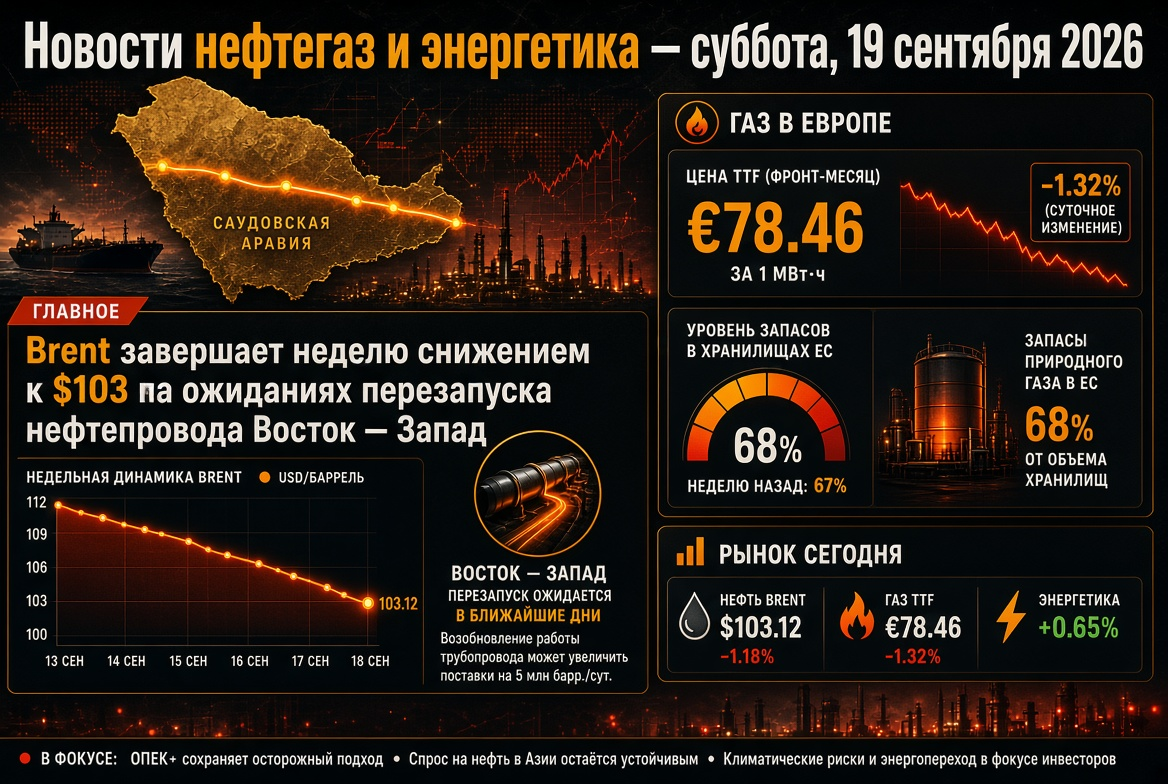
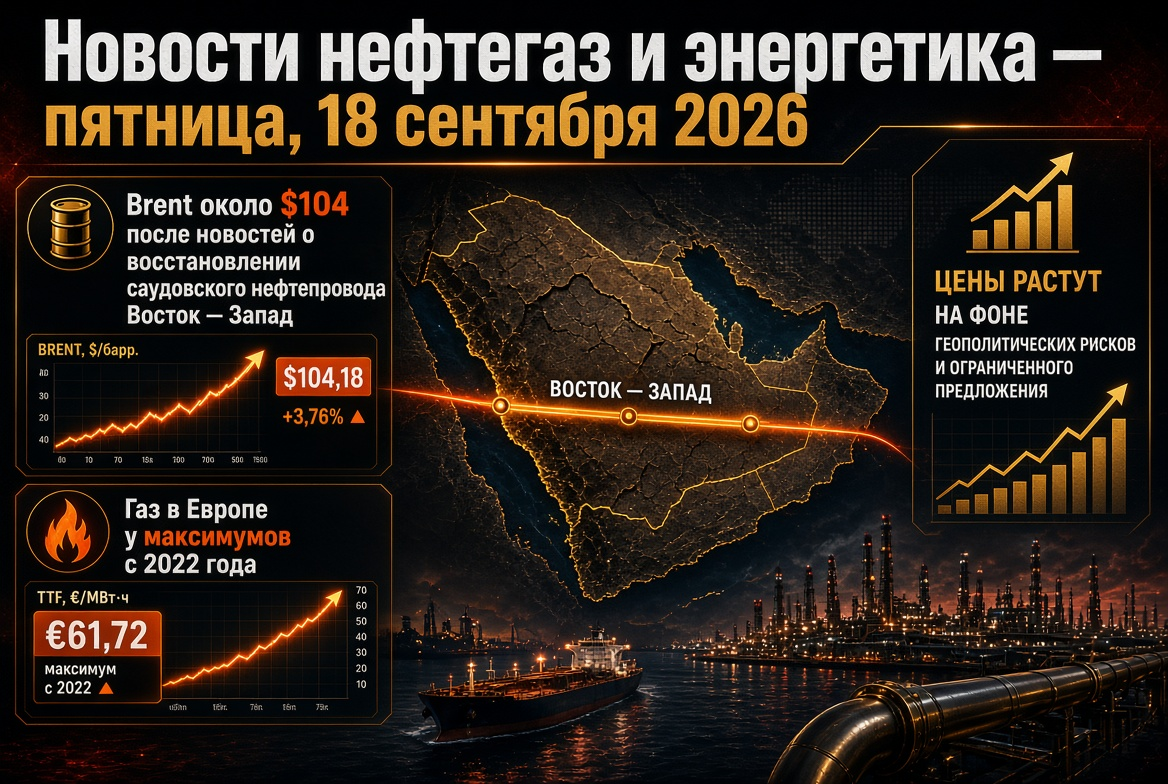
In the oil market, the focus remains less on the fundamental supply-demand balance and more on the likelihood of prolonged supply disruptions. This shift alters the entire pricing structure. Investors in oil, petroleum products, and shares of oil and gas companies are once again embedding a risk premium related to the transportation of crude and the operation of export infrastructure in the Persian Gulf region into their quotes.
- Brent has settled above a psychologically important level, which returns the market to a phase of nervous risk reassessment.
- The key question for oil companies and traders is not only the volume of missed supplies but also the duration of logistics disruption.
- Even a moderately timed crisis can sharply restrict the availability of export flows and change supply routes.
For the global oil and gas sector, this signifies a shift from a mild surplus scenario to one of forced adaptation. In such an environment, suppliers with shorter logistics, access to maritime infrastructure outside risk zones, and stable export discipline stand to gain. For oil companies, this also creates an opportunity window in upstream, but simultaneously raises political and operational risks.
OPEC+ and Supply: The Market Receives Additional Barrels, but Tension Remains
OPEC+’s strategy in early March implied a moderate increase in production; however, the current situation has revealed the limitations of this tool. Formally, the additional volumes are important as a signal to the market, but in the context of transportation constraints and high sensitivity to supply routes, even an increase in production does not guarantee a swift normalization.
- Additional barrels are helpful for stabilizing expectations.
- However, the actual availability of oil depends on logistics, insurance, freight, and the physical accessibility of export corridors.
- Therefore, the market assesses not only production but also the ability to swiftly deliver raw materials to refineries and end consumers.
For investors, this means that classic analysis of OPEC+ quotas in the coming days is less significant than an analysis of logistics, reserves, and export infrastructure. This is why the oil market remains highly sensitive even to small supply news.
Gas and LNG: Pressure is Greater than in Oil, and Europe Enters Injection Season Without Comfort Reserves
The gas market appears even more vulnerable. While oil can be partially redistributed among regions, the gas market, especially LNG, relies more heavily on the continuity of maritime supplies, terminal loadings, and contract flexibility. For Europe, this is particularly pressing, as the region approaches a new cycle of gas storage injections in a weaker starting position than one year ago.
- The European gas market remains dependent on LNG imports.
- Any supply disruptions from Qatar and through key maritime routes instantly reflect on TTF prices.
- The summer gas injection season now begins under conditions of more expensive gas and more complex competition for LNG cargoes.
For gas and electricity market participants, this means that volatility in Europe may persist even in the absence of physical shortages on specific days. The market has already become more expensive and jittery. For industry, this poses a risk of rising costs; for the utility sector, it raises the risk of political pressure; and for investors, it serves as an argument for a more cautious assessment of European energy and gas-intensive sectors.
Refineries and Petroleum Products: Refining Receives a Strong Boost Again, but Operational Risks Also Rise
For the refinery segment, the current week is shaping up to be one of the most significant in a long time. Rising raw material costs, supply disruptions of certain oil grades, and increasing demand for diesel, jet fuel, and other petroleum products are extending refining margins. This is positive for efficient processors, especially those with access to a flexible raw material basket and stable export channels.
However, the picture is not unequivocally positive. The higher the market tension, the greater the operational risks:
- It complicates the selection of raw materials according to refinery configurations;
- The costs of transportation and cargo insurance are rising;
- The risk of local export restrictions on petroleum products from individual countries is intensifying.
For petroleum products, this signifies a shift in the market towards a premium due to scarcity. For downstream investors, the focus must be not only on the level of margins but also on the company’s ability to swiftly adapt its logistics and ensure uninterrupted refinery operations.
Electricity: Expensive Gas Strengthens Coal's Role, but Renewable Energy and Storage Become Even More Important
The electricity sector is entering a new phase, wherein high gas prices are pushing systems toward more active use of coal, nuclear generation, renewable energy, and storage. In Asia, this is already leading to increased coal power plant utilization. In Europe and North America, the central question is broader: how to maintain energy system reliability without undermining the economics of the energy transition.
Rising electricity demand associated with digital infrastructure, industry, and electrification amplifies this trend. Energy is becoming not only a story about oil and gas but also a narrative about base load power, grid flexibility, and the ability to integrate renewable energy without compromising stability.
- Gas remains an important fuel for balancing energy systems.
- Coal is temporarily regaining some positions as a safety resource.
- Renewable energy and storage transition from being merely a symbolic direction to a category of energy security infrastructure.
For electricity companies, this means an increase in capital intensity. For investors, it necessitates assessing not only the cost of generation but also access to grids, storage, backup capacities, and long-term contracts for energy supply.
Coal: The Market Regains Momentum as a Hedge Against Expensive Gas
Amid expensive LNG and unstable gas flows, coal is once again strengthening its position in the energy balance of several countries. This is not about a strategic pivot in the global energy transition, but in the short term, coal is becoming a safety fuel for electricity, especially in Asia. This supports demand for quality energy coal and improves the pricing environment for certain exporters.
For energy market participants, two conclusions are vital here. Firstly, coal remains a factor of energy security, despite climate pressures. Secondly, high gas prices automatically enhance coal's competitiveness in countries where uninterrupted electricity supply is paramount.
What This Means for Investors and Energy Companies as of March 25
The current market requires investors and energy market participants to adopt a different decision-making logic. Abstract long-term scenarios take a back seat to concrete parameters of business resilience to supply shocks.
- In oil, the focus is on export logistics, political risks, and access to backup routes.
- In gas, it’s about contractual flexibility, access to LNG, and readiness for an expensive summer injection season.
- In the electricity sector, it’s about managing fuel structure, grids, and reserve power.
- In refineries and petroleum products, it’s about raw material basket flexibility and downstream chain resilience.
- In renewable energy, it’s not just about installation rates but also the ability to address reliability issues through storage and grid modernization.
This combination of factors will determine the leaders and laggards in the energy market in the coming weeks.
The Global Energy Sector Enters a Phase of Expensive Security and New Asset Reassessment
As of March 25, 2026, the global markets for oil, gas, electricity, renewable energy, coal, petroleum products, and refineries are forming a new pricing architecture. This is built around expensive energy security. Oil and gas are once again receiving geopolitical premiums; LNG is becoming a key scarce resource; refineries benefit from rising margins; coal is temporarily strengthening its position; and electricity sector is accelerating investments in resilience systems. For the global energy sector, this is not just a temporary noise but a signal that the cost of reliability is again becoming a central market variable.
For investors, oil companies, fuel firms, and all energy market participants, the coming days will be defined by one question: who can not only survive the energy shock but turn it into a strategic advantage.