Overview of Economic Events and Corporate Reports for March 21, 2026: Speech by the Fed Chair, Reports from Chinese Companies, Impact of Inflation and Rates on Global Markets and Investment Strategies
The main feature of the day is a very limited macroeconomic calendar and selective corporate reporting. Focus remains on:
- the implications of decisions made by major central banks earlier in the week;
- evaluation of inflation risks against the backdrop of high energy prices;
- the speech of the Chair of the Federal Reserve as a potential factor for currencies, bonds, and indices;
- individual annual reports from companies in Asia and Europe;
- market preparations for the new week for the S&P 500, Euro Stoxx 50, Nikkei 225, and Russian assets.
Global Macroeconomic Environment: Markets Post-Central Bank Decision Week
As of March 21, the global environment is influenced by several themes. Firstly, the Federal Reserve has maintained a cautious tone, indicating that inflation risks are becoming more prominent than previous expectations for a swift easing of policy. Secondly, the European Central Bank and the Bank of Japan are also acting cautiously, not wanting to overlook the new energy-driven inflation impulse. As a result, the global market enters Saturday with tighter rate expectations than at the beginning of March.
For investors, this means that even with a modest calendar, any public statement from regulators could serve as a catalyst for re-evaluating the cost of money, the dollar exchange rate, bond yields, and growth stock valuations. The technology sector in the U.S., European cyclical companies, commodity exporters, and Japanese stocks remain particularly sensitive to such signals.
Economic Events of the Day: What to Watch on March 21
From the perspective of the formal macro calendar, Saturday remains calm. The day does not offer a large array of standard statistics on inflation, the labor market, or business activity. However, there is one important benchmark for the market.
Speech by the Chair of the U.S. Federal Reserve
The key event of Saturday is the speech by the Chair of the Federal Reserve. Following the last FOMC meeting, the market will be looking for answers to three questions:
- How sustainable does the regulator consider the new wave of inflationary pressure;
- Is the Fed prepared to maintain high rates for an extended period;
- How might expensive energy and external geopolitical shocks alter the baseline economic scenario for the U.S.?
This is especially important for the S&P 500, as the American market remains sensitive to changes in the discounting of future profits. The more hawkish the Fed's rhetoric, the greater the pressure on growth stocks, consumer companies, and sectors with high debt loads. For the currency market, the Fed Chair's comments could also support the dollar if the tone of the speech appears more cautious and less favorable for an imminent rate cut.
Commodities, Inflation, and Global Indices
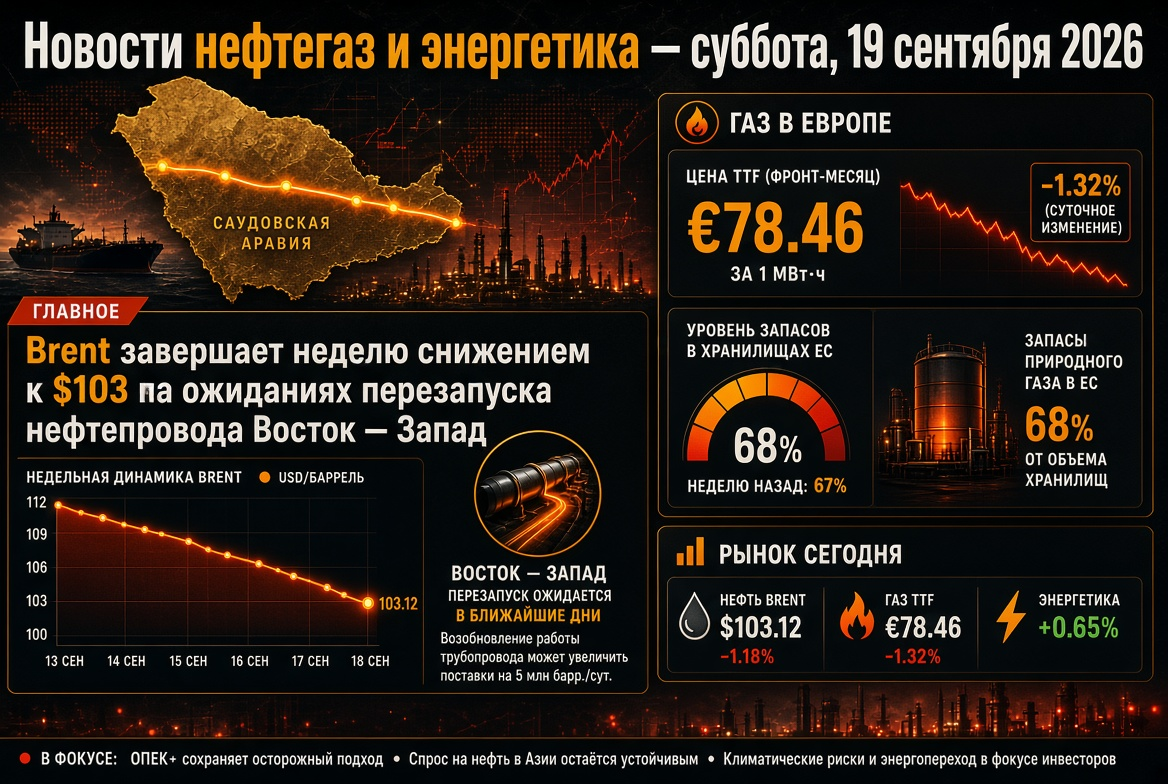
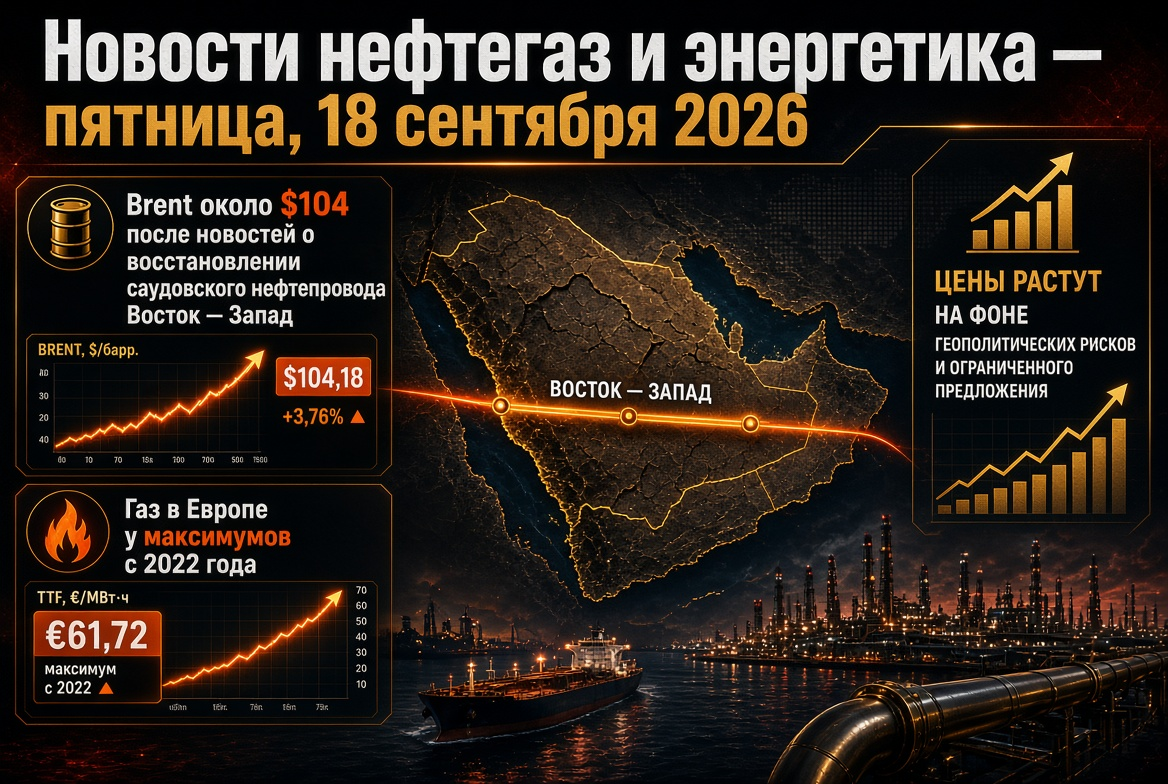
An additional layer of risk for the global environment is created by high oil and fuel prices. This supports energy sector stocks but simultaneously worsens prospects for consumer demand, transport companies, industry, and central banks. For the Euro Stoxx 50 and Nikkei 225, this factor is particularly sensitive, as rising energy costs quickly translate into imported inflation, business margins, and rate expectations.
For the Russian market, this topic is also significant but in a different logic: expensive energy supports interest in the export narrative and the oil and gas segment. However, on Saturday, the main focus shifts not to current trading but to preparation for the next week, as the market assesses how sustainable the new commodity impulse will be.
Corporate Reports: U.S. Market
The American market does not offer investors a dense schedule of major quarterly publications on Saturday, March 21. The main bulk of corporate releases in the U.S. traditionally falls on weekdays; therefore, on the weekend, investors are more likely to digest already published results and adjust expectations ahead of the next wave of reports. This means that for the S&P 500, on Saturday, the priority shifts from the fact of report publication to the interpretation of already received signals regarding revenue, margins, and management forecasts.
Corporate Reports: Europe
In Europe, the day also appears selective rather than mass-oriented. Among notable names are individual companies publishing annual results, which is important for institutional investors evaluating sectoral capital distribution in the Euro Stoxx 50 and related European segments.
Notable corporate publications for the weekend include:
- Financière de Tubize S.A. — annual report;
- some European investors continue to analyze fresh results from companies in industrial and energy sectors released at the end of the week.
For the European market, not only is the mere fact of the report important; management commentary on demand, financing costs, cost inflation, and demand sustainability in 2026 is also crucial.
Corporate Reports: Asia
Asia accounts for the main corporate agenda on Saturday. Among the most notable reports are those from major Chinese issuers that could influence perceptions of the banking, commodity, and dividend segments.
Key Asian Companies in Focus
- Ping An Bank Co., Ltd. — annual report for 2025;
- China Shenhua Energy — annual report for 2025.
For investors, these publications are important for several reasons. The Chinese banking sector remains an indicator of the quality of the credit cycle, business activity, and internal demand conditions. Meanwhile, China Shenhua Energy is significant as a proxy for the Chinese energy complex, coal demand, and the cash flow stability of major commodity companies. This is particularly meaningful against the backdrop of high volatility in the global commodity market and the reassessment of energy security in Asia.
Corporate Reports: Russia and the MOEX Market
The Russian segment on Saturday appears restrained. As of March 21, there does not appear to be a busy calendar of significant public reports from Russian companies, comparable to the activity during the weekdays. For investors in Russian stocks, the focus shifts to the overall external background: oil, the dollar, geopolitics, central bank signals, and expectations for the upcoming trading week.
Practically, this means the following:
- for MOEX stocks and the broad market, the external risk appetite is more important than the local flow of reports;
- oil and gas stocks remain sensitive to commodity price movements;
- the banking and consumer sectors maintain sensitivity to rates and inflation;
- investors should monitor how the global backdrop will be reacted to by the Russian market at the next opening.
What This Means for CIS Investors
Saturday, March 21, 2026, is not overloaded with events, but such days are often useful for a strategic reevaluation of positions. Investors should use the day to analyze not the quantity of news, but their quality.
What to Watch for Investors at Day’s End
- The rhetoric of the Fed and its impact on rate expectations in the U.S.
- The sustainability of oil prices and the potential translation of this factor into inflation.
- Signals from Asian earnings reports, primarily from China.
- The readiness of the S&P 500, Euro Stoxx 50, and Nikkei 225 to continue moving in a higher interest rate environment.
- The reaction of Russian investors to the opening of the next week through the lens of oil, currency, and global risk appetite.
The conclusion of the day for investors is as follows: Saturday does not provide a large number of releases, but it enhances the importance of interpreting already obtained information. Focus remains on interest rates, inflation, energy, and rare but significant corporate reports. For the global environment, this is a day not for trading on news but a day for preparing for the next market impulse.