Economic Events and Corporate Reports for Sunday, 7 June 2026: OPEC+ Meeting, Japanese Macro Statistics, China’s Foreign Exchange Reserves, Expectations for the Fed, Oil and Global Equity Indices
Sunday, 7 June 2026, marks a day of preparation for global markets ahead of the new trading week. With public holidays in the United States, Europe, Japan and Russia, the volume of corporate releases is limited, but the economic calendar remains important for investors. The focus is on the OPEC+ and non-OPEC meeting, a block of Japanese macro data, China’s foreign exchange reserves figures, and the market’s reaction to a strong US jobs report that has reinforced expectations of a more hawkish Federal Reserve.
For investors from the CIS, this day is significant not as a full trading session, but as a moment for re-evaluating risks before the Asian open and the subsequent start of trading in Europe and the United States. Interest rates, the US dollar, Treasury yields, oil, commodity currencies, technology stocks, the S&P 500, Euro Stoxx 50, Nikkei 225 and the Russian MOEX index remain in focus.
Macroeconomic Calendar for Sunday, 7 June 2026
The economic events on 7 June are unevenly distributed: most developed markets are closed, but the calendar contains important releases that could influence the Monday open.
- Japan: Final Q1 2026 GDP estimate, current account balance, bank lending, capital expenditure, external demand, GDP deflator and private consumption.
- China: Foreign exchange reserves for May, a key indicator of renminbi stability and the state of the external balance.
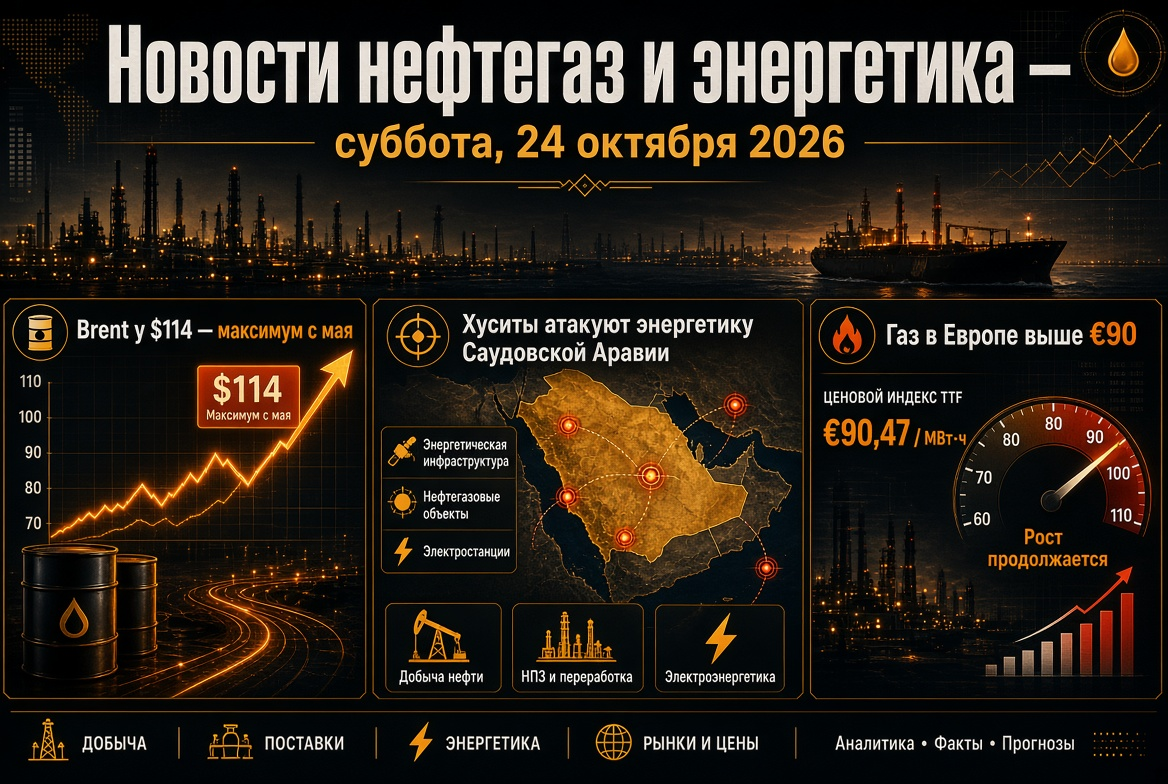
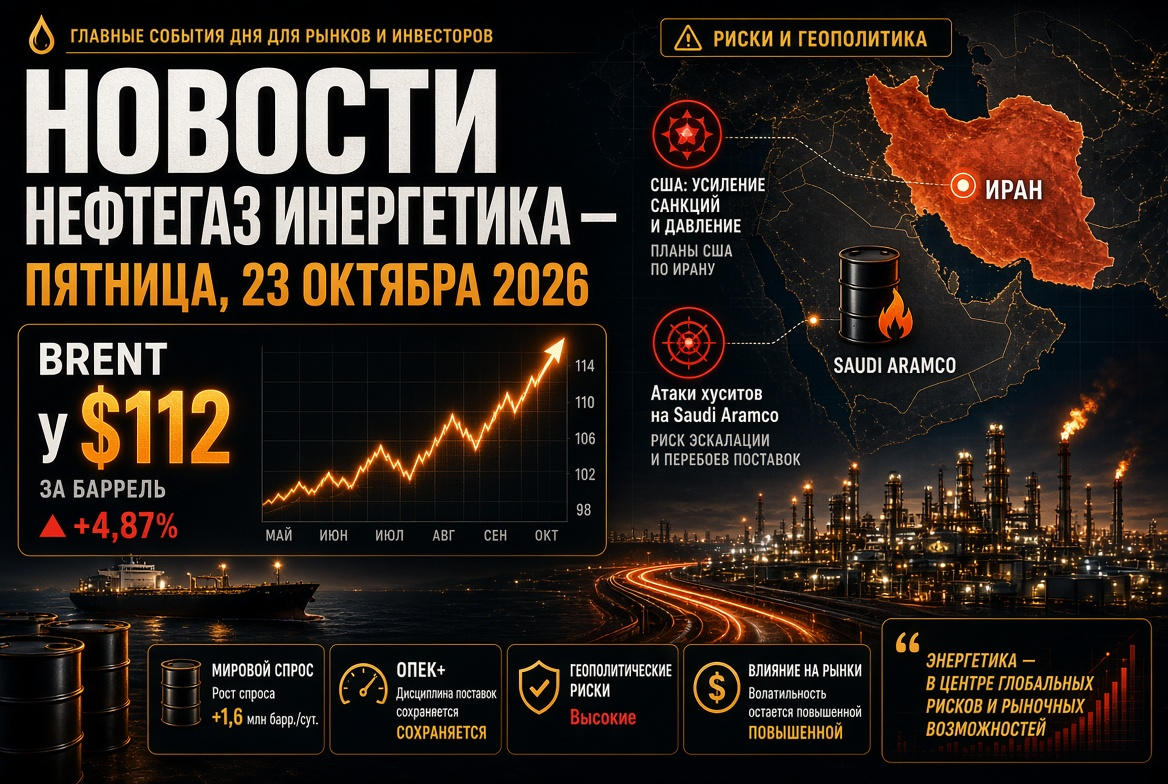
- OPEC+: Meeting of OPEC and non-OPEC oil producers, a key event for the oil market, inflation expectations and energy sector equities.
- United States: No major direct macro releases on Sunday, but the market continues to assess the implications of the May employment report.
- Europe: No significant Sunday releases for the Euro Stoxx 50, but investors are preparing for German industrial data and debt auctions in the new week.
- Russia: Sunday is a non-trading day for the MOEX, so the focus shifts to oil, the rouble, rate expectations and corporate events in the coming week.
United States: Strong Labour Market Reshapes Fed Expectations
The main external backdrop for Sunday is global markets’ reaction to the latest US employment data. The May report showed the US economy remains resilient: job growth exceeded expectations and unemployment held steady. For investors, this means not only strong consumer demand but also the risk that the Federal Reserve will be more cautious about any easing of monetary policy.
In practical terms, this increases pressure on growth stocks, companies with high valuations and the technology sector. If Treasury yields continue to rise, the S&P 500 and Nasdaq could face elevated volatility. The most sensitive areas remain semiconductors, artificial intelligence, cloud infrastructure, fintech and companies whose valuations depend on long-term cash flows.
OPEC+ and the Oil Market: Key Driver for Inflation and Commodities
The OPEC+ meeting on 7 June is the main event of the day for commodity markets. Investors will assess signals on production, member discipline, compensatory plans for countries previously exceeding quotas, and the overall assessment of oil demand in the second half of 2026.
Three scenarios are important for markets:
- Maintaining a cautious production policy. This scenario would support Brent and oil-and-gas companies’ shares, but could amplify inflation risks.
- A signal for a gradual increase in supply. This could limit oil price gains and reduce pressure on energy importers.
- Tough rhetoric on quota compliance. This scenario would reinforce expectations of a supply deficit and support the energy sector.
For CIS investors, the OPEC+ meeting is especially important because of the direct link between oil, commodity-exporters’ currencies, oil-and-gas company revenues, budget expectations and the MOEX index’s dynamics.
Japan: GDP, Current Account and Signal for the Nikkei 225
The block of Japanese data released at the junction of Sunday and Monday will be important for assessing the state of Asia’s third-largest economy. The final Q1 GDP estimate will show how resilient domestic demand remains, while data on private consumption and capital expenditure will help determine if there is a base for further corporate profit growth.
Key factors for the Nikkei 225 will be:
- the trend in Japanese companies’ capital expenditure;
- the role of external demand in the GDP structure;
- the state of bank lending;
- the yen’s reaction to the macro data;
- expectations regarding the Bank of Japan’s next moves.
If the data confirms the resilience of investment and external demand, this could support Japanese exporters, industrial companies, automakers, electronics manufacturers and banks.
China: Foreign Exchange Reserves and Renminbi Stability
China’s foreign exchange reserves data for May is important for assessing the stability of the renminbi, the external trade balance and the authorities’ ability to smooth currency volatility. For global investors, it is also an indicator of capital flows in Asia.
If foreign exchange reserves remain stable, it eases concerns about pressure on the renminbi and supports interest in Asian assets. A weak dynamic, by contrast, could increase demand for the US dollar and defensive instruments. For commodity markets, Chinese statistics matter through expectations of industrial demand for oil, metals, gas and chemical products.
Europe: Euro Stoxx 50 Awaits New Week Data
In Europe, Sunday brings no major corporate reports for Euro Stoxx 50 companies, but investors will be preparing for German data releases, debt auctions and further assessment of inflationary pressure. The European market enters the new week with high dependence on external factors: Fed rates, the euro/dollar exchange rate, oil prices and Chinese demand.
Three blocks matter for the Euro Stoxx 50: the financial sector, industrial exporters and energy. Banks benefit from higher rates but suffer when credit quality deteriorates. Industrial companies are sensitive to China and the exchange rate. Energy companies react to OPEC+ decisions and Brent dynamics.
Corporate Reports: No Major Releases on Sunday; Focus on Monday
There are no significant reports from major public companies in the S&P 500, Euro Stoxx 50, Nikkei 225 or MOEX scheduled for Sunday itself, 7 June 2026. This is standard for a weekend day: most issuers publish financial results before the open or after the close of trading sessions on weekdays.
The next important block of corporate reporting begins on Monday, 8 June. Investor focus will be on:
- Nidec — a Japanese industrial and technology company. Key items: orders, margins, demand for electric motors, auto components and industrial automation.
- Campbell Soup — an American food producer. Investors will look at consumer demand, pricing policy, margins and revenue guidance.
- Vail Resorts — a resort infrastructure operator. In focus: seasonal revenue, expenses, occupancy rates and consumer spending in the leisure segment.
Later in the week, investors will also assess reports from technology and consumer companies, including major releases capable of affecting the software, cloud services, consumer goods and real estate sectors.
Russia and MOEX: Oil, Rouble and Rate Expectations
For the Russian market, 7 June is a day for analysing the external backdrop. With no trading on the MOEX, oil, the rouble’s exchange rate, OFZ yields, monetary policy expectations and corporate news for the upcoming week take centre stage.
If OPEC+ decisions support oil prices, this could improve sentiment in the oil-and-gas sector and among exporters. However, for the broad MOEX market, not only commodity prices matter but also the domestic rate, dividend expectations, liquidity dynamics and investor appetite for risk assets.
The most sensitive sectors of the Russian market are:
- oil-and-gas companies;
- metals and mining exporters;
- banks and financial groups;
- retail and the consumer sector;
- electricity and infrastructure issuers.
What the Day Means for Global Investors
Sunday, 7 June is a day not so much for publishing a large volume of data as for strategic preparation. Investors will weigh the strong US labour market, expectations for the Fed, the OPEC+ meeting, Asian macro data and the start of a new reporting week.
Key portfolio takeaways:
- Rates remain the main factor in equity valuations. The higher bond yields go, the greater the pressure on growth companies and the technology sector.
- Oil is once again a macro indicator. OPEC+ decisions affect not only energy equities but also inflation expectations.
- Asia will set the tone for the start of the week. Japan and China will provide the first signals on demand, currencies and industrial activity.
- Corporate reporting will be targeted. Monday’s releases are not overloaded, but individual companies could offer important signals on consumers and industry.
- For the MOEX, the oil-rouble-rate link matters. The Russian market will continue to depend on the external commodity backdrop and domestic monetary policy expectations.
Day in Summary: What Investors Should Watch
On 7 June 2026, an investor should focus on five areas. First, the decisions and rhetoric from OPEC+, as they will determine the short-term balance in the oil market and sentiment in the energy sector. Second, Japanese GDP, consumption and investment data, important for the Nikkei 225 and Asian exporters. Third, China’s foreign exchange reserves, which will signal the renminbi’s stability and capital flows. Fourth, global markets’ reaction to the strong US jobs report and the possible persistence of a hawkish Fed stance. Fifth, preparation for the new week’s corporate reporting, including Nidec, Campbell Soup and Vail Resorts.
The main investment idea for the day is not to rush into aggressively increasing risk before the new week opens. The priority remains protecting the portfolio from interest-rate and commodity volatility, controlling the technology equity weighting, paying close attention to the oil-and-gas sector and assessing corporate reports through the lens of margins, debt loads and management guidance.