Current Cryptocurrency News for Monday, February 9, 2026: Bitcoin and Ethereum Dynamics, Key Market Events, Overview of the Top 10 Most Popular Cryptocurrencies, and Global Trends for Investors.
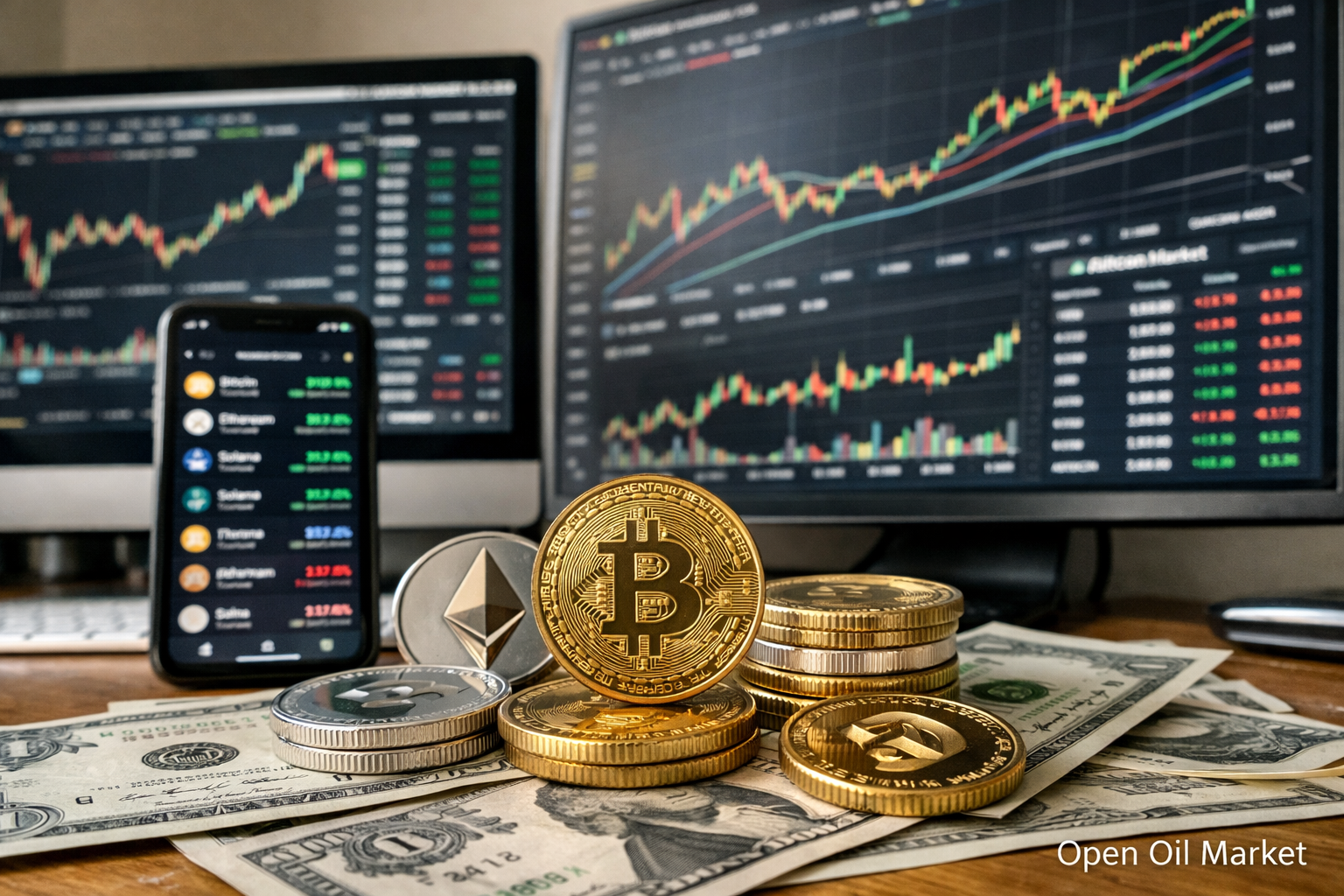
As of the morning of February 9, 2026, signs of stabilization are evident in the cryptocurrency market following a recent correction. The total market capitalization is holding around $2.6 trillion, bouncing slightly from the levels recorded at the end of last week, but still noticeably lower than the peak value of approximately $3 trillion observed earlier this year. Bitcoin, which experienced a sharp decline after a historical high in January, is currently trading in the mid-range of $70,000, testing support above the critical mark of $70,000. Ethereum is hovering around $2,100, gradually stabilizing along with the overall market trend.
Major institutional investors continue to show interest in digital assets, with ongoing activity surrounding exchange-traded cryptocurrency funds (ETFs) and traditional banks' initiatives to enter the crypto market. However, regulatory uncertainty, particularly in the United States, is still tempering excessive optimism. Overall, at the beginning of the week, market sentiment is cautiously optimistic: participants are closely monitoring macroeconomic signals and industry events, noting the increased maturity of the industry and global interest in cryptocurrencies.
Market Overview
In recent days, the cryptocurrency market has been demonstrating relative stability after a period of high volatility. Most leading digital assets are consolidating around current levels: the sharp decline at the end of January has transitioned into a phase of sideways movement. Bitcoin's dominance remains high (over 50% of total market capitalization), as, amidst uncertainty, capital is shifting from riskier altcoins to the primary asset. Trading activity has slightly decreased compared to peak values during the correction, but volumes on spot and derivatives platforms still exceed average levels from last year. The volatility of key cryptocurrencies has also decreased relative to January highs, although it remains higher than in the calm periods of 2025. External macroeconomic factors continue to influence sentiment: the strengthening of the US dollar and fluctuations in global stock markets are affecting investors' risk appetite. As monetary policy uncertainties begin to clarify, these influences may weaken, improving the overall outlook for crypto assets.
Top 10 Cryptocurrencies Today
- Bitcoin (BTC) – the leading cryptocurrency, priced around ~$75,000 (market capitalization approximately $1.7 trillion). Bitcoin maintains its status as "digital gold" and accounts for over 50% of the total market capitalization, remaining the primary indicator of sentiment in the crypto market.
- Ethereum (ETH) – the second-largest crypto asset by market capitalization, trading around ~$2,100 (market cap ~ $250 billion). The underlying platform for decentralized finance (DeFi) and NFTs, Ethereum supports numerous applications and smart contracts.
- Tether (USDT) – the largest stablecoin, priced ~$1.00 (capitalization around $185 billion). USDT is pegged to the US dollar at a 1:1 ratio and is widely used by traders for holding funds and transactions, providing liquidity to the market.
- Binance Coin (BNB) – the native token of the largest cryptocurrency exchange Binance, priced ~$750 (capitalization ~$100 billion). BNB is used within the Binance ecosystem (transaction fee payment, DeFi services) and remains in the top 5 despite regulatory risks surrounding the exchange.
- Ripple (XRP) – the token of Ripple Inc., trading around ~$1.6 (capitalization ~ $100 billion). XRP is utilized for cross-border payments; after legal victories in the US, it has regained its place among market leaders.
- USD Coin (USDC) – the second most popular stablecoin from Circle, priced ~$1.00 (capitalization ~ $70 billion). USDC is also pegged to the dollar and is sought after for trading and hedging, offering high transparency in reserves.
- Solana (SOL) – a high-performance blockchain for smart contracts, priced around ~$100 (capitalization ~ $60 billion). SOL has significantly increased over the past year, reflecting a return of trust in the Solana ecosystem and the active development of DeFi applications based on it.
- TRON (TRX) – a blockchain platform focused on entertainment content and issuing stablecoins, priced ~$0.29 (capitalization ~ $27 billion). TRON has gained widespread adoption in Asia and continues to ramp up transaction volumes, particularly due to stablecoin usage within its network.
- Dogecoin (DOGE) – the most recognized meme cryptocurrency, priced ~$0.10 (capitalization ~ $18 billion). DOGE is supported by an enthusiastic community and occasionally attracts the attention of major investors, though it is traded significantly below its historical peaks.
- Cardano (ADA) – a smart contract platform that employs a scientific approach to development, priced ~$0.29 (capitalization ~ $10 billion). ADA is making steady progress, but recently has shown relatively weak price dynamics compared to other market leaders.
Bitcoin Post-Correction: Seeking a New Equilibrium
The flagship Bitcoin (BTC) has transitioned into a cooling and consolidation phase following a rapid rise at the end of 2025. In January, BTC crossed the psychological barrier of $100,000 for the first time in history; however, the market then faced a sharp correction of approximately 30%. During the low from February 4 to 5, the price dropped to ~$69,000, after which a recovery became apparent: by the end of last week, Bitcoin returned to levels around $75,000. The weekend passed without significant fluctuations, and BTC retained its position in the mid-$70,000 range, indicating the formation of a support zone between $70,000 and $75,000.
Analysts note that a significant portion of long-term holders is reluctant to sell their coins even amidst the recent dip — on-chain data indicates sustained confidence in the asset's long-term potential. In the first weeks of the year, the total outflow of funds from Bitcoin ETFs is estimated to be around $1.8 billion, with the largest single outflow (~$545 million) occurring at the peak of the correction. However, these volumes are relatively small compared to the overall scale of investments through funds: the total assets under management of spot Bitcoin ETFs still exceed $90 billion (less than 6% of the maximum capital has exited). In other words, the overwhelming majority of institutional investors who entered the market through ETFs retain their positions despite declining quotes. Fundamental factors for Bitcoin remain positive. The "supply shortage" effect following the 2024 halving continues to support the price — the daily issuance of new BTC is now significantly lower than a year ago. Many experts believe that the current downturn is technical in nature and unrelated to a loss of confidence in the cryptocurrency. Some even suggest that the annual low for Bitcoin may have already been passed at approximately $74,000 to $75,000, and the market is anticipating a period of gradual stabilization with potential new growth in the second half of the year. In the short term, the nearest significant target for "bulls" will be a return to $80,000: a confident break above this level could attract new buyers and provide momentum for further market growth.
Ethereum and Other Altcoins Under Pressure
The second-largest crypto asset, Ethereum (ETH), also found itself under pressure from sellers in early February. Reports indicate that co-founder Vitalik Buterin recently sold a portion of his Ether holdings (according to on-chain data, around 2,800 ETH worth approximately $6 million was sold), which intensified short-term pressure on the price in an already nervous market. The price of ETH, which had held above $2,300 at the end of January, has dropped by about 15% and now hovers around $2,100. However, Ethereum's fundamental indicators remain robust: the network continues to process a substantial volume of transactions in the DeFi and NFT segments. Fees (gas fees), while having risen during the recent activity spike, are still far from the extreme values of previous years, thanks to scaling through layer-two solutions. In 2026, new technical updates for Ethereum are anticipated to enhance network throughput and efficiency — a major upgrade is scheduled for mid-year, which is already attracting the attention of investors and developers.
Among other leading altcoins, the market demonstrates mixed dynamics. Many tokens in the top 10 have retraced from recent highs, but a number of projects have retained a significant portion of their prior gains. For instance, Solana (SOL), after an impressive rally to ~$130 in January, has corrected to ~$100, which is several times higher than levels a year ago — investors are positively evaluating the progress in the Solana ecosystem's recovery after the challenges of 2022. At the same time, some platform coins are exhibiting relative weakness: Cardano (ADA) and several other projects have seen declines of over 10% in recent weeks, reflecting a capital shift to more resilient assets. Overall, the altcoin segment remains volatile and sensitive to changes in sentiment — as long as Bitcoin's dominance remains high, most altcoins are moving in line with the overall market trend.
- Binance Coin (BNB) – the Binance ecosystem coin is holding around $750. Over the past week, its price has not undergone significant changes, and the market cap is approximately $100 billion (5th place). Despite ongoing regulatory risks around Binance, BNB is showing stability — according to insiders, some major holders are even increasing their positions, betting on the long-term value of the ecosystem.
- Solana (SOL) – after a sharp rise to ~$130 in January, SOL has pulled back to ~$100. Recent corrections have decreased Solana's market cap to ~$60 billion (7th place), but the network continues to attract users. The launches of new decentralized applications and improvements in network functionality are sustaining interest in SOL, and many analysts note that the project has managed to restore its reputation following the downturn in 2022.
- Dogecoin (DOGE) – Dogs price is holding around $0.10, markedly below the records of 2021, yet the meme cryptocurrency maintains a dedicated community. Over the past week, Dogecoin's price has changed little. A lack of new drivers is keeping dynamics restrained, although occasionally news about implementing micropayments or mentions on social media lead to short-term spikes in trading activity.
- Cardano (ADA) – ADA continues to show a more subdued dynamic compared to some competitors. Over the past weeks, the token has dropped to ~$0.29, partially losing ground after last summer's surge. However, year-on-year, Cardano is still significantly above the lows of 2024 and retains a position among the top ten cryptocurrencies, continuing to develop its technological ecosystem (launching new dApps and network updates).
- TRON (TRX) – TRX is trading around $0.29 and maintaining a market cap of approximately $27 billion (8th place). The TRON blockchain is actively used for issuing stablecoins (USDT on Tron constitutes a significant portion of Tether's overall turnover) and decentralized applications, especially in the Asian market. TRX's price has shown moderate growth over the past year, and the network is steadily increasing transaction volumes, indicating strong demand for the platform.
Regulation: The US Stalls, Europe Introduces Rules
The regulatory environment continues to have a significant impact on the crypto industry. In the US, the advancement of comprehensive digital asset legislation has once again faced challenges. Last week, a special meeting at the White House convened to resolve disagreements over the "Clarity Act" proposal concluded without significant progress. The Trump administration is attempting to forge a consensus between traditional banks and crypto firms; however, there remain fundamental disagreements. The primary contention revolves around stablecoins: banks insist on banning interest payments on stablecoins, considering such products a threat to deposit withdrawals, while cryptocurrency companies argue that rewards on stablecoins are a key tool for attracting users, and banning them would place the industry at a competitive disadvantage. As a result, the Senate has postponed voting on the bill, despite the House of Representatives approving its version back in July 2025. The White House stated that the dialogue is "constructive," and new rounds of negotiations are anticipated, but the timeline for legislative changes remains uncertain.
Concurrently, US financial regulators are intensifying oversight of the industry. At the end of January, the Securities and Exchange Commission (SEC) and the Commodity Futures Trading Commission (CFTC) announced a joint initiative, "Project Crypto," to coordinate actions in regulating the crypto market. Such cooperation between these two key agencies signals a desire to establish a unified approach to digital asset regulation and close jurisdictional gaps. Meanwhile, in Europe, the practical implementation of a unified regulatory regime for cryptocurrencies is underway. The European Union is beginning to enable the provisions of the MiCA (Markets in Crypto-Assets) regulation adopted in 2024, which sets common rules for token issuers, crypto service providers, and stablecoins. This step is designed to ensure legal clarity for businesses and investors: companies that comply with MiCA requirements will be able to legally operate in the entire European market, which is already prompting some players to shift operations to EU jurisdictions.
Progress is also observed in the Asia region. Hong Kong, for instance, continues to issue licenses to cryptocurrency exchanges within a new regulatory environment, aiming to become a regional hub for digital finance. Overall, the global trend is towards more countries establishing clear rules for the crypto market — from requirements for tax reporting (in 2026, over 40 countries are implementing standards for data exchange on crypto assets for tax purposes) to measures against money laundering. Although regulatory tightening can momentarily suppress industry growth (through limitations or increased compliance costs), in the long term, clear rules are expected to enhance institutional investor confidence and broaden the mass adoption of cryptocurrencies.
Traditional Banks in the Crypto Market: A New Level of Integration
One of the main topics in recent days has been the further convergence of the traditional financial sector with the cryptocurrency market. The largest Swiss bank UBS has announced plans to offer its clients a direct trading service for digital currencies. Selected clients of the private banking division in Switzerland are expected to soon gain access to purchasing and selling Bitcoin and Ethereum through the bank's internal systems. In the future, UBS is considering expanding this service to markets in Asia and North America. This move is noteworthy: just a few years ago, leading banks avoided direct involvement in cryptocurrency operations, limiting themselves to exploring blockchain technologies. Now, the growing demand from wealthy clients and funds is forcing traditional financial institutions to delve into this new domain.
Experts point out that the emergence of banking services for cryptocurrency trading is an important signal of market maturity. While such offerings are currently available to a limited circle of investors, the trend is clear: traditional banks and asset management companies are striving to keep pace to satisfy interest in digital assets. In addition to UBS, several American financial conglomerates announced the launch of crypto products last year. For example, BlackRock successfully launched a spot Bitcoin ETF, while Fidelity expanded retail clients' ability to invest in cryptocurrencies through brokerage accounts. As regulatory frameworks and infrastructure (such as exchange-traded funds, custodial services, and verified trading platforms) develop further, the entry threshold for institutional players is lowering. Analyst estimates suggest that by the end of 2026, dozens of traditional banks worldwide will be directly or indirectly working with cryptocurrencies — whether through investment products, digital asset custody, or blockchain-based payment services. This integration promises to bring new capital inflow into the market, but it also increases the demand for transparency and compliance with stringent financial norms, making the industry more resilient in the long run.
Market Prospects: Key Considerations for Investors
The cryptocurrency market situation at the beginning of 2026 is ambiguous: on one hand, several record achievements have been attained in recent months (from Bitcoin's price peaks to the influx of institutional investments); on the other, the sharp correction has reminded us of the ongoing risks and high volatility. In such an environment, it is crucial for investors to closely monitor key factors that could influence the industry's further dynamics. In the coming weeks, the following moments may be paramount:
- Monetary Policy: Macroeconomic signals remain a focal point. Expectations regarding central banks' policies (primarily the US Federal Reserve) directly influence risk appetite. If inflation continues to slow, the likelihood of interest rate cuts in the second half of 2026 may increase — this could provide new momentum for the growth of digital asset prices.
- Regulatory Decisions: Any news regarding progress (or tightening) in cryptocurrency regulation has the potential to significantly shift the market. Investors should monitor the advancement of cryptocurrency legislation in the US, the practical implementation of MiCA norms in Europe, and initiatives in major Asian economies. The emergence of clear rules is expected to attract even more institutional capital, whereas prohibitive measures could temporarily dampen enthusiasm.
- Institutional Demand: Indicators of capital inflow or outflow through instruments such as crypto ETFs or investment funds serve as a barometer for "smart money" sentiments. At the start of the year, outflows from Bitcoin ETFs were observed, but the retention of the main mass of investors indicates long-term optimism. New applications for ETF launches (e.g., for Ethereum) or reports from publicly traded companies on investments in crypto assets could serve as growth drivers for market confidence.
- Technological Updates and Implementation: The year 2026 promises events related to the advancement of the blockchain platforms themselves. Successful technological forks and improvements (as anticipated on Ethereum and other networks) could enhance efficiency and the attractiveness of using cryptocurrencies, positively impacting their value. Furthermore, the growth of real-world applications (e.g., the expansion of Lightning networks for Bitcoin or the launch of significant projects on smart contract platforms) will signal the maturation of the ecosystem.
In conclusion, despite recent fluctuations, the cryptocurrency market retains fundamental prerequisites for further development. Key assets — Bitcoin, Ethereum, and other major players — have significantly strengthened their positions over the past year, attracting both retail and institutional investors worldwide. Correction phases, such as the current one, are viewed by many participants as a natural part of the market cycle, allowing interests to "cool down" and establishing a support point ahead of a new growth phase.
For strategically minded investors, the best tactics remain diversification and a long-term horizon. Allocating capital among several leading cryptocurrencies and fundamentally assessing projects helps mitigate risks. External factors — from central banks' policies to news background — will continue to influence short-term volatility. However, strategically, global interest in digital assets continues to grow. As the regulated infrastructure expands and "big money" enters the industry, digital assets are becoming more deeply integrated into the global financial system. Over time, this could make the crypto market less speculative and more resilient while preserving the potential for significant growth — exactly what attracts investors focused on long-term trends.