Global Oil, Gas, and Energy Market Overview as of February 18, 2026: Dynamics of Brent and WTI Oil Prices, European Gas and LNG Market, Refinery and Oil Product Situations, Coal, Electricity, and Renewables. A Comprehensive Review for Investors and Energy Sector Participants.
The global commodity and energy sector is entering the week amid a reassessment of risks: oil prices are holding near local minima amid expectations of progress in US-Iran negotiations and a simultaneous increase in actual supply from certain producers. For investors and energy sector participants, the key intrigue over the next 24-72 hours revolves around the combination of geopolitical premiums in oil, stock dynamics in the US, and the resilience of oil product demand amid seasonal refinery maintenance in Europe and realignment of trade flows in Asia.
Oil Market: Price Benchmarks and Drivers
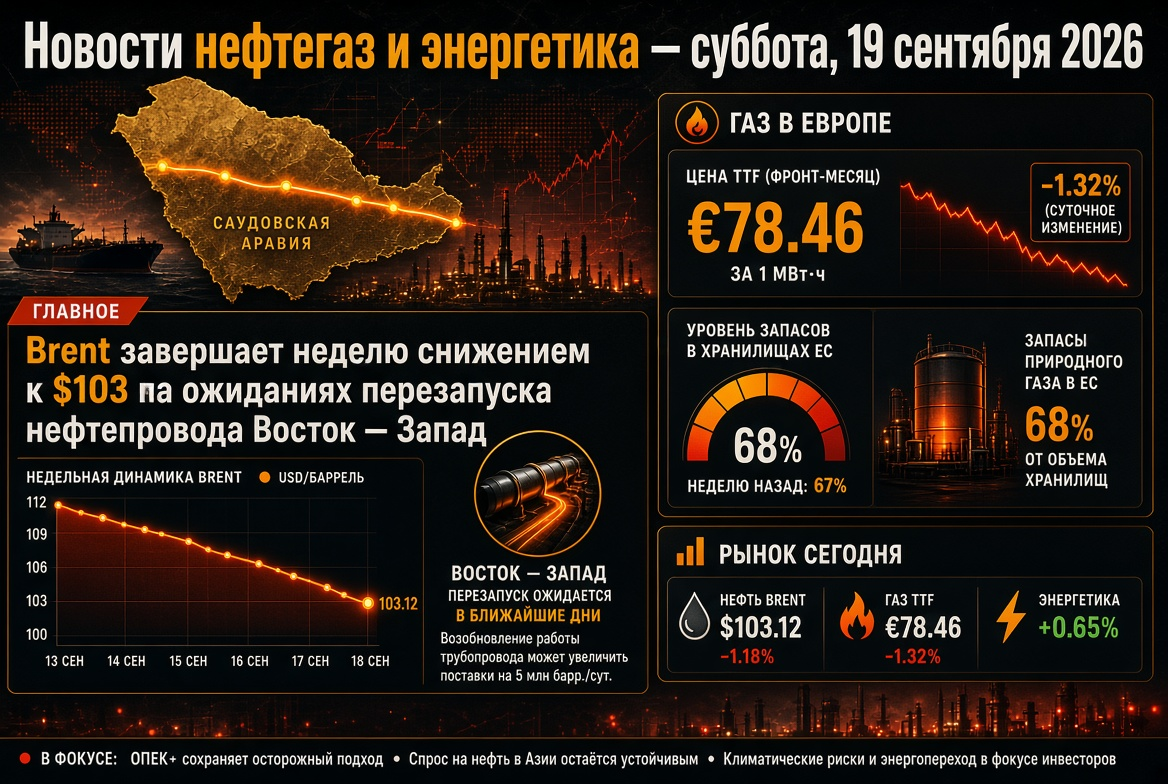
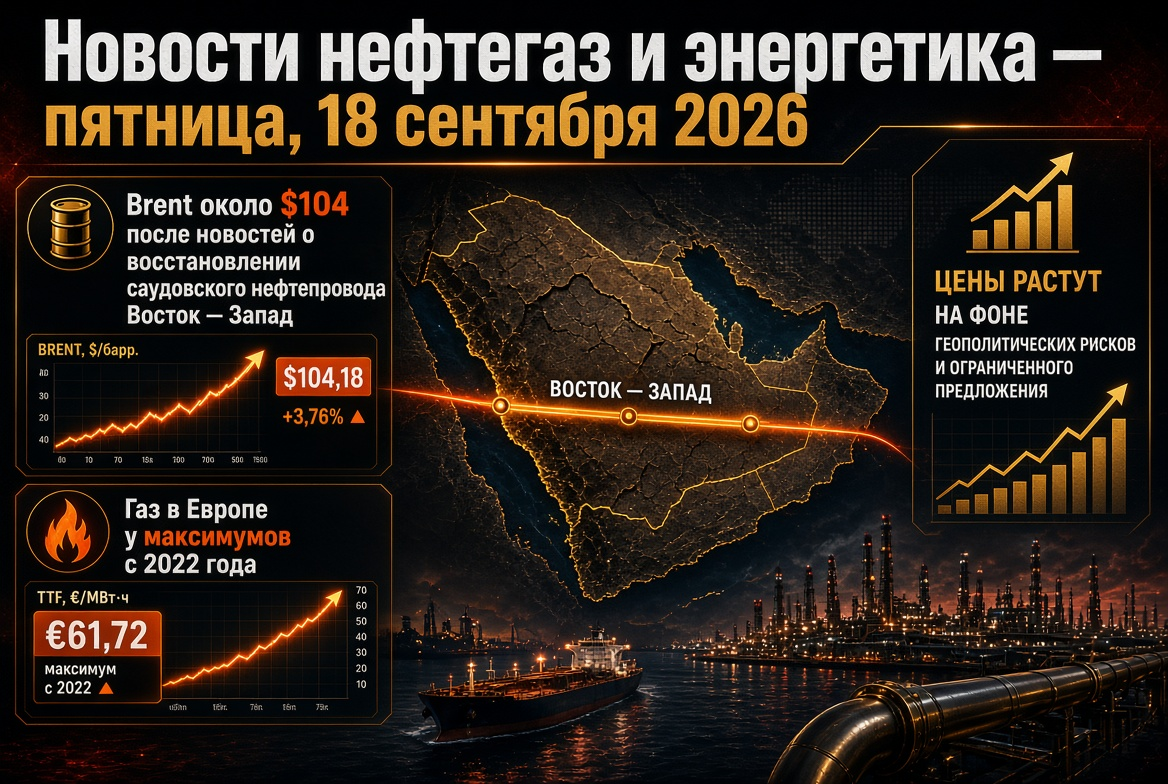
As of Wednesday morning, oil has stabilized after a noticeable drop in the previous session. Brent is trading near $67.65 per barrel, while WTI is around $62.52 per barrel. The balance of short-term factors appears mixed:
- Price Pressures: Expectations of potential easing of restrictions on Iranian supplies amid positive news regarding US-Iran dialogue, as well as increased production in Kazakhstan.
- Support: Ongoing risks of escalation in the Middle East and the market's sensitivity to any disruptions in maritime logistics.
For oil and oil products trading right now, it is essential to consider not just the headlines but also the speed with which “paper expectations” translate into physical barrels: the market reacts to probabilities, but the repricing will only become sustainable when confirmed by export flows and stock dynamics.
Supply: Kazakhstan, the Middle East, and the "Risk Premium"
From a supply perspective, notable factors include the recovery of production at major fields and the growth in the export potential of certain countries. Kazakhstan is in focus: the project is expected to reach full capacity in the coming days, adding physical volume to the market and reducing sensitivity to short-term shortages. Concurrently, the negotiation agenda surrounding Iran creates an "asymmetric corridor" for oil: any signal of rapprochement can compress the risk premium, but the absence of final agreements keeps the possibility of a price reversal alive.
For investors, this means that in the baseline scenario, oil remains in a range trading pattern, with significant volatility tied to news concerning sanctions architecture, transportation insurance, and tanker fleet availability.
OPEC+: Production Policy and Spring Scenarios
The OPEC+ strategy continues to serve as an "anchor" for oil market expectations. At this stage, participants are maintaining a cautious approach, considering seasonal demand and the need to balance market share with price stability. For April and the beginning of the second quarter, the key question is how quickly additional supply will return and how commercial stocks in OECD countries will respond.
The practical takeaway for the market is that under the current configuration of OPEC+ decisions, any unexpected production or logistical disruptions could temporarily drive prices up, but without confirmed demand, increases will be limited, especially if production outside the cartel simultaneously rises.
Asia: Record Imports and a Shift in Supplier Structure
From the demand side, Asia remains the main attraction for barrels. The region is demonstrating very high oil import volumes, while the structure of suppliers is changing due to geopolitics, trade agreements, and price discounts. Particularly notable is the redirection of some flows between Russia, Middle Eastern countries, and the US: logistics and contract terms are becoming as important as the absolute price.
For the global market, this indicates:
- Increased Competition for market share in India and the rising importance of official selling prices and premiums/discounts to benchmarks.
- Growing Role of China as a stabilizer of demand for oil and oil products, especially with attractive pricing conditions.
- Increased Freight Sensitivity: longer transport distances change the economics of supply and may locally affect the Brent-WTI spreads.
Gas and LNG: Europe Maintains Balance, Focus on Stocks and Weather
The European gas market is experiencing the second half of winter with noticeably more stability than crisis periods in previous years: supplies are diversified, the role of LNG has increased, and consumption is structurally lower. The current pricing benchmark for European hubs is around €32 per MWh, reflecting a more balanced supply and demand equation.
However, there are still risk factors for the gas and LNG markets:
- Weather Volatility and short-term surges in electricity demand during cold fronts.
- Competition for LNG from Asia amid rising industrial consumption and the recovery of certain economies.
- Regulatory Decisions concerning stock management and storage rules, affecting seasonal purchasing.
For energy sector participants, a key indicator in the coming weeks will be the rate of gas withdrawal from storage facilities and replenishment rates at the first signals of early spring.
Refineries and Oil Products: Supply Risks in Europe and Regional Disbalances
The refining segment remains a source of local tensions. Seasonal refinery maintenance in Europe is expected to increase, raising the market's sensitivity to disruptions and heightening the importance of diesel and other oil product import flows. An additional factor is infrastructure risks: reports of damage to certain facilities due to attacks in Eastern Europe are raising the premium for supply resilience.
In practice, this leads to several effects:
- Diesel remains the most sensitive product: the balance depends on supplies from the Middle East, India, and transatlantic flows.
- Refinery Margins may be supported by supply constraints, even if overall oil remains under pressure.
- Spreads between oil grades and product cracks become a key source of signals for traders and hedgers.
Electricity and Renewables: Demand Growth and Accelerated Capacity Additions
The global electricity market continues to evolve under the influence of two trends: the growth in end demand (including data centers, electrification of transport and industry) and accelerated renewable energy capacity additions. In several large economies, the pace of adding solar and wind capacities remains high, altering the generation profile and increasing the importance of grid infrastructure and storage systems.
For energy investors, three areas are crucial:
- Capital Programs focused on networks and flexibility (storage, demand management, gas peaking generation).
- Regulatory Frameworks and capacity markets shaping project returns in the electricity sector.
- Commodity Tail: as renewable energy grows, the role of gas and coal in balancing the system remains significant, especially during peak hours.
Coal: Prices Strengthen Amid Supply Constraints
The coal market at the beginning of 2026 is demonstrating relative resilience: the price benchmark near $117 per tonne reflects a combination of supply constraints and uneven regional demand. Even amid the long-term trend towards decarbonization, coal retains its importance as a “safety” energy source in certain energy systems, particularly during weather-induced stress and gas limitations.
Key observations for coal and electricity:
- Europe supports prices through strategic stockpiling and reliability requirements for energy supply.
- Asia remains the dominant consumer: demand depends on the industrial cycle and hydrology.
- Logistics (railroads, ports, coal quality) is again becoming a price factor alongside the balance of supply and demand.
What to Monitor for Investors and Energy Market Participants (24-48 hours)
The immediate future is rich with triggers that could shift sentiment regarding oil, gas, and oil products:
- US Inventory Statistics: the dynamics of oil, gasoline, and distillates will set the tone for product cracks and spreads.
- US-Iran News: any concrete steps regarding the agreement parameters will be immediately reflected in the Brent premium and option volatility.
- State of Refineries in Europe and Eastern Europe: reports of unscheduled stops quickly translate into diesel and export flow risks.
- Gas and LNG: weather forecasts and withdrawal rates from storage in Europe, as well as competition for LNG parcels in Asia.
- Coal: signals regarding the availability of export parcels and freight costs for deliveries to Europe and South Asia.
The picture as of February 18, 2026, for the global energy sector is one of a balancing market: oil reacts to diplomacy and production recovery, gas in Europe appears stable due to LNG and reduced consumption, while oil products and refineries create local shortages and premiums, particularly in diesel. Renewables and electricity continue their structural shift, but coal and gas remain crucial elements of system reliability. For investors, the optimal strategy is to monitor stock levels, news related to sanctions regimes, and refining conditions: these aspects are currently the fastest to translate into price movements across the entire chain—from oil and gas to oil products and electricity.