Current News in the Oil, Gas, and Energy Sector as of March 3, 2026: Geopolitical Risks Around the Strait of Hormuz, Volatility in Oil and Gas Markets, LNG Dynamics, Refinery Margins, Electricity, and Renewables, Global Overview for Investors and Energy Companies
As March begins, the energy markets are facing increased turbulence: geopolitical events in the Middle East have heightened fears of oil and gas supply disruptions, making the risk of logistical failures in the Strait of Hormuz a key concern for investors, traders, and fuel companies. Against this backdrop, volatility has surged across the oil, gas, LNG, refined products, and electricity segments, prompting market participants to rapidly revise scenarios regarding inflation, refinery margins, and supply chain resilience.
Oil: Geopolitical Premium and Spike in Volatility
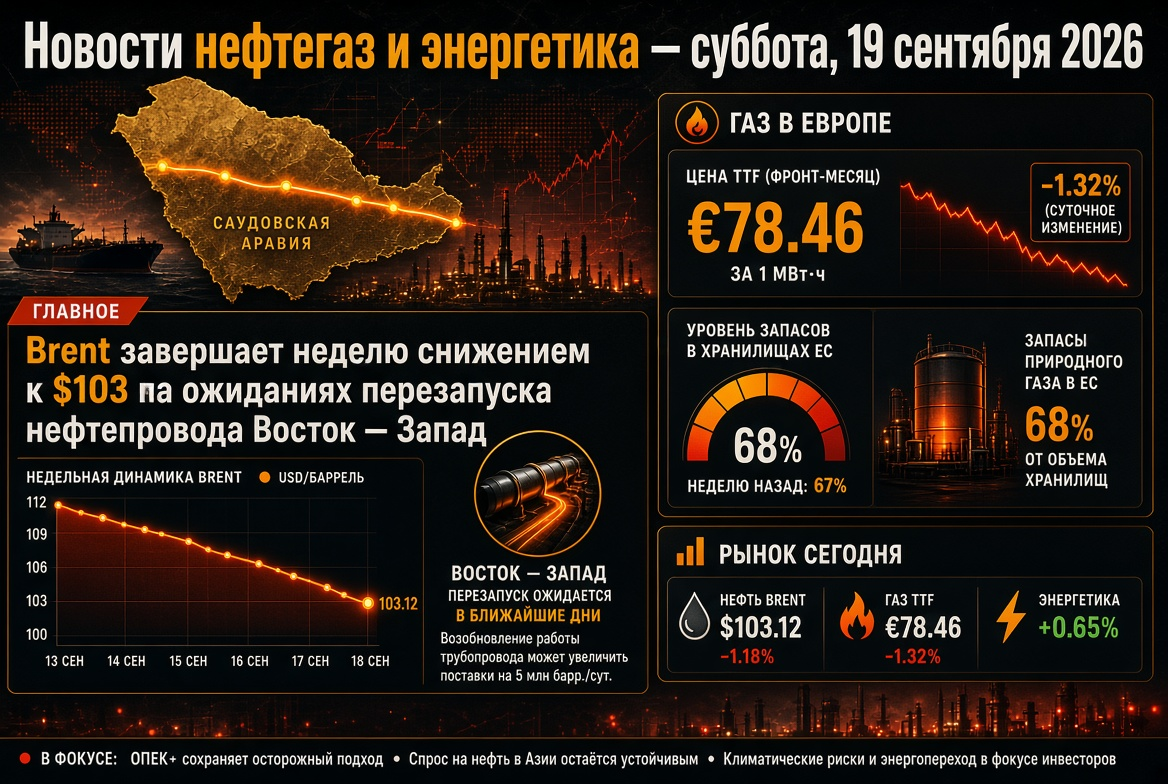
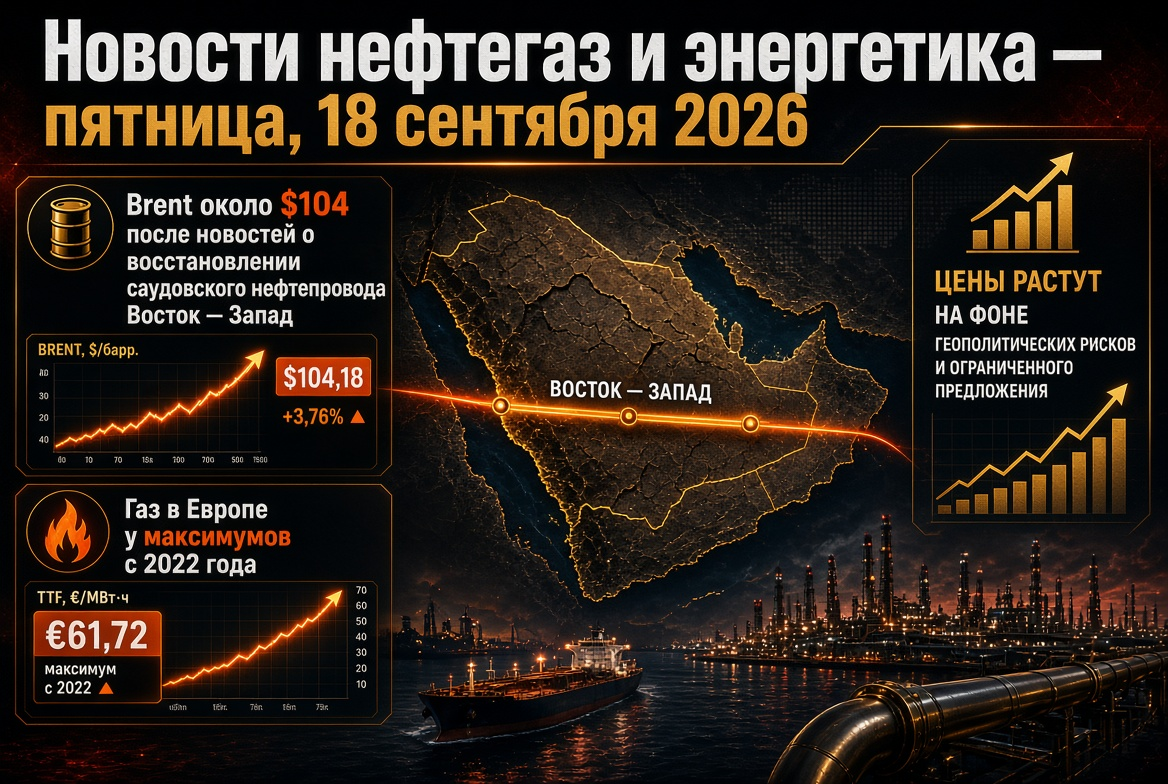
Oil prices have received a sharp boost due to a geopolitical premium: the market is pricing in the likelihood of production and export disruptions in the Persian Gulf region, along with shipping risks. The focus is less on the current balance of supply and demand and more on the "tail risks" (low probability, but high impact) in the event of an escalation of conflict and restrictions on tanker movements.
- Brent and WTI quickly reacted with a rise in response to news about risks to infrastructure and logistics; subsequently, part of the movement was corrected by profit-taking.
- Spreads for oil grades and differentials have heightened sensitivity to the availability of “free barrels” in the Atlantic and Asia.
- The rise in oil prices is reflected in expectations regarding inflation and fuel costs, which are crucial for the transportation sector and petrochemicals.
The Strait of Hormuz and Maritime Logistics: A Key Systemic Risk for the Energy Market
The Strait of Hormuz remains a strategic artery for global oil and petroleum product trade, as well as for LNG supplies from the region. Even short-term disruptions in movement lead to increases in insurance premiums, rising freight costs, and the formation of a “logistical deficit,” where physical resources are available, but are more difficult and expensive to transport.
What is Changing for Market Participants
- Increased freight and insurance rates for tankers and LNG carriers.
- Flow rotations: the rising importance of alternative routes and supply reorientation based on regional market premiums.
- Heightened demand for storage capacity and commercial inventories as a hedging tool for supplies.
OPEC+ and Production: Quota Policy Amid Market Stress
On the supply side, the reaction of OPEC+ countries and major producers outside the cartel is crucial. The market is assessing the extent to which current decisions on quotas and voluntary restrictions can mitigate potential supply disruptions if the risk shifts from "informational" to "physical".
Key Forks in the Road
- Base Scenario: Maintain the current production trajectory with targeted adjustments and signals of readiness to stabilize the market.
- Stress Scenario: Accelerated decisions to increase production by select participants if physical oil flows are disrupted.
- Stabilization Scenario: Easing of the geopolitical premium and a return of focus to demand, inventories, and macroeconomic conditions.
Gas and LNG: Capacity Outages and Price Shocks in the Spot Market
The gas and LNG segment has become the main source of price momentum as March begins. The market is sharply reacting to reports of risks and outages at major export facilities: global LNG trade is more concentrated, and there are fewer "quick substitutes" for lost volumes compared to oil. Europe is concurrently competing for LNG with Asia, and during times of stress, this competition intensifies.
- European gas benchmarks saw a sharp increase amid the threat of reduced supplies and rising risk premiums.
- Asian LNG indices also rose, reflecting expectations of higher spot prices and elongated delivery timelines.
- For importers (energy companies and industries), the focus is now on the cost of hedging and the availability of short-term volumes.
Risks for Europe and Asia
- Europe: sensitivity to inventory levels and storage replenishment rates, rising “weather premiums” during cold anomalies.
- Asia: price competition for spot supplies, especially for countries with a high share of LNG in their electricity balance.
Refineries and Refined Products: Margins, Diesel, and End-user Demand Response
For the refinery and refined products segment, the critical combination of factors includes rising raw material (oil) costs, changes in logistics, and seasonal demand profiles for gasoline, diesel, and jet fuel. In conditions of sharp movements in oil prices, "crack spreads" may behave unevenly: some markets receive support due to supply risks, while others face pressure from declining demand and rising consumer prices.
What Fuel and Oil Companies Should Monitor
- Trends in refining margins and raw material differentials for the Europe-Asia-US regions.
- The situation regarding diesel and jet fuel inventories, which are sensitive to logistical disruptions.
- The risk of a "disconnect" between stock market prices and physical premiums in ports.
Coal: Asia and Energy Security
The coal market often sees additional demand from generation during periods of gas stress, especially where fuel switching is feasible. However, the price trajectory of coal depends on logistical availability, decarbonization policies, and competition with gas and renewables in the energy sector. For energy companies, coal remains a contingency element in the event of high gas prices, but regulatory and ESG restrictions continue to narrow the horizons for long-term investments.
Electricity: The Impact of Gas, Risks for Industry and Grids
The electricity segment directly reacts to gas and coal costs as well as to the availability of power during peak hours. Rising gas quotations increase the marginal costs of generation in systems where gas sets the price in the power/electricity market. For industry, this means rising operational costs, and for energy companies, it raises the demands for risk management and liquidity.
Short Checklist for the Market
- Prices for base and peak electricity in key hubs.
- Availability of generation (repairs, fuel constraints, network bottlenecks).
- The risk of temporary support/limitations imposed by regulators in different countries.
Renewables and Energy Transition: Accelerating Agenda Amid Price Shock
High oil and gas prices traditionally bring renewables, storage solutions, and grid modernization back into focus: the political demand for energy independence is growing, and long-term investors are receiving arguments for accelerating projects. However, in the short term, the market faces challenges in that renewables do not always replace gas “in time and scale” without developed grids and storage systems.
- Increased interest in long-term contracts (PPA) and hybrid solutions “renewables + storage” is anticipated.
- Attention to the supply of critical components and the cost of capital: resource volatility and rate fluctuations affect the LCOE of new projects.
For Investors and Energy Market Participants: Scenarios for the Coming Weeks
For the global audience of investors and energy companies, the current market configuration boils down to risk management: the geopolitical premium can be activated swiftly and disappear just as quickly, but the consequences through gas, LNG, and refined products may be more inertia due to logistics and contractual structures.
Practical Scenario Framework
- De-escalation: rollback of the premium, stabilization of Brent/WTI, gradually normalizing pricing for gas and LNG.
- Prolonged Tension: persistently elevated prices for gas and LNG, more expensive deliveries of refined products, rising freight and insurance costs.
- Escalation with Physical Disruptions: risk of sharp shortages in certain regions, accelerated inventory decisions, increased volatility in electricity.
Tomorrow, key indicators will remain: news regarding infrastructure and shipping, price dynamics for oil and gas, physical market premiums for refined products, as well as signals from producers on their readiness to balance the market. In such an environment, maintaining hedging discipline, supply chain diversification, and margin control throughout the chain—from raw materials to end fuels and electricity—is especially crucial.