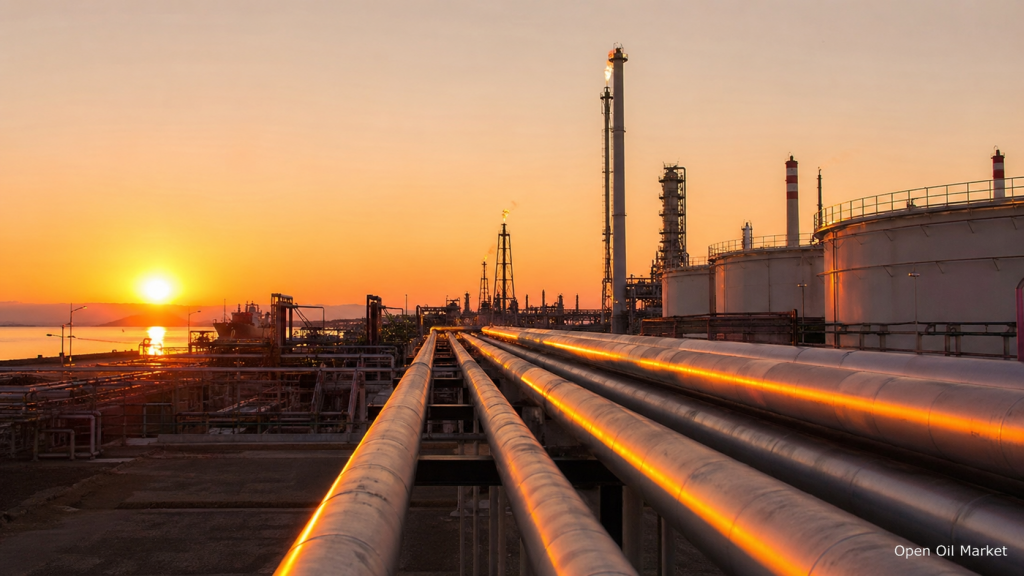
The Hormuz Crisis, Rising Oil Prices, and a Tense Gas Market Shape a New Reality for Global Energy and Investment Decisions – April 28, 2026
The global fuel and energy complex finds itself in a state of heightened volatility on Tuesday, April 28, 2026. The main topic of the day for investors, oil companies, energy market participants, fuel traders, refineries, and power producers is the ongoing tension surrounding supplies through the Strait of Hormuz. This factor continues to dictate the dynamics of oil, gas, LNG, petroleum products, coal, electricity, and renewable energy on the global market.
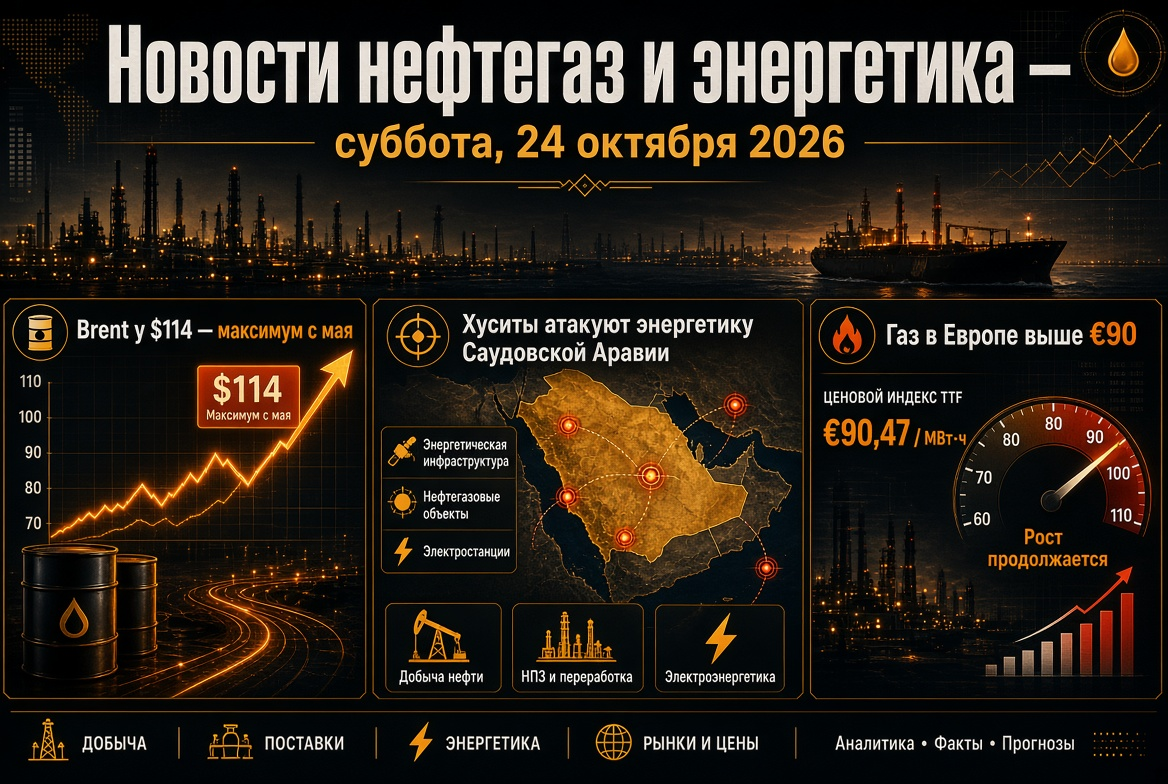
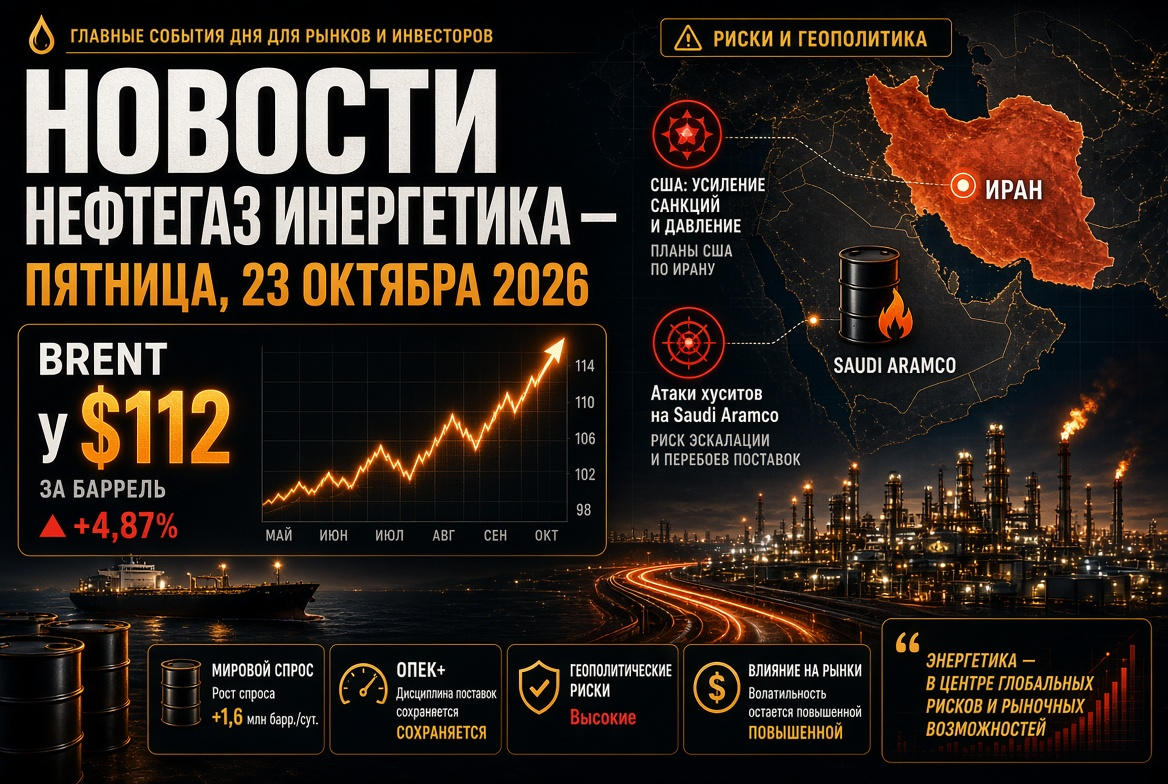
After several weeks of disruptions in Middle Eastern logistics, the oil market remains in a zone of high geopolitical premium. Brent is trading near levels above $100 per barrel, while WTI hovers around the mid-$90 range. Market participants are increasingly evaluating not only the cost of crude but also the risk of diesel, jet fuel, and LPG shortages, along with stable generation. For the global audience of investors, this means one thing: energy is once again becoming a key indicator of inflation, industrial resilience, and corporate profitability.
Oil: The Market Prices in a Long Period of Expensive Raw Materials
The oil market remains a central element of the global energy agenda. Limited supplies from the Persian Gulf region, disruptions in tanker logistics, and buyer caution sustain high oil prices. Unlike the short-term spikes of previous years, the current rise is perceived by investors as more structural: the problem involves not only production but also export routes, insurance, freight, refining, and end prices for petroleum products.
Key factors for the oil market as of April 28, 2026:
- Persistent high geopolitical premiums in the pricing of Brent and WTI;
- Shortages of Middle Eastern barrels on the global market;
- Increasing role of the U.S. as a supplier of oil and petroleum products to Asia, Europe, and Latin America;
- Upward revisions of oil price forecasts by large investment banks;
- Risk of further inflationary pressure in energy-importing countries.
For oil companies, the current situation creates a dual effect. On one hand, high prices support cash flows from production assets. On the other, expensive oil suppresses demand, exacerbates political pressure on the industry, and increases the likelihood of regulation on exports, inventory, and domestic fuel prices.
Gas and LNG: The Hormuz Strait Becomes the Main Bottleneck
The natural gas and LNG market is experiencing one of the most challenging periods in recent years. Disruptions in supplies through the Hormuz Strait are particularly sensitive for the global LNG market, as a significant portion of Middle Eastern LNG has traditionally been directed to Asia. Buyers in Japan, South Korea, China, India, and Southeast Asian countries are forced to compete for alternative cargoes from the U.S., Africa, Australia, and other export centers.
In Europe, the situation also remains tense. Even with more moderate gas demand in some countries, the question of filling storage before the next winter season becomes costlier. To achieve comfortable storage levels, Europe needs to attract LNG more actively, but competition with Asia is driving up the cost of such supplies.
Main takeaways for the gas market:
- LNG remains a strategic resource for energy security.
- Asia intensifies competition for flexible supplies from the Atlantic Basin.
- European gas storage facilities are becoming a price risk factor this spring.
- Expensive gas increases interest in coal, nuclear energy, hydroelectric power, and renewables.
Petroleum Products and Refineries: Refining Margins Remain High
The refining sector has emerged as one of the primary beneficiaries of the current energy shock. The deficit of middle distillates—diesel fuel, jet fuel, and heating fractions—supports high refining margins. Particularly strong positions are held by plants located outside disruption zones and having access to stable raw materials.
U.S. refineries, Asian processors, and large export-oriented plants gain an advantage due to rising demand for diesel and jet fuel. However, for consumers of petroleum products, the situation appears much more complicated, as transportation, aviation, industry, and agriculture face rising expenses.
For investors in refining, three indicators are currently important:
- Spreads between crude oil and petroleum products;
- Raw material availability for refineries in Asia, Europe, and the U.S.;
- Export volumes of diesel, gasoline, and jet fuel in May and June.
If supplies through the Hormuz Strait do not normalize, petroleum products could remain a more significant inflationary factor than crude oil itself. This is especially crucial for countries with a high share of fuel imports.
Electricity: Expensive Gas Alters Generation Balance
The global electricity market is responding to the energy crisis through increased utilization of backup capacities. Countries reliant on gas generation are encountering sharper volatility in wholesale prices. In regions where electricity generation depends on hydro, nuclear, coal, or a significant share of renewables, the price impact is milder.
This contrast is especially noticeable in Europe. Gas-dependent energy systems are under pressure, while countries with developed hydroelectric power, nuclear generation, or substantial shares of solar and wind capacities benefit from a protective effect. For businesses, this becomes a factor of competitiveness: the cost of electricity directly impacts metallurgy, chemistry, logistics, data centers, and industrial production.
At the global level, the electricity sector enters a phase where not only the price of megawatt-hours matters but also the reliability of generation. Investors increasingly assess energy systems based on their ability to manage stress periods without sharp tariff spikes.
Renewables: The Energy Crisis Stimulates Interest in Renewable Sources
Renewables are gaining new momentum amid expensive oil and gas. Solar, wind, and hydro projects are becoming not only climate but also economic tools to shield against imported inflation. For countries dependent on gas and petroleum product supplies, renewables are increasingly viewed as part of the strategy for energy independence.
However, the accelerated growth of renewables does not eliminate systemic limitations. Solar generation creates an oversupply during daylight hours but requires storage and backup capacity in the mornings and evenings. Wind generation is dependent on weather conditions. Hydropower is efficient with adequate water resources but vulnerable to droughts.
Therefore, the most resilient model becomes a combined energy system:
- Renewables as a source of cheap baseload generation during favorable hours;
- Gas and coal stations as reserves for peak demand;
- Nuclear and hydro as stabilizing components;
- Energy storage and networks as the infrastructural foundation of the new electricity landscape.
Coal: Demand Supported by Asia and Peak Loads
Despite the long-term trend of decarbonization, coal remains an important part of the global energy balance. Rising electricity demand in Asia, heat, industrial load, and expensive gas support the use of coal generation. India is already ramping up output from coal and gas plants to meet record peaks in electricity consumption.
For the coal market, this means sustained demand, particularly in countries where the energy system must provide accessible and continuous generation. However, political pressure on coal persists: new investments in coal assets are evaluated cautiously, and banks and funds are increasingly demanding a clear emissions reduction strategy.
The coal sector in 2026 finds itself between two forces: the short-term need for reliable generation and the long-term course towards reducing carbon emissions. For investors, this is not a rapid growth market but a selective asset selection scenario with sustainable demand, logistical advantages, and controlled environmental risks.
Corporate Deals in the Energy Sector: Large Companies Acquire Resource Bases
Amid the energy shock, major oil and gas companies are striving to strengthen their resource bases and access to export infrastructure. Transactions in the upstream and LNG sectors are becoming particularly significant, as investors reassess not only green transformation but also the physical availability of oil and gas.
A notable example is Shell's significant acquisition of Canadian ARC Resources. For the market, this signals that international energy companies are willing to pay for assets with reserves, gas production, and proximity to LNG infrastructure. In the context of unstable Middle Eastern supplies, North America is emerging as a key hub for energy security.
The corporate logic in the energy sector is evolving:
- Assets with low production costs gain value;
- Interest in gas as a transition fuel is growing;
- LNG infrastructure becomes a strategic advantage;
- Companies are enhancing control over the supply chain from extraction to export.
What to Focus on for Investors on April 28, 2026
For investors, the global energy sector remains one of the key markets in the coming weeks. The main question is whether the global energy system will restore normal supplies through the Hormuz Strait or if the market will enter a longer period of shortages and expensive logistics.
Areas of focus for Tuesday, April 28, 2026:
- Dynamics of Brent and WTI near psychologically important levels;
- Status of oil, gas, and LNG supplies from the Middle East;
- Refinery margins for diesel, gasoline, and jet fuel;
- Level of gas stocks in Europe and competition for LNG with Asia;
- Rising demand for coal and gas generation during peak consumption periods;
- Acceleration of investments in renewables, networks, and energy storage;
- Corporate transactions in the oil and gas sector and revaluation of resource assets.
The main takeaway for the day: news in the oil and gas and energy sectors is now shaping not only the industry agenda but also the macroeconomic landscape. Expensive oil, a tense gas market, high margins for petroleum products, the growing role of refineries, the resurgence of coal during peak demand, and the acceleration of renewables create a complex yet investment-rich picture. For energy sector participants, April 28, 2026, will be a day when energy security once again takes center stage in the global economy.