Analytical Review of Key Events in the Oil, Gas, and Energy Sector as of November 30, 2025: Oil, Gas, Coal, Energy, Renewable Energy Sources, Production, Sanctions, OPEC+, Energy Security.
Current events in the global fuel and energy complex as of November 30, 2025, are unfolding against a backdrop of contradictory signals, capturing the attention of investors and participants in the fuel and energy sector. Diplomatic efforts to resolve international conflicts instill cautious optimism about a potential decrease in geopolitical tension, with discussions on potential peace initiatives that could, in the long term, ease sanctions-related opposition. At the same time, Western countries maintain a strict sanctions stance, creating a complex environment for traditional energy resource export flows.
Global oil prices remain at a relatively low level, influenced by oversupply and weakened demand. The North Sea Brent crude is hovering around $61–62 per barrel, while the American WTI is approximately $58, close to the minimum values seen in the last two years and significantly below levels from a year ago. The European gas market is entering winter in a balanced state: gas storage facilities (GSFs) in EU countries are filled to about 75–80% of total capacity by the end of November, providing a solid reserve. Exchange quotes for gas remain relatively low. However, the factor of weather uncertainty persists: a sharp temperature drop could lead to price volatility closer to the end of the season.
At the same time, the global energy transition is accelerating — many states are setting records for electricity generation from renewable energy sources (RES), even though traditional resources remain necessary for the reliability of energy systems. Investors and companies are injecting unprecedented funds into "green" energy, despite oil, gas, and coal continuing to be the backbone of global energy supply. In Russia, following the recent autumn fuel crisis, emergency measures by the authorities stabilized the domestic market for petroleum products ahead of winter: wholesale prices for gasoline and diesel began to decrease, eliminating shortages at gas stations. Below is a detailed overview of key news and trends in the oil, gas, energy, and raw materials segments of the fuel and energy complex as of the current date.
Oil Market: Oversupply and Weak Demand Keep Prices Near Lows
The global oil market is exhibiting weak price dynamics, influenced by fundamental factors of oversaturation and slowing demand. A barrel of Brent is trading in a narrow range around $61–62, while WTI is around $58, which is about 15% lower than a year ago and close to multi-year lows. The market is not receiving strong impulses for either growth or collapse, remaining in a state of relative equilibrium with a slight surplus of supply.
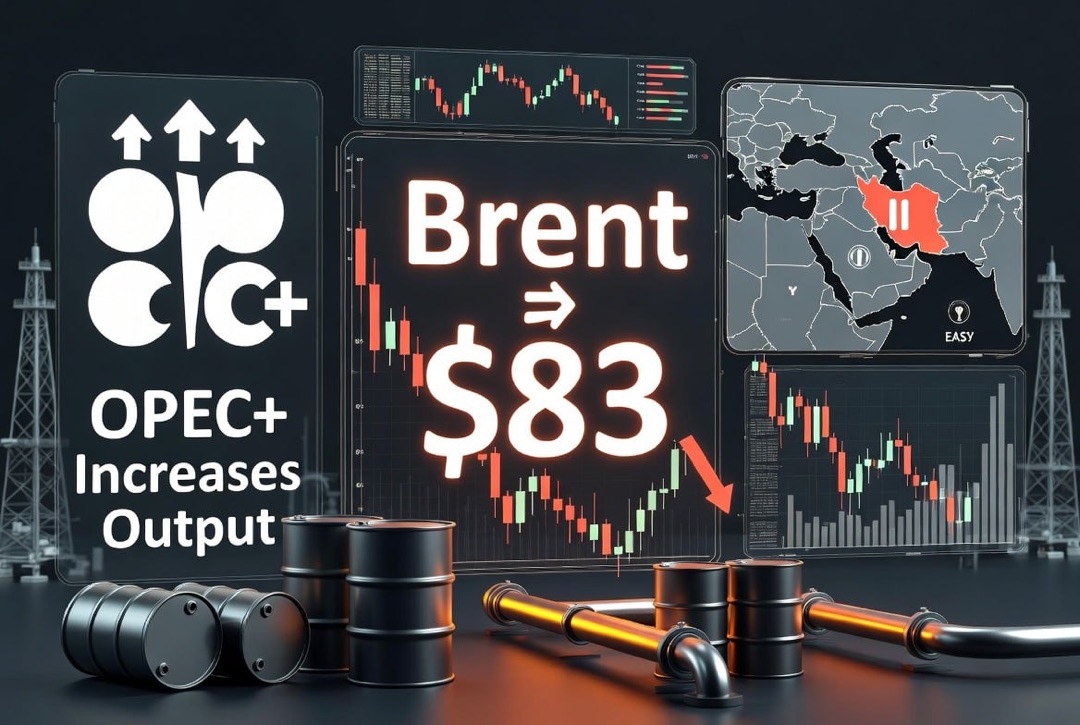
- OPEC+ Production Increase. The oil alliance continues to gradually increase supply in the market. In December 2025, the total production quota for participants in the deal will increase by another 137,000 barrels per day. Earlier, from the summer, monthly additions were approximately 0.5–0.6 million barrels/day, returning global oil and petroleum product stocks to levels close to pre-pandemic ones. Although further quota increases are postponed at least until spring 2026 due to concerns about market saturation, the current increase in supply is already putting downward pressure on prices.
- Slowing Demand. The growth rate of global oil consumption has sharply declined. The International Energy Agency (IEA) estimates demand growth in 2025 at less than 0.8 million barrels per day (compared to approximately 2.5 million barrels/day in 2023). Even OPEC's forecasts are now more restrained — about +1.2 million barrels/day. The weakening global economy and the effect of previous price peaks are limiting consumption; an additional factor is the slowing industrial growth in China, which is restraining the appetite of the world's second-largest oil consumer.
- Geopolitical Signals. Reports of a potential peace plan for Ukraine from the U.S. have temporarily reduced some geopolitical premiums in prices, instilling hope for the lifting of certain restrictions. However, the lack of real agreements and the continued pressure of sanctions are preventing the market from fully calming down. Traders react reflexively to any news: as long as the peace initiatives are not realized in practice, their impact on prices remains short-term.
- Shale Production Under Price Pressure. In the U.S., the decrease in oil prices is already affecting the activity of shale producers. The number of drilling rigs in U.S. oil basins is declining as quotes have dropped to around $60 per barrel. Companies are exercising greater caution, and prolonged low prices threaten to slow the increase in U.S. supply in the coming months.
The combined effect of these factors is leading to global supply exceeding demand, keeping oil prices confidently below last year's levels. Some analysts believe that if the current trends continue, by early 2026, the average price of Brent could drop to around $50 per barrel. For now, the market is balancing in a narrow corridor, without receiving drivers to exit the established price range.
Gas Market: Europe Enters Winter with Comfortable Reserves and Moderate Prices
In the gas market, the focus is on how Europe will manage the upcoming heating season. EU countries are approaching the winter chill with underground gas storage filled to a comfortable 75–80% by the end of November. This is slightly below last year's record levels and provides a strong buffer in case of prolonged cold weather. Thanks to this and the diversification of supplies, European gas prices are being kept low: December TTF futures are trading around €27 per MWh (approximately $330 per 1,000 m³), which is a low not seen for more than a year.
This high level of reserves has been achieved thanks to record imports of liquefied natural gas (LNG). In the autumn, European companies actively purchased LNG from the U.S., Qatar, and other countries, nearly offsetting the decline in pipeline supplies from Russia. Over 10 billion cubic meters of LNG were arriving monthly at European ports, allowing for preemptive filling of GSFs. An additional positive factor has been the mild weather: a warm autumn and a late onset of cold have kept gas consumption restrained, allowing for more economical use of reserves in storage.
As a result, the European gas market currently appears robust: reserves are high, and prices, by historical standards, are moderate. This situation is beneficial for Europe's industry and power generation as the winter season begins, reducing costs and risks of disruptions. Nevertheless, market participants continue to carefully monitor weather forecasts: in the event of abnormal cold, the balance of supply and demand could shift quickly, forcing accelerated withdrawals from GSFs and causing price spikes closer to the end of the season.
Geopolitics: Peace Initiatives Offer Hope, Sanction Opposition Persists
In the second half of November, encouraging signals emerged on the geopolitical front. Reports indicate that the U.S. informally presented a peace plan for resolving the conflict surrounding Ukraine, which envisions a phased lifting of some sanctions against Russia upon meeting certain agreements. Ukrainian President Volodymyr Zelensky reportedly received a signal from Washington to seriously consider the proposed agreement developed with Moscow's participation. The prospect of a compromise instills cautious optimism: de-escalation could eventually lift restrictions on Russian energy resource exports and improve the business climate in raw material markets.
However, no real breakthroughs have been achieved thus far; on the contrary, the West continues to increase sanctions pressure. A new package of U.S. sanctions targeting the Russian oil and gas sector took effect on November 21. Major companies like Rosneft and LUKOIL have been included in the restrictions: foreign counterparts have been instructed to cease collaboration with them by that date. In mid-November, the UK and EU announced additional measures against Russian energy assets. London set the deadline of November 28 for companies to complete any deals with the aforementioned oil giants, after which cooperation must cease. The U.S. administration also threatened new stringent measures (including special tariffs on countries continuing to purchase Russian oil) if diplomatic progress stalls.
Consequently, there are currently no specific shifts in the diplomatic direction, and the sanctions opposition remains in full force. Nonetheless, the very fact that dialogue continues between key global players offers hope that the most stringent restrictions imposed by the West could be tempered in anticipation of negotiation outcomes. In the coming weeks, markets are closely monitoring contacts between the leaders of major powers. The success of peace initiatives could improve investor sentiment and temper sanction rhetoric, while failure in negotiations threatens to escalate tensions further. The outcomes of these efforts will largely determine the long-term conditions for cooperation in the energy sector and the rules of the game in the global oil and gas market.
Asia: India and China Adapt to Sanctions Pressure
The two largest Asian energy resource consumers — India and China — are being forced to adapt to new trading restrictions on oil.
- India: Under pressure from Western sanctions, Indian oil refineries are significantly reducing purchases of Russian oil. In particular, Reliance Industries had completely halted imports of Urals crude by November 20, obtaining additional price discounts in return. Increased bank controls and the risk of secondary sanctions are prompting Indian refineries to seek alternative suppliers, despite the fact that in the first half of 2025, Russia accounted for up to a third of India's total oil imports.
- China: In China, state-owned oil companies have temporarily suspended new deals for importing Russian oil, fearing secondary sanctions. However, independent processors (known as "teapots") have taken advantage of the situation, ramping up purchases to record levels, acquiring raw materials at significant discounts. Although China is also increasing its own oil and gas production, the country still relies approximately 70% on oil imports and 40% on gas imports, remaining critically dependent on external supplies.
Energy Transition: RES Records and Challenges for Energy Systems
The global transition to clean energy continues to gain momentum. Many countries are setting new records for “green” electricity generation. In the European Union, by the end of 2024, total production from solar and wind power plants exceeded generation from both coal and gas power plants for the first time. This trend has continued into 2025, with the commissioning of new capacities further increasing the share of renewable energy in the EU, while the share of coal in the energy mix has begun to decline after a temporary increase during the energy crisis of 2022-2023. In the U.S., renewable sources have also reached historic levels — in early 2025, more than 30% of total generation came from RES, and the combined output from wind and solar surpassed that of coal plants. China, the global leader in installed RES capacities, annually commissions record amounts of solar panels and wind generators, continuously updating its own generation records.
Overall, companies and governments worldwide are directing colossal investments into the development of clean energy. According to the IEA, total investments in the global energy sector in 2025 will exceed $3 trillion, more than half of which will be directed towards RES projects, modernization of electrical grids, and energy storage systems. However, energy systems still need traditional generation to ensure stability. The growing share of solar and wind creates new balancing challenges, as renewable sources do not generate electricity consistently. Gas, and in some places even coal, power plants are still needed to meet peak loads and reserve capacity. For instance, last winter, some European countries had to temporarily increase power generation in coal plants during windless periods. Governments are rapidly investing in large energy storage systems and "smart" grids to enhance the reliability of energy supply as the share of RES grows.
Experts predict that by 2026-2027, renewable sources will become the largest source of electricity generation in the world, finally surpassing coal. However, in the next few years, classic power plants will remain necessary as a backup and insurance against disruptions. Thus, the energy transition is reaching new heights but requires a delicate balance between "green" technologies and proven resources to ensure uninterrupted energy supply.
Coal: Steady Demand Supports Market Stability
Despite the global push for decarbonization, coal continues to play a key role in the world energy balance. This autumn in China, electricity generation from coal-fired power plants reached record levels, although domestic coal production slightly declined. As a result, coal imports into China rose to multi-year highs, helping to lift global prices from their summer slump. Other major consumers, including India, still rely on coal for a significant portion of their electricity, and many developing countries continue to construct new coal power plants. Major coal exporters have increased their shipments, benefiting from strong demand.
Following the upheavals of 2022, the global coal market has returned to relative stability: demand remains high, and prices are moderate. Even as climate strategies are implemented, coal is expected to maintain its status as an indispensable component of energy supply in the coming years. Analysts anticipate that throughout the upcoming decade, coal generation, particularly in Asia, will retain significant relevance despite efforts to reduce emissions. Thus, there is currently a situation of equilibrium in the coal sector: steady demand supports market stability, and the industry remains one of the fundamental pillars of global energy.
Russian Fuel Market: Price Normalization After Autumn Crisis
The internal fuel market in Russia has achieved stabilization following the acute crisis at the beginning of autumn. At the end of summer, wholesale prices for gasoline and diesel in the country soared to record heights, provoking local fuel shortages at some gas stations. The government had to intervene: temporary export restrictions on petroleum products were introduced at the end of September, while refineries (refineries) increased fuel production following scheduled maintenance. By mid-October, thanks to these measures, the price surge had reversed.
The downward trend in wholesale prices continued into late autumn. By the last week of November, exchange prices for AI-92 gasoline decreased by approximately 4%, AI-95 by 3%, and similar ~3% declines were observed for diesel. The stabilization of the wholesale market began to reflect in retail prices: consumer prices for gasoline have been slowly decreasing for the third consecutive week (although only by a few kopecks). On November 20, the State Duma passed a law aimed at guaranteeing priority supply of petroleum products to the domestic market.
Collectively, the steps taken have already yielded effects: the autumn price spike has been replaced by a gradual decline, and the situation in the fuel market is normalizing. Authorities aim to maintain control over prices and prevent new spikes in fuel prices in the coming months.
Outlook for Investors and Market Participants in the Fuel and Energy Sector
On one hand, the oversupply in raw material markets and hopes for a peaceful resolution of conflicts contribute to lower prices and risks. On the other hand, the ongoing sanctions confrontation and persistent geopolitical tensions generate significant uncertainty. In such conditions, companies in the fuel and energy sector need to carefully manage risks and maintain flexibility in their strategies.
Oil and gas companies are currently focusing on enhancing operational efficiency and diversifying sales channels amid the restructuring of trade flows. Simultaneously, they are seeking new growth opportunities — from accelerated exploration of fields to investments in renewable energy and energy storage infrastructure. In the near future, key uncertainty factors will be today's OPEC+ meeting (November 30) and potential progress in peace talks regarding Ukraine: their outcomes will largely dictate market sentiment on the brink of 2026.