Current News in Oil, Gas, and Energy as of February 22, 2026: Expectations for OPEC+, Price Dynamics for Oil and Gas, LNG Market, Refinery Maintenance Season, Oil Products, Electricity, Renewable Energy, and Coal. A Global Overview for Investors and Market Participants in the Energy Sector.
The global energy sector enters the final week of February amid a shift in investor focus: from the “winter deficit” to assessing supply and demand balance for the second quarter. Oil and gas remain sensitive to geopolitical issues and logistics, while the oil product and refinery segment is undergoing a maintenance season, impacting spreads and margins. In the electricity sector and renewables, the theme of energy costs for industries and the acceleration of investments in networks and system flexibility is gaining traction.
Oil: Market Prices in a Higher Supply Scenario for Q2
The key intrigue for the week revolves around expectations that the OPEC+ alliance may transition from cautious hold on barrels to gradual production increases by spring, assuming demand is confirmed and oil prices remain stable. For the global balance, this is more significant than short-term fluctuations in quotations: the market is beginning to reassess supply trajectories and risk premiums in advance.
Simultaneously, the discussion intensifies around how rapidly non-OPEC+ production will grow in 2026 and how disciplined participating countries can remain in adhering to quotas, particularly given budgetary needs and market share competition.
OPEC+ and Geopolitics: A Flexible Strategy Over "Hard" Promises
Signals from OPEC+ member countries point to a singular logic: production decisions will hinge on “market conditions” and can adapt as demand and risks change. For investors, this implies a growing role for “event-driven volatility”—reactions to statements, meetings, and informal guidance regarding target production levels.
The most significant risk factors for oil and oil products currently include:
- Geopolitical premium (tensions in the Middle East, risks of sanctions and countermeasures);
- Sanction and insurance infrastructure (freight costs, tanker availability, supply routes);
- Discipline within OPEC+ and the allocation of “space” for production increases among leaders and countries with limitations.
In these conditions, the oil market often assesses not a “single figure” of production, but a range and the speed of changes in supply—which directly influences the futures curve and hedging strategies.
Gas and LNG: Europe Maintains Stability Yet Remains Sensitive to Supply
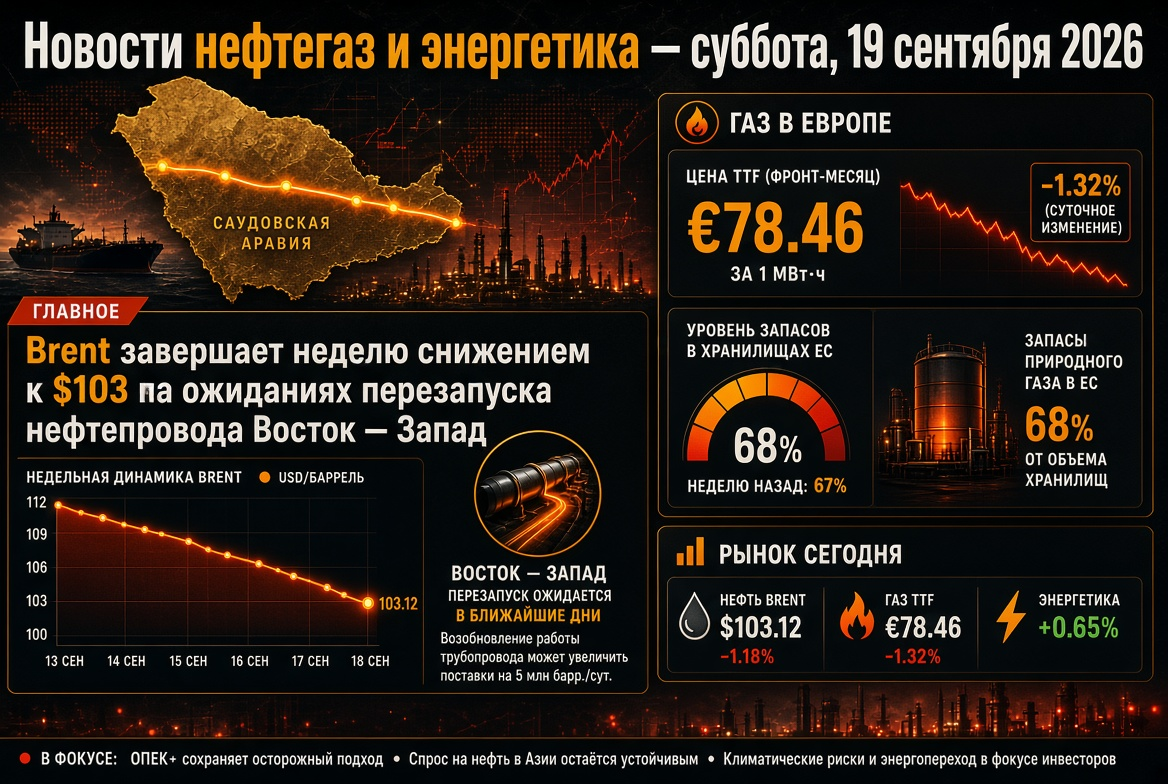
The European gas market mid-February demonstrated stability: prices at major hubs remained around winter levels (approximately €32/MWh), with weather and LNG flows as key drivers. Regulators and governments, in assessing the heating season, increasingly emphasize “structural resilience”—diversification of imports and inventory management, rather than emergency measures.
At the country level, two parallel trends are emerging:
- Stabilization and risk control. In the largest EU economies, the adequacy of gas supplies for the remainder of winter is underscored by current LNG flows and imports.
- Energy cost policy. Some countries are enhancing support for consumers and businesses to mitigate the impact of high electricity and gas prices on industry.
For the global LNG market, projects that expand supply and flexibility are crucial. A notable plot is the development of floating liquefied natural gas (FLNG) facilities: these “floating plants” expedite production introduction in countries with limited onshore infrastructure and enhance geographic diversification of LNG supplies.
Refineries and Oil Products: Maintenance Season Supports the Market, but Diesel Demand "Cools" Down
The refinery segment is entering the traditional phase of planned maintenance in the Northern Hemisphere. This simultaneously:
- limits crude oil processing (refining) and supports local balances of oil products;
- creates volatility in refining margins and cracks for gasoline and diesel;
- increases the importance of logistics—inter-regional flows, availability of tankers and terminals.
In recent weeks, there has been a decline in diesel directional values (gasoil/diesel) and a weakening of refinement margins in certain markets, which is crucial for publicly traded refiners and integrated oil companies. As spring approaches, the market begins to focus on gasoline balance: in 2026, a more "even" supply is expected, which may pressure gasoline cracks as refineries emerge from maintenance.
Practical takeaway: given the current demand structure, oil products may behave divergently—making it critical for investors to distinguish between the narrative of “oil as a raw material” and that of “refinery margins and product spreads.”
Coal: Asia Sets the Tone but Competition with Gas and Renewables Grows
Coal remains a significant part of the energy balance in Asia, particularly in electricity generation and metallurgy. By 2026, coal demand increasingly hinges on:
- gas prices and LNG availability in the region;
- the pace of renewable energy deployment and grid constraints;
- the export policies of key suppliers and logistics (ports and freight).
For global energy sector players, this means: coal assets continue to generate cash flows under favorable pricing, but their long-term valuation increasingly faces regulatory risks and cost of capital concerns.
Electricity: Competitive Edge for Industry Takes Center Stage
In the European electricity and gas market, there’s a growing political demand for reducing wholesale prices and narrowing spreads between countries. This is reflected in support packages and attempts to "smooth" price peaks for households and businesses.
For investors in electricity, the key themes on the horizon for 2026 include:
- Networks and flexibility (storage, demand management, flexible generation);
- Reliability (reserve capacities and capacity market mechanisms);
- Cost of capital and tariff regulation influencing project payback.
It is precisely the infrastructure of networks and system balancing that increasingly becomes a "bottleneck" for the growth of renewable energy share.
Renewables and the Energy Transition: Investments Shift Towards Infrastructure and Supply Chains
Renewables remain a structural driver, but the market is becoming more pragmatic: not only new solar and wind facilities but also grid projects, localization of components, access to critical materials, and accelerated permitting processes are coming to the forefront. For the global energy transition, this signals a shift to the phase of “industrialization”: more capital-intensive projects, longer timelines, and increased attention to contract structures (PPA, indexing, guarantees).
In 2026, renewable energy investors will more frequently evaluate:
- the quality of the regulatory framework and predictability of returns;
- the ability of projects to withstand fluctuations in rates and equipment costs;
- the availability of grid connectivity and storage infrastructure.
What is Important for Investors and Market Participants in Energy: Checklist for the Week
As the new week begins, investors, traders, and corporate buyers in oil, gas, and energy should keep the following signals in focus:
- OPEC+ rhetoric regarding Q2: any hints at the pace of barrel return are quickly reflected in oil and currency-commodity assets.
- Gas in Europe and LNG: weather dynamics, stock levels, and the resilience of import flows dictate the volatility of TTF and electricity prices.
- Refinery margins and oil products: during maintenance season, key concerns become cracks in diesel and gasoline, as well as regional supply imbalances.
- Electricity and renewable energy: decisions regarding price support and investments in networks affect evaluations of generating and network companies.
- Coal: monitor demand from Asia and competition with gas, especially as LNG prices change.
The baseline scenario for the end of February: the energy market remains “event-driven.” Oil balances between expectations of increased supply and geopolitical premiums, gas and LNG navigate between seasonal weather and infrastructure resilience, and oil products and refineries fluctuate between maintenance and reevaluation of spreads. In this environment, strategies with risk discipline gain advantages: diversification across segments (oil, gas, electricity, renewables), control of exposure to product cracks, and diligent management of delivery timelines.