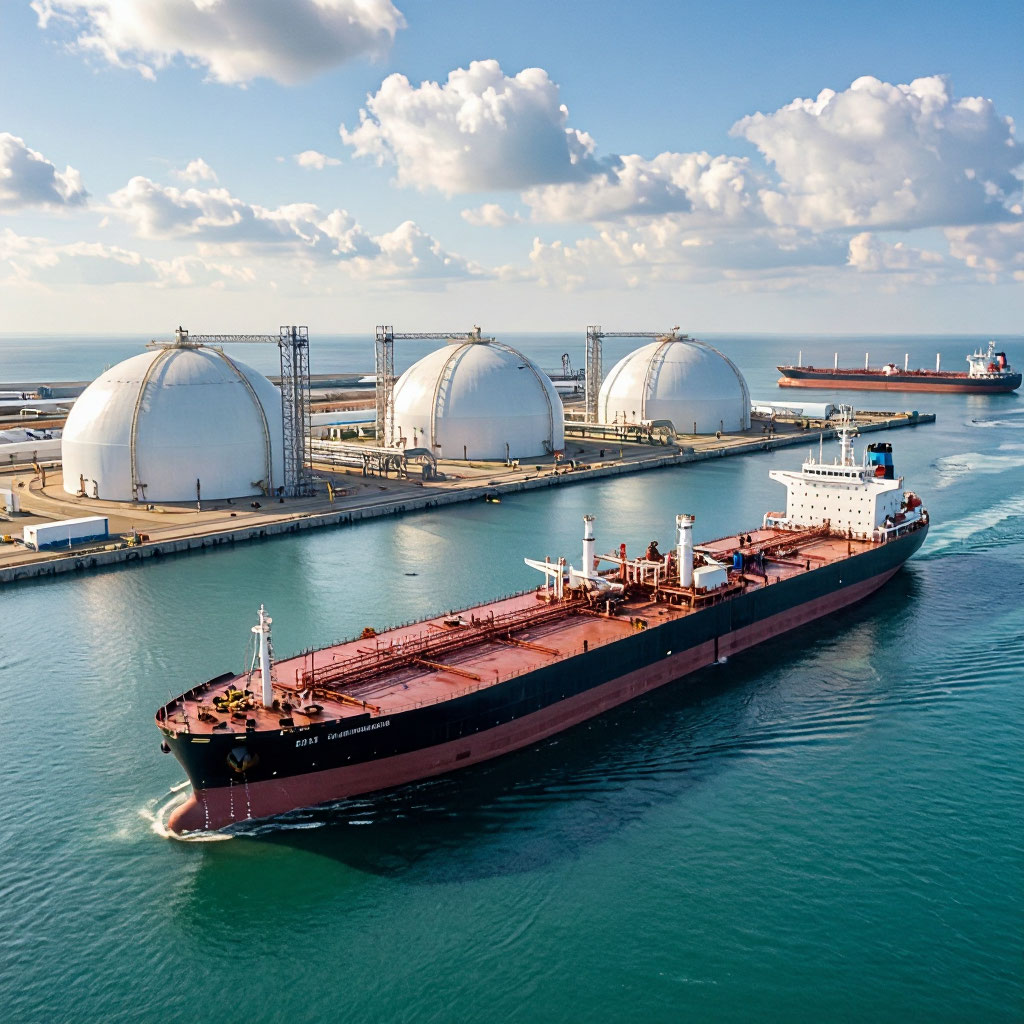
Oil, Gas & Energy News — 3 June 2026: Strait of Hormuz, OPEC+, LNG and the New Architecture of the Global Energy Market
Key Events of the Day
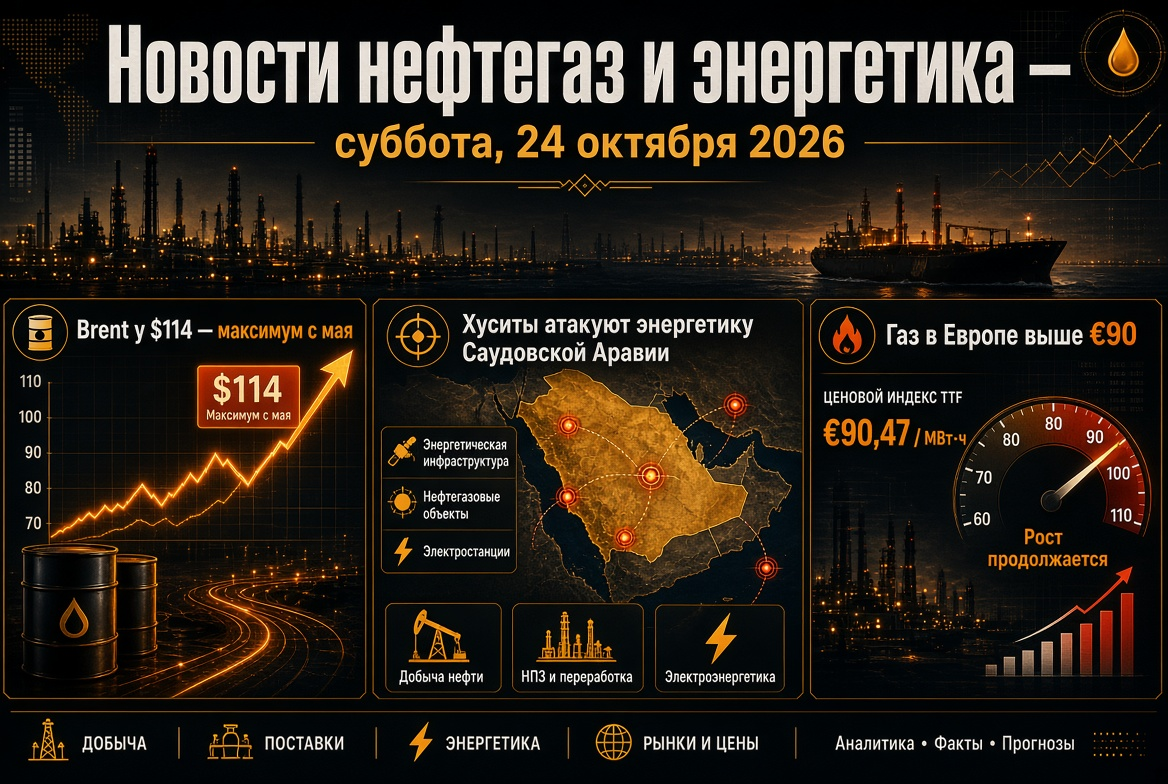
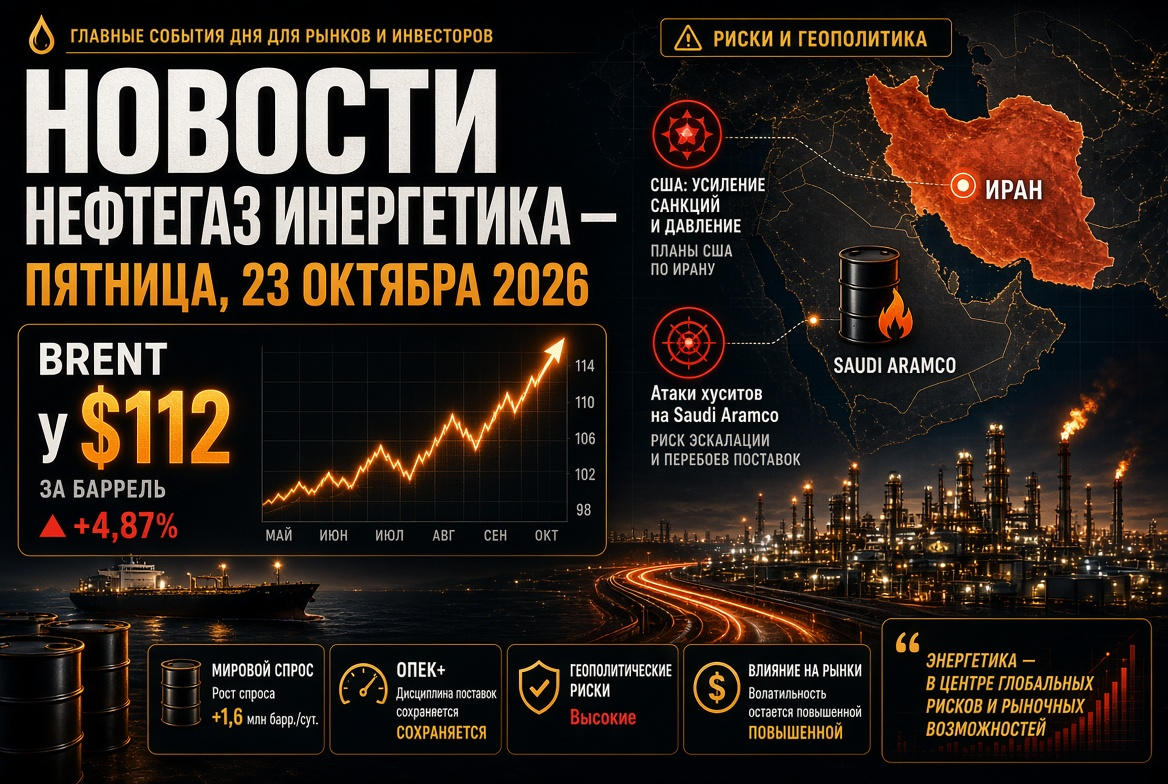
The start of June has become one of the most tense periods for the global energy market in recent years. The spotlight remains on shipping disruptions in the Strait of Hormuz, anticipation of OPEC+ decisions, competition between Europe and Asia for LNG supplies, and the rapid growth in energy consumption from artificial intelligence infrastructure.
For the global market, what is unfolding is no longer a localised Middle Eastern crisis. Investors are beginning to assess the likelihood of a new energy architecture taking shape, where security of supply becomes as critical as the cost of raw materials.
The Strait of Hormuz: Why the World Is Watching a Few Dozen Kilometres of Water
When it comes to the global oil market, most investors focus on Brent and WTI benchmarks. However, the true centre of the energy system remains the Strait of Hormuz — a narrow maritime corridor between the Persian Gulf and the Gulf of Oman.
Through it pass supplies from Saudi Arabia, Iraq, Kuwait, Qatar and the United Arab Emirates. Under normal conditions, this route handles a significant portion of global oil and liquefied natural gas trade.
The distinctive feature of the current crisis is that the market is assessing not just the likelihood of a physical oil shortage. Equally important factors are insurance premiums, freight costs, and the need to alter logistics routes.
Why Hormuz Affects the Entire World
Even if tankers continue moving, the cost of delivering raw materials rises, and consequently the final energy resource becomes more expensive. For consumers in Europe and Asia, this means higher import costs; for oil companies, increased profits; and for governments, stronger inflationary pressure.
That is precisely why every piece of news about negotiations surrounding Hormuz today impacts the market more than many macroeconomic indicators. In effect, the stability of one of the planet's key energy hubs is at stake.
Why Oil Isn’t Rising as Much as Analysts Expected
At first glance, the situation looks paradoxical. The market is facing the biggest geopolitical risk in years, yet prices are not showing the explosive growth seen during previous energy crises.
The reason lies in the changed structure of the global oil market. Today, several producers have spare capacity, and many countries have built up strategic reserves following crises in previous years.
In effect, the market is caught between two scenarios: a gradual normalisation of supplies and further escalation of the conflict. For now, investors do not see sufficient grounds for either scenario to fully play out.
What’s Next for Brent and WTI
Through to the end of summer, oil market dynamics will depend on a combination of three factors: OPEC+ decisions, the state of maritime logistics, and the pace of global economic growth. If even one of these factors shifts significantly, the price range could move quickly.
Demand from China and India is particularly important. These economies remain the largest drivers of commodity consumption, and any changes in their industrial activity are immediately reflected in oil prices.
OPEC+ Finds Itself in the Toughest Situation in Years
The upcoming OPEC+ meeting is shaping up to be a major test for the alliance. For many years, the organisation has balanced the market by adjusting production volumes.
Today the situation is far more complex. If the cartel sharply increases output, it could be seen as a signal of confidence that the crisis will soon be resolved. If volumes stay the same, the market may conclude that producers fear long-term supply disruptions.
The Spare Capacity Problem
Many countries can announce increased production on paper, but in reality not all have the ability to quickly bring additional volumes to export. Therefore, investors analyse not so much official quotas as actual production capabilities.
This indicator is becoming one of the key factors shaping prices through to year-end. The less spare capacity remains in the system, the higher the risk of sharp price spikes when new crises emerge.
Who Benefits from Energy Instability
Every crisis creates not only risks but also new winners. First and foremost, large oil and gas companies with low production costs benefit.
Additional advantages go to LNG infrastructure operators and tanker fleet owners. Historically, periods of logistical constraints lead to higher freight rates and increased revenues for carriers.
Investment Implications
Investors are turning their attention back to energy service companies. With prices remaining high, producers are increasing investment in exploration and field development, creating additional demand for drilling and services.
At the same time, interest is growing in companies operating in pipeline infrastructure, fuel storage and energy logistics. These areas may prove as important as resource extraction itself.
LNG Is Becoming the Decade’s Key Geopolitical Resource
Ten years ago, the global energy system was largely built around oil. Today, the LNG market increasingly determines the energy security of nations.
European countries continue to reduce dependence on individual suppliers and expand capacity to receive liquefied gas. In Asia, demand remains high from China, India, Japan and South Korea.
New Competition for Long-Term Contracts
For exporters, this means the opportunity to attract tens of billions of dollars in investment for new projects. For buyers, it means the need to secure access to future supply volumes ahead of time.
In effect, the global LNG market is beginning to play the role that the oil market performed for most of the 20th century. Control over export capacity is becoming an instrument of geopolitical influence.
Artificial Intelligence Has Unexpectedly Become a Factor in the Energy Market
One of the most underestimated trends of 2026 remains the impact of artificial intelligence on energy consumption. Every new data centre requires enormous amounts of electricity and a reliable grid connection.
Strain on Power Grids
The problem is that load growth is outpacing grid infrastructure modernisation. As a result, energy companies face a new reality: demand is rising faster than forecasts.
While capital recently flowed primarily into solar and wind generation, today interest is growing in gas-fired power plants, nuclear projects and energy storage systems.
Why Data Centres Are Changing Energy
Modern data centres are becoming anchor consumers of energy. They require round-the-clock uninterrupted power supply, making baseload generation sources and reserve capacity particularly sought after.
As artificial intelligence evolves, the need for computing resources will only grow. This means a long-term increase in electricity demand across virtually all major economies.
Why Coal Hasn’t Disappeared Yet
Despite the rapid expansion of renewable energy, coal demand remains resilient. The reason lies in the need to ensure power system reliability.
For rapidly growing Asian economies, energy security remains a priority. Consequently, coal is gradually becoming not a primary energy source but a safety net to cover peak demand.
The Energy Transition Proved More Complex Than Forecasts
Reality shows that abandoning traditional fuels requires enormous investment in grids, energy storage and backup capacity. Without these elements, large-scale renewables integration becomes difficult.
That is why many countries are choosing a hybrid model, where renewable energy develops alongside the retention of some conventional generation.
Renewables and Energy Storage: The Next Stage of Transformation
Renewable energy continues to attract record capital levels. However, the focus is gradually shifting from building new solar and wind farms to developing energy storage infrastructure.
Storage is becoming the link between intermittent generation and consumers. Without large-scale deployment of storage systems, further acceleration of the energy transition will be constrained.
Why Investors Are Looking at Networks, Not Just Generation
In recent years it has become clear that the main problem for many power systems is not a lack of generation capacity but insufficient grid capacity. Consequently, billions of dollars are flowing into modernising transmission lines and digitalising power system management.
For investors, this opens up a new market segment that can demonstrate steady growth independent of oil and gas price volatility.
What This Means for Investors and the Energy Market
The main takeaway from the start of June is that the global energy industry has entered a new phase. On one hand, the market still depends on oil, gas and strategic maritime routes. On the other hand, the growing influence of artificial intelligence, data centres and economic electrification is creating entirely new sources of demand.
In the coming months, investors will be watching the fate of the Strait of Hormuz, OPEC+ decisions, LNG market dynamics and the pace of energy infrastructure modernisation.
Scenarios Through to End of 2026
The base scenario assumes a gradual stabilisation of supplies through key logistics routes and the persistence of relatively high energy prices. In this case, oil and gas companies will continue generating strong cash flow, and investment in energy infrastructure will remain elevated.
An optimistic scenario envisages reduced geopolitical tensions and restored shipping. This could lead to a lower risk premium in oil prices and more moderate inflation.
A negative scenario involves further escalation of conflicts and new supply constraints. In such a case, the world could face another energy shock affecting both industry and consumers.
Long-Term Conclusion
The most important trend is not short-term price dynamics but the changing structure of global energy demand. The growth of the digital economy, the development of artificial intelligence, transport electrification and industrial modernisation are laying the foundation for years of rising energy consumption.
That is why the modern energy market should be viewed as a single system in which geopolitics, technology, logistics and investment are closely interconnected. This will define the development of the global energy sector in the second half of 2026 and beyond.