Oil and Gas and Energy News for Thursday, June 11, 2026: Oil Prices Rise Due to Risks Surrounding the Strait of Hormuz, Gas and LNG Market Situation, Refinery Load, Dynamics of Oil Products, Electricity, Renewables, and Coal
As of Thursday, June 11, 2026, global oil and gas and energy news is once again centering around the Middle East, restrictions around the Strait of Hormuz, persistently high oil prices, a tense balance of oil products, and an accelerated redistribution of investments in gas, LNG, electricity, renewables, coal, and networks. For investors, market participants in the energy sector, oil companies, refiners, oil product traders, and fuel companies, the main question of the day is how long the geopolitical premium will remain embedded in the prices of Brent, WTI, diesel, gasoline, jet fuel, and natural gas.
The energy market is increasingly responsive not only to the classical supply and demand formula. Key factors now include logistics, the availability of maritime routes, inventory levels, refinery utilization, the flexibility of LNG exporters, the ability of energy systems to withstand summer demand, and the speed at which new renewable capacities are brought online. In this situation, oil, gas, electricity, and oil products are becoming a unified system of global industrial resilience rather than separate segments.
Oil: Brent and WTI Again Receive a Risk Premium
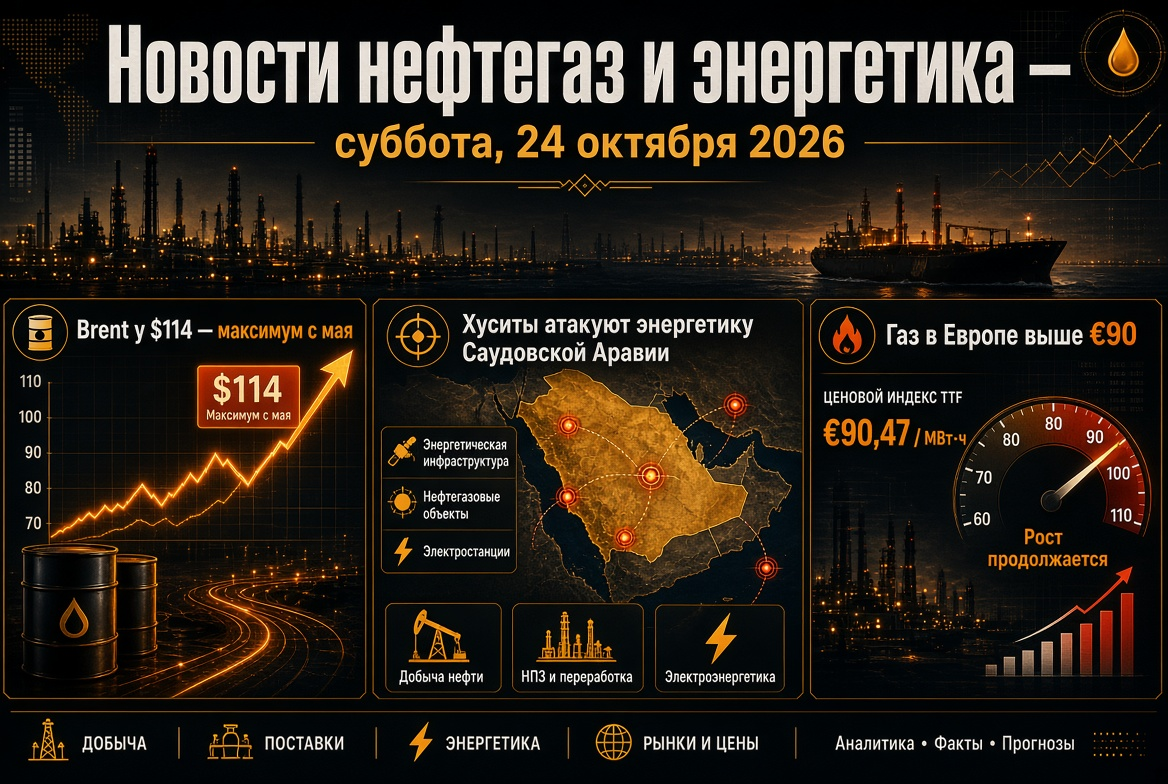
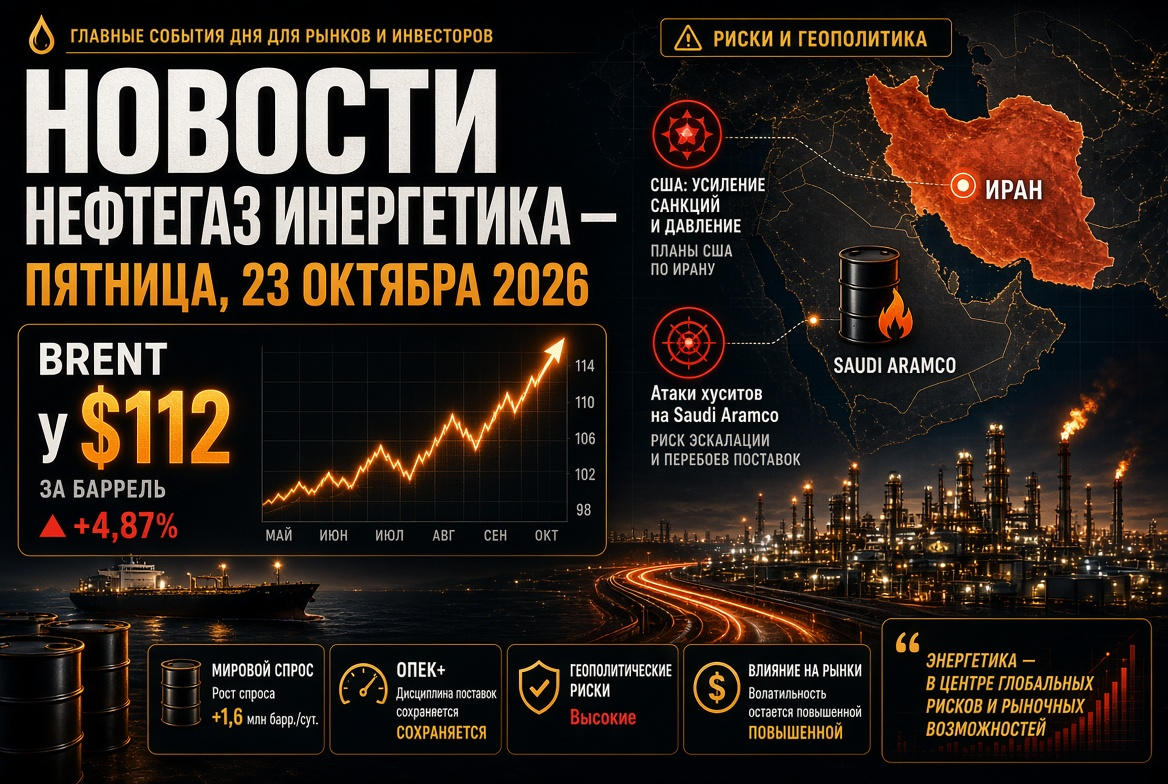
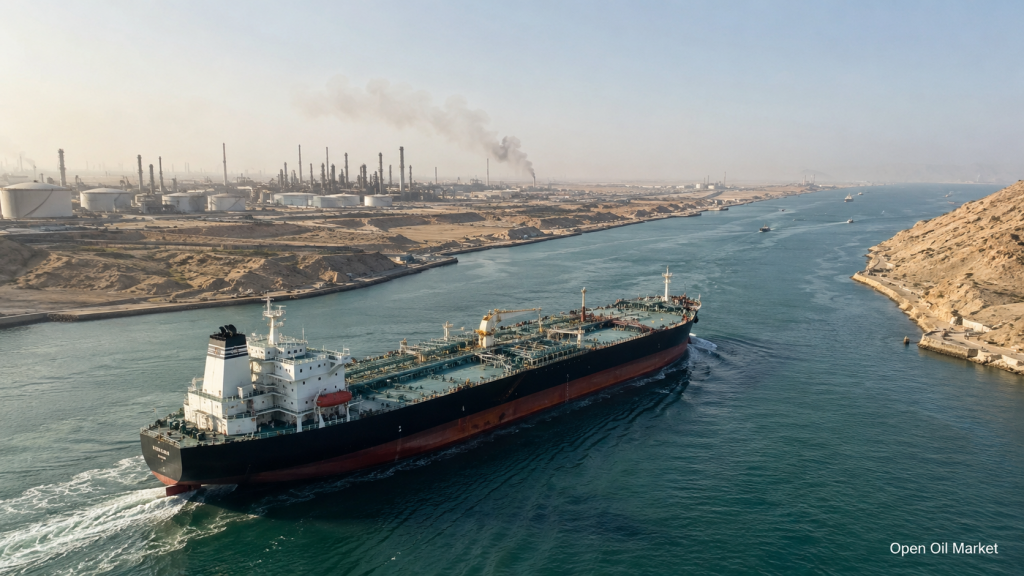
Oil prices remain influenced by the situation surrounding the Strait of Hormuz and the political-military tensions in the Persian Gulf region. Brent is trading near the zone above $90 per barrel, while WTI is also holding around the psychologically significant $90 level. For the oil market, this means that investors are once again pricing in not only the current balance of supply and demand but also the risk of supply disruptions.
For oil companies, this dynamic creates a dual effect. On one hand, high oil prices support revenues in the upstream segment. On the other hand, the increase in military and logistical premiums raises the costs of insurance, freight, inventory financing, and operations with oil. For refiners and raw material purchasers, the situation is more complex: refineries are forced to compete for available oil batches, and margins increasingly depend on the ability to quickly redirect supplies.
OPEC and OPEC+: Formal Quotas Diverge from Actual Production
A key signal for the market is the reduction of OPEC production to minimal levels in many years. Even if individual OPEC+ participants are formally ready to increase production, physical limitations, route blockages, sanction pressures, and instability in export infrastructure hinder the quick return of necessary volumes to the market.
For investors, this is an important structural moment. The oil market in 2026 is increasingly facing a situation where paper decisions about quotas do not translate into real barrels. This enhances volatility and supports a higher valuation for companies able to produce and export oil outside zones of direct geopolitical risk.
- Producers with sustainable logistics and access to ports benefit;
- The importance of oil and oil product inventories is rising;
- The role of the U.S., Latin America, Africa, and other alternative supply sources is increasing;
- For refiners, flexibility of the raw material basket and access to the tanker fleet become critically important.
Oil Inventories and Refinery Operations: The U.S. Bridges Part of the Global Deficit
The American market remains one of the main stabilizers of the global energy sector. A sharp reduction in commercial oil inventories in the U.S. and a high level of refinery utilization indicate that refining is operating to compensate for global disruptions. Utilization of refining capacities above 95% points to a high demand for gasoline, diesel, jet fuel, and other oil products.
For the oil products market, this means the retention of tension in the diesel and middle distillate segments. Diesel is essential not only for transport but also for industry, agriculture, mining, logistics, and backup generation. Therefore, the shortage of diesel and the growth of refinery margins can directly impact inflation, transportation costs, and prices of end products.
Oil Products: Gasoline, Diesel, and Jet Fuel Remain in Focus
Oil products are becoming one of the most sensitive segments of the energy market. High oil prices are already being passed through to wholesale prices for gasoline, diesel, and jet fuel. For fuel companies and traders, this creates an increased need for working capital: purchasing batches becomes more expensive, logistics riskier, and clients increasingly demand deferrals and fixed delivery terms.
The most important factors for the oil products market as of June 11 include:
- Availability of diesel in Europe and Asia;
- Utilization levels of American and European refineries;
- Costs of marine logistics and insurance;
- Trends in gasoline demand during the summer season;
- Inventories of distillates ahead of the autumn-winter period.
For oil companies and refineries, the current situation may support refining margins but simultaneously increases operational risks. Any unscheduled maintenance, accident, or logistical failure could amplify the deficit of specific fuel types.
Gas and LNG: Investments Shift Toward Supply Security
The gas market in 2026 is becoming as significant as the oil market. The U.S. is ramping up natural gas production and LNG exports, while global buyers are keen to diversify their supplies following disruptions along traditional routes. For Europe, Asia, and Middle Eastern countries, LNG is becoming a strategic resource that links electricity, industry, and the heating season.
The increasing investments in gas projects, LNG terminals, fleet, and storage infrastructure demonstrate that the market is not ready to quickly move away from gas. Even against the backdrop of renewable energy development, natural gas remains a key balancing fuel for energy systems. This is particularly evident in countries where the share of solar and wind generation is growing faster than networks, storage facilities, and backup capacities.
Electricity: Networks Become the New Bottleneck for Energy
Electricity is becoming a central theme in global energy. Data centers, electric vehicles, industrial electrification, summer conditioning, and the development of artificial intelligence are increasing the load on energy systems. Furthermore, the issue is no longer just about the volume of generation, but also about the ability of networks to connect new capacities.
The UK is accelerating the connection of hundreds of energy projects, including wind generation, solar stations, battery storage, gas, and hydropower facilities. This is an important signal for the entire global market: investments in renewables without network infrastructure do not yield full effects. For investors in electricity, companies operating in segments such as:
- Network infrastructure;
- Energy storage;
- Load management;
- Digitalization of energy systems;
- Backup and flexible generation.
Renewables and Coal: The Energy Transition Becomes More Pragmatic
Renewables continue to occupy an increasingly significant place in the global energy balance, but 2026 shows that the energy transition is not linear. China is actively developing solar, wind, and hydropower, while still maintaining a significant role for coal as a backup resource for the energy system. Europe is accelerating the development of clean generation but faces price volatility during weak wind, hot weather, and limited gas stocks.
Coal remains a controversial but demanded tool for energy security. During periods of expensive LNG and unstable gas supplies, certain countries are reverting to coal generation as a backup source. For investors, this means that the coal sector can maintain short-term profitability, but in the long run, it faces pressure from regulations, ESG requirements, and competition from renewables.
The Main Risks for Investors and Energy Sector Companies
As of June 11, 2026, the global energy sector is in a phase of heightened uncertainty. For investors, oil companies, gas producers, refinery owners, oil product traders, and electricity companies, the following risks remain pivotal:
- Geopolitical Risk. Any escalation of conflict around the Strait of Hormuz could quickly elevate prices for oil, LNG, and oil products.
- Logistical Risk. Limitations on tanker routes increase transportation and insurance costs.
- Inventory Risk. Reductions in oil and distillate inventories heighten the market's sensitivity to accidents and disruptions.
- Inflation Risk. High energy prices could amplify pressure on consumer prices and interest rates.
- Network Risk. Insufficient electric grid and storage capabilities could slow the development of renewables and industrial electrification.
The Energy Market Reevaluates Security, Flexibility, and Infrastructure
The main theme for Thursday, June 11, 2026, is the reevaluation of energy security. Oil prices are rising due to disruption risks, gas and LNG receive a strategic premium, refineries are operating at high capacity, oil products remain a sensitive inflationary factor, and electricity and renewables increasingly depend on the state of the grids.
For investors, the global energy sector today appears not as a single commodity cycle, but as a set of interrelated infrastructure markets. The most resilient companies may be those that control not only oil and gas production, but also refining, storage, logistics, export channels, electric grids, generation, and demand management technologies.
In the coming days, market participants should monitor the dynamics of Brent and WTI, news surrounding the Strait of Hormuz, oil and distillate inventories in the U.S., LNG exports, refinery utilization, electricity prices in Europe and Asia, as well as decisions on connecting new renewable capacities. These factors will determine the direction of the global energy market, oil product prices, and investment valuations for companies in the oil, gas, and electricity sectors.