Global Fuel and Energy Market: Oil Tankers, LNG, Refineries, Power Lines, Renewable Energy Sources, and Energy Infrastructure
As of Saturday, May 9, 2026, the global fuel and energy complex is experiencing heightened volatility. A primary concern for investors, market participants in the energy sector, oil and fuel companies, refineries, and electricity producers is the preservation of the geopolitical premium in prices for oil, gas, and petroleum products. The conflict surrounding Iran and uncertainties regarding navigation through the Strait of Hormuz continue to impact not only Brent and WTI prices but also the entire commodity sector: LNG, diesel, jet fuel, fuel oil, coal, electricity, and renewable energy sources (RES).
For a global audience, the key takeaway remains unchanged: the market increasingly evaluates energy beyond just oil prices. The focus is now on the entire supply chain — from extraction and tanker logistics to refinery utilization, petroleum product inventories, gas pricing, grid stability, and the capacity of RES to meet the growing demand for electricity.
Market Focus: The Strait of Hormuz and Energy Security Premium
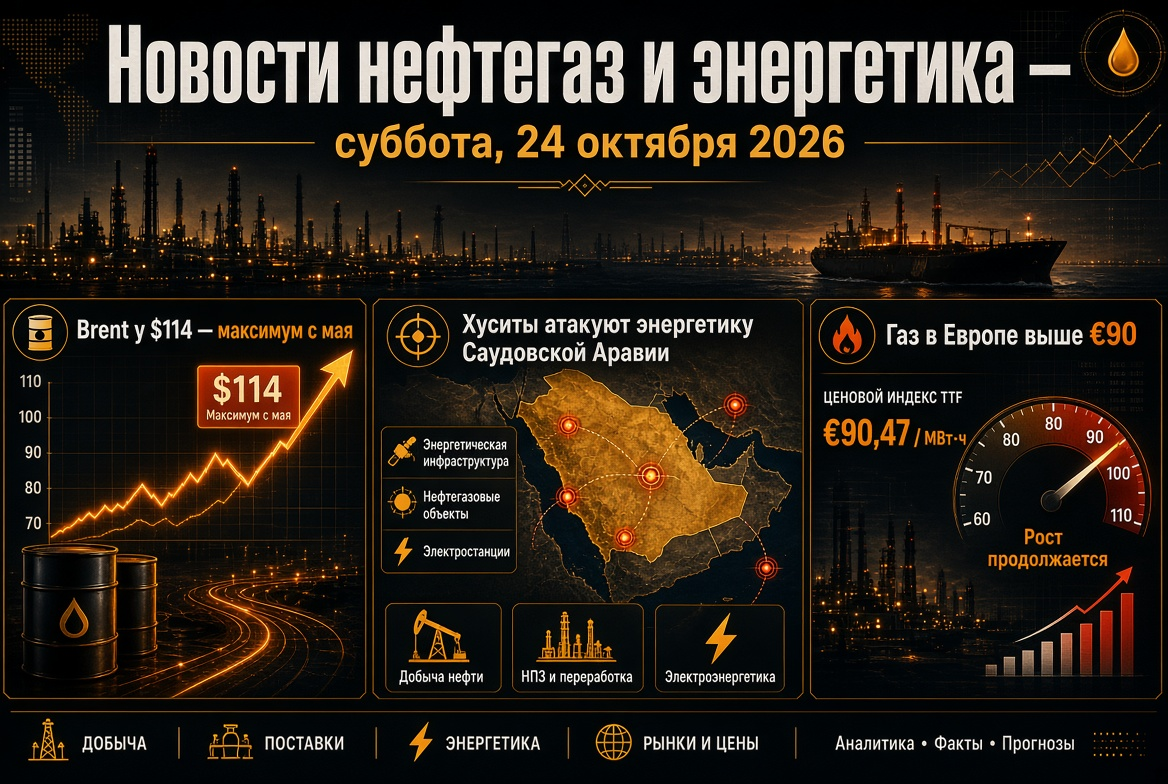
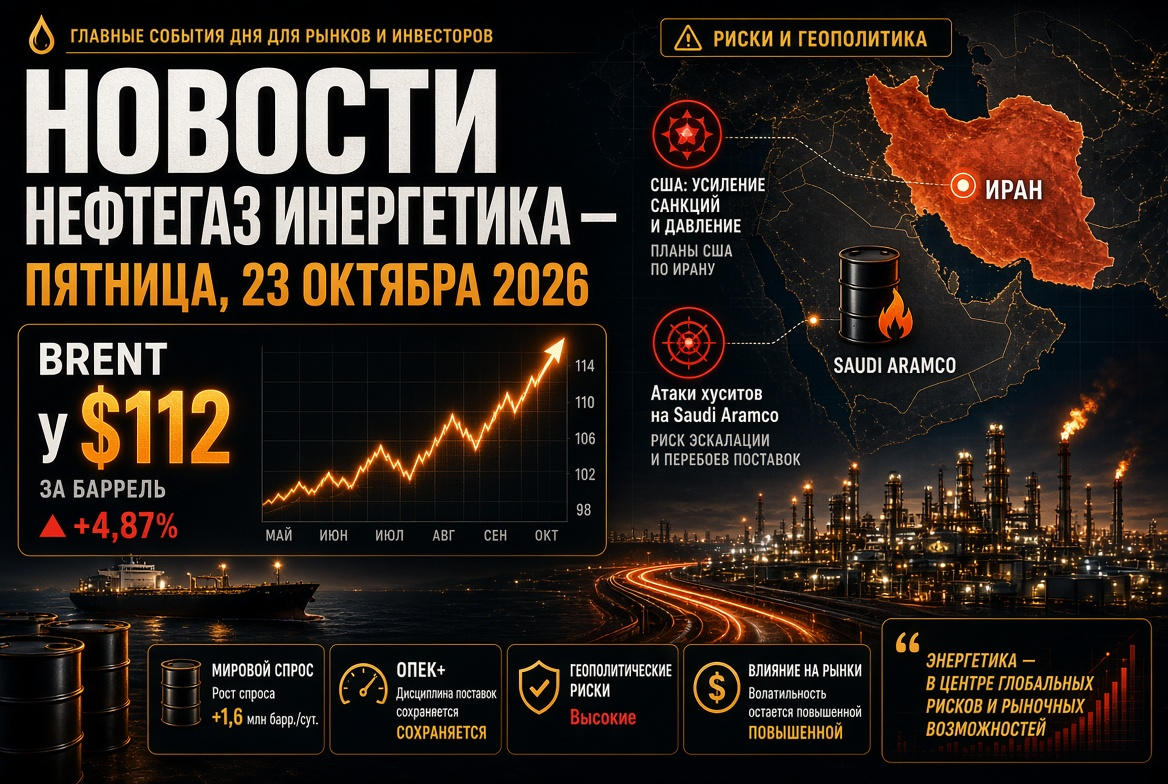
On May 9, 2026, the global oil market remains sensitive to any signals from the Middle East. Brent holds above $100 per barrel, while WTI trades near the mid-$90 range. The market dynamics remain tense: reports of a potential peace agreement between the U.S. and Iran lower prices, but new episodes of tension quickly return the risk premium.
For the oil and gas sector, three fundamental scenarios are crucial:
- De-escalation: Partial recovery of shipping through the Strait of Hormuz may reduce Brent premiums and ease pressure on petroleum products.
- Prolonged Uncertainty: Oil, LNG, and petroleum products will remain expensive, with insurance and freight costs continuing to impact supply.
- New Escalation: The market will quickly shift to assessing the shortage of physical barrels, especially for Asia and Europe.
For investors, this signals that the commodity sector will trade not only on the fundamental balance of supply and demand in the coming weeks but also on expectations regarding route security, vessel insurance, and the availability of alternative supplies.
Oil: Brent Remains a Fear Indicator, but Not the Whole Picture
The oil market is currently demonstrating a divergence between futures prices and physical demand for specific grades of crude. Brent above $100 per barrel reflects ongoing risk, but for refineries and oil companies, the availability of medium-sulfur crude, logistics costs, and crude quality are equally significant. Supply constraints from the Middle East are particularly sensitive for Asian refiners, who traditionally rely on Middle Eastern grades.
For oil companies, high oil prices support cash flow but simultaneously pose risks of demand destruction. Elevated gasoline, diesel, and jet fuel prices gradually pressure consumers, transportation, airlines, and industry. Thus, investors assess not only the current refining margins but also the demand stability in the second and third quarters of 2026.
Gas and LNG: Asia Draws Cargoes, Europe Risks Falling Behind on Injection
The gas market remains one of the most vulnerable segments of the fuel and energy complex. Spot prices for LNG in North-East Asia have decreased following previous gains but remain high for some buyers. Asia competes with Europe for available LNG cargoes, particularly against the backdrop of expectations for a hot summer in South Korea, Japan, Taiwan, India, and Southeast Asian countries.
The European gas market currently appears calmer, but the challenge lies in the pace of storage replenishments. If available LNG cargoes predominantly flow to Asia, Europe may face more expensive injections as autumn approaches. This is particularly significant for the electricity sector, industry, and companies reliant on stable natural gas pricing.
For investors in the gas sector, key indicators include:
- Prices of LNG in Asia and Europe;
- Speed of recovery in supplies from Qatar;
- Filling levels of European gas storage facilities;
- Summer demand for cooling and electricity;
- LNG tanker freight rates.
Petroleum Products and Refineries: The Market Looks at Diesel, Jet Fuel, and Fuel Oil
In 2026, petroleum products have become a separate center of tension. Even if oil does not hit extreme highs, refining deficits and supply issues create significant pressure on diesel, jet fuel, gasoline, and fuel oil. For refineries, this means rising margins in some regions and operational constraints in others.
Asian refineries are particularly sensitive to disruptions in Middle Eastern oil supply. Reduced refining throughput limits diesel and jet fuel output, impacting the transportation sector, aviation, logistics, and industry. Meanwhile, American refiners gain an advantage due to demand for petroleum product exports and more stable access to raw materials.
A distinct signal arises from the fuel oil market: Asia has begun actively seeking alternative supplies, including cargoes from distant regions. This indicates that the petroleum products market is restructuring routes faster than the crude oil market.
Electricity: Demand Grows Faster than Grids Can Adapt
Electricity has become a central theme in the global energy sector. The rise in consumption is linked not only to weather conditions but also to data centers, artificial intelligence, industrial electrification, and the repatriation of some manufacturing closer to consumer markets. In the U.S., the largest energy systems are already discussing reforms to capacity markets, as new data centers are creating loads comparable to industrial surges.
For energy companies, this opens long-term investment opportunities: gas-fired power plants, networks, energy storage, transformers, cable infrastructure, and reserve capacities become strategic assets. However, for consumers, rising loads mean a risk of higher tariffs.
RES: Solar Power Grows, But the Market Faces Integration Challenges
Renewable energy continues to rapidly increase its share in the global energy balance. In Europe, solar generation has become one of the main drivers of the energy transition: capacities are growing, output is increasing, and during certain periods, solar stations already constitute a significant portion of daytime electricity supply.
However, RES is entering a new phase. The main question now is not just about building solar and wind capacities, but about their integration into the energy system. Excessive solar generation during daytime hours can provoke negative electricity prices, reduce profitability for producers, and increase the need for energy storage systems.
For investors in RES, the most promising opportunities are not only the solar and wind projects themselves but also the supporting infrastructure: batteries, smart grids, balancing capacities, demand management software, and long-term power purchase agreements.
Coal: The Backup Resource Again Receives Support from Expensive Gas
Coal remains an important element of the global energy mix, despite the accelerated growth of RES and climate agendas. In Asia, thermal coal receives moderate support due to expensive LNG and gas supply risks. Japan, South Korea, China, India, and Southeast Asian countries continue to utilize coal as a backup and base electricity source.
While a strong coal rally is not yet observed, high LNG prices increase the attractiveness of fuel switching. For coal producers, this creates short-term price support, and for energy companies, it offers an additional tool for balancing the system during peak demand periods.
Infrastructure and Extraction: Capital Returns to Energy Assets
The North American energy sector is gaining additional momentum from high oil prices, increased gas demand, and the need for export infrastructure. The rise in drilling activity in the U.S. indicates cautious responses from producers to market signals, yet they are not pursuing aggressive production increases. Companies continue to focus on capital discipline, dividends, and reducing debt burdens.
Infrastructure companies benefit from another trend: the market requires pipelines, terminals, storage, export capacities, gas infrastructure, and connections for new power plants. For long-term investors, this may be a more sustainable theme than merely betting on the short-term movements of Brent.
What Investors Should Monitor on May 9, 2026
For investors, market participants in the energy sector, fuel companies, oil companies, refineries, and electricity producers, the coming days will be shaped not by a single factor but by a combination of signals across the entire energy chain.
- Dynamics of Brent and WTI following new developments concerning the U.S., Iran, and the Strait of Hormuz;
- Cost of LNG in Asia and Europe;
- Refinery utilization rates and margins for diesel, gasoline, and jet fuel;
- Inventories of petroleum products in the U.S., Europe, and Asia;
- Electricity demand from data centers and industry;
- Development pace of RES, energy storage, and grid infrastructure;
- Prices of thermal coal and the extent of fuel switching in Asia.
The main conclusion for the energy market as of Saturday, May 9, 2026, is that global energy remains in a state of heightened uncertainty, yet this uncertainty is shaping new investment opportunities. Oil and gas maintain strategic importance, petroleum products are becoming a critical indicator of real shortages, electricity is evolving into the primary growth market, and RES and coal simultaneously reveal that the energy transition will not be linear but hybrid. For investors, the most rational strategy is to look beyond just the price of a barrel to the entire structure of the energy balance: extraction, logistics, refining, generation, grids, and end demand.