Global Oil, Gas, and Energy Market Update: Geopolitics, Oil Prices, LNG Market Margins, and Key Trends in the Energy Sector (March 20, 2026)
The global fuel and energy complex enters Friday, March 20, 2026, under a sharp increase in geopolitical premiums. For investors, oil companies, fuel distributors, refineries, and market participants, the primary drivers are not only the supply-demand balance but also the resilience of export infrastructure. Oil, gas, electricity, and petroleum products are once again trading with adjustments for disruption risks, positioning the energy sector as a key indicator of global inflationary pressures.
The current landscape for the energy market is heterogeneous. On one hand, oil prices, the LNG market, and the petroleum products segment have received a strong upward momentum. On the other hand, high volatility creates a challenging environment for refiners, importers, and industrial consumers. At the same time, renewable energy sources (RES), coal, and nuclear generation are being reconsidered by numerous regions, not only as part of the energy transition but also as tools for energy security.
The Oil Market: Geopolitics Back as the Primary Price Driver
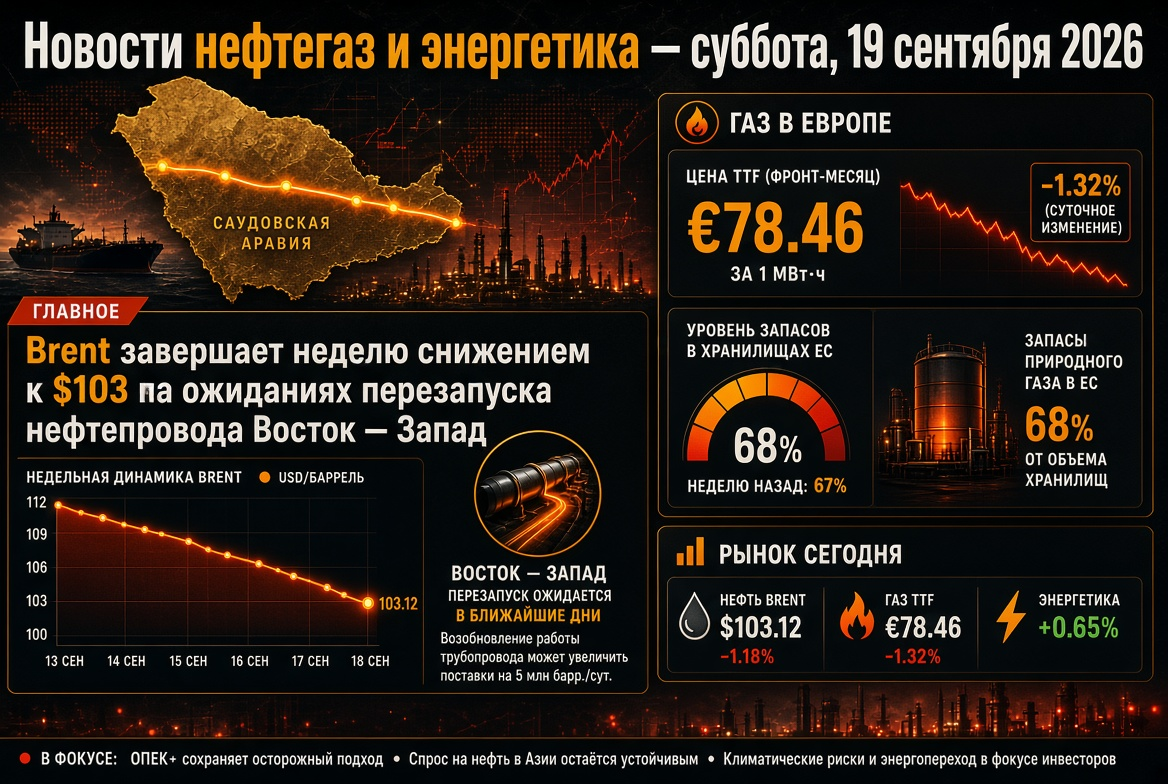
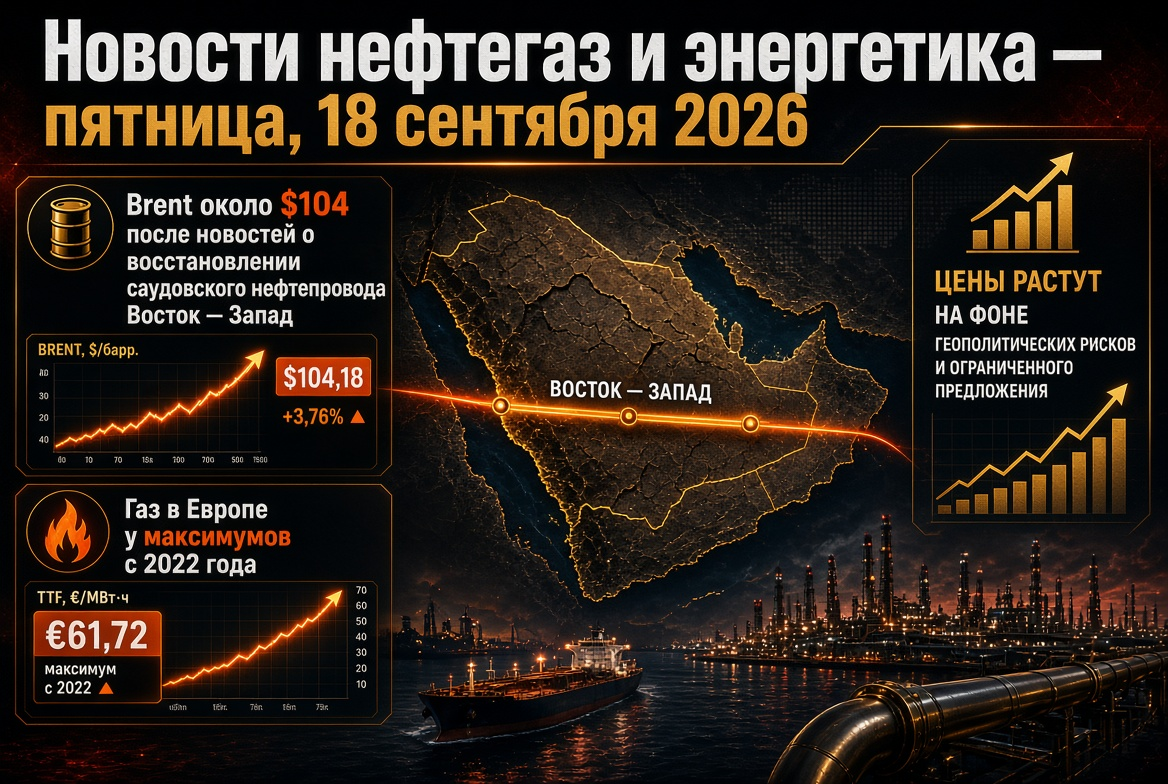
In the global oil market, the key theme remains the surge in geopolitical premiums. If at the beginning of 2026 investors were discussing the risk of oversupply and moderate demand, by the end of March, the market has shifted to a different phase: physical risks to raw material supplies, export logistics, and shipping routes are now in the spotlight.
For oil companies and traders, this means a transition from the "price versus balance" model to the "price versus barrel availability" model. In this configuration, even temporary disruptions create higher premiums in Brent prices, and the market reacts more swiftly to any news from the Middle East than to traditional macroeconomic factors.
- Oil remains sensitive to supply disruption risks via key export hubs.
- The risk premium supports both Brent and spreads on near-term contracts.
- Investors are increasingly assessing not just nominal production volumes but also the availability of crude for refining and delivery.
For participants in the energy market, this elevates the significance of logistics, supply chain insurance, and contract structures. In the short term, oil may remain expensive even with imperfect demand if threats to physical infrastructure persist.
Gas and LNG: Supply Shock Intensifies Pressure on Europe and Asia
The gas market appears even more strained. The LNG segment has become one of the main sources of volatility in March, with any disruptions at major export facilities immediately impacting prices in Europe and Asia. For the global gas market, this indicates a return to a premium for supplier reliability, routing, and portfolio flexibility.
Europe remains vulnerable due to import dependency. Even with developed regasification infrastructure and diversified supply, the region remains sensitive to any reductions in available LNG cargoes. This is particularly relevant for the power sector, as high gas prices drive up generation costs and reignite discussions about energy balance structure.
- LNG importers are compelled to compete for available volumes on the spot market.
- Gas prices are more dependent on logistics and force majeure events than on seasonal demand.
- Industrial consumers and the power sector face the risk of rising costs in Q2.
For oil and gas as well as energy sectors, this indicates that gas is once again becoming a strategic commodity rather than merely a transitional fuel. Against this backdrop, major importers are sharpening their focus on long-term contracts, LNG terminals, and domestic reserves.
Refineries and Petroleum Products: Refining Gains the Window of Super Margin
One of the most noticeable effects of the March turbulence is manifested in the petroleum products segment. Refineries in Asia and other import-dependent regions face more expensive feedstock but simultaneously benefit from high crack spreads for diesel, jet fuel, and various middle distillates.
For the petroleum products market, this creates a complex but potentially profitable environment. Refineries that are well-sourced and have robust logistics can operate with enhanced margins, while those dependent on specific crude grades or constrained by supply risk reduced throughput.
- Diesel and jet fuel remain key drivers of refining margins.
- High margins do not guarantee profitability when feedstock is scarce.
- The petroleum products market is becoming increasingly dependent on export restrictions and redirected flows.
For investors, this is an important signal: in the current phase, not all oil companies benefit equally. Vertically integrated groups that have exploration, transportation, refining, and marketing embedded in a unified system gain the advantage.
Electricity in Europe: High Gas Prices Alter Generation Structure
The European electricity market is entering a new zone of tension. Rising gas prices render gas-fired generation less competitive and enhance interest in alternative sources. In the short term, this raises the profile of coal, nuclear generation, and crisis support mechanisms for the electricity market.
For countries with high import dependency, expensive gas means not only higher electricity prices but also increased political pressure on authorities. Central discussions focus on measures to accelerate gas supplies, stabilize the electricity market, and limit costs for industry.
The key takeaway for energy sector participants is clear: even as the energy transition continues, system reliability remains more crucial than ideal decarbonization at this moment. Therefore, coal and nuclear temporarily gain additional weight in the energy balance, while RES are considered as a way to reduce dependence on imported gas in the future.
Renewable Energy, Coal, and the Energy Transition: Pragmatism Overrides Ideology
The RES sector retains strategic appeal, but in March 2026, the emphasis shifts from the "green agenda" to energy resilience. Solar and wind generation help lower fossil fuel shares in the energy balance; however, during gas price shocks, markets increasingly act pragmatically: where feasible, they revert to coal capacities or extend the lifespan of traditional generation.
This does not negate the long-term growth of RES. On the contrary, the current crisis reinforces the investment thesis: the greater the region's dependence on imported fuels, the higher the strategic value of local generation. For the electricity market, this is a crucial pivot—RES become not solely an environmental tool but also an economic safeguard against price shocks.
Asia: Competition for Resources, LNG, and Refining Utilization
Asian oil, gas, and petroleum product markets remain at the epicenter of flow redistribution. For China, India, Japan, South Korea, and Southeast Asian nations, the key issue becomes the physical availability of resources and gas, not just price. Asia forms a significant part of global demand for LNG, petroleum products, and specific grades of oil; thus, any logistical tension immediately affects regional margins and refinery utilization.
Should the supply shock in the Middle East prolong, Asian importers will increasingly compete for alternative volumes from the U.S., Africa, and other regions. This will support the global oil and gas markets and may also lead to further increases in transportation rates and insurance costs.
Russia, Export Routes, and Flow Redistribution
For Russian oil and gas and related resource markets, the March turbulence carries a mixed effect. High oil and petroleum product prices potentially improve export profitability, yet simultaneously elevate the significance of infrastructure risks, pricing schemes, delivery routes, and export logistics resilience.
In the gas sector, remaining pipeline routes and competition with the global LNG market remain the focus. For the energy market, this means that any export channel is now evaluated not only by volume but also by its level of security. In this environment, suppliers capable of swiftly redirecting flows, hedging risks, and operating with a diversified client base thrive.
Key Factors for Investors and Market Participants to Watch in the Coming Days
By the end of the week, the oil and gas market will be especially responsive to the following factors:
- News regarding the security of oil and gas export infrastructure;
- Dynamics of the LNG market and availability of spot cargoes;
- Refinery margins for diesel, jet fuel, and other petroleum products;
- Decisions by European authorities concerning the electricity market and gas supplies;
- Signals regarding whether coal and nuclear power will be temporary beneficiaries of expensive gas;
- Behaviors of oil companies, fuel distributors, and large importers in Asia.
Conclusion: The Global Energy Sector Returns to a High Premium for Energy Availability
On Friday, March 20, 2026, the global energy sector starts with a clear conclusion: the energy market is once again trading primarily on supply reliability themes. Oil prices rise due to geopolitics, gas and LNG factor in a scarcity premium, the petroleum products market supports high refinery margins, and electricity in Europe increasingly relies on the cost of imported fuels.
For investors and market participants, this signals a return to the fundamental rule of the commodity cycle: during a crisis, success is not solely for those who extract but also for those who can deliver, refine, and sell energy at the right point in the supply chain. Consequently, in the coming days, the focus will remain on oil, gas, electricity, RES, coal, petroleum products, and the resilience of global energy infrastructure.