The Global Fuel and Energy Sector Enters May 28, 2026, with a Rare Combination of Factors: Oil Prices Retreat Amid Expectations of De-escalation Around the Strait of Hormuz, but Gas, LNG, Electricity, Coal, Oil Products, and Refineries Continue to Operate Under Conditions of Increased Volatility
For investors, participants in the energy sector, fuel companies, oil companies, and power operators, the key question of the day is not just the current price of Brent or WTI. Far more crucial is how resilient the recovery of logistics will be, how quickly oil and gas flows will normalize, whether refineries can maintain margins, and whether electricity generation can withstand rising demand amid heatwaves, data centers, and a structural energy transition.
The global energy market remains highly sensitive to news from the Middle East, decisions made by OPEC+, US inventory dynamics, demand from China and India, as well as the competition between Europe and Asia for LNG. The focus is shifting from individual quotes to the ability of energy supply chains to adapt to a prolonged period of geopolitical instability.
Oil: Brent Retreats, but Risk Premium Remains
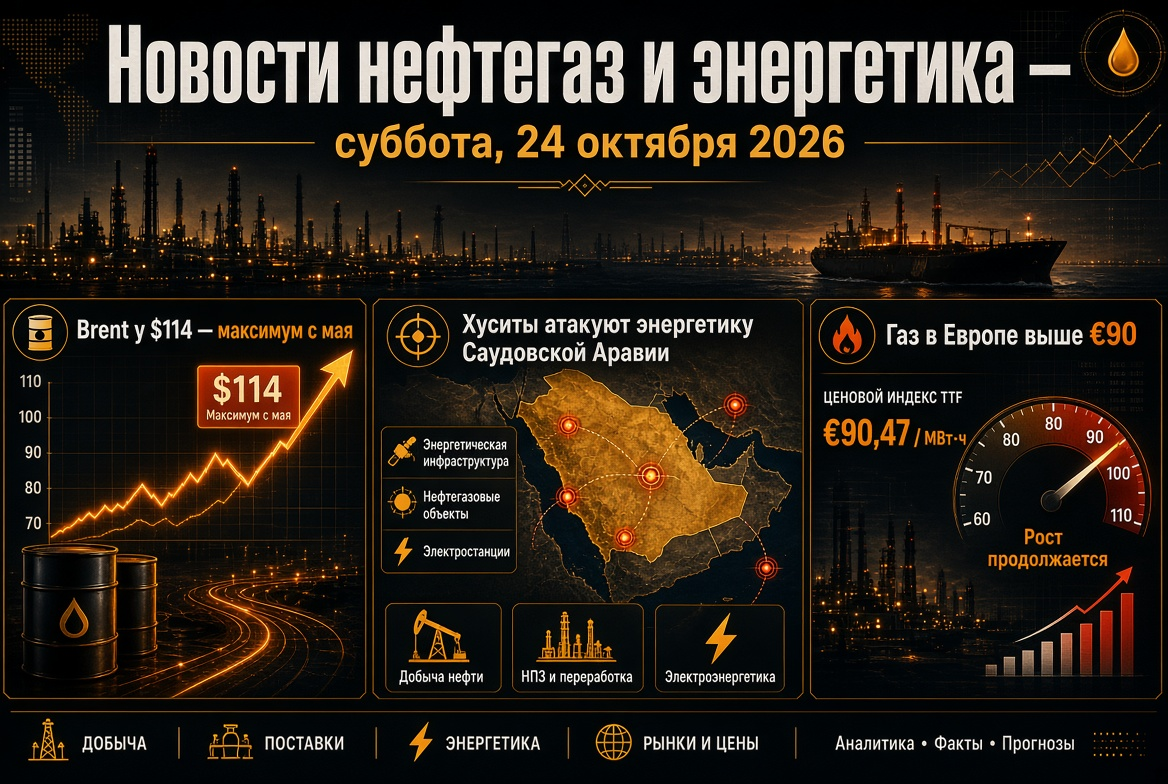
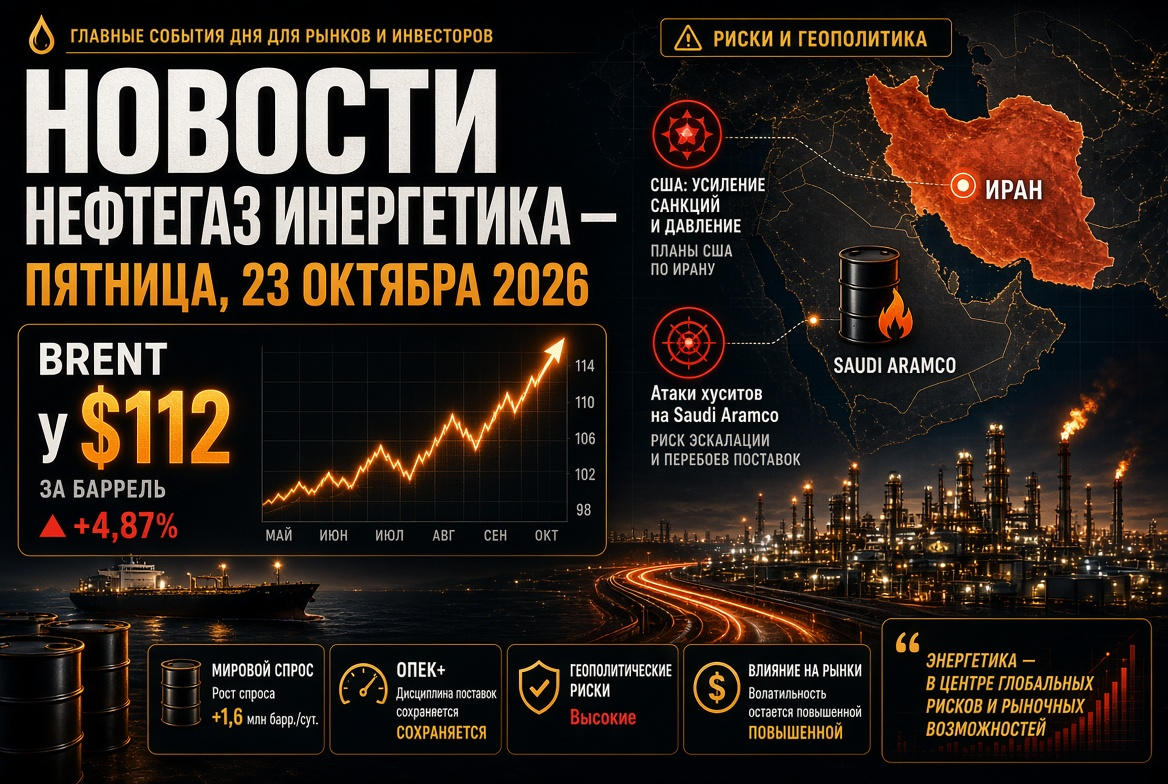
The main news for the oil market is the sharp drop in prices following reports of potential diplomatic progress around the Strait of Hormuz. Brent has fallen to the mid-$90s per barrel range, while WTI has dropped even more significantly, reflecting expectations of a partial recovery in maritime logistics and a reduced risk of raw material shortages.
However, this does not signal a full reversal to a calm balance in the oil market. Prices remain significantly higher than levels typical of a normal surplus market. Geopolitical premiums persist in quotes, as market participants have not received definitive confirmation of a sustainable agreement and the rapid restoration of all supply routes.
Key factors for oil on May 28 include:
- Expectation of a possible reopening of the Strait of Hormuz to commercial shipping;
- Continued supply disruptions of Middle Eastern oil;
- Declining global inventories of raw materials and oil products;
- High market sensitivity to statements from the US, Iran, and Gulf states;
- The approaching summer demand season for gasoline, diesel, and aviation fuel.
For oil companies, the current situation creates a mixed backdrop: high prices support cash flow in the production segment, but sharp volatility complicates hedging, logistics, refinery loading planning, and long-term investment decisions.
OPEC+ and Supply Balance: The Market Awaits Signals on July Production
OPEC+ remains a central factor for the global oil market. Amid geopolitical constraints and supply disruptions, the alliance must balance two tasks: avoid supply shortages and simultaneously prevent prices from collapsing due to a sharp increase in production.
Investors are closely monitoring preparations for the June discussions on production parameters for July. Even a modest increase in quotas may be perceived by the market as a signal of producers' readiness to stabilize supply. However, the actual ability to increase exports depends not only on OPEC+ decisions but also on the safety of maritime routes, the availability of tanker fleets, cargo insurance, and the state of infrastructure in the region.
For the energy sector, this means that formal quotas are increasingly less effective as a standalone benchmark. Real physical availability of oil, the speed of logistics recovery, and the ability of buyers to redistribute purchases between the Middle East, the Atlantic basin, the US, Latin America, and other export directions are becoming more important.
Stocks and Oil Products: Refineries Operate Under Compressed Buffer Conditions
The situation with oil and oil products inventories remains tense. Strong draws from US commercial and strategic reserves indicate that the market is already utilizing buffer mechanisms to compensate for disruptions in global raw material trade.
This is especially important for refineries. High processing rates support the output of gasoline, diesel fuel, aviation kerosene, and other oil products, but limited raw material stocks increase the risk of margin fluctuations. If oil continues to decline in price faster than oil products, refinery margins may temporarily improve. However, if logistics deteriorate again, processors will face rising raw material costs, supply disruptions, and heightened competition for quality grades of crude oil.
In the oil products market, investors should monitor three indicators:
- The dynamics of gasoline stocks ahead of the summer driving season;
- The level of diesel fuel and middle distillate stocks;
- The loading rates of refineries in the US, Europe, India, China, and Middle Eastern countries.
For fuel companies and oil product traders, the primary risk is not just the price of oil, but also potential discrepancies in regional balances. Some markets may face a shortage of diesel or aviation kerosene, while others may experience temporary oversupply due to reduced exports or changes in supply routes.
Gas and LNG: Europe and Asia Compete for Flexible Supplies
The gas market reacts to the same geopolitical signals as oil, but with its own logic. European gas prices have decreased amid hopes for the restoration of shipping through the Strait of Hormuz; however, the LNG market remains jittery. Any supply disruption from the Middle East immediately intensifies competition between Europe and Asia for available shipments of liquefied natural gas.
Europe continues to inject gas into storage ahead of the winter season, but stock levels remain an important risk factor. If Asia begins to attract LNG more actively due to heat and rising electricity demand, European consumers will have to pay a higher premium for supplies.
In this context, the strategic role of long-term contracts is increasing. LNG supply deals from North America, including projects in Canada and the US, are becoming part of the new architecture of energy security. For buyers, this is a way to reduce dependence on unstable routes; for producers, it represents an opportunity to secure demand for decades ahead.
Power Generation: Heat, Data Centers, and Grid Constraints
The power sector is becoming one of the main growth areas for demand in the global energy sector. In Europe and Asia, heatwaves are increasing electricity consumption for cooling, while weak wind generation during certain periods heightens the load on gas and coal plants.
In Germany, the rise in daytime electricity prices showed just how sensitive the market has become to the combination of heat and decreased wind output. In Asia, the burden on power grids is also increasing: India, Vietnam, China, Japan, South Korea, and Southeast Asian countries face heightened cooling demand.
A separate structural factor—data centers and artificial intelligence—are transforming electricity into a strategic resource for the digital economy. For energy companies, this opens up opportunities in generation, grids, energy storage, and long-term supply agreements, but it simultaneously raises the demands on the reliability of energy systems.
Renewable Energy: Growth Continues, but Backup Generation Remains Critical
Renewable energy sources continue to strengthen their position in the global electricity market. Solar and wind generation are increasingly becoming a cheap and rapid way to increase capacity, especially in regions with high fuel imports. For investors, renewable energy remains a long-term growth direction, especially in conjunction with grid infrastructure, industrial batteries, and demand management systems.
However, the current energy crisis highlights the counterbalance of the energy transition. The higher the share of solar and wind, the more critical flexible capacities become: gas plants, hydropower, storage, intersystem flows, and managed demand. Without backup generation, energy systems become vulnerable during periods of heat, calm, or sudden spikes in consumption.
Therefore, a key investment takeaway for the energy market is not to pit renewable energy against traditional generation, but to seek balance. The greatest resilience is achieved by countries and companies that simultaneously develop clean energy, grids, storage, and access to reliable fuel.
Coal: Asia Returns Demand Amid Heat and High Gas Prices
The coal market is receiving support from Asia once again. High temperatures, increased electricity consumption, and expensive LNG are prompting energy companies to utilize coal generation more actively. China, India, Japan, South Korea, and Southeast Asian countries remain key demand centers for thermal coal.
For coal companies, this creates a favorable price environment, despite long-term pressures from climate policy. In the short term, coal remains an important resource for reliability in energy systems, especially where gas infrastructure is limited, and renewables cannot meet evening consumption peaks.
Investors should recognize that coal in 2026 remains not just an "old" fuel but also a tool of energy security. However, regulatory risks, emission costs, funding limitations, and ESG pressures persist.
What Matters for Investors and Energy Companies on May 28
For the global audience of investors and participants in the energy sector, Thursday, May 28, 2026, appears as a day of risk reassessment, not a day of risk removal. Oil may decline on hopes surrounding the Strait of Hormuz; however, the physical market remains tense. Gas and LNG are influenced by competition between Europe and Asia. Power generation faces pressure from heat, data centers, and grid constraints. Renewable energy is growing but requires backup capacity. Coal retains its significance as a resource of last resort.
Key indicators for the day include:
- Confirmation or denial of diplomatic progress regarding the Strait of Hormuz;
- Actual dynamics of tanker flows and marine cargo insurance;
- Oil, gasoline, and diesel inventories in the US;
- Gas prices in Europe and Asia;
- Load on the energy systems in Asia and Europe due to heat;
- Demand for coal generation and LNG supplies;
- OPEC+ signals on summer production.
The main takeaway for the market: the global energy sector remains in a phase of high uncertainty, where the short-term decline in oil prices does not offset the structural deficit in reliability. For oil companies, refineries, gas traders, electricity producers, investors in renewable energy, and the coal sector, current priorities include not just prices, but also access to infrastructure, logistics, backup capacities, and long-term contracts.