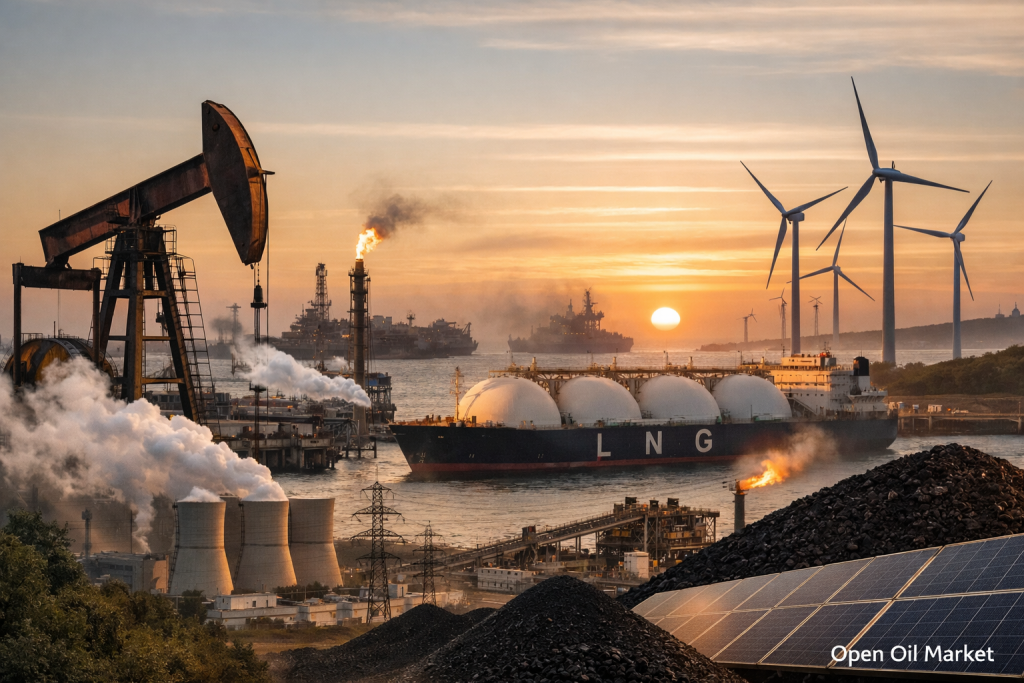
Current News in Oil, Gas, and Energy as of April 5, 2026, Including Oil, Gas, LNG, Electricity, Renewables, Coal, and Refineries
The global energy market concludes the first week of April in a state of heightened anxiety. For investors, oil companies, fuel firms, and market participants in oil, gas, electricity, renewables, coal, petroleum products, and refineries, a key topic remains not only the rising geopolitical premiums but also the rapid realignment of global raw material and fuel flows. Central to the discussion are the reactions of OPEC+, the stability of supplies through strategic routes, LNG dynamics, refining status, and the energy system's ability to compensate for the shortage of more expensive gas through coal, backup generation, and accelerated capacity increases in the renewables segment.
Earlier in the year, the market anticipated a more lenient scenario for oil and gas; however, the main driver of pricing and investment decisions has now shifted to supply security. For the global energy sector, this signifies one crucial point: the premium for reliability is once again becoming more significant than the premium for efficiency. Thus, the news in oil, gas, and energy as of April 5, 2026, revolves around several interconnected blocks—production, export, refining, electricity, LNG, coal, and the energy transition.
Oil: The Market Prices in Not Just Shortages, but the Duration of the Crisis
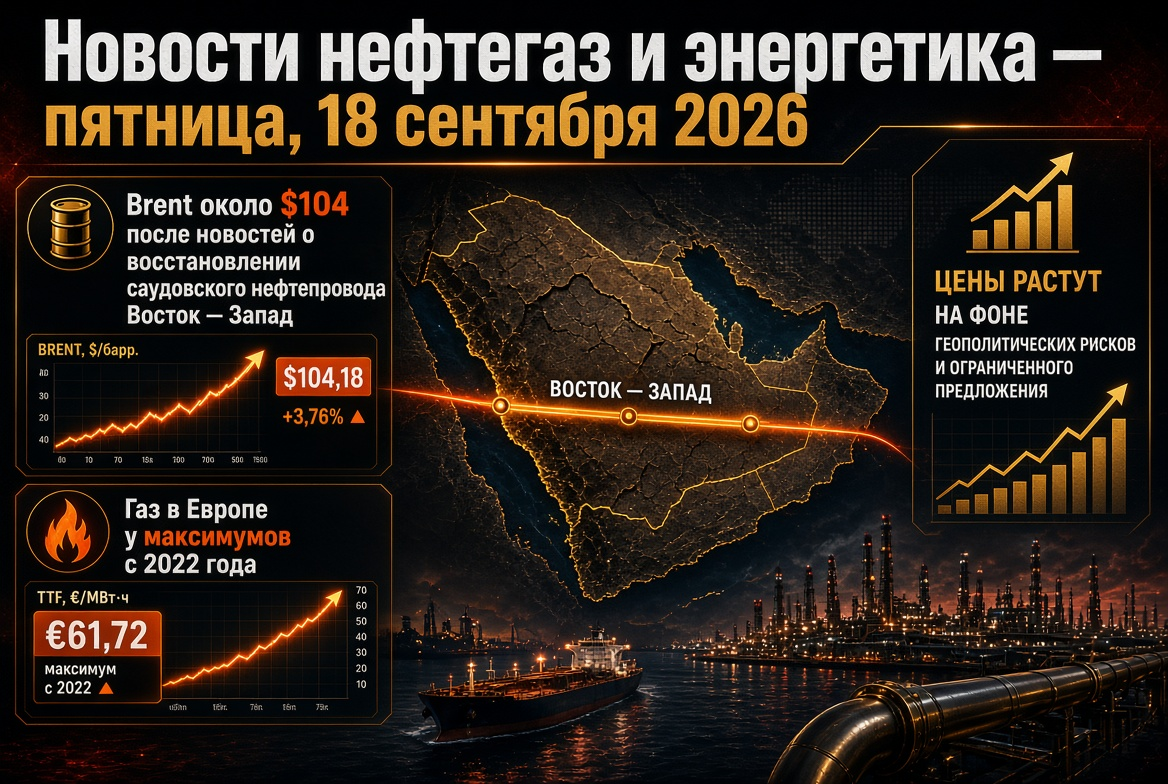
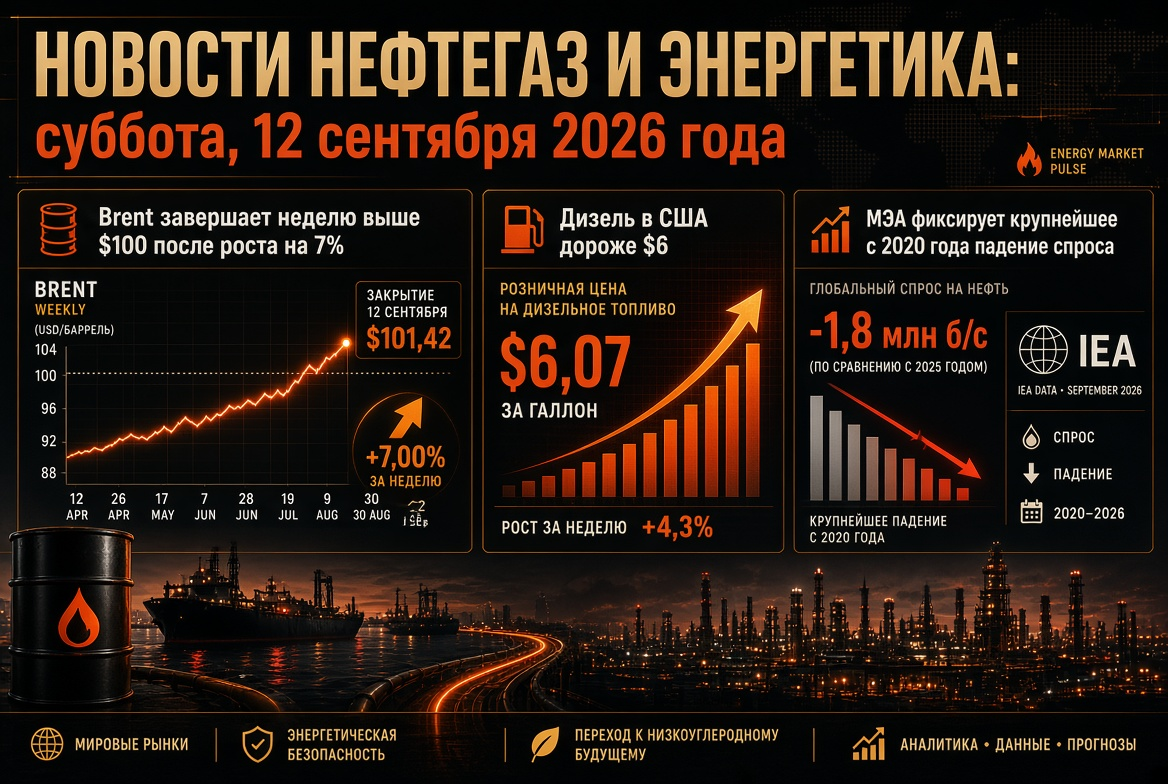
The oil market is entering a new trading cycle with the perception that the current shock may not be short-term. For global energy sector participants, the essential question is not merely the fact of rising prices but rather how long supply restrictions will persist and what volumes will be excluded from the global physical balance system.
- Traders and oil companies increasingly price in the risk of prolonged disruptions.
- Importing countries are placing greater emphasis on strategic reserves and alternative routes.
- For investors in oil and petroleum products, the focus is again shifting towards the physical availability of barrels, rather than solely on financial volatility.
Against this backdrop, the market is becoming more sensitive to any signals from producers. Even moderate changes in production or export policies are now capable of influencing expectations more acutely than standard inventory statistics. For oil companies, this creates a window of enhanced margins, but simultaneously heightens political and logistical risks.
OPEC+ and Production: The Key Question Is Whether the Alliance Can Stabilize the Market Without Losing Price Control
For the oil market, the main event of the day remains the anticipation of decisions and comments from OPEC+. It is the alliance's position that will determine whether the market perceives the current situation as a managed shock or the beginning of a deeper phase of imbalance. Should OPEC+ confirm its readiness to gradually restore volumes as restrictions ease, this could provide psychological support to the market. Conversely, a firmer signal would keep oil prices elevated with a heightened risk premium.
For investors and participants in the energy sector, three key points are important here:
- The ability of OPEC+ nations to quickly compensate for falling volumes.
- The readiness of key exporters to increase production without undermining price discipline.
- The impact of OPEC+ decisions on the downstream segment, including refineries and the petroleum products market.
Even if the alliance formally maintains a cautious approach to increasing production, the market will evaluate not statements but the real availability of export flows. Under current conditions, oil production and its physical delivery are becoming two distinct narratives, which is critical for the global oil and gas sector.
Petroleum Products and Refineries: Refining Gains Strategic Significance
In the petroleum products segment, the situation appears even more sensitive than in the crude oil market. When global logistics are disrupted and supplies of certain fuel types are curtailed, refineries find themselves at the center of a new wave of demand. This is especially crucial for diesel, gasoline, aviation fuel, and liquefied gases.
Current trends in the petroleum products and refining market include:
- The increasing importance of export-oriented refineries capable of swiftly redirecting supplies across regions;
- The enhanced role of U.S. and Asian hubs in balancing global fuel shortages;
- Heightened focus on the profitability of refining, particularly concerning middle distillates;
- Growing interest in storage, transshipment, and fuel blending infrastructure.
For oil and fuel companies, this signifies a temporary shift in the profit center from upstream towards a more comprehensive value chain. Players with strong positions in refineries, logistics, and petroleum products are better positioned to navigate the current phase than those narrowly focused solely on production.
Gas and LNG: The Premium for Flexibility Becomes the New Currency of the Market
The gas market remains one of the most vulnerable segments of the global energy landscape. LNG once again acts as a safety net for entire regions; however, this presents a challenge. When demand for flexible cargoes surges simultaneously in Asia, Europe, and developing countries, the premium for swift delivery increases dramatically.
Currently, several significant processes are evident in the global gas and LNG market:
- Importers are ramping up competition for available LNG cargoes;
- Countries with strong domestic supplies are increasingly reselling cargoes to external markets;
- The value of long-term contracts and a diversified supply portfolio is rising again;
- Investments in terminals, regasification, and gas infrastructure are gaining additional justification.
For gas companies and LNG investors, this implies a return to a model where portfolio flexibility yields a premium. Simultaneously, there is growing interest in the upcoming wave of new LNG capacities; however, the current market operates with a focus on the coming months rather than a five-year outlook. Therefore, short-term tightness continues to overshadow the long-term narrative of supply growth.
Electricity: Expensive Gas Is Once Again Changing the Generation Structure
The electricity segment reacts more swiftly to the situation than most other parts of the energy sector. As gas prices rise and become less predictable, energy systems begin to lean more heavily on anything that can ensure reliability of supply: coal generation, backup capacity, oil-fired units, nuclear generation, and energy storage.
For the global electricity market, this creates several repercussions:
- Pressure on retail and industrial tariffs intensifies;
- Governments revert to crisis support measures for consumers;
- Energy companies are revising dispatch models and fuel priorities;
- Network reliability is becoming as crucial as decarbonization.
The energy sector is increasingly demonstrating that in times of crisis, the market rewards not merely the ideal generation structure but a resilient one. For investors, this enhances interest in companies capable of operating simultaneously across electricity, gas, energy storage, and system services.
Renewables and Storage: The Energy Transition Is Not Cancelled, But Gains New Justification
Despite the growing role of traditional energy sources, renewables remain at the forefront. On the contrary, the current crisis strengthens the case for accelerating the development of solar and wind generation as well as energy storage. For the global energy market, this is no longer just about ecological considerations but involves questions of import independence.
Why the renewables sector maintains strategic appeal:
- Solar and wind generation reduce reliance on imported fuel;
- Energy storage enhances grid resilience and the value of flexible generation;
- Hybrid projects are becoming particularly sought after in regions with high volatility in gas and electricity prices;
- Energy companies are incentivized to accelerate capital investments in low-carbon assets.
For global energy investors, this suggests that the topic of renewables and batteries does not contradict the rising prices of oil and gas. On the contrary, expensive traditional energy accelerates the payback of certain new projects, especially where there is robust supporting grid infrastructure and access to financing.
Coal: A Temporary Beneficiary of Gas Instability
Coal is once again solidifying its position as the fuel of last resort for energy systems that are unwilling to risk supply stability. This does not indicate a long-term reversal in the global energy landscape, but in the short term, coal remains a critical element of the balance, especially in Asia.
Key observations regarding the coal market include:
- High-calorie grades are experiencing increased demand as a replacement for expensive gas;
- Importing countries are temporarily softening regulatory approaches for energy security;
- Demand for coal is sustained not only by electricity but also by the overall logic of fuel diversification.
For participants in the energy market, this serves as yet another reminder that the energy transition in the real economy does not progress in a straight line. When the market faces a physical shortage of gas, coal and backup thermal generation quickly regain significance.
What This Means for Investors and Participants in the Global Energy Sector
The news in oil, gas, and energy as of April 5, 2026, indicates that the global energy sector is entering a phase where the key asset is not just the resource itself, but the management of the entire chain—from production and refining to the delivery of end energy. For investors, this necessitates a broader perspective on the sector than usual.
The most significant aspects now include:
- Companies with stable oil and gas exports;
- Players with strong positions in refineries and petroleum products;
- Energy companies with diversified generation;
- LNG operators and gas infrastructure;
- Projects in renewables and storage that enhance energy system flexibility.
The key takeaway for the global market is straightforward: energy is again being traded as a security sector rather than solely as a cyclical demand sector. As long as supply tensions persist, oil, gas, electricity, renewables, coal, petroleum products, and refineries will remain at the forefront of investor attention worldwide. For the global energy sector, this period represents both risk and a significant reevaluation of the value of reliability, infrastructure, and the capability to swiftly adapt to a new energy order.