Global Oil and Gas Market Overview and Energy Sector as of April 21, 2026: Oil Remains Elevated, Pressure on LNG, Refinery and Power Generation Situations
As the global fuel and energy complex heads into Tuesday, April 21, 2026, it faces heightened turbulence. For investors, oil companies, fuel traders, refinery operators, gas market participants, power generation stakeholders, and renewables players, the key factors remain a combination of geopolitical risk, high raw material costs, and growing inequality among regions. Oil prices are maintained at elevated levels, the LNG market is reacting particularly nervously to any supply disruptions, and refining and power generation in several countries are facing a new wave of costs.
For the global energy sector, this signals one key reality: 2026 is increasingly characterized not by abundance, but by a struggle for the resilience of supply chains. The focus is on oil, gas, oil products, refineries, electricity, coal, and renewable energy. Below is a structured overview of the main trends shaping the agenda for the global oil and gas and energy sector.
Oil Market: Risk Premium Remains the Main Driver
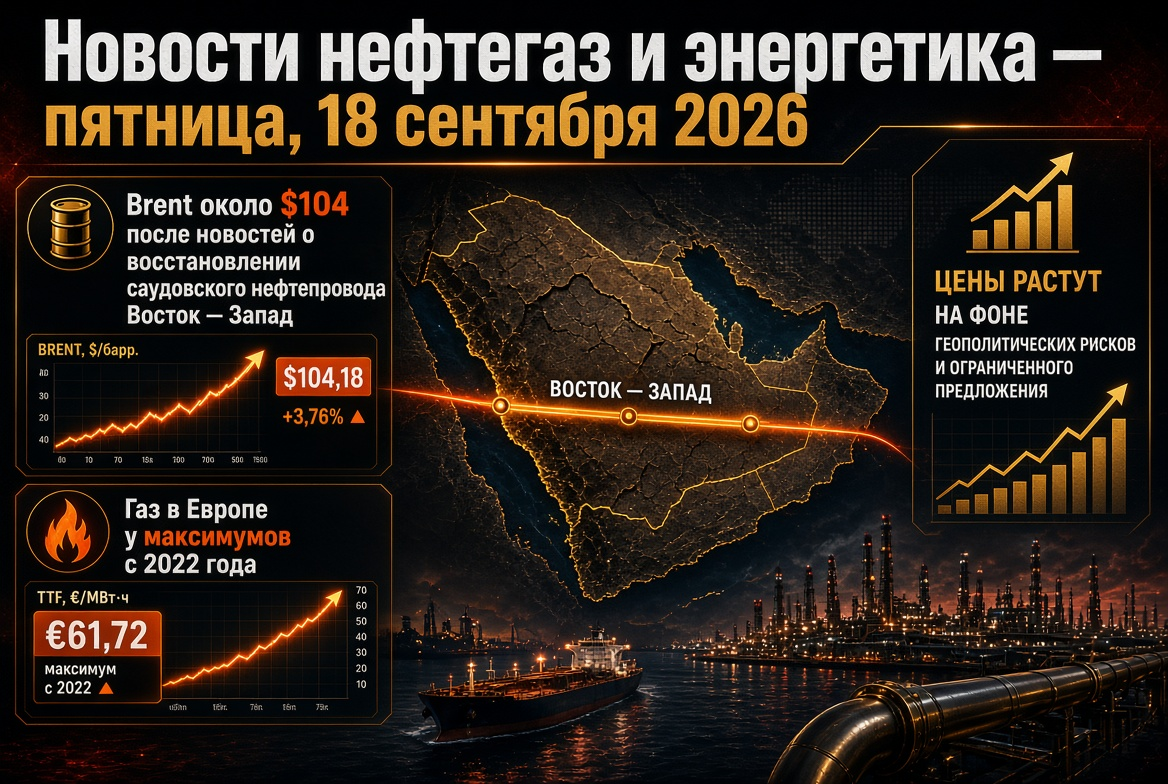
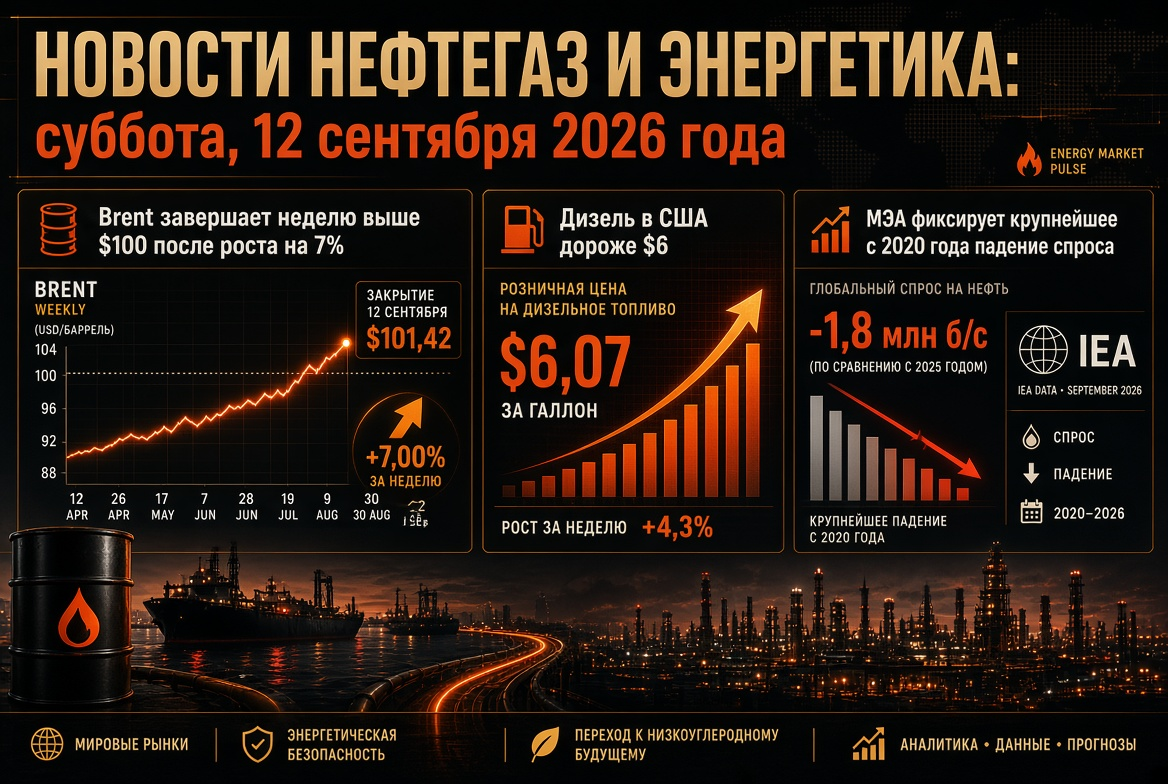
On the global oil market, the primary driver is not the classic balance of supply and demand, but rather the geopolitical risk premium. Markets are once again embedding into prices the likelihood of prolonged disruptions in key transport corridors and the rising costs of physical logistics. For oil companies, this means increased upstream revenue, but for consumers and refiners, it results in a deteriorated pricing environment.
The current configuration is particularly crucial for the global energy sector for three reasons:
- Higher oil prices automatically raise the cost of oil products and intensify inflationary pressure;
- Increased volatility complicates purchase predictability for refineries and jet fuel, diesel, and marine fuel;
- The market is trading less on “average scenarios” and more on disruption, delay, and deficit scenarios for specific grades.
For investors, this signals that the oil sector retains protective properties, yet the risk premium can be extremely unstable. If logistics partially normalize, some of the price increases could dissipate quickly, but for now, the market remains sensitive to any new events in the Middle East.
OPEC+ and Global Supply: Formal Production Increases Do Not Equal Real Export Growth
OPEC+ decisions to increase quotas remain significant; however, in 2026, the market is evaluating not just paper figures but the real potential to deliver additional volumes to end customers. Even with adjustments to deal parameters, the oil market remains constrained by infrastructural, logistical, and sanction-related factors.
This creates a fundamentally new juncture for the oil and gas market. On one hand, major exporters are interested in maintaining market share and demonstrating their capability to stabilize supplies. On the other, physical exports amid heightened transportation risks may lag behind plans. That is why formal easing of restrictions does not automatically mean the emergence of cheap oil in the market.
- Quotas are becoming less significant than route availability.
- Available capacities retain value as a strategic reserve.
- OPEC+ discipline is now evaluated through exports rather than just production.
For the oil and petroleum products market, this acts as a supportive factor. Even with a softer policy from the alliance, prices may remain high longer than previously anticipated.
Gas and LNG: The Market Remembers the Price Dependence on Imports
Nervousness remains predominant in the gas market, particularly within the LNG segment. For Asia, Europe, and import-dependent economies, the issue transcends mere gas pricing and extends to the assurance that shipments will arrive on time. This shifts procurement strategies: some consumers are actively engaging in the spot market, others are accelerating negotiations for long-term contracts, while some are reassessing the balance between gas, coal, fuel oil, and internal generation.
Countries where electricity critically depends on gas are particularly vulnerable. The rising costs of LNG quickly translate into tariffs, production costs for industries, and household expenses. For the global energy sector, this signals that even after the energy crises of previous years, the question of energy security remains unresolved.
The current concerns among market participants focus on:
- Reliability of LNG supplies to Asia and Europe;
- Price differences between domestic prices in the U.S. and imported prices in Asia and the EU;
- Reassessment of the role of long-term contracts in buyers’ portfolios;
- Increased importance of floating terminals, backup capacities, and route diversification.
Refineries and Oil Products: High Oil Prices Squeeze Refining Margins
One of the most critical signals for the energy market is the deteriorating refining economics in Europe. While the upstream segment benefits from high oil prices, oil refining finds itself in a more challenging position: raw material costs rise faster than those of finished oil products. This is especially painful for less sophisticated refineries that cannot flexibly adjust their product slate and heavily depend on the structure of crack spreads.
For European refineries, this implies pressure on throughput, delays in maintenance, and a more cautious trading strategy. Meanwhile, in the U.S. and select Asian centers, conditions may be better due to stronger demand for distillates and different access to raw materials. This creates a regional disparity: some refineries benefit from turbulence, while others lose margin.
On the petroleum products market, this generates several implications:
- Diesel and jet fuel remain sensitive to any new shortages;
- The risk of reduced throughput at specific refineries supports product prices;
- Demand for alternative supplies from the U.S. and Asia is increasing;
- Petroleum products logistics becomes as critical as access to crude oil.
Power Generation: Expensive Gas Modifies Generation Structure
Global power generation is entering a new phase of load redistribution among sources. As gas prices rise, energy systems begin seeking cheaper and more stable options. This enhances interest in coal generation as a short-term reserve in some countries, accelerates a return to nuclear energy in others, and simultaneously elevates the role of solar and wind generation in areas where the grid and storage have already been developed.
For electricity market participants, the main question revolves not just around fuel prices but also the resilience of energy systems. A high share of renewables necessitates upgrades to the grid, development of batteries, and flexible generation. At the same time, gas-fired plants remain significant balancing elements, meaning that any disruptions in the gas market immediately impact capacity and tariff markets.
In 2026, the key pivot appears as follows: renewables are already becoming a fundamental element of the energy balance in several regions, but traditional resources still dictate the price of reliability. This is what positions power generation as one of the central segments of the entire energy sector.
Renewables: The Energy Transition Continues, Now Viewed Through the Lens of Security
Renewable energy retains strategic importance, but the rhetoric surrounding it has changed markedly. Whereas the primary focus used to be on decarbonization, there is now an increasing emphasis on energy sovereignty, reducing import dependence, and protection from fuel market shocks. This is especially evident in Europe, where solar and wind have already taken on a systemic role in electricity production.
For global investors, this is a pivotal moment. Renewables are no longer perceived solely as a “green theme.” They have evolved into an infrastructural segment linked with industrial policy, energy security, grids, metals, storage, and localization of equipment. The most robust projects are those embedded in the long-term industrial strategy of a country or region.
Nonetheless, the sector's weak spots retain their previous nature: grids, energy storage, and capital costs. Without these elements, rapid growth in solar and wind generation does not always translate into a sustainable price decrease for end consumers.
Coal: The Exit Slows Down When Systems Face Stress
Coal is not re-emerging as a long-term favorite in the global energy sector, but it remains a backup tool for energy resilience. As gas becomes expensive and LNG proves less predictable, governments and energy companies briefly intensify their interest in coal generation. This does not negate the long-term trend of decreasing coal usage but illustrates that the energy transition will be nonlinear and wave-like.
For the market, this means coal will continue to play a role as a safeguard resource in Asian countries and select European economies. For investors, the segment remains complex in terms of ESG and political restrictions; however, in short-term stress scenarios, coal could regain significance in the energy balance.
Implications for Investors and Participants in the Energy Sector
As of April 21, 2026, the global energy sector presents an environment where not just resource owners thrive, but companies with resilient logistics, strong balance sheets, and diversified supply chains. Oil, gas, oil products, electricity, and renewables are increasingly interconnected through issues of fuel accessibility and cost management.
The key takeaways for the market can be formulated as follows:
- The oil market remains expensive and nervous, indicating that volatility will persist;
- The gas market finds 2026 to be a test of the resilience of import models;
- Refineries and oil products enter a phase of high regional margin differentiation;
- Power generation increasingly depends on grid quality and generation flexibility;
- Renewables are strategically winning, yet traditional sources still determine the price of reliability.
On Tuesday, the oil and gas market will have to assess not only price movements but also the condition of physical supply infrastructure. This is currently defining the agenda for the global energy sector: not just the price of a barrel or megawatt-hour, but the ability of the global energy system to endure new shocks without disrupting demand and industrial activity.