Economic Events and Corporate Reports for Saturday, July 18, 2026: US, European, Asian, and MOEX Stock Exchanges Closed, No Macro Statistics Released, Weekly Summary, Q2 Earnings Season Agenda for S&P 500, Euro Stoxx 50, Nikkei 225, and MOEX, as well as Key Investor Guides Ahead of Market Opening on July 20
- USA: NYSE and Nasdaq are closed. Futures for S&P 500, Dow Jones, and Nasdaq 100 on CME are not trading — electronic sessions will resume on Sunday evening North American time.
- Europe: Exchanges in Frankfurt, Paris, Amsterdam, Milan, and London are closed; indices DAX, CAC 40, FTSE 100, and Euro Stoxx 50 are held at Friday's closing levels.
- Asia: The Tokyo Stock Exchange (Nikkei 225, TOPIX), Hong Kong (Hang Seng), Shanghai, Shenzhen, and KRX in Seoul are not operating.
- Russia and CIS: The Moscow Exchange is not trading stocks from the MOEX index. The currency and futures markets are also closed over the weekend.
- 24/7 Markets: Cryptocurrencies (Bitcoin, Ethereum) are trading continuously — they represent the only price signal over the weekend.
Why Macro Statistics are Not Released on Saturdays
Key macroeconomic publications such as the Consumer Price Index (CPI), Producer Price Index (PPI), employment data, and decisions from the Federal Reserve, ECB, Bank of Japan, and Bank of Russia are linked to the working calendar of statistical agencies and regulators. The Bureau of Labor Statistics, Eurostat, Rosstat, and the National Bureau of Statistics of China publish data on weekdays to allow the market to react during trading sessions. An exception is China, where some releases occasionally fall on weekends; however, there are no major publications planned for July 18, 2026.
What Shaped the Global Environment in the Past Week
The investment agenda for mid-July 2026 has been formed around several global themes that will continue to influence the markets after the weekend:
- Fed Interest Rate Trajectory. Inflation dynamics in the US remain a determining factor for assessing the timing and extent of monetary policy easing. Each CPI and PPI publication reshapes market expectations for rate futures.
- ECB Policy and Eurozone Economic Conditions. Weak industrial momentum in Germany and France contrasts with the resilience of the services sector, complicating the regulator's communication.
- Yen and Bank of Japan. The USD/JPY exchange rate and BoJ's policy normalization stance remain drivers for the Nikkei 225 and exporters.
- Chinese Demand. The pace of recovery in domestic consumption and the state of the real estate sector determine the dynamics of commodities and Asian indices.
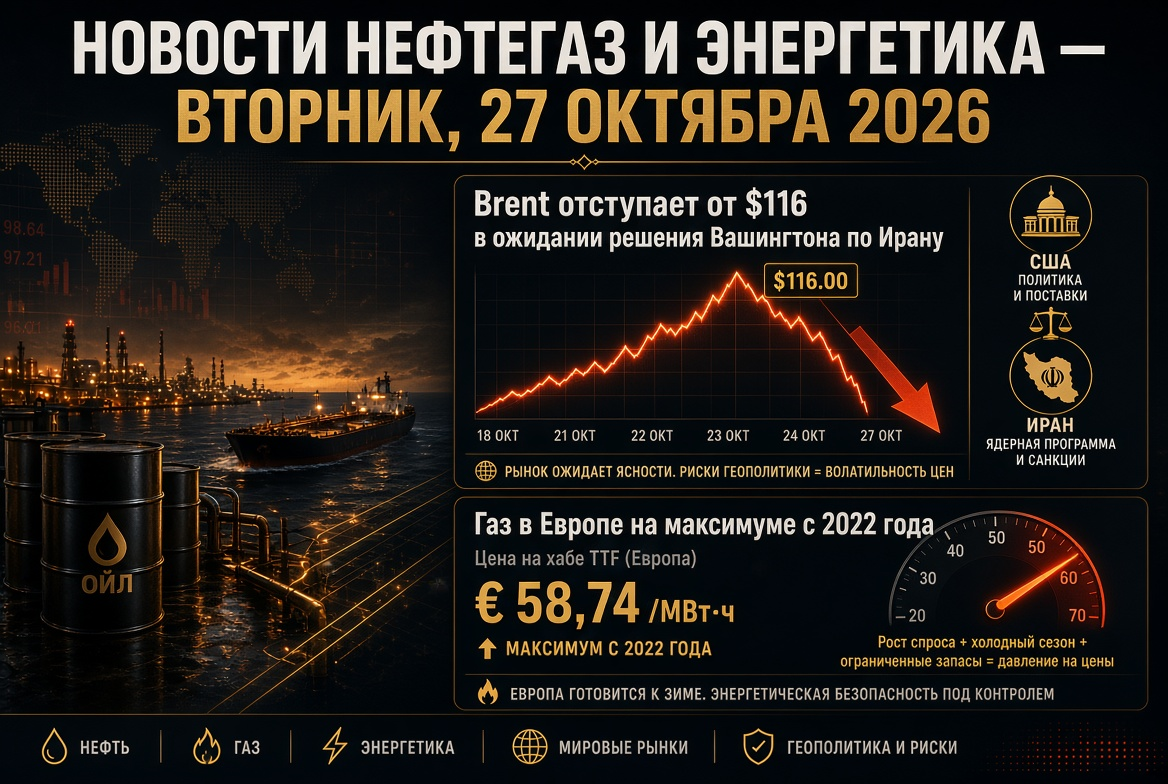
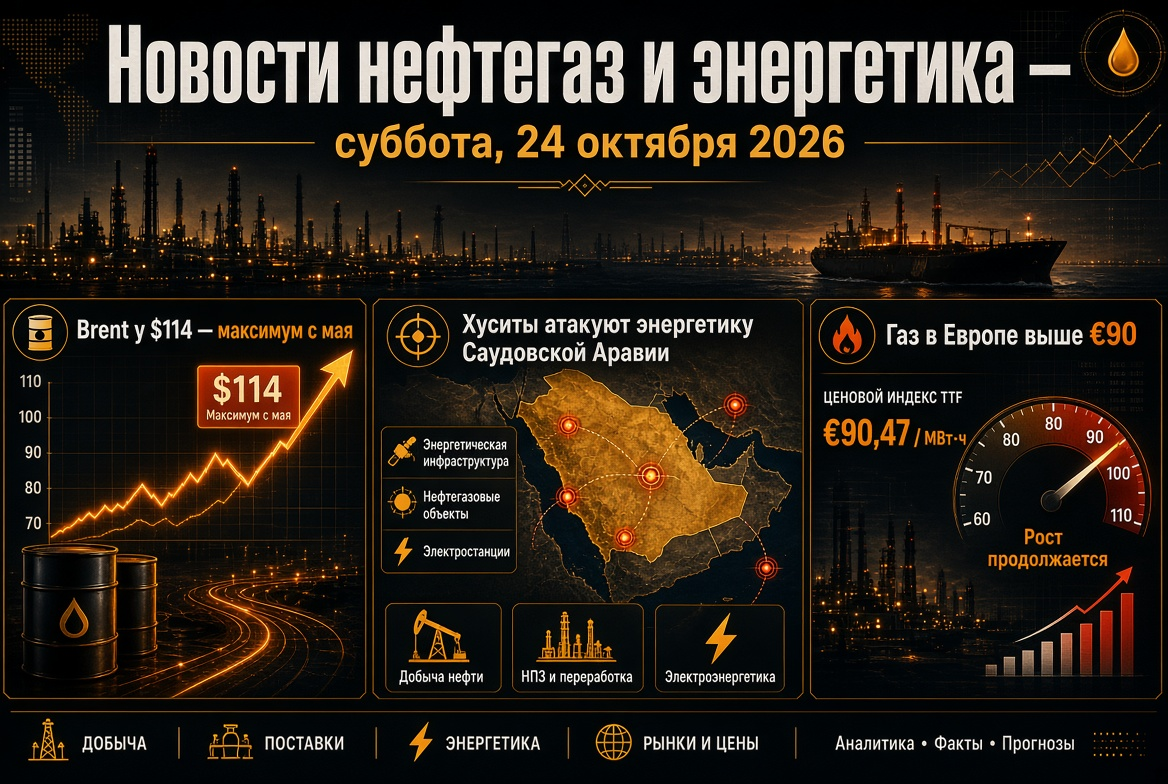
- Oil and Energy Resources. The OPEC+ supply balance and geopolitical premium remain in focus, directly affecting MOEX and ruble-denominated assets.
- AI and Capital Expenditures in the Tech Sector. The market continues to evaluate whether massive investments in data centers translate into real revenue and margins.
Q2 2026 Earnings Season: What's Ahead
The main block of corporate reports falls on the weekdays of the second half of July. Investors should proactively build a calendar of expectations based on the groups of issuers.
American Companies (S&P 500)
- Banks and Finance: The largest lenders — JPMorgan Chase, Bank of America, Citigroup, Wells Fargo, Goldman Sachs, Morgan Stanley — traditionally kick off the season. Focus: net interest margin, reserves for credit losses, investment banking revenues.
- Tech Sector: Netflix, Tesla, Alphabet, Microsoft, Apple, Amazon, Meta Platforms are set to report in the last week of July and early August. Key metrics include capex for AI infrastructure, dynamics of cloud segments (Azure, Google Cloud, AWS), and advertising revenue.
- Industry and Consumer Sector: Johnson & Johnson, Procter & Gamble, Coca-Cola, General Electric, Lockheed Martin, 3M — indicators of the real sector and consumer demand.
- Semi-conductors: Texas Instruments, Intel, and later NVIDIA — a barometer for the demand cycle for chips.
European Companies (Euro Stoxx 50)
- Luxury and Consumption: LVMH, Hermès — proxies for Chinese demand.
- Industry and Technology: SAP, ASML, Siemens, Schneider Electric — indicators of capital expenditures and digitization.
- Energy: TotalEnergies, Eni — sensitive to oil and gas prices.
- Pharmaceuticals and Banks: Sanofi, Bayer, Santander, BNP Paribas, Deutsche Bank, UniCredit.
- Automotive: Volkswagen, Mercedes-Benz, BMW, Stellantis — pressured by competition from Chinese electric vehicle manufacturers.
Asian Companies (Nikkei 225 and Regional Markets)
- Japan: Toyota Motor, Sony Group, Fast Retailing, Tokyo Electron, SoftBank Group, Nintendo. The yen's exchange rate remains the main factor impacting foreign revenue conversion.
- Taiwan and Korea: TSMC, Samsung Electronics, SK Hynix — set the tone for the entire global supply chain of semi-conductors and memory for AI servers.
- China and Hong Kong: Alibaba, Tencent, JD.com, BYD — reflect the state of domestic demand.
Russian Companies (MOEX)
- Oil and Gas: Rosneft, Lukoil, Gazprom, Novatek, Tatneft — operational results and dividend policies.
- Metallurgy and Mining: Norilsk Nickel, Severstal, NLMK, MMK, Polus — publish operational indicators for Q2 in July.
- Finance and IT: Sberbank (monthly reporting under RAS), T-Technologies, Yandex, HeadHunter, Ozon.
- Consumer Sector: X5, Magnit, Lenta — operational results and LFL sales dynamics.
Geopolitics and Trade Environment
Weekends are a period when geopolitical news accumulates without market reaction and is realized as a gap at Monday's opening. The global agenda remains focused on: US tariff policy and negotiations with trade partners, the situation in the Middle East and its impact on oil quotes, the sanctions framework against Russia, and technological restrictions in the semiconductor industry between the US and China.
Currencies, Commodities, and Cryptocurrencies Over the Weekend
- Forex: The interbank market is closed from Friday evening to Sunday evening. EUR/USD, USD/JPY, and USD/RUB pairs are held at Friday's levels.
- Oil: Brent and WTI futures are not trading; the accumulated news background is played out at the opening.
- Gold: The spot market is closed, physical demand remains outside the exchange framework.
- Cryptocurrencies: Bitcoin and Ethereum trade around the clock and often serve as a leading indicator of risk appetite ahead of Monday. Low weekend liquidity enhances volatility.
How Investors Can Use Saturday
- Conduct a portfolio audit. Assess actual weights by sector and geography, compare with target allocation, and outline potential rebalancing.
- Prepare a reporting calendar. Mark publication dates for your issuers over the next two weeks and consensus forecast levels.
- Define risk parameters. Reassess stop levels and position sizes considering that earnings reports increase volatility of individual stocks.
- Review primary documents. Annual reports, investor presentations, and transcripts of previous conference calls provide more insight than news headlines.
- Assess currency risk. For CIS investors, the ruble exchange rate and access to foreign infrastructure remain standalone factors influencing returns.
- Check the dividend calendar. Cut-off dates for Russian and foreign securities over the next month.
What Investors Should Pay Attention To
Saturday, July 18, 2026, does not present any market triggers: economic events and corporate reports are absent, and trading is not taking place. The day's value lies in preparation.
The main focus for the upcoming week will be the Q2 earnings season. The market will evaluate not just the profit numbers themselves but also management forecasts for the second half of the year. Three key questions will determine the direction: Will American tech giants justify their capital expenditures on AI with revenue growth? Can consumer demand in the US and Europe sustain amidst high rates? Is Chinese demand recovering, which is critical for commodity markets, European luxury, and Asian exporters?
For CIS investors, an additional layer includes the dynamics of oil prices and the ruble exchange rate, which define the financial results of MOEX issuers, as well as the decisions of the Bank of Russia regarding the key rate, influencing yields on ruble bonds and the attractiveness of stocks relative to deposits.
The practical takeaway: utilize the weekend for discipline rather than forecasts. Markets will open on Monday, July 20, with the accumulated news background over the weekend — a gap at opening is likely, and a pre-defined action plan is more valuable than reacting to the first minutes of trading.