Detailed Overview of Economic Events and Corporate Reports for Saturday, May 9, 2026
Brief Introduction: A Day Without Active Trading but Not Without Market Signals
On Saturday, May 9, 2026, investors are focused on analyzing previously published data and preparing for the new trading week. For global markets, it is not a traditional trading day: major stock exchanges in the USA, Europe, Japan, and Russia are not conducting standard trading, and the calendar for corporate reports from large public companies is significantly lighter than on weekdays.
Nonetheless, economic events remain crucial. Investors from the CIS working with global assets should evaluate Saturday's agenda through three key blockades: market reaction to the latest US employment statistics, expectations for inflation data from China, and corporate sentiments following the report from major companies in the USA, Europe, and Asia. The focus is on the S&P 500, Euro Stoxx 50, Nikkei 225, MOEX, commodity markets, the dollar, yuan, oil, and bond yields.
The Macroeconomic Picture of the Day: The USA Sets the Tone Before the Weekend
The main macroeconomic event shaping the backdrop for May 9 is the Friday release of the US employment report for April. The data showed an increase in employment of 115,000 jobs, while the unemployment rate remained at 4.3%. For investors, this signals an important insight: the US economy maintains resilience, but the labor market no longer appears overheated.
This balance supports a scenario in which the Federal Reserve may keep interest rates at the current level for an extended period. For the stock market, this means maintaining interest in quality companies with strong profits while simultaneously limiting the potential for aggressive declines in bond yields.
Key Takeaways for Investors
- The stronger-than-expected US labor market supports demand for riskier assets.
- Stable unemployment reduces the likelihood of a sharp deterioration in consumer demand.
- The absence of a clear cooling in the economy may deter the Fed from quickly easing policy.
- For the S&P 500 and Nasdaq, not only macro statistics matter, but also the quality of corporate forecasts.
Economic Events Calendar for May 9, 2026
The Saturday macroeconomic calendar is limited. There are no major publications in the USA and Europe concerning CPI, PPI, retail sales, or industrial production. In Russia, May 9 is a public holiday, resulting in reduced activity in the local market. The main focus shifts to data that will be released closer to the start of the new week.
| Region | Event | Market Impact |
|---|---|---|
| USA | Analysis of April Employment Report | Impact on Fed rate expectations, dollar, and S&P 500 |
| China | Expectation of CPI and PPI for April | Signal regarding demand, industrial prices, and the commodity cycle |
| Russia | Public holiday, MOEX closed | Low local liquidity, focus on the external backdrop |
| Europe | Assessment of Friday’s dynamics and preparation for the new week | Impact on Euro Stoxx 50, banks, and exporters |
| Asia | Focus on China and Japanese reporting | Impact on Nikkei 225, commodities, and currencies |
China CPI and PPI: The Main Asian Benchmark for the New Week
For the global environment, one of the key benchmarks becomes the expectation of Chinese inflation data. The Consumer Price Index (CPI) and Producer Price Index (PPI) in China are not only important for the yuan but also for commodity markets, Asian stocks, oil quotations, and companies tied to the industrial cycle.
If China’s CPI remains moderate and the PPI continues its recovery, investors may see a confirmation of the soft industrial revival scenario without sharp inflationary pressure. This would send a positive signal for commodity assets, particularly oil, copper, industrial metals, and companies related to energy and infrastructure.
What to Watch in China’s Data
- Year-on-year dynamics of CPI — reflects the state of internal demand.
- Year-on-year dynamics of PPI — indicates cost pressures in industry.
- Connection between PPI and oil and gas prices — important for the energy sector and commodity companies.
- Reactions of the yuan — a barometer of sentiment towards China and emerging markets.
Stock Markets: S&P 500, Euro Stoxx 50, Nikkei 225, and MOEX
On May 9, investors evaluate not the trades themselves but the market disposition after a strong week. The American market remains supported by the technology sector, artificial intelligence, and corporate reporting. The S&P 500 and Nasdaq are sensitive to two factors: Federal Reserve rate expectations and the earnings dynamics of major companies.
Euro Stoxx 50 finds itself in a more complex position: European stocks depend on the euro exchange rate, energy prices, bank margins, and industrial demand. If oil remains high, this could increase pressure on European energy consumers but support oil and gas companies as well as commodity firms.
The Nikkei 225 continues to focus on corporate reports from Japanese firms, currency fluctuations, and global demand for technological assets. For the MOEX, Saturday, May 9, is an analytical rather than trading day: it is crucial for Russian investors to monitor the external background, oil prices, the ruble exchange rate, sanctions rhetoric, and commodity dynamics.
Corporate Reports: Few Major Releases on May 9
The corporate reports calendar for Saturday, May 9, 2026, is extremely limited. Among the largest companies from the S&P 500, Euro Stoxx 50, Nikkei 225, and MOEX, there are virtually no significant reports on this day. Therefore, it is more important for investors to analyze the reports released on May 8 and prepare for releases on May 10-11.
The most notable companies shaping the reporting backdrop around this date include:
- Toyota Motor — the annual report is significant for assessing the global automotive sector, demand in Asia, and the margins of automakers.
- Sony Group — a benchmark for the Japanese technology and consumer sector, including games, electronics, and media.
- Intesa Sanpaolo — a major European bank affecting perceptions of the financial sector in Euro Stoxx 50.
- Enbridge — a large energy infrastructure company sensitive to oil, gas, and pipeline flows.
- NTT — a Japanese telecommunications giant essential for assessing the defensive sector within Nikkei 225.
- State Bank of India — one of the key banks in emerging markets, reflecting the state of the credit cycle in Asia.
- OCBC — a major Singapore bank, a crucial indicator of financial stability in Southeast Asia.
- Japan Tobacco — a defensive consumer sector, notable for dividends and stability of cash flows.
Upcoming Major Reports: Aramco, ACWA Power, Petrobras, and Constellation Energy
After the Saturday pause, investor attention will quickly shift to new corporate releases. On Sunday and Monday, major companies in the energy, utilities, commodities, and infrastructure sectors will be in focus. For the global landscape, this is particularly significant against the backdrop of high volatility in oil prices and heightened attention to energy security.
- Aramco — a key indicator for the global oil market, dividend policy, and demand for energy resources.
- ACWA Power — important for assessing energy infrastructure, generation, and power projects.
- Petrobras — a key oil and gas asset in Latin America, sensitive to oil prices and government regulations.
- Constellation Energy — a significant player in US energy, encompassing nuclear generation and electricity demand from data centers.
- Barrick Mining — a benchmark for gold, commodity stocks, and defensive strategies.
- SoftBank — important for evaluating Japanese technology capital and venture portfolios.
Commodities, Oil, and the Dollar: Geopolitics Remain a Market Factor
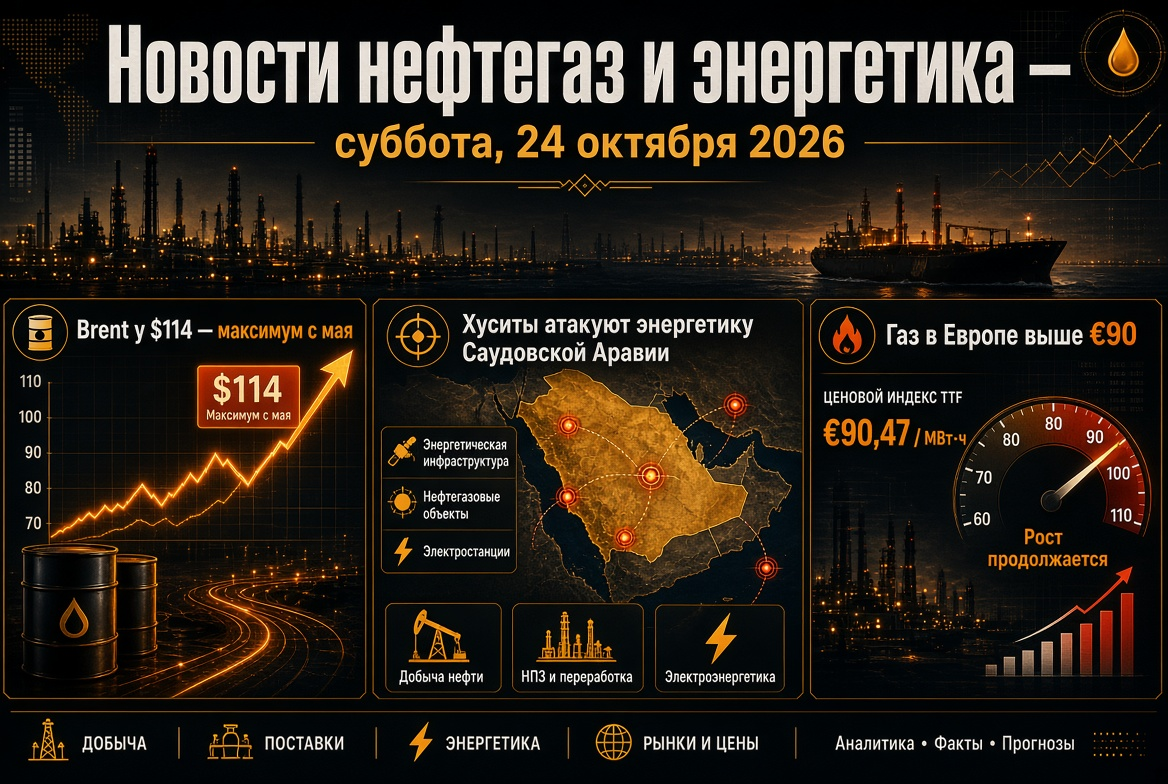
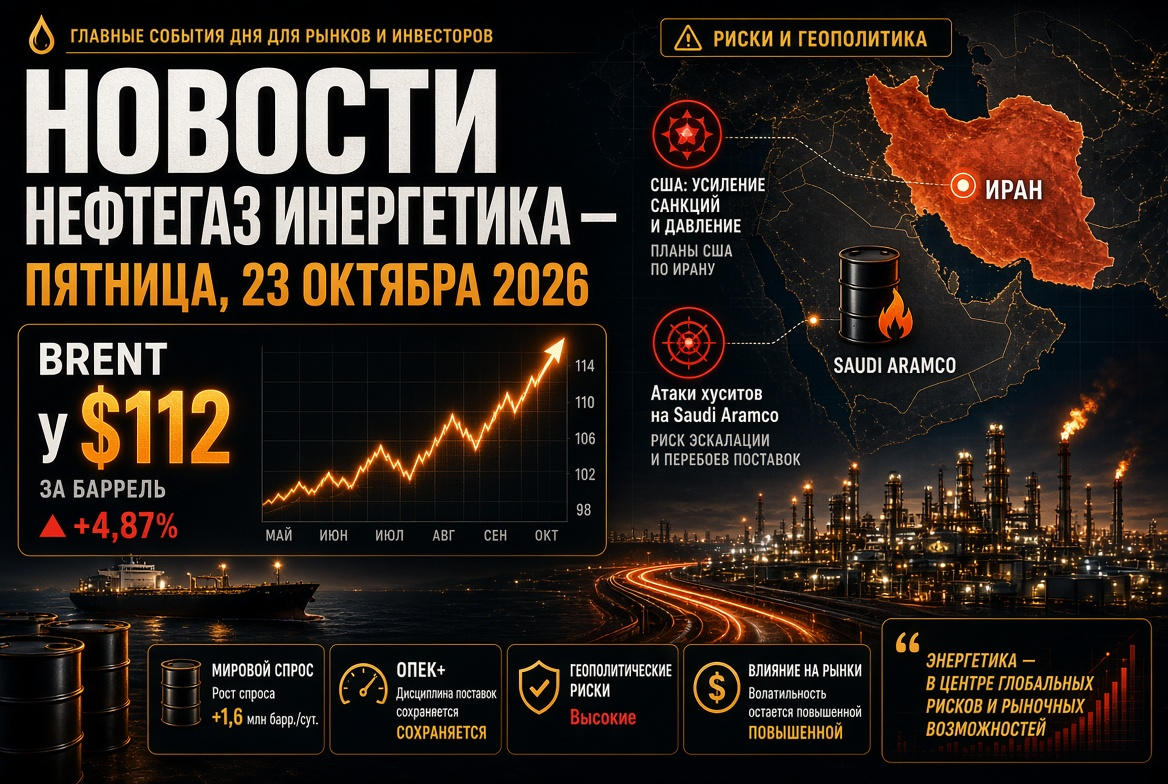
Commodity markets continue to be one of the primary channels for risk transmission in the global economy. High oil prices support energy companies, while simultaneously amplifying inflationary risks for the USA, Europe, and commodity importers. For investors from the CIS, this is especially important as oil and gas impact exchange rates, budget expectations, energy sector stocks, and the dynamics of MOEX.
The dollar remains sensitive to expectations regarding Fed rates. If the US labor market continues to appear resilient, the American currency may sustain support, particularly against the currencies of countries with softer monetary policies. This creates a mixed environment for gold and Bitcoin: there is protective demand, but high real yields limit growth momentum.
Risks and Opportunities for CIS Investors
For CIS investors, Saturday, May 9, is a day not for active trading but for portfolio reassessment. The global market enters the new week influenced by several intersecting factors: a resilient US labor market, expectations for inflation in China, a strong reporting season from major companies, high oil prices, and a closed Russian market.
What to Review in the Portfolio
- Share of US growth stocks following the strong movement of the S&P 500 and Nasdaq.
- Exposure to the oil and gas sector and commodity companies.
- Currency risks: dollar, euro, yuan, and ruble.
- Positions in European banks and exporters.
- Portfolio dependence on the reports of major technology companies.
- Defensive assets: gold, bonds, dividend stocks.
Conclusions of the Day: What Investors Should Pay Attention To
Saturday, May 9, 2026, does not provide a dense calendar of new publications, but it generates an important analytical pause between strong US statistics from Friday and the subsequent week, where investors will assess inflation, corporate reports, and commodity risks. The main task is to avoid reacting to noise and instead prepare scenarios.
Investors should focus on five directions:
- The Fed and the US Labor Market: strong employment supports stocks but reduces the likelihood of quick rate cuts.
- China CPI and PPI: data will reveal signs of sustainable demand recovery and industrial inflation.
- Major Corporate Reports: Toyota, Sony, Intesa Sanpaolo, Enbridge, NTT, Aramco, and Petrobras set the tone for the automotive sector, technology, banking, and energy.
- Oil and Commodities: high energy costs support the energy sector but exacerbate inflation risks.
- MOEX and Russian Assets: after the holiday pause, the market will react to external conditions, oil, currencies, and corporate reporting news.
The basic conclusion for investors: May 9 is a day for strategic preparation. In the context of high volatility in the global environment, advantages accrue not to those attempting to predict Monday’s movements, but rather to those who understand in advance which data could alter the trajectory of their portfolios.