Economic Events and Corporate Reports for Saturday, July 4, 2026: U.S. Independence Day, Closed American Markets, U.S.–EU Trade Deadline, Tariff Risks, and Investor Expectations Ahead of Earnings Season
Saturday, July 4, 2026, is marked by a unique environment for global markets: the U.S. celebrates Independence Day, American equity and debt markets are effectively on a long weekend, and global investors assess the political and trade agenda between Washington and Brussels. The main event of the day is the deadline set by the Donald Trump administration for Europe to comply with the terms of the trade deal with the U.S. Otherwise, the White House previously threatened to increase tariffs on European goods, including the automotive sector.
For investors from the CIS and the global audience, this day is significant not due to the number of macroeconomic releases, but rather the quality of the signals. Geopolitics, tariff policy, liquidity in global markets, the dollar, euro, gold, oil, safe-haven assets, and preparations for the upcoming earnings season for Q2 2026 take center stage.
Key Focus of the Day: U.S. Independence Day and Closed American Markets
July 4 is celebrated as U.S. Independence Day. In 2026, the date falls on a Saturday, meaning major American venues have already entered a long weekend: NYSE, Nasdaq, and the U.S. bond market are not operating in their standard mode. For the global market, this signifies reduced liquidity, a narrower flow of news from the U.S., and heightened sensitivity to external events in over-the-counter, currency, and commodity markets.
Investors need to consider several factors:
- Liquidity in dollar-denominated instruments remains below normal;
- Corporate news from the U.S. throughout the day is limited;
- Volatility may appear sporadically—in currencies, gold, oil, and crypto assets;
- The main reaction of the U.S. stock market to weekend news will be deferred to Monday, July 6.
For the CIS markets, this creates a pause in the direct influence of Wall Street, but does not nullify dependence on the dollar, U.S. Treasury yields, and expectations regarding Fed policy.
U.S.–EU Trade Deadline: Tariffs, Automobiles, and Industry
The key economic event on July 4 is the deadline for the trade deal between the U.S. and the European Union. The Donald Trump administration had previously given Europe until July 4 to fulfill commitments related to reducing European tariffs on U.S. industrial goods and expanding access for certain categories of agricultural and marine products from the U.S.
The main risk for investors lies in the potential increase of tariffs by the U.S. The most sensitive sectors are:
- European car manufacturers and auto parts suppliers;
- Industrial companies in Germany, France, Italy, and the Netherlands;
- Logistics, equipment exporters, and machinery;
- Producers of steel, aluminum, and goods with a high metal content;
- Companies dependent on transatlantic supply chains.
For Euro Stoxx 50, trade concerns remain one of the key drivers of valuation multiples. If tariff escalation is alleviated, European stocks may receive support. If Washington maintains a hardline rhetoric, pressure may return, particularly in the automotive and industrial segments.
Macroeconomic Calendar: A Day Without Major Releases but With Important Context
The day of July 4, 2026, does not feature significant macroeconomic releases such as CPI, PPI, PMI, NFP, or central bank decisions. However, this does not render the day neutral for investors. The market continues to digest weak labor statistics from the U.S. for June, which lowered expectations for prompt Fed tightening.
The macro context for the day is as follows:
- The U.S. economy shows signs of cooling employment;
- The market is reassessing the probability of a Fed rate hike;
- The dollar remains under pressure following weak employment data;
- Gold is supported as a safe-haven asset;
- Investors are awaiting the Fed's protocol and the first major reports for Q2.
For the day's SEO agenda, key queries remain: economic events July 4, 2026, corporate reports July 4, U.S. company earnings, U.S.–EU trade deal, Trump tariffs, U.S. stock market, Euro Stoxx 50, S&P 500, Nikkei 225, MOEX.
U.S.: S&P 500, Fed, and Expectations Ahead of Earnings Season
The American market enters July after a strong Q2, but with a more ambiguous growth structure. The technology sector and semiconductors had previously been the main drivers of the indexes, however, recent sessions have shown a rotation towards more traditional blue chips, financials, healthcare, and defensive consumer stocks.
For S&P 500, three questions are paramount:
- Can the market maintain high multiples amidst cooling employment?
- Will companies confirm profit growth in Q2?
- Will trade policy become a new source of margin pressure?
Attention next week will shift to the Fed's protocol, regulator comments, and the first reports from major companies. Currently, the market perceives weak labor data as a factor giving the Fed more time and reducing the risk of an immediate rate hike.
Corporate Reports on July 4: U.S., Europe, Asia, and Russia
For Saturday, July 4, 2026, no significant corporate reports from major public companies in the S&P 500, Euro Stoxx 50, Nikkei 225, and MOEX are scheduled. This is a typical situation for a holiday, especially considering the festive mode in the U.S.
Reporting calendar for July 4:
| Region | Index / Market | Reporting Situation | Investor Commentary |
|---|---|---|---|
| U.S. | S&P 500 / Nasdaq / NYSE | No major reports | Market closed due to holiday |
| Europe | Euro Stoxx 50 | No major reports | Focus on U.S.–EU tariff policy |
| Japan | Nikkei 225 | No major reports | Waiting for Asia's response post-weekend |
| Russia | MOEX | No major reports | Focus on the ruble, rate, oil, and corporate news next week |
The absence of reports does not imply a lack of an investment agenda. On the contrary, July 4 becomes a day for portfolio preparation ahead of the new block of quarterly results.
Reports to Expect Following July 4
The following week opens a more active phase of corporate earnings. Among the first significant indicators for the global market are PepsiCo and Delta Air Lines. These companies are crucial not only as individual issuers but also as indicators of consumer health, inflationary pressures, fuel costs, travel demand, and corporate margin resilience.
Investors should monitor in advance:
- PepsiCo: trends in organic revenue, pricing policy, margins, and demand in North America and international markets;
- Delta Air Lines: passenger traffic, premium segments, international routes, fuel expenses, and forecasts for the summer season;
- U.S. banking sector: quality of the loan portfolio, reserves, interest margins, and commentary on consumer lending;
- Technology companies: capital expenditures on AI, demand for cloud capacity, semiconductors, and data centers.
Corporate forecasts for the second half of 2026 may prove more crucial than the actual quarterly results.
Currencies, Oil, and Gold: What Might Move Under Low Liquidity
In the context of closed American venues, primary activity may shift to the currency, commodity, and over-the-counter segments. The dollar remains sensitive to Fed expectations, the euro to U.S.–EU trade negotiations, and gold to the balance between yields, geopolitics, and demand for safe-haven assets.
For investors from the CIS, the following pairs are especially important:
- EUR/USD—as an indicator of market reaction to the U.S.–EU trade deal;
- USD/RUB and CNY/RUB—as reflections of foreign trade balance, oil, and demand for currency liquidity;
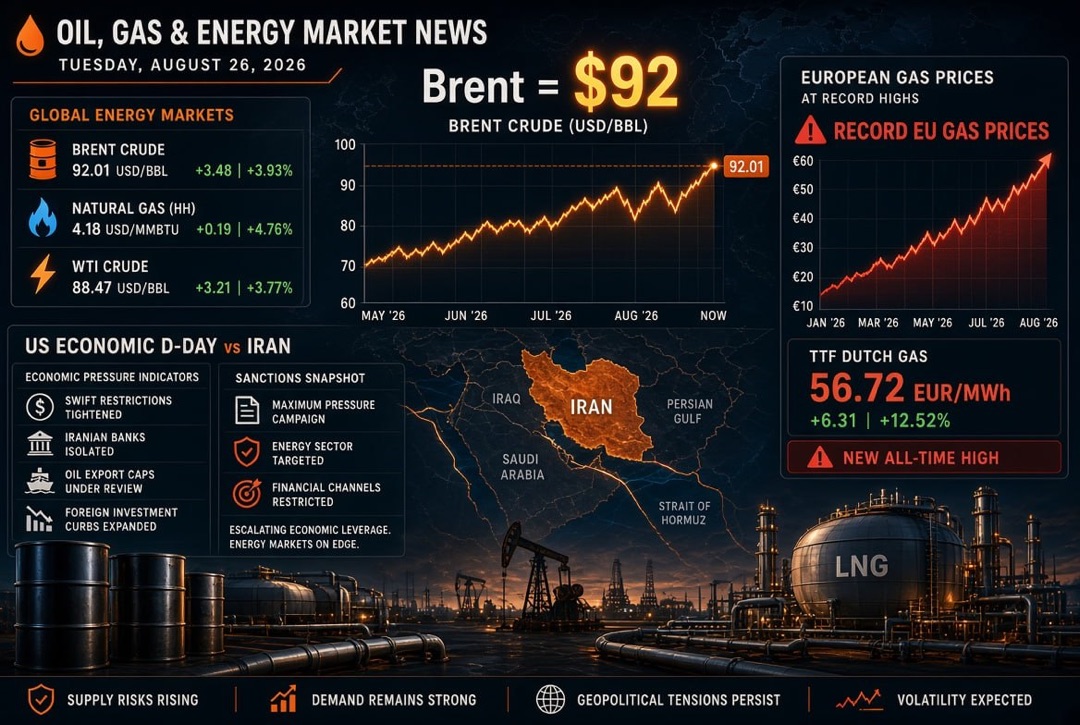
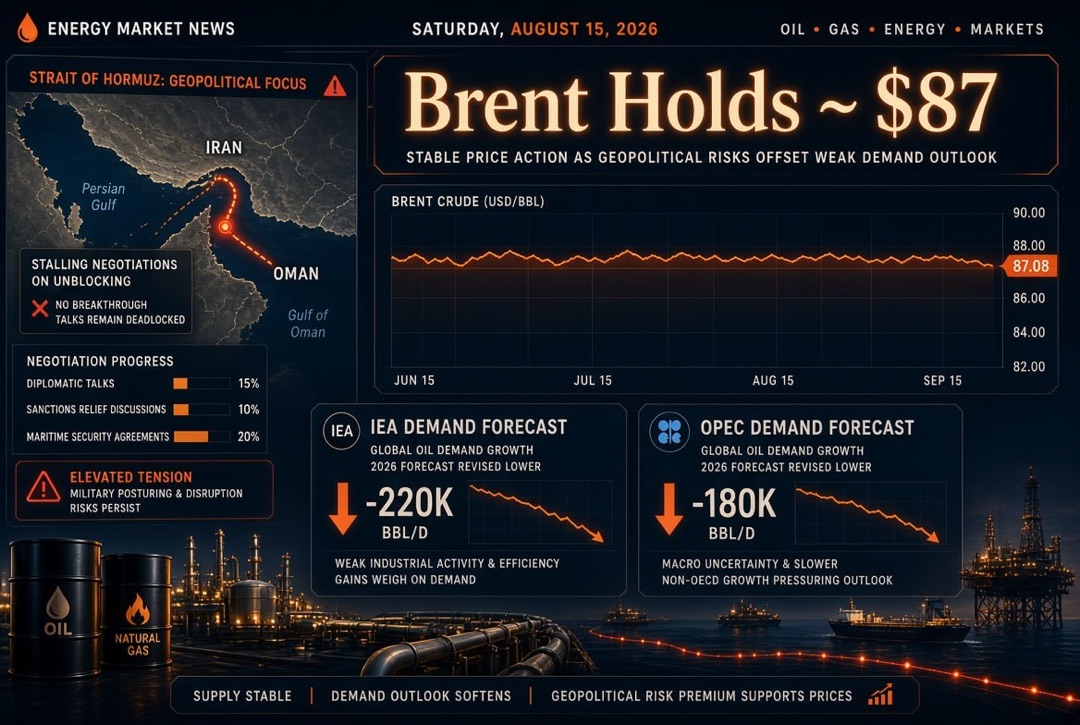
- Brent—as a key factor for Russian oil and gas companies and the budget;
- Gold—as a safe-haven asset amid decreased trust in the dollar and increased political risks.
Under low liquidity, movements can be sharp but not always representative. Therefore, it is essential for investors not to overestimate short-term price impulses over the weekend.
Europe and Asia: A Global Environment for Investors
European markets enter July 4 with heightened attention to U.S. trade policy. For Germany, France, Italy, and the Netherlands, the tariff issue is critically important: the automotive industry, machinery, chemicals, electronics, and logistics depend on access to the U.S. market.
For Asia, the key influence channel is export demand, the yen’s exchange rate, the dynamics of the semiconductor sector, and expectations for U.S. interest rates. The Nikkei 225 remains sensitive to USD/JPY as well as global demand for technological and industrial components.
The Russian market MOEX on such a day pays attention to oil, the ruble, expectations for the central bank's key rate, and external conditions. In the absence of major reports, investors assess not individual corporate releases, but rather the overall risk profile: commodities, the rate, the budget, exports, and dividend expectations.
Day Summary: What Investors Should Focus On
Saturday, July 4, 2026, appears calm due to the lack of major macro data and corporate reports. However, for investors, it's a day for strategic preparation before a new market cycle: the closure of American markets, the U.S.–EU trade deadline, and the anticipation of Q2 earnings create a significant backdrop for decisions in the upcoming week.
Key focal points for investors:
- U.S.–EU Trade Deal: Monitor statements from Washington and Brussels, particularly regarding automobiles, industrial goods, and digital taxes.
- Fed and U.S. Labor Market: Weak employment reduces the risk of immediate tightening but does not eliminate inflation concerns.
- Corporate Earnings: Prepare for PepsiCo, Delta Air Lines, and subsequent reports from banks and technology companies.
- Currencies and Commodities: Track the dollar, euro, gold, Brent, and ruble as key indicators of global risk.
- Portfolio Strategy: Avoid opening aggressive positions in a thin market; predefine risk levels and scenarios for Monday.
For the long-term investor, July 4 is not a day for emotional decisions but a moment for a portfolio review. The key question in the coming days will be whether the earnings season confirms the resilience of corporate profits or if the market will face a reassessment of expectations amid tariff uncertainty and softer U.S. macroeconomic statistics.