Economic Events and Corporate Reports for Tuesday, July 7, 2026: Germany's Industrial Production, Signals from the Bank of England, ADP Data, and U.S. Trade Balance, NY Fed Inflation Expectations, EIA Oil Forecast, and Key Public Company Reports
Tuesday, July 7, 2026, will serve as a macroeconomic check-in for global investors: the European session will begin with Germany's industrial statistics, followed by signals from the Bank of England, and in the afternoon, the focus will shift to the United States—ADP labor market data, trade balance, consumer inflation expectations, and oil statistics. For the CIS audience, this calendar is significant not only due to the dynamics of the dollar, euro, pound, and bond yields but also due to its impact on oil, gas, commodity currencies, exporters, and the MOEX index.
Corporate reports on July 7 appear less crowded than the macroeconomic block. There is no significant wave of reporting from systemically important companies in the S&P 500, Euro Stoxx 50, Nikkei 225, and MOEX for this day. However, investors should keep an eye on Samsung Electronics in Asia, as well as American issuers such as Penguin Solutions, Enerpac Tool Group, Kura Sushi USA, and Saratoga Investment. These reports may provide early signals regarding demand for AI infrastructure, industrial equipment, consumer sector behavior, and credit conditions.
Key Intrigue of the Day: Macroeconomics Outweighs Reporting
The economic events of July 7 create a rare combination of factors: Germany’s industrial performance will reflect the state of Europe’s largest economy, the Bank of England will provide signals regarding financial stability and rates, the U.S. will update data on trade balance and inflation expectations, and the energy market will receive a new short-term forecast from the U.S. Department of Energy along with API oil inventory data.
For investors, the key question of the day is whether the global economy remains in moderate growth mode or if the market is beginning to price in a harsher scenario: weak industrial performance, cautious central banks, consumer pressure, and commodity market volatility. This is why the economic calendar today is crucial for equities, bonds, currencies, Brent and WTI oil, gold, the ruble, the yuan, and emerging market indexes.
Calendar of Key Events for Tuesday, July 7, 2026
- 09:00 MSC — Germany: Industrial production for May. An important indicator for assessing the industrial cycle in the Eurozone, exports, automotive industry, and energy demand.
- 12:30 MSC — United Kingdom: Bank of England materials and financial stability block. The market will evaluate risks to banking, lending, real estate, and the debt market.
- 13:30 MSC — Speech by Bank of England Governor Andrew Bailey. The main focus will be on rates, inflation, financial conditions, and bank sector resilience.
- 15:15 MSC — United States: ADP Employment, weekly employment assessment. An early signal for the labor market ahead of the next official releases.
- 15:30 MSC — United States: Trade balance for May. Data is crucial for the dollar, GDP, import inflation, and assessment of external demand.
- 18:00 MSC — United States: Consumer inflation expectations from NY Fed for June. One of the key indicators for assessing the resilience of inflationary pressure.
- 19:00 MSC — Short-term EIA oil market forecast. Focus will be on the balance of supply and demand, U.S. production, inventories, Brent, WTI, and gas.
- 23:30 MSC — United States: Weekly API oil inventories. A late driver for oil quotes and shares in the energy sector.
Germany: Industrial Production as a Test for Eurozone Economy
Germany's industrial production for May will be the first significant European signal of the day. For investors, it is not merely national statistics: Germany remains the industrial core of the Eurozone, and its indicators directly influence expectations regarding GDP, exports, demand for electricity, gas, metals, automotive components, and logistics.
Following an increase in industrial orders in May, the market will look to confirm whether actual output supports a recovery in the production cycle. If industrial production exceeds expectations, this may support the euro, European cyclical stocks, the industrial sector, and exporters. Conversely, weak data may intensify concerns that high rates, expensive energy, and weak external demand continue to pressure Germany's economy.
For CIS investors, this release holds significance through several channels:
- the dynamics of the euro against the dollar and ruble;
- demand for oil, gas, and petroleum products in Europe;
- evaluating the prospects of European industrial companies;
- sentiment towards emerging market equities and commodity assets.
Bank of England: Rate, Financial Stability, and Signal for the Pound
The Bank of England block will be a key event during the European portion of the day. Investors will be awaiting an assessment of financial stability, credit conditions, the status of the banking sector, and comments from Andrew Bailey. For the market, current formulations regarding inflation are crucial, as is the balance between two risks: an overly premature policy easing and excessive pressure from high rates on the economy.
The pound sterling, British government bonds, and shares in banking, real estate, and the consumer sector may react to any hints about the future trajectory of rates. If Bailey maintains a hawkish rhetoric, yields on British bonds may remain elevated, providing short-term support for the pound. A more cautious tone could, conversely, heighten expectations for easing financial conditions later in 2026.
The position of the Bank of England is also important for the global market, as it reflects a broader trend among developed economies: central banks are striving to keep inflation expectations in check without triggering a sharp deterioration in the credit cycle.
United States: ADP, Trade Balance, and NY Fed Inflation Expectations
The American block of statistics on July 7 will be the most significant for global markets. The weekly ADP employment estimate will provide an early signal on labor demand in the private sector. Following signs of cooling in the labor market, investors will carefully assess whether employment remains stable or if the U.S. economy is entering a phase of more noticeable slowdown.
The U.S. trade balance for May is important for several asset classes. A wider deficit could indicate increased imports and pressure on net exports within GDP. A narrower deficit, on the other hand, could bolster growth expectations, especially if the improvement is tied to sustained exports rather than a decline in domestic demand.
The NY Fed’s inflation expectations for June are among the day's most sensitive releases. If household expectations remain high, the Fed will have less room for dovish policy. Conversely, if expectations decrease, the market may more aggressively price in a pause or a softer trajectory for rates. For investors, this means heightened sensitivity for the dollar, U.S. Treasury yields, gold, tech stocks, and currencies of emerging markets.
Oil and Energy: EIA Forecast and API Inventories
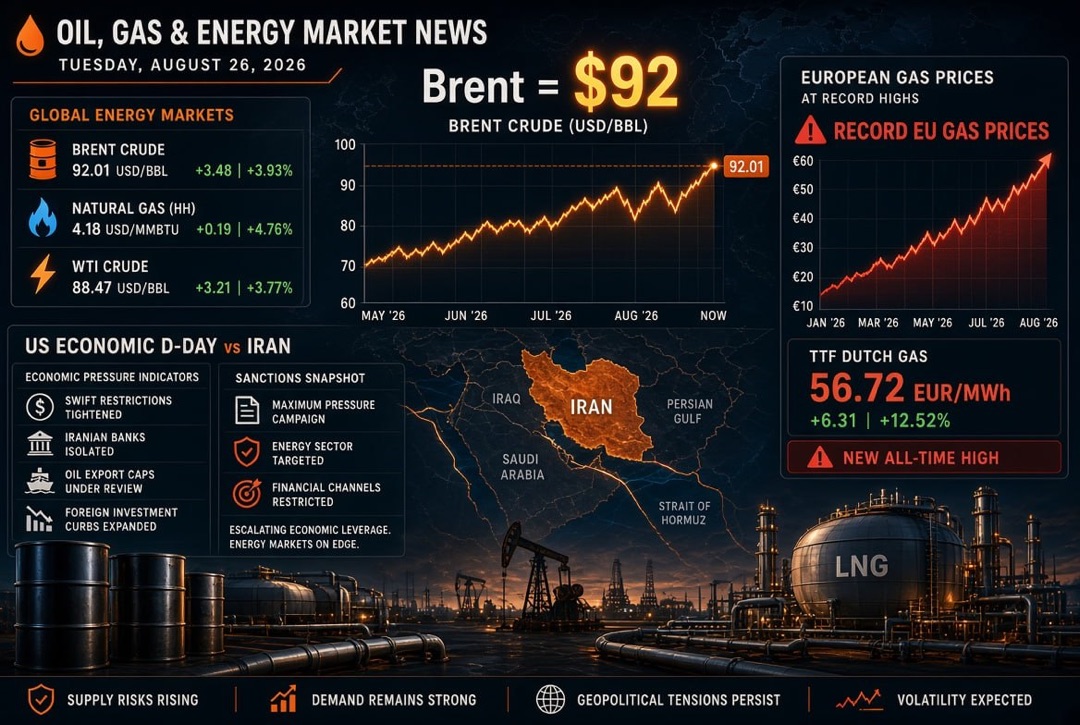
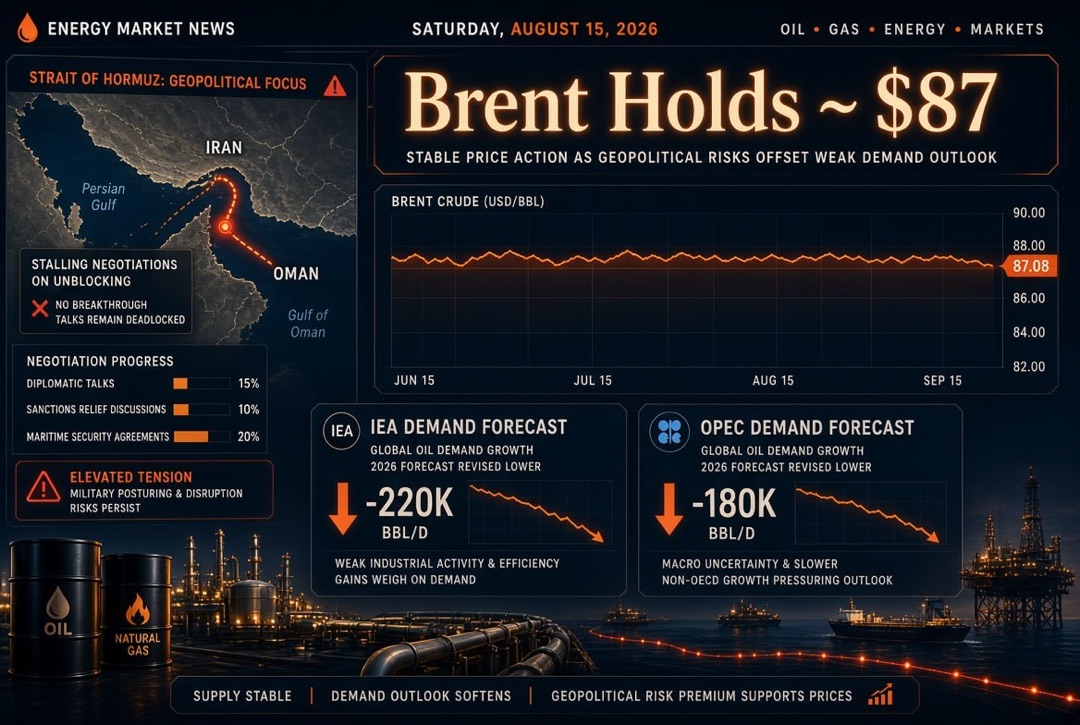
The short-term EIA oil market forecast will be a central event in the commodity block. Projections regarding U.S. production, global demand, inventories, Brent and WTI prices, OPEC+ balances, LNG exports, and petroleum product consumption will be significant for the oil market. In a climate where investors are assessing the implications of geopolitics, OPEC+ decisions, and changing industrial demand, the updated EIA forecast could become a guiding factor for oil companies and traders.
Late in the evening, data on API oil inventories in the U.S. will be released. A strong decline in inventories is typically perceived as a signal of robust demand and can support oil prices. An increase in inventories, on the contrary, raises the risk of a correction for Brent and WTI, especially if it coincides with weak macro statistics from the U.S. or Europe.
For the CIS market, the oil block is particularly important: Brent dynamics affect expectations regarding Russian oil and gas companies, budget revenues, ruble performance, export earnings, and the MOEX index. Investors should also monitor spreads of petroleum products, refining margins, and signals regarding diesel demand.
U.S. Corporate Reports: A Day Without Major S&P 500 Releases, Yet Valuable Sector Signals
Corporate reporting on July 7 in the U.S. appears moderate. Major reports from S&P 500 companies are not expected before market opening, and the primary reporting season is projected to accelerate closer to banks, consumer, and tech giants’ releases. Nevertheless, several public companies will provide useful signals regarding specific sectors.
- Penguin Solutions. Investors will evaluate the demand for high-performance computing infrastructure, server solutions, and AI-related projects.
- Enerpac Tool Group. The report serves as an indicator of industrial equipment, capital expenditures, and demand from manufacturing companies.
- Kura Sushi USA. Results will reveal the state of the restaurant segment and consumers' sensitivity to pricing.
- Saratoga Investment. The report is of interest for evaluating private credit, investment income, and funding costs.
- Nurix Therapeutics. The biotech sector remains sensitive to research spending, clinical programs, and access to capital.
- Xcel Brands. Although a small-cap company, it may provide local signals regarding consumer goods and brand retail.
For investors, the main takeaway is that Tuesday will not be a day of major corporate surprises on Wall Street, but it may set the tone for expectations ahead of a full-fledged start to the Q2 2026 earnings season.
Europe, Asia, and Russia: Samsung in the Spotlight, Europe and MOEX Quiet on Major Reports
In Asia, the main corporate event of the day will be the preliminary report from Samsung Electronics for Q2. The company remains a key barometer for the global memory market, semiconductors, server infrastructure, and capital expenditures on AI. Strong results from Samsung could support stocks of chipmakers, equipment suppliers, cloud providers, and the entire tech sector in Asia.
In Europe, among public companies, Eastnine AB stands out in the calendar, but for Euro Stoxx 50, the day looks calm: no major reports from leading European blue chips are expected on July 7. This indicates that the European market will likely respond more strongly to Germany's industrial performance, the Bank of England, the euro's dynamics, oil, and bond yields.
On the Russian market, there are also no major reports from MOEX on July 7. For investors in Russian stocks, the main factors will remain oil, the ruble, rate expectations, dividend stories, geopolitical premiums, and the dynamics of demand for commodity assets. Stocks in the oil and gas sector, metallurgy, banking, and exporters are likely to respond primarily to external factors rather than corporate announcements.
What the Day's Events Mean for Investors
Tuesday, July 7, 2026, should be viewed as a day for calibrating expectations ahead of a busier part of the week. Macroeconomic data may impact rates, currencies, and commodity prices more significantly than corporate reporting. For short-term investors, this translates to increased volatility in the latter half of the day, particularly following the release of American statistics.
For long-term investors, it is essential not to focus solely on the market's reaction to one release but rather on the cumulative signal: if Germany’s industry stabilizes, the U.S. labor market cools without sharp deterioration, and inflation expectations decrease, this could support a soft landing scenario. Conversely, if data shows weak industry, persistent inflation, and rising oil risks, markets may shift towards a more cautious assessment of equities.
Key Points for Investors to Watch at Day's End
- Germany's Industrial Production. A strong reading will support European cyclical stocks and the euro; a weak one will heighten concerns about the Eurozone's economy.
- Bank of England's Rhetoric. A hawkish tone from Bailey may bolster the pound but increase pressure on British equities and real estate.
- ADP and U.S. Labor Market. Cooling employment will be crucial for expectations regarding the Fed's rate and bond yields.
- U.S. Trade Balance. The data will impact GDP estimates, import demand, and dollar dynamics.
- NY Fed Inflation Expectations. This is one of the main indicators for understanding the future trajectory of Fed policy.
- EIA Forecast and API Inventories. The oil block is important for Brent, WTI, the ruble, oil and gas stocks, and commodity currencies.
- Samsung and Technology Sector Reports. Preliminary results from Samsung will showcase demand resilience for memory and AI infrastructure.
- Absence of Major S&P 500 and Euro Stoxx 50 Reports. This heightens the significance of macroeconomics as the day's main driver.
The conclusion for investors is that July 7 will be a day when the market seeks confirmation of three key theses: Europe’s industry is capable of recovering, the U.S. retains controlled economic cooling, and the oil market remains balanced. Until major corporate reports emerge, these signals will primarily dictate the tone for global equities, bonds, currencies, and commodity assets.