Economic Events and Corporate Reports for Wednesday, July 1, 2026: Global PMI, Eurozone Inflation, ADP, ISM Manufacturing PMI, EIA Oil Inventories, Speeches from Central Bank Heads, and the First Day of the Russian Bank's Financial Congress
Wednesday, July 1, 2026, marks the opening of a new month for global markets, featuring a packed calendar of macroeconomic events, central bank activities, and corporate reports. For investors from the CIS, key indicators of the day will include manufacturing PMI indices from Australia to the U.S., preliminary inflation figures from the Eurozone, ADP data on the U.S. labor market, the ISM Manufacturing PMI, EIA weekly oil inventories, and the first day of the Financial Congress of the Bank of Russia, along with the summary of discussions regarding the key rate of the Central Bank of Russia.
The global environment remains sensitive to three factors: inflation dynamics, the resilience of the industrial cycle, and monetary policy expectations. Additionally, Canada and Hong Kong will not conduct trading due to national holidays, which may reduce liquidity in certain segments of Asian and commodity markets.
The Main Intrigue of the Day: The Industrial Cycle and Inflation
Investor focus on Wednesday will shift towards manufacturing PMI. These indices will reveal how resilient the industrial sector remains amid high interest rates, supply chain restructuring, and commodity market volatility. For stock indices such as S&P 500, Euro Stoxx 50, Nikkei 225, and MOEX, not only the figure of the PMI itself matters, but also the report structure: new orders, employment, export demand, purchase prices, and inventories.
- Asia: Australia, Japan, China, and India will provide early signals regarding industrial activity in the region.
- Europe: Germany, Switzerland, the Eurozone, and the United Kingdom will indicate the state of the manufacturing core of developed markets.
- U.S.: S&P Manufacturing PMI and ISM Manufacturing PMI will serve as key indicators for the dollar, Treasuries, and U.S. equities.
- Russia: Manufacturing PMI and the summary from the Bank of Russia will help evaluate business activity and the trajectory of monetary policy.
Asia: China, Japan, and India Set the Tone for the Trading Session
The Asian block begins with the release of Manufacturing PMI in Australia at 02:00 MSK, followed by Japanese data at 03:30 MSK, and Caixin Manufacturing PMI from China at 04:45 MSK. For investors, these releases are crucial as indicators of demand for commodities, electronics, industrial equipment, and transport services.
The Chinese Caixin PMI is traditionally viewed as a more sensitive indicator of the health of the private sector and export-oriented manufacturers. Weak data could increase pressure on industrial metals, oil, and shares of Asian cyclical companies. Conversely, strong figures could support risk appetite in emerging markets and the commodity segment.
An additional geopolitical and investment highlight of the day will be the first day of the Japanese Prime Minister's visit to India. For markets, this is not just a diplomatic event, but also a signal regarding future cooperation in infrastructure, technology, semiconductors, energy, and supply chains. The Indian Manufacturing PMI, due at 08:00 MSK, will also be critical for assessing the resilience of one of the fastest-growing economies in the world.
Europe: PMI, Inflation, and the Final Phase of MiCA
The European session will be eventful. The Swiss Manufacturing PMI is scheduled to be released at 10:30 MSK, followed by Germany at 10:55 MSK, the Eurozone at 11:00 MSK, and the UK at 11:30 MSK. The region's main macroeconomic release will be the preliminary consumer inflation CPI for the Eurozone in June, set for 12:00 MSK.
For the European Central Bank, the balance between sluggish industrial growth and inflationary pressures remains crucial. If CPI exceeds expectations, the market may reassess the likelihood of a firmer stance from the ECB. Conversely, if inflation continues to slow, it would support the bond market, interest-sensitive sectors, and shares of heavily indebted companies.
A separate event of note will be the conclusion of the transitional period for crypto regulation MiCA in the EU. As of July 1, 2026, it becomes more challenging for non-accredited crypto services to operate within the European Union. For investors, this represents an important signal regarding the regulation of digital assets, crypto exchanges, fintech companies, and European investment product providers.
U.S.: ADP, ISM Manufacturing PMI, and Labor Market Check
The American block will commence with the ADP Nonfarm Employment report for June at 15:15 MSK. While this indicator does not always accurately predict the official Nonfarm Payrolls, it can significantly influence labor market expectations, U.S. Treasury yields, and the dollar index.
S&P Manufacturing PMI for the U.S. will be released at 16:45 MSK, followed by ISM Manufacturing PMI at 17:00 MSK. For the S&P 500 and Nasdaq, especially important are the components of new orders and prices. If industrial activity strengthens with moderate price pressures, this presents a positive scenario for stocks. Conversely, if PMI growth is accompanied by rising prices, the market may revert to concerns over inflation and the Fed's interest rates.
- Higher ADP than expected — support for the dollar, but potential pressure on stocks due to recalibrated rate expectations.
- ISM above 50 points — a signal of industrial expansion and support for cyclical sectors.
- Weak new orders — a risk for industry, transportation, commodities, and bank lending.
Central Banks: Coordinated Signals from the Fed, ECB, Bank of England, and Bank of Canada
In a rare event, several central bank leaders, including Jerome Powell, Christine Lagarde, Andrew Bailey, and the head of the Bank of Canada, are scheduled to speak at 16:00 MSK. For markets, this provides a unique opportunity for investors to compare the rhetoric of the largest regulators almost simultaneously.
The key question is how prepared central banks are to ease policies amid uneven growth and persisting inflation sensitivity. Any signals regarding a pause, continuation of stringent policy, or cautious rate reductions could significantly influence the currency market, gold, bank stocks, real estate, technology sectors, and bonds.
For CIS investors, the reaction of the dollar and euro is particularly crucial: changes in the EUR/USD pair often translate into commodities dynamics, emerging markets, and currency strategies.
Russia: Financial Congress of the Bank of Russia, PMI, Inflation, and Rate Summary
In Russia, the key event will be the first day of the Financial Congress of the Bank of Russia in St. Petersburg. Topics related to monetary policy, inflation, banking regulation, digital financial assets, ruble instruments, and the stability of the financial system will be of significant interest to market participants.
The Russian Manufacturing PMI for June will be published at 09:00 MSK. At 15:30 MSK, the Bank of Russia will release a summary of the discussion on the key rate following the recent meeting. At 19:00 MSK, consumer inflation data in Russia is expected. This will be one of the most critical domestic updates of the week for the MOEX index, federal loan bonds, the banking sector, and shares of companies driven by domestic demand.
Additionally, on July 1, the Moscow Exchange will publish trading volumes for the previous month. This indicator is vital for assessing retail investor activity, stock market liquidity, and transactions in the currency, monetary, and derivatives segments.
Oil and Commodity Markets: EIA Inventories as a Demand Indicator
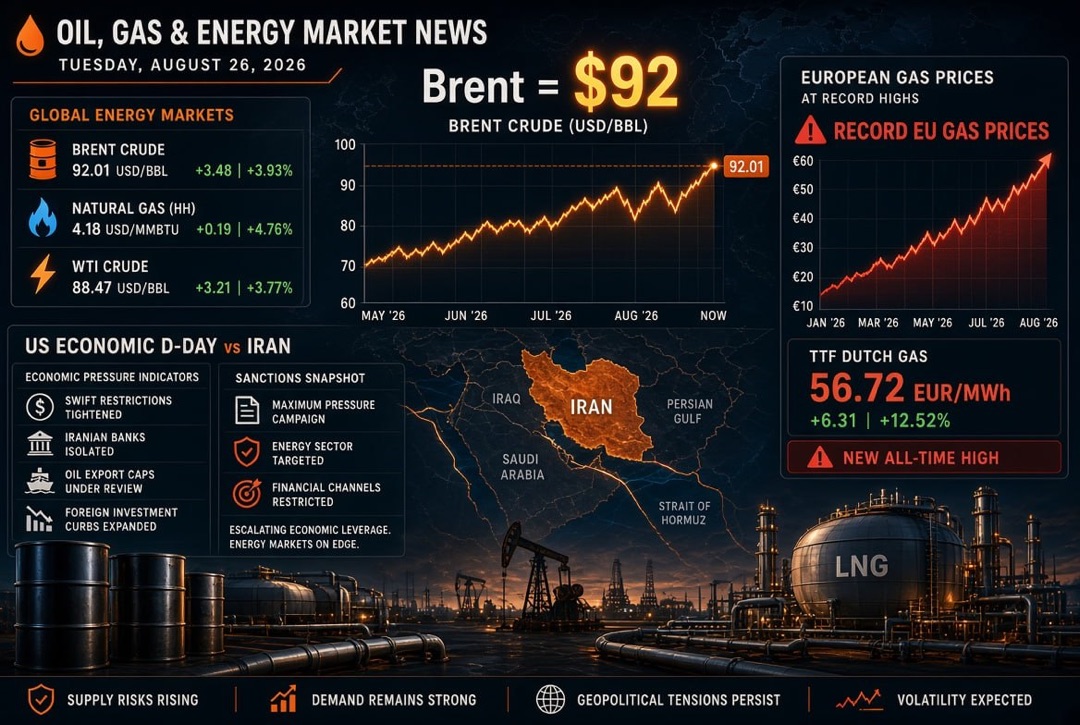
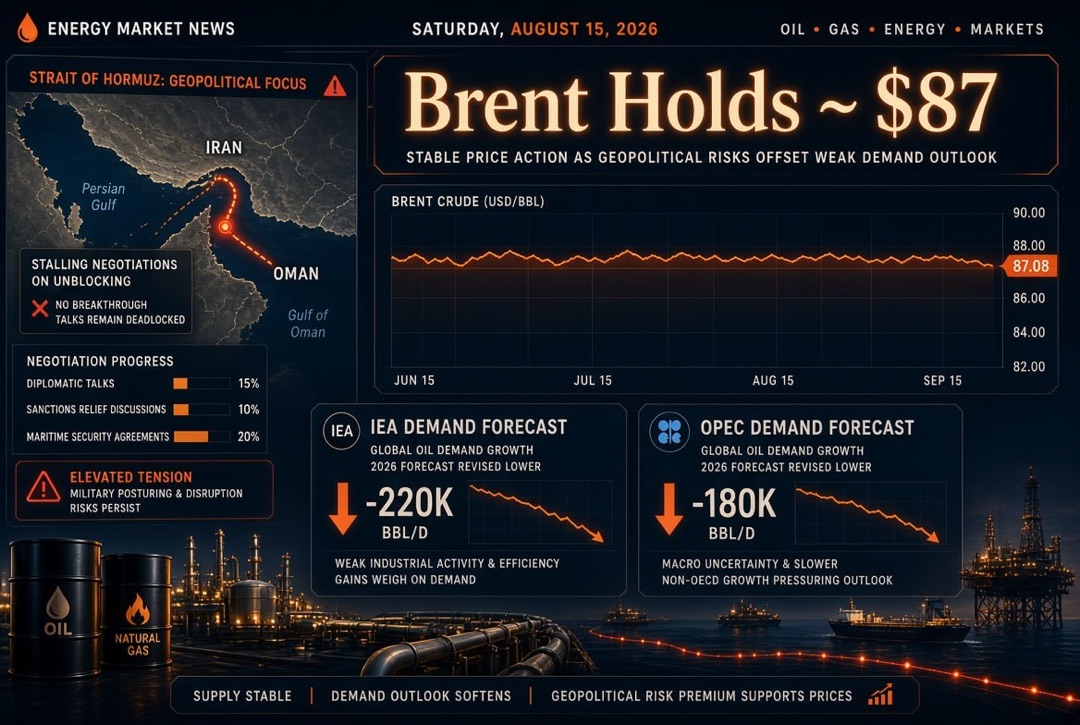
The EIA's weekly oil inventory data for the U.S. will be released at 17:30 MSK. For Brent, WTI, oil and gas companies, and currencies of commodity countries, this report remains a key short-term reference point.
A reduction in inventories is typically interpreted as a signal of resilient demand or constrained supply, which supports oil prices. Conversely, an increase in inventories could add downward pressure on oil, especially if industrial PMIs and demand data weaken simultaneously.
- Oil: market reactions in Brent and WTI to EIA data.
- Gas and Electricity: impact of energy commodity prices on inflation expectations.
- Energy Sector Stocks: sensitivity of oil and gas companies to inventories, refining margin, and the dollar.
- Ruble: connection between oil prices, budget expectations, and the currency market.
Corporate Reports: General Mills, FactSet, MSC Industrial, UniFirst, and Greenbrier
The corporate calendar for July 1 lacks a significant number of megacap companies such as Apple, Microsoft, Toyota, ASML, LVMH, or the largest Russian issuers. However, reports from companies that provide insights into consumer demand, the industrial cycle, financial data, and transportation infrastructure remain vital for investors.
In focus for the U.S. market:
- General Mills (GIS) — a large consumer sector company and crucial indicator of food demand, price elasticity, and margins in defensive consumer staples.
- FactSet Research Systems (FDS) — provider of financial data, significant for assessing demand from banks, asset managers, and institutional investors.
- MSC Industrial Direct (MSM) — an indicator of industrial demand, equipment purchases, the MRO segment, and activity from manufacturing clients.
- UniFirst (UNF) — a service sector company reflecting corporate expenses and employment dynamics in serviced industries.
- Greenbrier Companies (GBX) — a manufacturer of rail equipment important for evaluating the transport cycle and capital expenditures in logistics.
- National Beverage (FIZZ) and Bassett Furniture (BSET) — consumer sector companies sensitive to disposable income, interest rates, and retail activity.
Among European and international names, Ferrovial and CoinShares can also be found in the calendars, but for Euro Stoxx 50, Nikkei 225, and MOEX, the day's main driver will likely be macroeconomic factors, regulations, commodity prices, and signals from central banks rather than corporate reports.
What Investors Should Focus On
For investors, Wednesday, July 1, 2026, appears as a day for assessing the global economic impulse. The key question is whether the PMIs confirm the recovery of industry or indicate a slowdown. The second question is how inflation in the Eurozone and Russia aligns with expectations regarding future rates. The third question is how the U.S. labor market and ISM Manufacturing PMI will influence the rhetoric of the Fed.
Practical focus points of the day include:
- Compare PMIs from China, Germany, the Eurozone, and the U.S. to evaluate the global industrial cycle;
- Monitor the Eurozone CPI and Russian inflation as indicators of future policy from the ECB and the Bank of Russia;
- Assess ADP and ISM Manufacturing PMI from the U.S. in the context of Treasuries and dollar yields;
- Observe speeches from Powell, Lagarde, Bailey, and the head of the Bank of Canada;
- Check oil's response to EIA inventory data;
- Examine reports from General Mills, FactSet, MSC Industrial, UniFirst, and Greenbrier as early signals for consumers, industry, and corporate expenses;
- Consider the impact of MiCA on the European crypto market and fintech sector separately.
In conclusion, July 1 is a day when investors receive multiple snapshots of the global economy. If the PMIs, U.S. labor market, and inflation data turn out balanced, markets may retain a risk appetite. However, if statistics indicate a simultaneous slowdown in industry and persistent inflation, volatility in stocks, bonds, oil, and currencies could significantly increase.