Economic Events and Corporate Reports: Saturday, August 8, 2026 – Weekly Summary After Payrolls, China's Inflation, and Preparation for U.S. CPI
Saturday, August 8, 2026, is a trading-free day on global markets, but not a day off for investors. Behind us is one of the busiest weeks of summer: markets have absorbed the U.S. July employment report (Nonfarm Payrolls), the peak wave of the corporate earnings season with results from Palantir, AMD, Disney, Eli Lilly, Novo Nordisk, and Airbnb, as well as OPEC+'s decisions regarding September production. The weekend offers an opportunity to assess the shift in expectations for the Fed's interest rate, analyze the reports, and prepare for the upcoming week, which will be dominated by two key events: the U.S. July inflation (CPI), the Reserve Bank of Australia's (RBA) decision, and retail sales statistics. On Sunday, the focus will shift to Asia as China releases data on consumer and producer inflation for July. For investors in the S&P 500, Euro Stoxx 50, Nikkei 225, and Moscow Exchange, Saturday represents a moment for a strategic pause and portfolio rebalancing.
Key Themes of the Weekend: A Brief Overview
- Reflection on Friday's Nonfarm Payrolls report for July and revision of expectations for the Fed's interest rate.
- Results of the peak week of Q2 earnings season in the U.S., Europe, and Asia.
- Sunday's release of China’s consumer (CPI) and producer (PPI) price indices for July.
- Commodity markets following OPEC+ decisions and weekly U.S. oil inventory dynamics.
- Weekly summary on the Moscow Exchange: reports from TGC-1, Rostelecom, Unipro, and dividend cut-offs.
- Upcoming week's calendar: RBA, U.S. CPI and PPI, retail sales, UK GDP.
Weekly Results: U.S. Labor Market Sets the Vector
The central event of the concluded week was Friday's U.S. employment report for July. It was preceded by a series of indicators—JOLTS job openings, ADP employment, weekly jobless claims, and employment components in ISM indices—that painted a picture of the gradual cooling of the U.S. labor market. This aggregate data now determines the market's assessment of the Fed's interest rate trajectory for the fall. Over the weekend, investors should compare the actual Payrolls figures with the reaction in Treasury yields and the dollar: the resilience of this reaction will serve as a benchmark for positioning in the following week, which will focus on the July CPI.
Earnings Season: Key Takeaways from the Week
The week marked the peak of the Q2 earnings season. Key narratives worth unpacking in the calm of the weekend include:
- Technology and AI – Reports from Palantir, AMD, Arista Networks, Datadog, and Cloudflare demonstrated how resilient the monetization of demand for AI infrastructure and cloud software is.
- Pharmaceutical Duel – The synchronized results from Eli Lilly and Novo Nordisk clarified the power dynamics in the weight loss medication market, a major narrative in global pharma.
- Consumer and Tourism – Disney, Marriott, Booking, Airbnb, and Uber provided insights into consumer activity on both sides of the Atlantic.
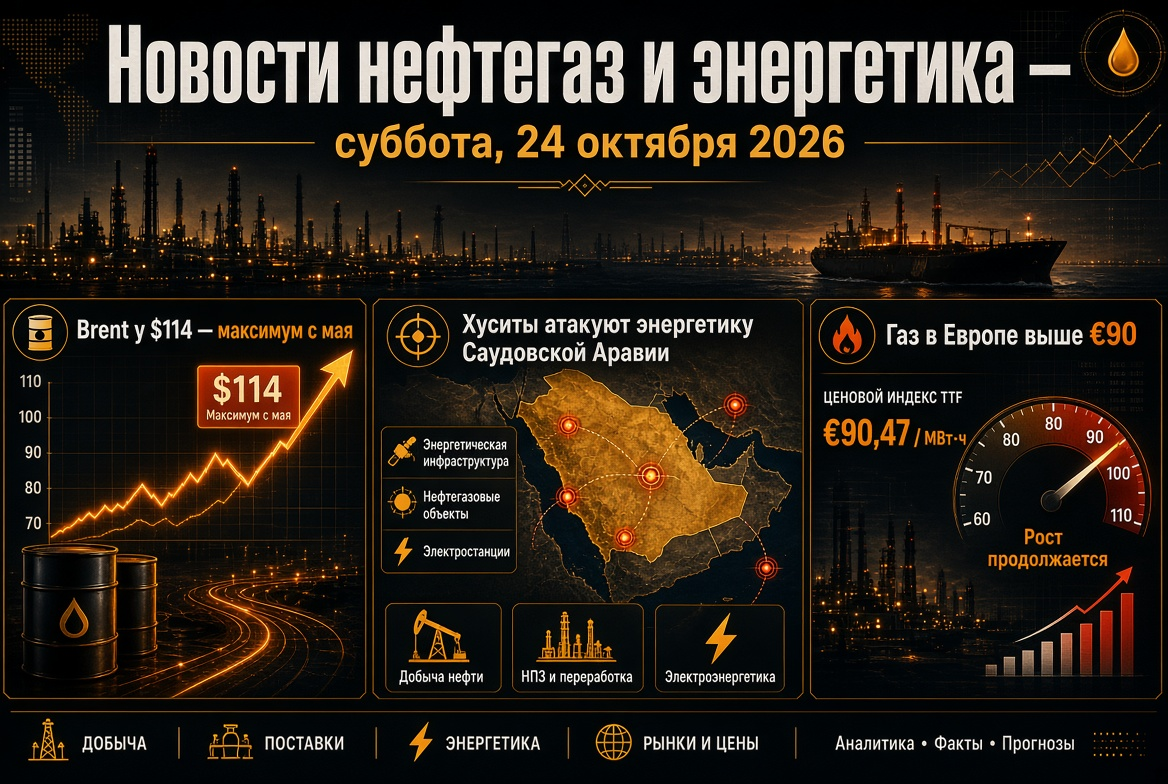
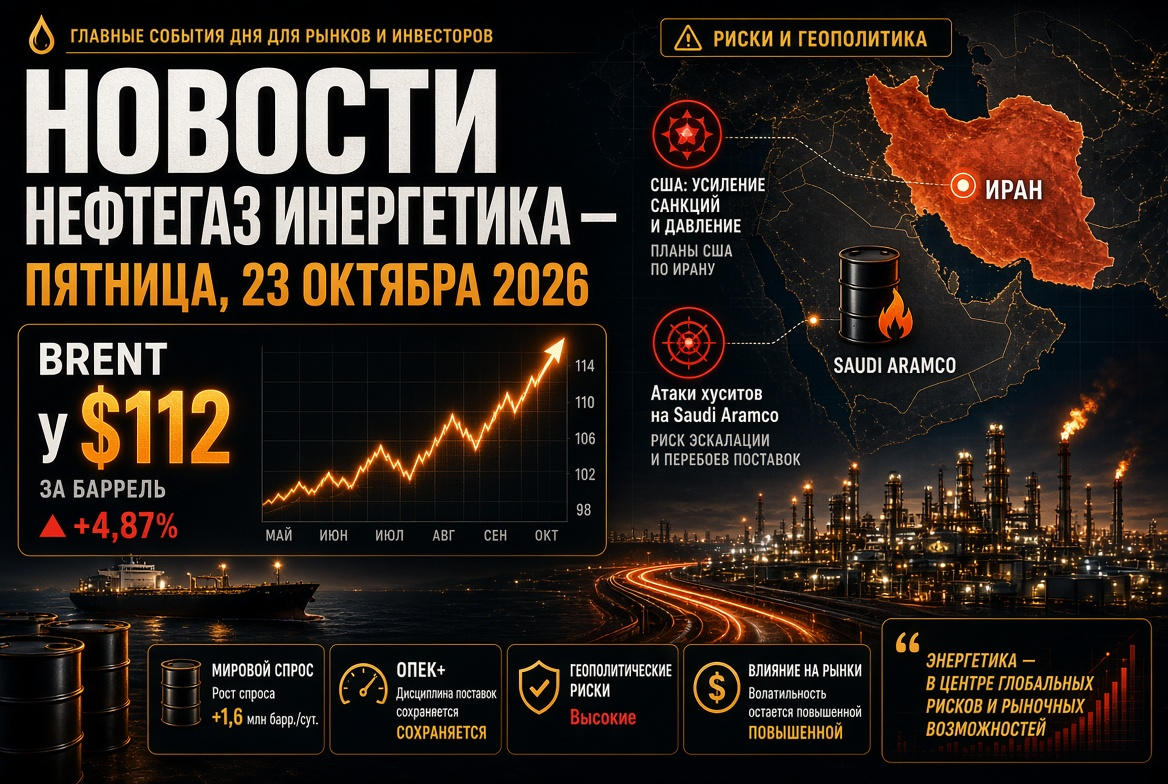
- Energy – ConocoPhillips, Occidental, Diamondback, BP, and Canadian Natural reported amid OPEC+'s decisions to increase September production.
- Industry – Caterpillar, Cummins, and Toyota highlighted the impact of tariffs and resource costs on the global industrial cycle.
Commodity Markets: Oil and Gold After OPEC+
The oil market finished the week fully accounting for the confirmed OPEC+ increase in September quotas and discussions about pausing further production increases. Weekly data from API and the U.S. Department of Energy on inventory supplemented the picture of supply-demand balance. Gold remains near historically high levels, supported by expectations of a loosening of Fed policy and a geopolitical premium, a factor reflected in the reports from gold miners ranging from Barrick to Wheaton Precious Metals. For Russian investors, the dynamics of Brent remain a key variable for oil and gas stocks on the Moscow Exchange.
China: Inflation Report for July on Sunday
On Sunday, August 9, the National Bureau of Statistics of China will release the consumer and producer price indices for July. This data follows Friday's statistics on China's foreign trade and is a crucial indicator for global markets:
- A weak CPI will confirm the persistence of deflationary pressures and enhance expectations for new stimulus from Beijing;
- PPI dynamics will indicate the state of industrial prices and profit prospects for Chinese producers;
- The reaction of commodity quotes and Asian currencies on Monday morning will set the tone for the opening of the global trading week.
Russia: Weekly Results on the Moscow Exchange
The Russian market concluded a week filled with corporate events. Key takeaways for investors include:
- IFRS reports for the first half of 2026 were presented by TGC-1, Rostelecom, and Unipro – fresh benchmarks for generation and telecom;
- Dividend cut-offs occurred for T-Technologies and Acron, technically adjusting the quotes;
- Rusagro confirmed its dividend decision at a repeat shareholders meeting, setting the tone for expectations in the agribusiness sector;
- The Moscow Exchange index remains under the defining influence of oil prices following OPEC+ and the ruble’s performance.
At the start of the new week, local market attention will shift to traditional monthly bank reports and the continuation of half-year IFRS updates.
Upcoming Week’s Calendar: U.S. CPI in Focus
The week from August 10 to August 14 promises to be no less significant for global markets:
- Tuesday, August 11 – RBA interest rate decision: the regulator is in a tightening cycle in 2026, and its rhetoric is crucial for currencies in the Asia-Pacific region.
- Wednesday, August 12 – The main release of the week: U.S. Consumer Price Index for July and the final inflation figure for Germany; the CPI will define the fate of rate expectations after Payrolls.
- Thursday, August 13 – U.S. Producer Price Index (PPI), UK GDP, and inflation expectations from RBNZ.
- Friday, August 14 – U.S. retail sales for July and the University of Michigan consumer sentiment index.
The corporate calendar is shifting to the concluding phase of the earnings season: reports from major technology and Chinese companies are expected during the week, as market attention gradually shifts from actual results to revisions of forecasts following the season.
What Investors Should Focus on August 8–9, 2026
- Market Reaction to Payrolls – Reassess positions in bonds, the dollar, and growth stocks considering Friday's close.
- China's Inflation on Sunday – The first driver for Monday’s Asian opening and commodity quotes.
- Analysis of Weekly Earnings Reports – Management forecasts from AMD, Disney, Eli Lilly, and Airbnb are more critical than the actual quarter figures.
- Preparation for U.S. CPI on August 12 – A key risk point for the new week: it makes sense to evaluate the portfolio's sensitivity to inflation surprises in advance.
- Oil Factor – Signals from OPEC+ regarding a pause in production increases remain decisive for energy stocks in the U.S., Europe, and Russia.
- Moscow Exchange Dividend Calendar – Account for past cut-offs and upcoming payouts when rebalancing the Russian portion of the portfolio.
Saturday, August 8, 2026, is a rare pause in the dense August calendar. It should be used for the main purpose: to reconcile the portfolio with the changed picture of Fed rate expectations post Payrolls, draw conclusions from the peak earnings week, and prepare an action plan for the publication of U.S. inflation on August 12 – an event capable of determining the dynamics of global markets until the end of summer.