Detailed Review of Economic Events and Corporate Reports for May 5, 2026: RBA Rate Decision, Services PMI, Swiss Inflation, Lagarde's Speech, US Trade Balance, ISM Services, JOLTS, API Oil Inventories, and Reports from AMD, Pfizer, HSBC, Shopify, PayPal, and Other Major Public Companies.
Tuesday, May 5, 2026, promises to be a busy day for global markets. Key topics for investors will include the Reserve Bank of Australia’s rate decision, inflation figures from Switzerland, European Central Bank President Christine Lagarde's speech, the US trade balance, services activity indices, and the JOLTS report on job openings in the US labor market. These economic events are crucial for assessing the trajectory of interest rates, the dollar exchange rate, bond dynamics, stock indices, and commodity assets.
The corporate agenda is equally dense. Before market opening, major companies such as HSBC, Eaton, Pfizer, Shopify, Duke Energy, PayPal, American Electric Power, IDEXX Laboratories, Thomson Reuters, and several others are set to report. Once the market closes, attention will shift to AMD, Arista Networks, Emerson Electric, Suncor Energy, EOG Resources, Occidental Petroleum, Strategy, Electronic Arts, Coupang, and Super Micro Computer. For the US market, Euro Stoxx 50, Asian exchanges, and MOEX, this day may serve as a significant indicator of the resilience of corporate profits amid high capital costs and uneven global demand.
Macroeconomic Calendar for May 5, 2026 (Moscow Time)
- 02:00 — Australia: Services PMI and Composite PMI for April.
- 07:30 — Australia: Reserve Bank of Australia's key rate decision.
- 08:30 — Australia: Reserve Bank of Australia press conference.
- 09:30 — Switzerland: Consumer Price Index (CPI) for April.
- 15:30 — Eurozone: Speech by ECB President Christine Lagarde.
- 15:30 — USA: Trade Balance for March.
- 16:30 — Canada: Services PMI and Composite PMI for April.
- 16:45 — USA: S&P Global Services PMI and Composite PMI for April.
- 17:00 — USA: ISM Services PMI for April.
- 17:00 — USA: JOLTS Job Openings for March.
- 17:00 — USA: New Home Sales for March.
- 23:30 — USA: API Weekly Crude Oil Inventories.
Asia and Australia: RBA Rate Decision, PMI, and Market Closures in China and Japan
The main event for the Asian session will be the Reserve Bank of Australia's rate decision. If the regulator tightens its rhetoric on inflation, it could support the Australian dollar and exert pressure on the bond market. For CIS investors, it is essential to monitor not only the rate decision itself but also the tone of the press conference, as comments on the future direction of monetary policy often provide a stronger market impulse than a formal rate change.
Additional focus will be on Australia's Services PMI and Composite PMI. These indices will reflect the state of the services sector, domestic demand, and business activity. In an environment where the global economy remains sensitive to interest rates and commodity prices, any signs of service sector slowdown could increase demand for safe-haven assets.
China and Japan will observe regular market closures on May 5. For China, this implies limited liquidity concerning Asian risk and a potential deferral of reactions to external news to the next trading session. In Japan, the market closure is related to the holiday calendar, and investors in the Nikkei 225 should consider the risks of delayed reactions to US data and reports.
Europe: Swiss Inflation and ECB Signals
The Swiss CPI for April will be significant as an indicator of inflationary pressure in one of Europe's most resilient economies. Low inflation may support expectations for a dovish stance from the Swiss National Bank, while accelerating prices could heighten demand for the franc as a safe haven currency.
Christine Lagarde's speech at 15:30 Moscow time will serve as the central European event of the day. Investors will be looking for signals regarding the future trajectory of ECB rates, inflation assessments, wage dynamics, and the state of the credit market. Comments regarding the banking sector, industry, energy, and consumer demand will be especially critical for the Euro Stoxx 50. A more hawkish tone could pressure growth stocks and companies with high leverage, while a neutral stance may support European indices.
USA: Trade Balance, ISM Services, JOLTS, and the Real Estate Market
The American session will be pivotal for global risk appetite. The US trade balance for March will provide insights into external demand, imports, and exports. A worsening deficit may raise concerns about the dollar's sustainability and consumption structure, while an improvement could support expectations for more balanced economic growth.
The primary macro indicator of the day will be the ISM Services PMI. The services sector remains the backbone of the US economy; therefore, the market will be closely monitoring:
- business activity index;
- new orders;
- employment component;
- price index reflecting inflationary pressure in services.
Concurrently, the JOLTS report on job openings will be released. A strong labor market may reduce the likelihood of swift easing by the Fed, supporting Treasury yields and exerting pressure on growth stocks. Conversely, weak data could bolster the tech sector but simultaneously raise concerns about economic slowdown.
New Home Sales will provide additional signals regarding the state of the US real estate market. For banks, construction companies, material manufacturers, and the consumer sector, this indicator remains crucial for assessing credit demand and household resilience.
Oil and Commodity Markets: API Inventories as a Signal Ahead of EIA Statistics
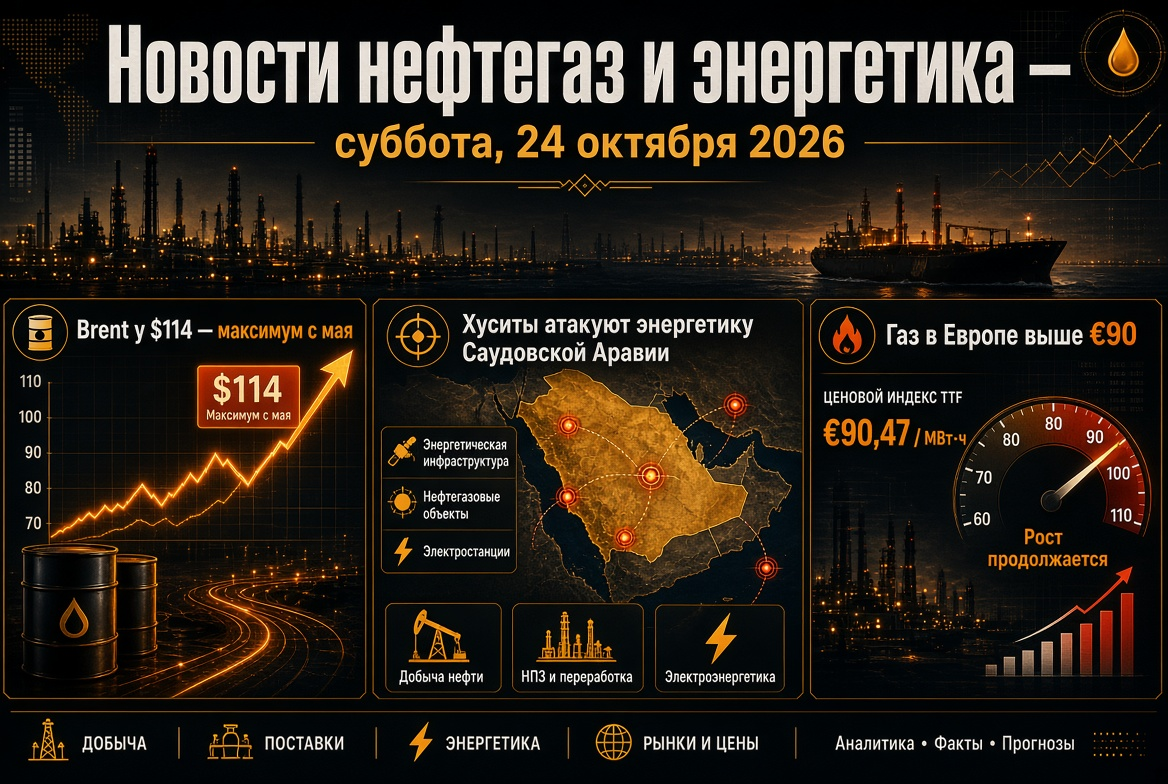
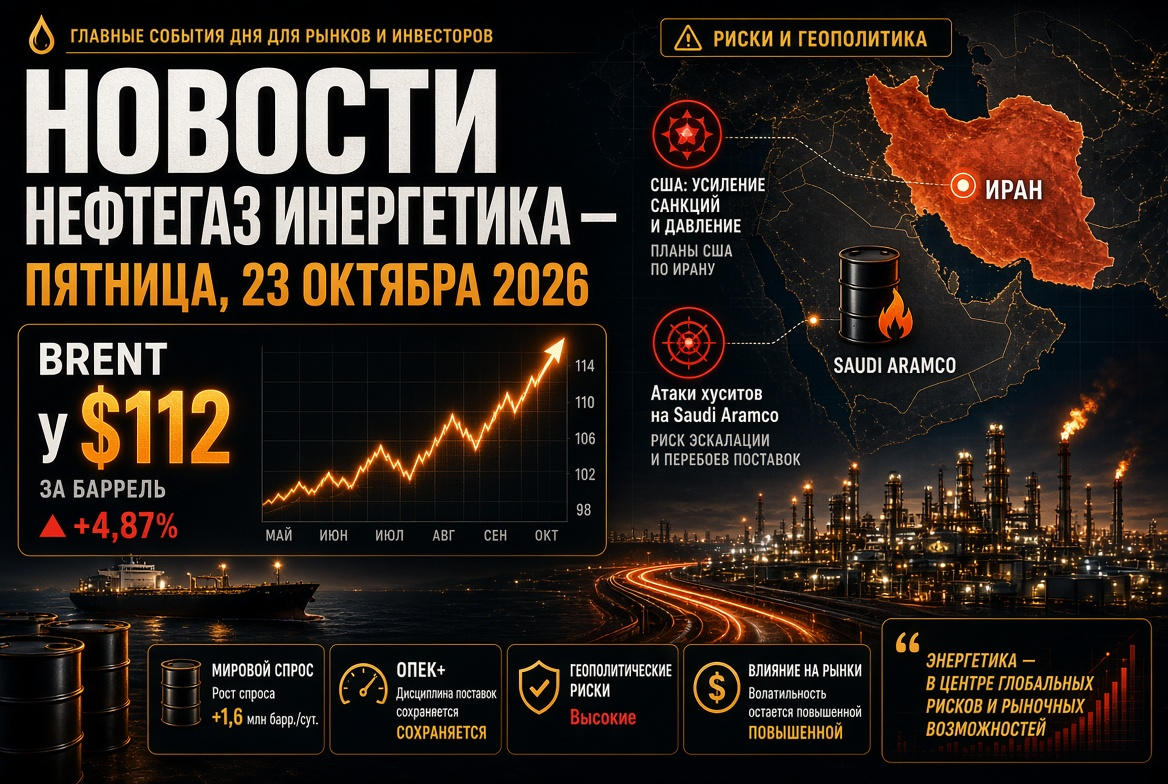
At 23:30 Moscow time, the preliminary estimate of weekly oil inventories in the US will be released by API. This report is significant for the commodity and energy sector as an early indicator ahead of the official EIA statistics. A rise in inventories could exert pressure on oil prices, especially if concerns about demand slowdown also intensify. Conversely, a decrease in inventories may bolster Brent and WTI prices, as well as stocks in the oil and gas sector.
For CIS investors, oil statistics hold additional significance, as oil dynamics impact currencies in commodity economies, export revenues, energy sector stocks, corporate bonds in the fuel and energy complex, and budget parameter expectations.
Corporate Reports Before Market Open: Banking, Pharma, Energy, Fintech, and Consumer Sector
Before the market opens, investors will assess reports from large public companies across various sectors. Key focuses include HSBC as a global bank with high sensitivity to rates and the Asian economy, Pfizer representing the pharmaceutical sector, Shopify as an e-commerce indicator, PayPal as a digital payments barometer, and Duke Energy and American Electric Power as defensive representatives of the electric utility sector.
Major reports before the market opens:
- HSBC — Banking sector, interest margin, credit risks, Asia and global liquidity.
- Eaton — Industry, electrification, energy management, demand for infrastructure solutions.
- Pfizer — Pharmaceuticals, revenue from key drugs, research and development expenditures.
- Shopify — E-commerce, GMV, margins, growth rates of subscription services.
- AB InBev — Consumer sector, sales volumes, profitability, and pricing strategy.
- Duke Energy and American Electric Power — Utility sector, investment programs, tariff regulation.
- PayPal — Digital payments, active accounts, transaction margin, and competition with fintech platforms.
- IDEXX Laboratories — Diagnostics and veterinary services, demand resilience in healthcare.
- Thomson Reuters — Information services, legal technology, subscription revenue.
Corporate Reports After Market Close: AMD, Arista, Energy, and AI Infrastructure
After the market closes, attention will shift to companies that could set the tone for the technology sector and energy. The day's main report will be from AMD. Investors will assess data center dynamics, demand for AI chips, competition with Nvidia, and margin forecasts. Arista Networks is significant as an indicator of hyperscaler spending on networking infrastructure, while Super Micro Computer reflects demand for servers and AI infrastructure.
Key reports after market close:
- AMD — AI chips, data centers, gross margin, revenue forecast.
- Arista Networks — Networking equipment, cloud customers, orders from hyperscalers.
- Emerson Electric — Automation, industrial demand, customer capital expenditures.
- Suncor Energy, EOG Resources, and Occidental Petroleum — Oil and gas sector, free cash flow, production, and dividends.
- Strategy — Corporate balance, impact of digital assets, valuation volatility.
- Electronic Arts — Gaming industry, digital sales, subscriptions, outlook for new releases.
- Coupang — E-commerce in Asia, logistics, profitability, user base growth.
- Super Micro Computer — Servers for artificial intelligence, revenue growth rates, profitability, and regulatory risks.
Russia and MOEX: Dividends, Corporate Events, and Local Risk Profile
On the Russian market, corporate events related to dividend decisions and registries will be in focus on May 5. The board of directors of RUSAL is expected to consider a dividend proposal for the first quarter. Investors should also note the closure of the registry for participation in the annual shareholders' meeting of Sollers and dividend dates for various issuers.
For MOEX, this is not a day of massive reporting from major companies, but the corporate calendar remains important for the short-term dynamics of individual stocks. The Russian market remains sensitive to dividend expectations, the Central Bank's rate, the ruble's exchange rate, oil prices, and internal liquidity. Therefore, even localized corporate decisions can lead to noticeable movements in specific equities.
Day's Overview: What Investors Should Pay Attention to
- RBA Decision. It is not just the rate change that matters; the tone of the press conference will influence the Australian dollar, commodity currencies, and global rate expectations.
- ISM Services and JOLTS in the US. These data will help determine whether the US economy remains resilient and how strong the labor market is.
- Christine Lagarde's Speech. Any signals regarding inflation and ECB rates can impact the Euro Stoxx 50, the euro, and European bonds.
- Reports from AMD, Arista, and Super Micro. The technology sector awaits confirmation of demand for AI infrastructure and data centers.
- API Oil Inventories. Data is critical for Brent, WTI, energy companies, and commodity currencies.
- Dividend Events on MOEX. Russian investors should monitor dividend decisions and registry dates, as these can influence local liquidity and the short-term dynamics of stocks.
Overall, May 5, 2026, is a day of high concentration of macroeconomic and corporate signals. For investors, the key task is not to react to each release in isolation but to assess the overall link: rates, inflation, the labor market, corporate profits, oil, and currencies. This link will define the direction of global markets in the second half of the week.