Economic Events and Corporate Reports: Saturday, March 28, 2026 — Eurogroup, ECB Signals, and Corporate Landscape Ahead of April
Saturday, March 28, 2026, is characterized by a low macroeconomic activity backdrop, but that does not imply a lack of reasons for risk reassessment. For investors, the significance of the day lies not in the sheer volume of statistics but in the quality of signals: the market is closing the quarter under pressure from geopolitics, high oil prices, and tense inflation expectations, while the corporate flow has already established a notable landscape heading into the weekend. The European agenda, ECB comments, and the latest reports from major public companies take center stage as they will influence sentiments in the S&P 500, Euro Stoxx 50, Nikkei 225, and the Russian market at the beginning of the new week.
Key Background of the Day: The Market Enters the Weekend Without Room for Relaxation
A key feature of this trading weekend is the combination of a weak calendar and a strong nervous market backdrop. Global markets remain highly sensitive to commodity prices, inflation expectations, and any hints of tightening monetary policy. For investors, this means that on Saturday, news is as important as on a regular trading day, as weekend developments shape the initial positioning ahead of Monday.
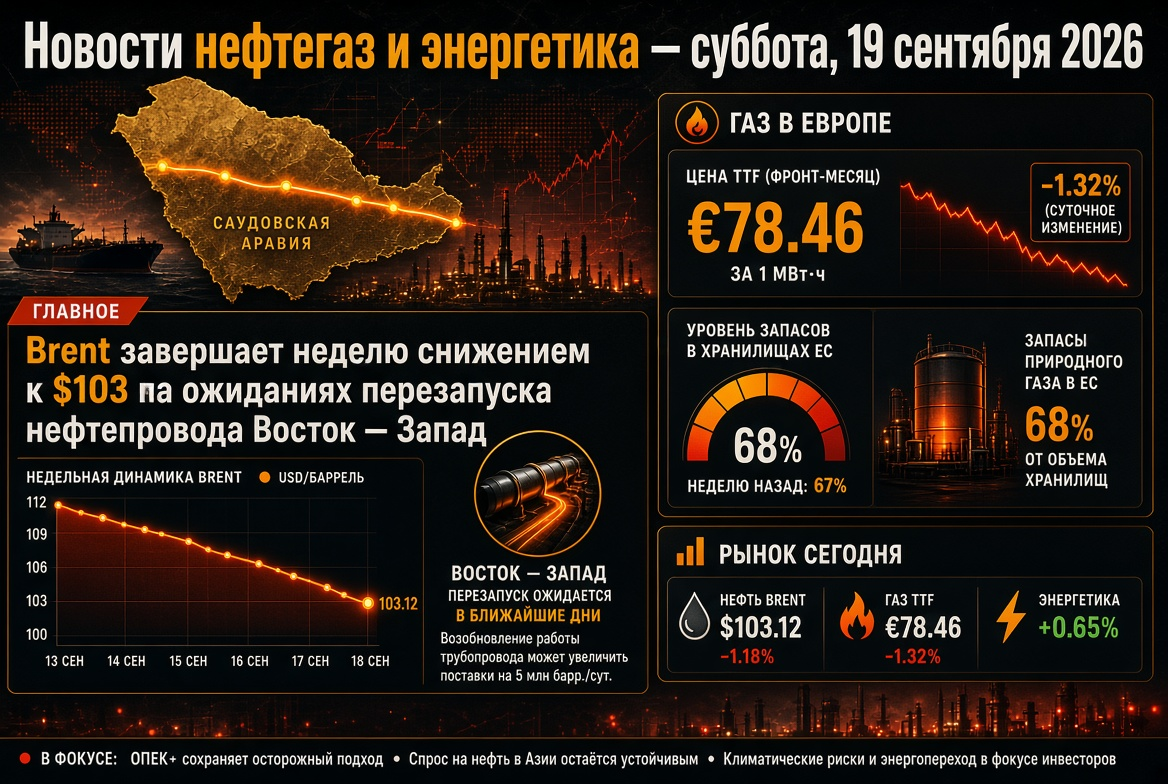
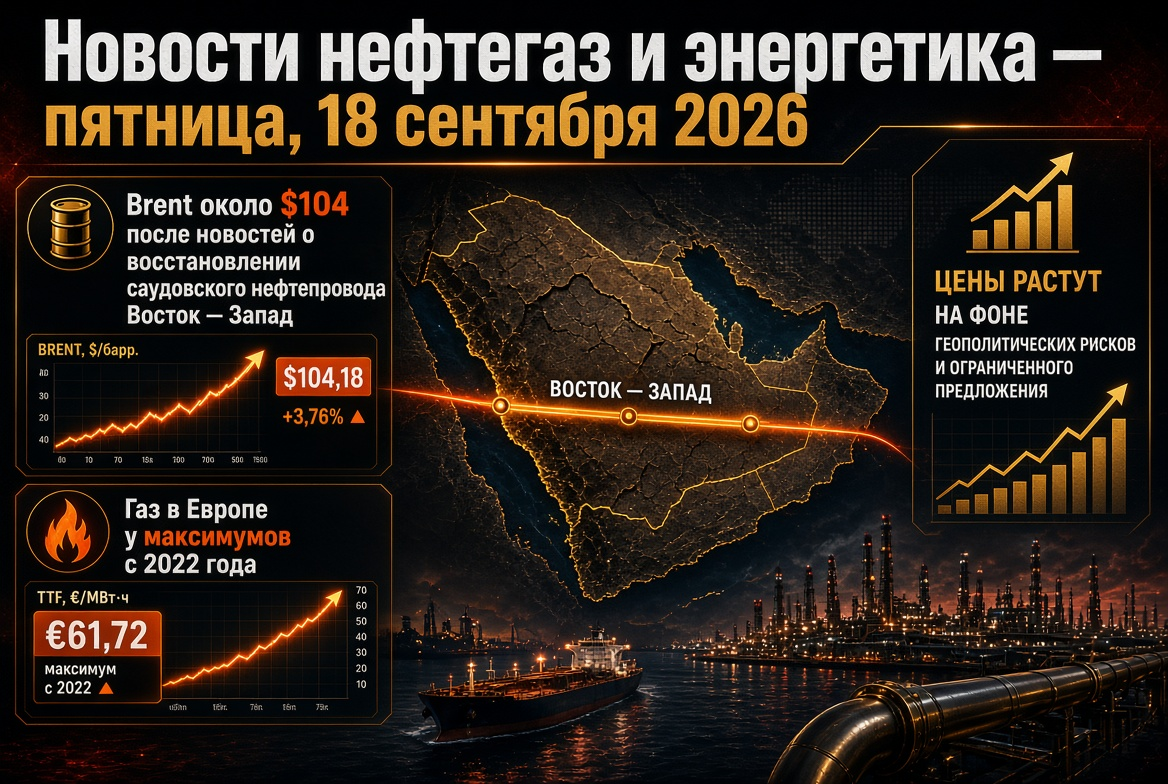
- The market continues to be influenced by the geopolitical premium in oil;
- Inflation expectations remain a key driver for rates and currencies;
- Corporate reports have become the primary source of movement in certain sectors;
- Investors are seeking confirmation that companies' margins can withstand rising costs.
Economic Events on March 28, 2026: Europe Sets the Tone
The most notable event on Saturday's official calendar is the Eurogroup Meeting — a gathering of finance ministers from the Eurozone. For the market, this is an important indicator of how European authorities assess inflation risks, energy costs, and growth sustainability. Simultaneously, a statement from ECB representative Pier Carlo Padoan is expected, and the rhetoric from the regulator could set the tone for the currency market and European bonds early next week.
Investors in the Eurozone are currently particularly attuned to three themes:
- The trajectory of inflation and the likelihood of a more hawkish ECB;
- Energy costs, which swiftly reach consumers through oil and gas;
- The quality of business activity, especially in industry and services.
U.S.: Empty Calendar, but This Does Not Diminish the Significance of the American Market
According to the earnings calendar for Saturday, March 28, there are no major American reports anticipated, which is notable in itself: the bulk of corporate flow has shifted to Friday and the beginning of April. For Wall Street, this is a convenient moment for risk reassessment following a series of strong movements related to oil, inflation, and rate expectations. The American market is currently particularly sensitive to any information that could alter the profit outlook for companies in the first half of the year.
Investors remain focused on:
- The resilience of consumer demand amid high energy costs;
- Pressure on margins for companies dependent on logistics and fuel;
- The market's willingness to endure higher rates for longer than expected.
Corporate Reports in Europe: H&M Remains a Key Retail Indicator
In the European block, the main touchstone for the end of the week is H&M. The company reported an increase in operating profit for the first quarter exceeding expectations; however, it simultaneously warned that prolonged conflict in the Middle East and rising energy prices could significantly impact consumption. For the consumer goods sector, this is an important signal: even strong quarterly figures no longer guarantee a calm reevaluation if management is cautious in their forecasts.
The market reads H&M's report on two levels. On one hand, the company demonstrates its ability to maintain profits through cost control. On the other hand, March sales growth appears modest, indicating that the European consumer remains vulnerable. For investors, this is particularly crucial when analyzing stocks in retail, apparel, and consumer goods.
Asia: Chinese Corporate Stream Confirms Margin Pressure
The Asian segment of the corporate agenda during this week also paints a revealing picture. BYD reported its first annual profit decline in four years amid a price war and margin pressure. This is an important marker not only for the Chinese automotive industry but also for the entire segment of electric vehicles and battery suppliers. For global investors, the same conclusion can be drawn: rapid revenue growth does not always imply sustainable shareholder value if the cost of competition is too high.
Adding to this picture are the results from China's largest banks. Industrial and Commercial Bank of China, China Construction Bank, and Bank of Communications reported nearly zero growth in profits, highlighting weaknesses in the credit cycle and ongoing pressures from the property market. This is no longer an isolated issue but a systemic theme for the banking sector, lending, and domestic demand in China.
Russia and MOEX: VTB Sets the Tone for the Banking Sector
In the Russian market, VTB remains a significant barometer, having recently reported a decline in profits for January-February and warned that March will be more turbulent due to external circumstances and difficulties with yuan settlements. For investors on MOEX, this is an important signal regarding the banking sector: high rates, commodity price volatility, and trade restrictions continue to affect profit quality and prospects for credit growth.
In the Russian context, investors typically focus on three metrics:
- The dynamics of interest margin;
- The quality of the loan portfolio;
- The resilience of corporate and retail demand for borrowed funds.
What Matters for the Global Portfolio: Sectoral Signals Trump the Broad Index
Saturday, March 28, does not yield much new statistics, but it effectively showcases where market emphasis is shifting. Attention remains not only on the S&P 500, Euro Stoxx 50, Nikkei 225, and MOEX indices, but also on sectors most sensitive to rates, oil, and inflation. This includes retail, banking, automotive, logistics, and energy-dependent companies.
For practical positioning, it is beneficial to keep in mind a simple set of observations:
- If oil remains high, margin pressure will persist;
- If the ECB's tone remains hawkish, European assets will be sensitive to rates;
- If the Chinese corporate flow continues to show weak margins, it will limit risk appetite in Asia;
- If Russian banks signal a slowdown, the MOEX market will differentiate issuers more than usual.
Conclusion of the Day: What Investors Should Pay Attention To
Saturday, March 28, 2026, is not a day for significant macro data but a day of preparation for the next market impulse. For investors, the most crucial aspect is not the quantity of publications but their quality: what the ECB is saying about inflation, how European consumers are behaving, the pace at which margins are contracting in China, and whether the Russian banking sector can withstand the current rate landscape and external pressures.
At the beginning of the new week, investors should monitor whether oil continues to support inflation expectations, whether the cautious tone of regulators persists, and whether a new wave of profit forecast revisions begins. The interplay of these factors will ultimately determine whether the market remains in defensive rotation mode or returns to a more confident risk-on stance.