Economic Events and Corporate Reports for Sunday, July 19, 2026: UltraTech Cement Report, Oil Price Rise, Decline in Tech Stocks, S&P 500, Euro Stoxx 50, Nikkei 225, and MOEX Dynamics, as well as Expectations for ECB and Bank of Russia Meetings
Sunday, July 19, 2026, will serve as a transitional day between the sharp reassessment of global risks and one of the busiest weeks of the summer earnings season. Major stock exchanges in the US, Europe, Russia, and much of Asia will be closed; however, investors will continue to assess the implications of the semiconductor stock sell-off, the spike in oil prices, and heightened geopolitical tensions in the Middle East.
The economic events on July 19, 2026, will be relatively few. The main corporate release highlighted in international calendars for Sunday is the quarterly report from India's UltraTech Cement. The primary flow of information is expected to commence overnight on Monday: the market will receive Rightmove data on UK house prices, followed by China's decision on benchmark lending rates. For investors from the CIS countries, Sunday is significant as a preparation day for the reports of Alphabet, Tesla, Intel, SAP, Nestlé, TotalEnergies, and major banks.
Global Markets After Friday's Sell-Off
Financial markets concluded the week in risk-off mode. The S&P 500 index decreased by approximately 1% on Friday, the Nasdaq Composite lost 1.4%, and the Dow Jones fell by around 0.8%. The pressure was primarily concentrated in the technology sector: the semiconductor manufacturers' index has entered a bear market, as investors reassess the scale of spending on artificial intelligence and the sustainability of high valuations.
- S&P 500: the market maintains positive dynamics for the year but enters a critical phase of the corporate earnings season, particularly sensitive to management forecasts.
- Euro Stoxx 50: European stocks also faced pressure, although the energy sector partly offset the weakness in technology companies.
- Nikkei 225: the Japanese index fell by more than 4% and entered a correction relative to its June peak.
- MOEX: the Moscow Exchange index finished Friday around 1965 points, retaining a high dependence on geopolitical factors, the ruble's exchange rate, and expectations concerning the key interest rate.
Oil Becomes a Key Macroeconomic Factor
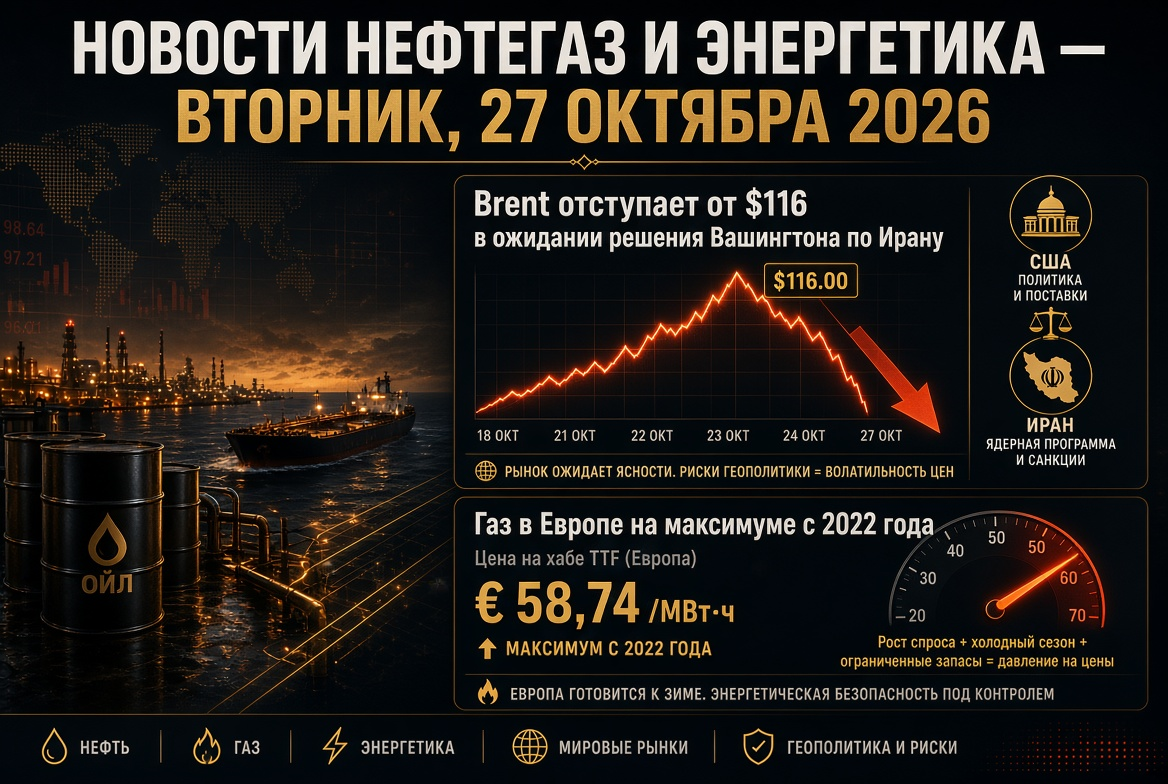
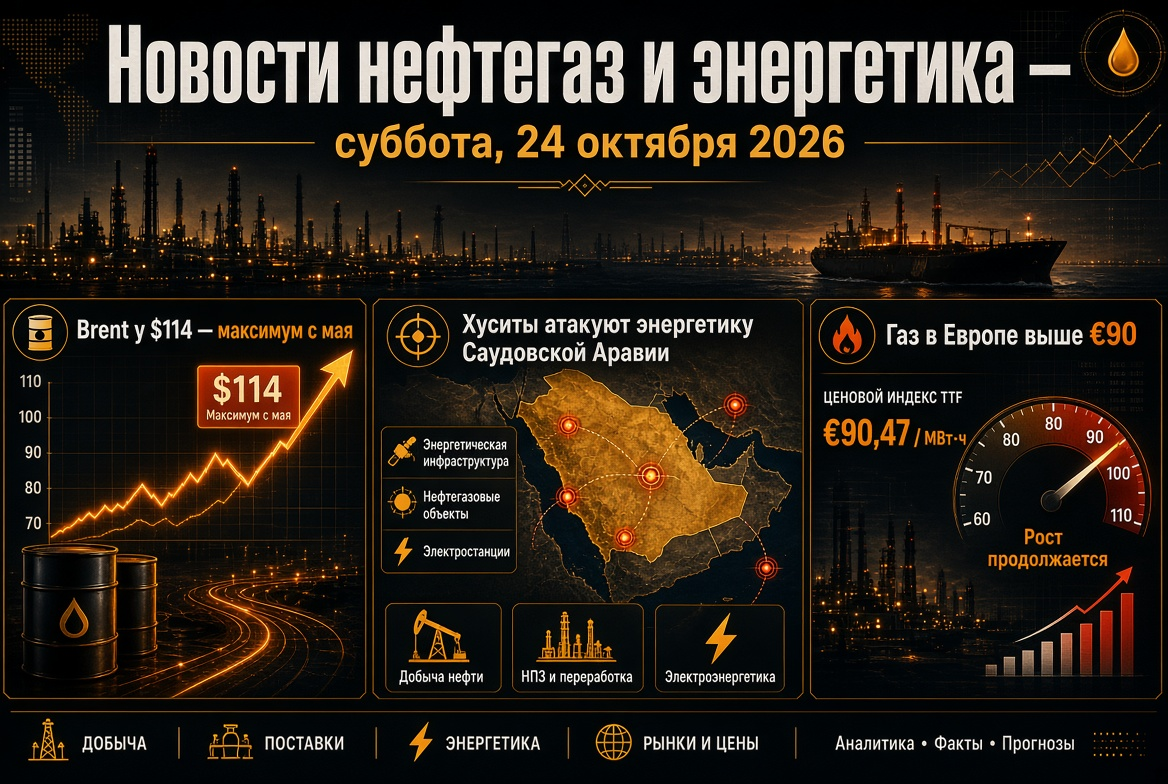
Brent closed Friday at around $88 per barrel, gaining over 4% during the session and approximately 16% for the week. The market is pricing in a higher risk premium for potential supply disruptions through the Strait of Hormuz and the Red Sea. For the global economy, rising oil prices signal a new inflationary impulse that could alter the trajectory of monetary policy.
On Sunday, investors should monitor any shipping reports, infrastructure developments in the Gulf countries, and export routes. Sustained oil price growth will support energy companies and oil services, but will intensify pressure on transportation, the chemical industry, airlines, and the consumer sector. For CIS markets, a high Brent price may be positive for exporters; however, the geopolitical premium simultaneously increases the overall cost of capital.
Macroeconomic Calendar for July 19, 2026
Throughout Sunday, there are virtually no high-priority publications scheduled in Moscow time. The first noticeable indicator will be released shortly after midnight and will pertain to Monday's trading session.
- 02:01 Moscow time, July 20 - United Kingdom: Rightmove House Price Index for July.
- Morning of July 20 - China: decision on one-year and five-year LPR (Loan Prime Rate).
- Morning of July 20 - Germany: Producer Price Index for June.
- July 20 - Japan: the exchange is closed due to Marine Day holiday, which may reduce liquidity in the Asian session.
The consensus suggests that the People's Bank of China will keep the one-year LPR at 3.00% and the five-year LPR at 3.50%. Weak domestic demand and economic slowdown bolster arguments for support; however, authorities are currently emphasizing the implementation of already announced fiscal measures.
United Kingdom: Housing Market to Provide First Signal of the Week
The Rightmove Index will serve as an early indicator of the UK real estate market's condition. In June, the average asking price fell by 0.6% month-on-month—this was the most noticeable June drop in fourteen years. Investors will assess whether the seasonal cooling has continued into July and how high mortgage rates are constraining buyer demand.
A weak outcome could exert pressure on the pound, shares of developers, banks, and construction companies. Conversely, more resilient data could support expectations of a soft landing for the British economy but may maintain the Bank of England’s caution regarding rate cuts.
Corporate Reports on July 19: UltraTech Cement
The largest public issuer noted in the international calendar for Sunday is UltraTech Cement — India's leading cement manufacturer and one of the largest representatives of the construction sector in Asia. The company will report its results for the first quarter of the 2027 financial year. UltraTech’s official communication also includes a conference call on July 20, so parts of the details and management comments may be available to the market as early as Monday.
Key metrics for analysis include:
- Sales volume dynamics during the monsoon season;
- Average selling price of cement and regional demand structure;
- Costs of coal, electricity, and logistics;
- Effect of integration of acquired assets;
- Capital expenditures and expansion plans.
There are no large companies scheduled to release full reports on July 19 in the S&P 500, Euro Stoxx 50, Nikkei 225, or MOEX indices. American, European, Japanese, and Russian exchanges are closed; therefore, the main stream of results is pushed to the working week.
USA and Europe: Major Reports Next Week
The corporate earnings season in the US is gaining pace. The spotlight will be on Alphabet, Tesla, Intel, Texas Instruments, IBM, 3M, General Motors, Charles Schwab, Capital One, Northrop Grumman, Halliburton, and AT&T. The key question is whether revenue and cash flow growth can justify the scale of capital expenditures on artificial intelligence, data centers, and semiconductor infrastructure.
In Europe, results from Novartis, Banco Santander, Iberdrola, UniCredit, Roche, Nestlé, SAP, TotalEnergies, and BNP Paribas are anticipated. For the Euro Stoxx 50, forecasts from energy companies and banks are particularly important: the former benefit from rising oil prices while the latter depend on the trajectory of interest rates and the quality of loan portfolios.
Central Banks: ECB, Bank of Russia, and Fed Expectations
On July 23, the European Central Bank will hold a monetary policy meeting. The baseline scenario anticipates maintaining the deposit rate at 2.25%; however, rising oil prices increase the likelihood of a more hawkish stance and further rate hikes in the autumn.
The Bank of Russia will meet on July 24. Following the June cut of the key rate to 14.25%, investors will evaluate inflation forecasts, domestic demand dynamics, and the regulator’s willingness to continue cautiously easing policy. The next Fed meeting is scheduled for July 28-29; therefore, American data and corporate forecasts will be interpreted through their impact on inflation and Treasury yield rates.
Investor Considerations
- Oil and Geopolitics: New supply disruptions could intensify inflationary risks and support the energy sector.
- Technological Correction: Results from Alphabet, Tesla, Intel, and Texas Instruments will determine whether the semiconductor sell-off is a temporary profit-taking measure or the beginning of a deeper reassessment.
- UltraTech Cement: The report will signal construction demand, infrastructure investments, and raw material inflation in India.
- China and Europe: The LPR decision and the ECB meeting will set the direction for the yuan, euro, bonds, and cyclical stocks.
- Russian Market: Expectations surrounding the Bank of Russia's decision will remain a key factor for the MOEX, ruble, banks, and companies with high debt loads.
Sunday, July 19, will not be an active trading day, but it will set the initial conditions for the new week. It is advisable for investors to precheck industry risks, reduce excessive leverage, and prepare portfolio reaction scenarios to the earnings reports of technology leaders, decisions from central banks, and further movements in oil prices.