Economic Events and Corporate Reports: Sunday, August 2, 2026 - OPEC+ Oil Production Meeting, Berkshire Hathaway Report, and Start of a New Trading Week
Sunday, August 2, 2026, marks a rare weekend when global markets receive a substantial price-setting signal. While the exchanges are closed, today seven key OPEC+ countries are conducting a virtual meeting on oil production quotas for September—an event that will determine the dynamics of Brent prices and the stock performance of the oil and gas sector when trading resumes on Monday. Concurrently, investors are analyzing Berkshire Hathaway's quarterly report, traditionally released in the first weekend of August, as they prepare for a busy week ahead, including ISM indices, a U.S. labor market report, and numerous corporate releases from companies within the S&P 500, Euro Stoxx 50, Nikkei 225, and the Moscow Exchange. Let's delve into the key economic events and corporate reports of the day and the upcoming week.
OPEC+ Meeting: The Key Economic Event of the Day
The central event of Sunday is the online meeting of seven main OPEC+ producers: Saudi Arabia, Russia, Iraq, Kuwait, Kazakhstan, Algeria, and Oman. The ministers will assess the state of the global oil market and decide on the production levels for September.
Base Scenarios for the Oil Market
- Base Scenario: A quota increase of approximately 188,000 barrels per day—a fifth consecutive step that marks the end of voluntary cuts of 1.65 million barrels introduced in 2023.
- Signal of a Pause: Discussions are underway regarding a freeze on quotas from October 2026 to January 2027, which would maintain around 2 million barrels per day in restrictions and provide support for prices.
- Hard Scenario: A hint at further production increases after September could intensify pressure on Brent and oil company stocks.
The outcomes of the meeting will directly impact the shares of ExxonMobil, Chevron, Shell, TotalEnergies, as well as Rosneft, Lukoil, and Gazprom Neft on the Moscow Exchange. For the ruble and the budgets of exporting countries, the cartel's decision is a key factor for August.
Oil and Geopolitics: Context for the Cartel's Decision
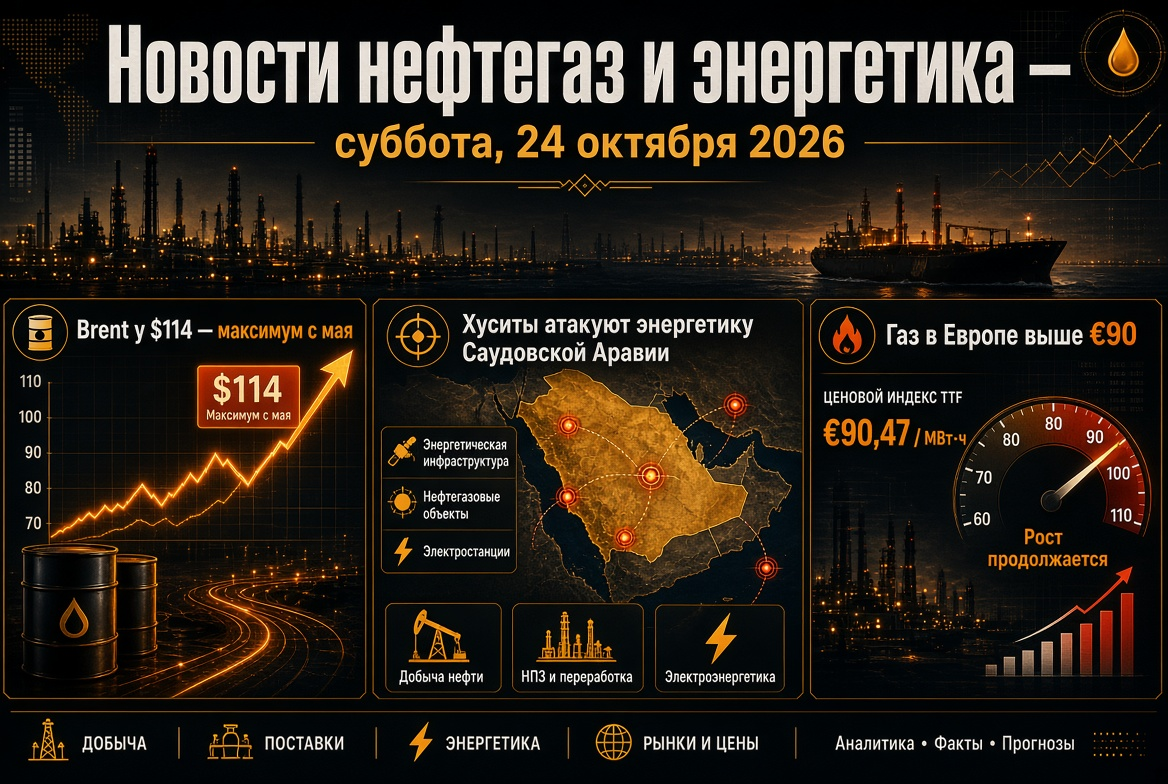
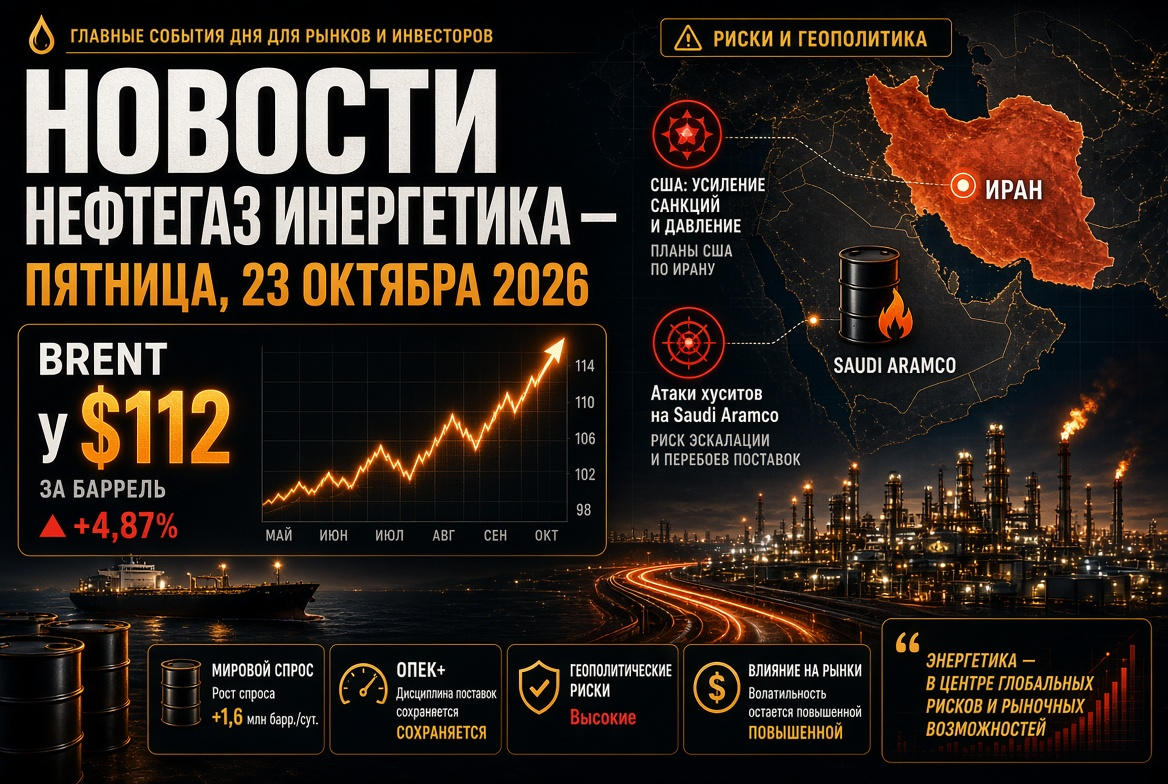
The OPEC+ decision is made under unusual conditions. Exports through the Strait of Hormuz are gradually recovering from the conflict surrounding Iran, resulting in the actual production of several Middle Eastern producers remaining below permitted quotas—paper increases in targets do not always translate into actual barrels. An additional structural shift is the UAE's exit from OPEC after nearly six decades of membership, altering the balance of power within the alliance. In such a configuration, even a formal quota increase may be accompanied by shortages in physical deliveries in certain markets.
Berkshire Hathaway: Insights from the Q2 Report
Another significant narrative of the weekend is Berkshire Hathaway's Q2 2026 report, which the holding company traditionally discloses in the early days of August, allowing the market time to analyze before the exchanges open. The consensus estimates revenue at around $95.3 billion and earnings per Class B share at approximately $5.24. Investors are focused on:
- the size of the cash cushion and the rate of share buybacks as indicators of management’s sentiment towards market valuations;
- the insurance margin for GEICO in light of rising payouts and customer acquisition costs;
- the early quarters under Greg Abel’s leadership and the integration of the $8.5 billion acquisition of homebuilder Taylor Morrison;
- the dynamics of the insurance float, which has exceeded $176 billion.
Berkshire's shares have lagged behind the S&P 500 this year due to a contraction in the "Buffett premium" and minimal exposure to the tech sector, making the reaction to the numbers on Monday potentially pronounced.
Asia: Signals from South Korea and Anticipation of China's PMI
The trading statistics from South Korea for July, released just before the trading day, remain a key benchmark for the state of global trade: the export dynamics of semiconductors from Samsung and SK Hynix set the tone for semiconductor stocks from TSMC to Nvidia and influence sentiment in the Nikkei 225 index. On Monday, August 3, the Chinese manufacturing PMI will be released by RatingDog (formerly Caixin)—a private measure of the state of small and medium enterprises in China, which is sensitive to U.S. tariff policies. Weak data could intensify expectations for new stimulus from Beijing.
U.S. Tariff Policy: An August Risk Factor
The trade agenda continues to be a source of volatility for global markets. Investors are keeping an eye on the approach of August 19—the date when 50% tariffs on a wide range of Canadian goods will take effect, along with a 25% tariff on imports from Brazil. The escalation of restrictions supports inflation expectations in the U.S. and puts pressure on Euro Stoxx 50 exporters, automakers, and raw material supply chains in North America.
Context of the Past Week: The Fed, Inflation, and Tech Giants’ Reports
The new week begins with strong foundations. American indices concluded July predominantly on an upswing, supported by solid reports from Microsoft and Alphabet, which offset disappointing results from Apple and Meta, along with milder inflation data and the Fed's decision to maintain interest rates in the 3.50%-3.75% range. The decline in oil prices further boosted risk appetite in the tech sector. In Russia, a package of changes came into effect on August 1—from recalculating pensions for working retirees to electronic tax notifications—which is moderately positive for the consumer sector of the Moscow Exchange.
Corporate Reports of the Week: From Palantir to Disney
The Q2 earnings season in the U.S. reaches a new peak. Key releases for the week include:
- Monday, August 3: Palantir, Marriott International, Snap; in Russia—TGK-1's IFRS report for the first half of the year.
- Tuesday, August 4: Caterpillar, McDonald's, Merck, Pfizer, Spotify—before market opening; AMD and Amgen—after market close.
- Wednesday, August 5: Walt Disney, Eli Lilly, Uber, Shopify, eBay; in Russia—Rostelecom's IFRS report.
- Thursday, August 6: ConocoPhillips, Airbnb, Warner Bros. Discovery, DraftKings; in Russia—Unipro's report.
- Friday, August 7: Take-Two Interactive, Under Armour, Wendy's.
Special attention will be given to the semiconductor sector: the results and forecasts from AMD will serve as a litmus test for the resilience of demand for AI infrastructure.
Weekly Macro Calendar: ISM and U.S. Employment Report
- August 3: ISM index for the manufacturing sector in the U.S. for July and China's PMI.
- August 4: JOLTS job vacancies and U.S. trade balance for June.
- August 5: ADP employment report and ISM services index.
- August 6: Weekly jobless claims and Challenger layoffs data.
- August 7: U.S. labor market report (Non-Farm Payrolls) for July, a key release for expectations regarding the Fed's rate decisions.
Investor Focus
Sunday, August 2, 2026, is a day for positioning ahead of the market opening. Firstly: the outcomes of the OPEC+ meeting—the decision on September quotas and any signals regarding a pause from October—will dictate oil dynamics, commodity currencies, and the performance of the oil and gas sector stocks on Monday. Secondly: the Berkshire Hathaway report— the holding's cash position and the tone of Greg Abel's comments are traditionally read as a barometer for the conservative capital’s sentiment towards current S&P 500 valuations. Lastly, the macro statistics for the upcoming week—from China's PMI to the Friday employment report—could shift expectations regarding the Fed's rate trajectory following July’s decision. A weighted control of commodity asset allocation, readiness for volatility in semiconductor stocks surrounding AMD's report, and attention to tariff news from Washington remain the fundamental strategy for the early days of August.