Global Economic Agenda for 6 June 2026: US Labour Market, Fed Rate Expectations, Dollar, Bonds, Oil, Gold and Equity Indices
Saturday, 6 June 2026, is shaping up to be a day of reassessment for global markets as they digest Friday’s macroeconomic data and prepare for the week ahead. For investors in the CIS region, the focus is less on new releases for the day itself and more on how equity, currency and bond markets react to the strong US jobs report, rising Treasury yields, a strengthening dollar and shifting expectations around Federal Reserve policy. The economic events and corporate reports on this day provide an important backdrop for evaluating stocks, bonds, commodity assets, emerging market currencies and the Russian market.
As 6 June falls on a Saturday, the corporate earnings calendar for major public companies is limited. Key exchanges in the US, Europe, Japan and Russia are not holding regular trading sessions, and most issuers in the S&P 500, Euro Stoxx 50, Nikkei 225 and MOEX do not publish quarterly results over the weekend. The main task for investors is therefore not to await a fresh wave of reports, but to correctly interpret the data already released and prepare for the events of the coming week.
Brief Day Overview: Market Weighs a New Rate Scenario
The dominant theme of the day is a reassessment of expectations for US monetary policy. The May labour market report showed the US economy remains resilient: employment growth exceeded forecasts, unemployment held steady, and the services sector continues to support labour demand. For global investors, this creates a more complex configuration: a strong economy supports corporate earnings but simultaneously reduces the likelihood of early Fed easing.
In this environment, the economic calendar for 6 June 2026 matters as a transitional day between two market weeks. Investors are analysing how the strong employment data could alter the trajectory of rates, bond yields, valuations of technology companies, the dollar, gold, oil and currencies of developing nations.
United States: Strong Employment Shifts Fed Expectations
The key event for global markets was the US employment report for May. Job growth came in noticeably above expectations, while the unemployment rate remained stable. This strengthened the argument among market participants who believe the Fed will not rush to cut rates. For equities, this is a mixed signal: on one hand, the US economy shows demand and consumer resilience; on the other, a higher discount rate weighs on the multiples of fast-growing companies.
Three conclusions are particularly important for investors:
- a strong labour market supports the dollar and Treasury yields;
- expectations for a rapid Fed rate cut become less realistic;
- sectors with high valuations, including technology and artificial intelligence, become more sensitive to rising yields.
The S&P 500, Nasdaq Composite and Dow Jones Industrial Average remain in focus. The higher bond yields rise, the more investors will compare the appeal of equities against risk-free dollar returns. This is especially relevant for portfolios with a high weighting in technology companies, semiconductor manufacturers, cloud services and software providers.
Dollar, Bonds and Emerging Market Currencies
Following the strong US data, the dollar received additional support. For investors in the CIS region, this is an important factor: a stronger US currency traditionally increases pressure on emerging market currencies, commodity assets and debt instruments highly sensitive to global liquidity.
Rising US Treasury yields intensify competition for capital. If the market begins to price in a more hawkish Fed stance, some funds may shift from risk assets into dollar-denominated fixed-income instruments. This could affect:
- technology stock prices;
- the trajectory of gold and silver;
- funding costs for highly indebted companies;
- appetite for emerging market bonds;
- exchange rates of countries dependent on external capital.
For Russian investors, this means it is necessary to consider not only local news but also the global cost of money. Even with the Moscow Exchange closed on Saturday, the external backdrop can influence the opening of the following week.
Europe: Focus on Inflation, Rates and Industry
European markets enter the new week with heightened attention to inflation, energy prices and industrial indicators. For the Euro Stoxx 50, banks, energy, automakers, industrial equipment and the consumer sector remain key. If US bond yields continue to rise, European equities may also face a repricing, especially in rate-sensitive sectors.
Investors should monitor German industrial data, manufacturing orders, business sentiment and signals from the European Central Bank. Europe remains dependent on energy costs, the euro exchange rate and external demand, including from China and the US. Therefore, the economic events of early June matter not only for European companies but also for global supply chains.
Asia: Japan, China and the Impact of a Weak Yen
The Asian bloc remains a key source of market signals. Japan’s equity market in 2026 continues to attract investor attention thanks to corporate reforms, a weak yen and interest in exporters. However, excessive yen depreciation creates risks of currency intervention and alters expectations regarding Bank of Japan policy.
Three factors are important for the Nikkei 225: the yen’s trajectory, Japanese bond yields and demand for exporter products. A weak currency helps exporters in their reporting but simultaneously raises import inflation and pressure on households.
China’s market remains in focus due to data on industry, foreign trade, currency reserves and domestic demand. For global investors, China is important as an indicator of demand for commodities, metals, energy, industrial goods and products from European and Asian companies.
Russia and MOEX: External Backdrop Trumps Local Calendar
For the Russian market, 6 June is a day without an active corporate calendar for major issuers. However, investors continue to assess the external backdrop: oil dynamics, the ruble exchange rate, bond yields, budget conditions, export flows and commodity demand. The MOEX index remains sensitive to the oil and gas sector, banking stocks, metals and mining, and dividend expectations.
In the coming days, the Russian market may be influenced by:
- Brent and Urals oil prices;
- OPEC+ production signals;
- the global dollar trend;
- expectations for the Bank of Russia key rate;
- corporate news from major MOEX issuers;
- investor interest in dividend stories.
For CIS investors, it is important to view the Russian market not in isolation but in conjunction with global liquidity, the commodity cycle and currency expectations.
Corporate Reports on 6 June 2026: A Lull Among Major Public Companies
The corporate calendar for Saturday, 6 June, appears quiet. Major companies from the S&P 500, Euro Stoxx 50, Nikkei 225 and MOEX generally do not publish quarterly reports over the weekend. This means investors should focus not on new releases but on analysing the results of companies that reported during the week and preparing for the next batch of earnings.
Over the past week, market attention was centred on the technology sector, retail, software, cybersecurity, consumer demand and companies linked to artificial intelligence. For equity market assessment, not only actual profit and revenue but also management guidance are crucial: capital expenditure, demand for cloud infrastructure, margins, the AI effect and corporate budget trends.
In the absence of major reports on the Saturday itself, investors should compile a list of companies to monitor in the coming week. Technology issuers, software producers, consumer companies, industrial groups and rate-sensitive firms remain in focus.
Commodity Markets: Oil, Gold and Inflation Expectations
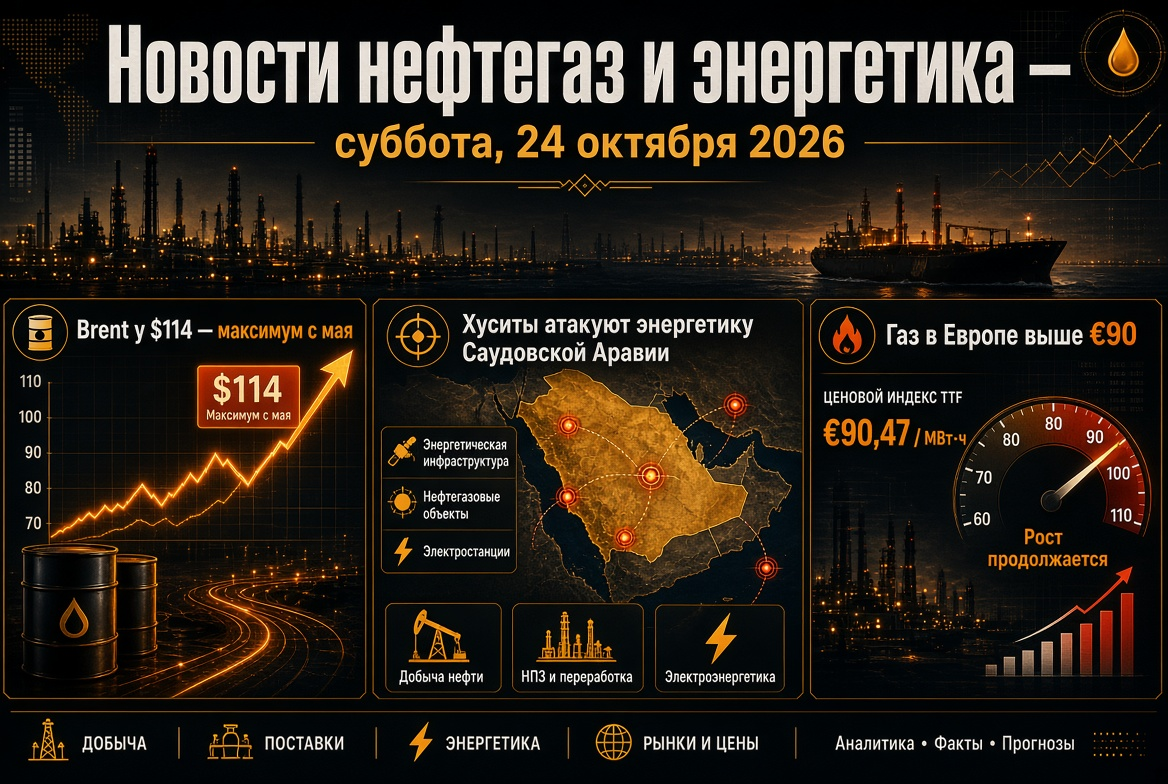
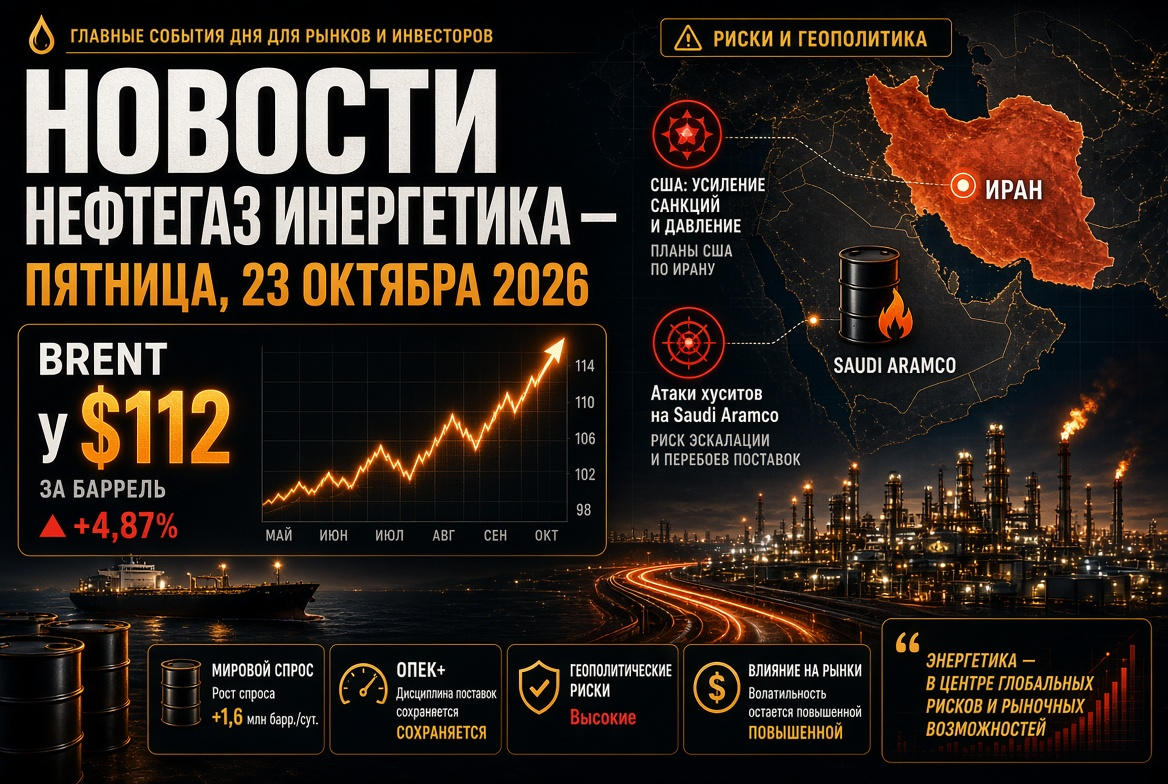
The commodity market remains an important part of the macroeconomic picture. Oil influences inflation expectations, exporter currencies, the energy sector, transport costs and the margins of industrial companies. If oil prices stabilise at elevated levels, central banks have less room for accommodative policy.
For gold, the situation is mixed. On one hand, geopolitical risks and inflation uncertainty support demand for safe-haven assets. On the other hand, rising US bond yields and a stronger dollar may cap gold’s upside. Therefore, investors should assess gold not only as a defensive asset but also as a tool sensitive to real yields.
For energy and oil and gas companies, including issuers from the US, Europe, Russia and Asia, upcoming OPEC+ decisions and demand dynamics in China may become important drivers for profits, dividends and investment programmes.
Equity Markets: Risk of Repricing After Strong Data
Equity markets enter the weekend with heightened sensitivity to rates. Following the strong jobs report, investors will assess whether current stock valuations are justified. This applies especially to growth companies, technology giants and issuers whose investment thesis relies heavily on future cash flows.
For the S&P 500, the key question is whether corporate profit growth can offset the pressure from high rates. For the Euro Stoxx 50, industry, banks and energy are important. For the Nikkei 225, the yen exchange rate and Bank of Japan policy matter. For the MOEX, oil, the ruble, the key rate and dividends are key.
In such an environment, investors should avoid excessive concentration in a single factor. If a portfolio is overweight in technology stocks, it is prudent to evaluate the allocation to defensive sectors, bonds, commodity instruments and companies with stable cash flows.
What Investors Should Watch
The key takeaway for Saturday, 6 June 2026: the day is light on new corporate reports but important for strategic portfolio positioning. A strong US labour market reinforces the likelihood of more hawkish Fed policy, supports the dollar and raises the significance of bond yields for equity valuation.
Investors should pay attention to the following areas:
- Fed rates. The longer the market expects high rates to persist, the greater the pressure on growth stocks and highly leveraged companies.
- Dollar and emerging market currencies. A stronger dollar could increase volatility in EM currencies and bonds.
- Technology sector. AI-related companies remain in focus, but sensitivity to yields is rising.
- Commodities and energy. Oil, gas and OPEC+ decisions could affect inflation and oil and gas stocks.
- Next week’s corporate earnings. With no major reports on Saturday, it is important to prepare in advance for new publications from large public companies.
- Russian market. For the MOEX, oil, the ruble, the Bank of Russia rate and dividend expectations remain key.
Thus, the economic events and corporate reports for 6 June 2026 should be viewed as a day for analysis and preparation. Investors who assess in advance the impact of strong US employment, Fed policy, the dollar, oil and upcoming earnings will gain a clearer picture of risks and opportunities for the next trading week.