Current Cryptocurrency News as of March 10, 2026: Bitcoin and Stablecoins Maintain Liquidity, Ethereum Prepares for Update, and Regulators Accelerate "Rules of the Game" in the USA, Europe, and Asia
The global cryptocurrency market enters Tuesday against the backdrop of two strong drivers. The first is macroeconomics and geopolitics: rising oil prices are intensifying inflation expectations, altering interest rate trajectories, and increasing the risk premium. The second driver is infrastructure: an update is scheduled for the Ethereum network, prompting major exchanges to temporarily limit deposits and withdrawals of tokens. In this context, investors are increasingly choosing liquid assets (Bitcoin, Ethereum, and stablecoins), while showing selectiveness in altcoins—focusing on clear scenarios and pre-defined risk levels.
Cryptocurrency Market Today: Demand Structure and Sentiment
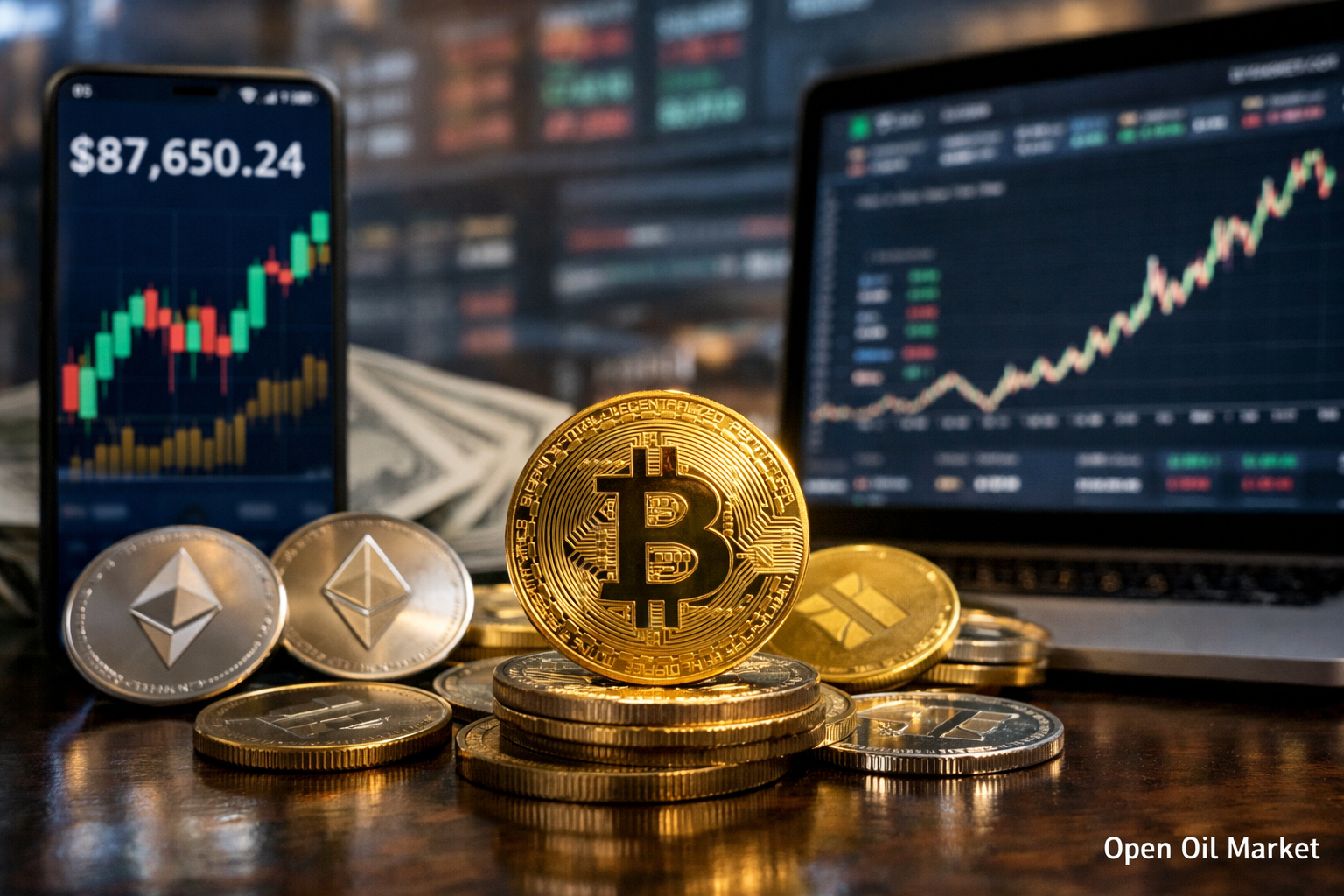
Since the beginning of the week, the market has exhibited mixed dynamics, with a "defensive" demand structure. Bitcoin's dominance remains high, while the share of stablecoins in transactions indicates that some capital prefers to stay in "cash" within the crypto ecosystem. Sentiment indexes are in the fear zone—a typical scenario for the phase where external risks (oil, interest rates, geopolitics) outweigh local crypto news. For investors, this translates into heightened discipline: more cautious use of leverage, increased attention to order book depth, and readiness for short-term volatility spikes on news events.
Ethereum Network Update on March 10: What Investors and Traders Need to Know
The Ethereum network is set for an update on March 10. The practical effect for most participants will be a temporary narrowing of operational capabilities: major exchanges and custody services typically suspend deposits and withdrawals during updates to avoid setbacks in transaction confirmation. Spot and derivative trading usually continues, but the "physical" movement of assets between wallets and protocols may slow down. This is particularly important for those managing liquidity between centralized exchanges and DeFi, as well as for arbitrage strategies.
- If you are transferring funds: complete deposits/withdrawals in advance, considering possible delays and longer confirmations.
- If you are using DeFi: avoid large operations with bridges and complex transaction chains around the update window.
- If you are hedging risk: keep a portion of your margin in the most liquid instruments (BTC, ETH, stablecoins) to minimize dependence on transfers.
Bitcoin and Macro Environment: Oil, Rates, and Risk Premiums
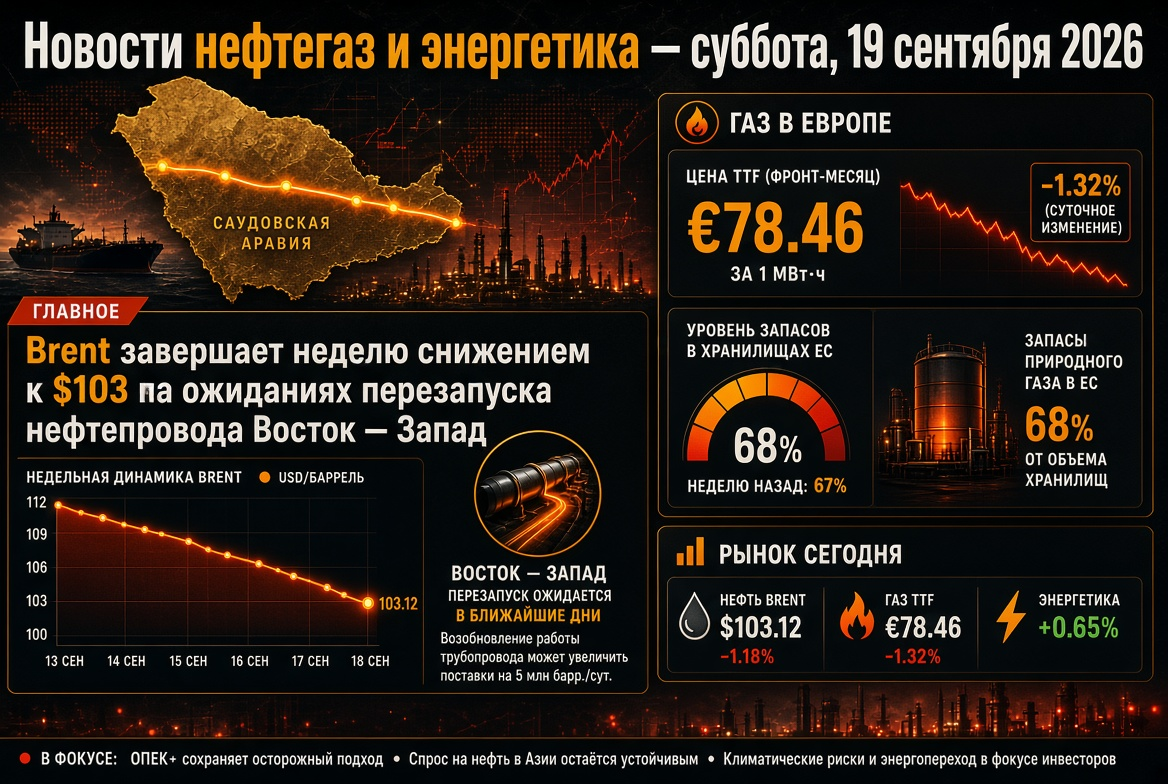
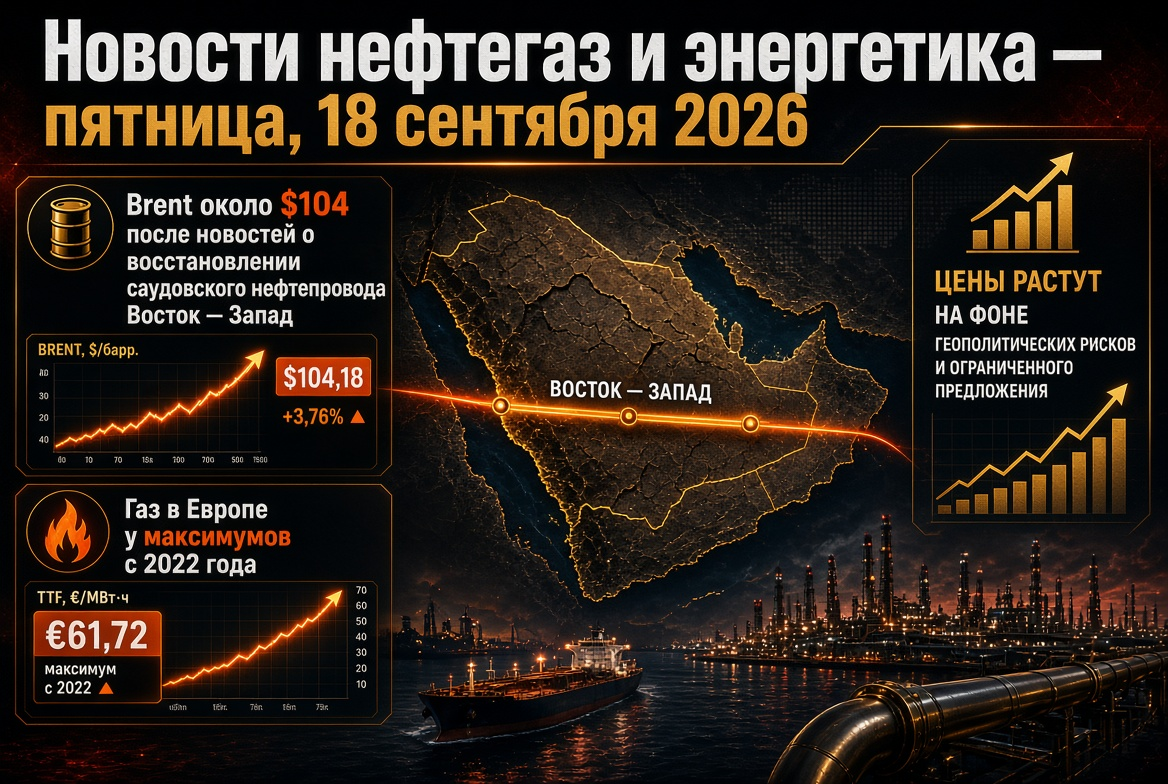
This week, a key external variable for cryptocurrencies has been oil: a surge in prices above $100 per barrel raises inflation expectations and puts pressure on high-beta assets. For Bitcoin, this presents a paradoxical environment. On one hand, the narrative of "digital gold" becomes stronger. On the other hand, rising yields and decreased risk appetite usually limit capital inflows into crypto. The market enters Tuesday with the understanding that both geopolitical headlines and positioning ahead of the US inflation data release (CPI report scheduled for March 11) may prove decisive.
Institutional Money: ETFs, Corporate Treasuries, and Quality of Inflows
The channel of institutional demand remains one of the main factors for the medium-term horizon. In the US, the focus is primarily on spot ETFs: these vehicles indicate how quickly "long money" is willing to expand exposure as expectations for rates and inflation shift. Concurrently, the model of corporate "crypto treasuries" is developing—public companies holding Bitcoin on their balance sheets as a strategic asset, anticipating value appreciation and a positive impact on business valuations. In 2026, this model is increasingly discussed within the context of market competition, regulation, and corporate governance in the digital assets niche.
Cryptocurrency Regulation: USA, Europe, Asia
USA: The discussion surrounding clear regulations continues. Negotiations over the Digital Asset Market Structure Bill (Clarity Act) are complicated by disputes regarding yield on stablecoins and potential deposit outflows from the banking system. Simultaneously, "practical integration" is underway: crypto infrastructure is gaining access to traditional payment rails, potentially lowering costs and increasing transaction speeds for institutional clients.
Europe: MiCA is establishing a unified regime for the crypto asset market, raising licensing, disclosure, and risk control requirements. In 2026, the key storyline is the transitional periods and the readiness of providers (exchanges, custodians, issuers) to meet the deadlines set by various jurisdictions. For global investors, this means greater legal certainty in the EU and less of a "regulatory grey area," but also higher compliance thresholds for infrastructure players.
Asia: The region is accelerating its "regulated adoption" approach. Hong Kong is preparing to release its first limited batch of licenses for fiat-pegged stablecoin issuers as early as March, strengthening the city’s role as a digital finance hub. Singapore is promoting tokenization and a regulatory framework for stablecoins, while India is tightening tax and financial reporting requirements for digital assets and related electronic instruments. Collectively, this positions Asia as one of the most active markets in terms of regulatory infrastructure and payment use cases.
Tokenization and TradFi: Nasdaq Tests the "Bridge" to On-Chain Markets
Alongside daily cryptocurrency news, the global agenda around tokenization—the conversion of traditional instruments into token format on blockchain infrastructure—is speeding up. Nasdaq reports developing a stock tokenization model that retains issuer rights and existing regulatory frameworks, while a partnered crypto infrastructure aims to provide a "gateway" between regulated markets and open blockchain networks within permissible jurisdictions. For the crypto market, this signifies increased competition for institutional liquidity and the expansion of the "real assets" segment on blockchain.
Altcoins and DeFi: Selectivity Matters More Than "Season"
Amidst Bitcoin's increased dominance, the altcoin market remains selective. Infrastructure projects and tokens tied to real turnover in DeFi, payments, and the stablecoin ecosystem are faring better. However, any movements in altcoins are currently more prone to "breakdowns" when macro sentiment worsens: oil, the dollar, and rate expectations act as filters that weed out weak liquidity. In such an environment, the "broad basket" strategy often yields to a more targeted approach: a limited number of instruments with clear liquidity, transparent risks, and pre-defined risk limits.
Top 10 Most Popular Cryptocurrencies
The composition of the top 10 by market capitalization and global liquidity establishes a foundational "market map" for investors and remains a benchmark for institutional demand:
- Bitcoin (BTC)
- Ethereum (ETH)
- Tether (USDT)
- BNB (BNB)
- XRP (XRP)
- USDC (USDC)
- Solana (SOL)
- TRON (TRX)
- Dogecoin (DOGE)
- Cardano (ADA)
What to Watch on March 10, 2026
On Tuesday, infrastructure events and macro triggers take center stage. Here’s a brief list of what might influence cryptocurrencies in the next 24 hours:
- Ethereum Update Window: pauses on deposits/withdrawals, local disruptions, temporary spread widening.
- Oil Prices and Middle East Headlines: effects on inflation expectations, the dollar, and risk appetite.
- Positioning Ahead of US CPI (March 11): sharp movements possible before the data release.
- Cryptocurrency and Stablecoin Regulation: new signals regarding bills, licenses, and compliance regimes.