Cryptocurrency Market Update for November 17, 2025: Bitcoin Holds Above $100,000, Ethereum Prepares for Upgrade, Altcoins Stabilize, and Institutional Investors Strengthen Positions. Comprehensive Overview of the Crypto Market and Analysis of the Top 10 Coins.
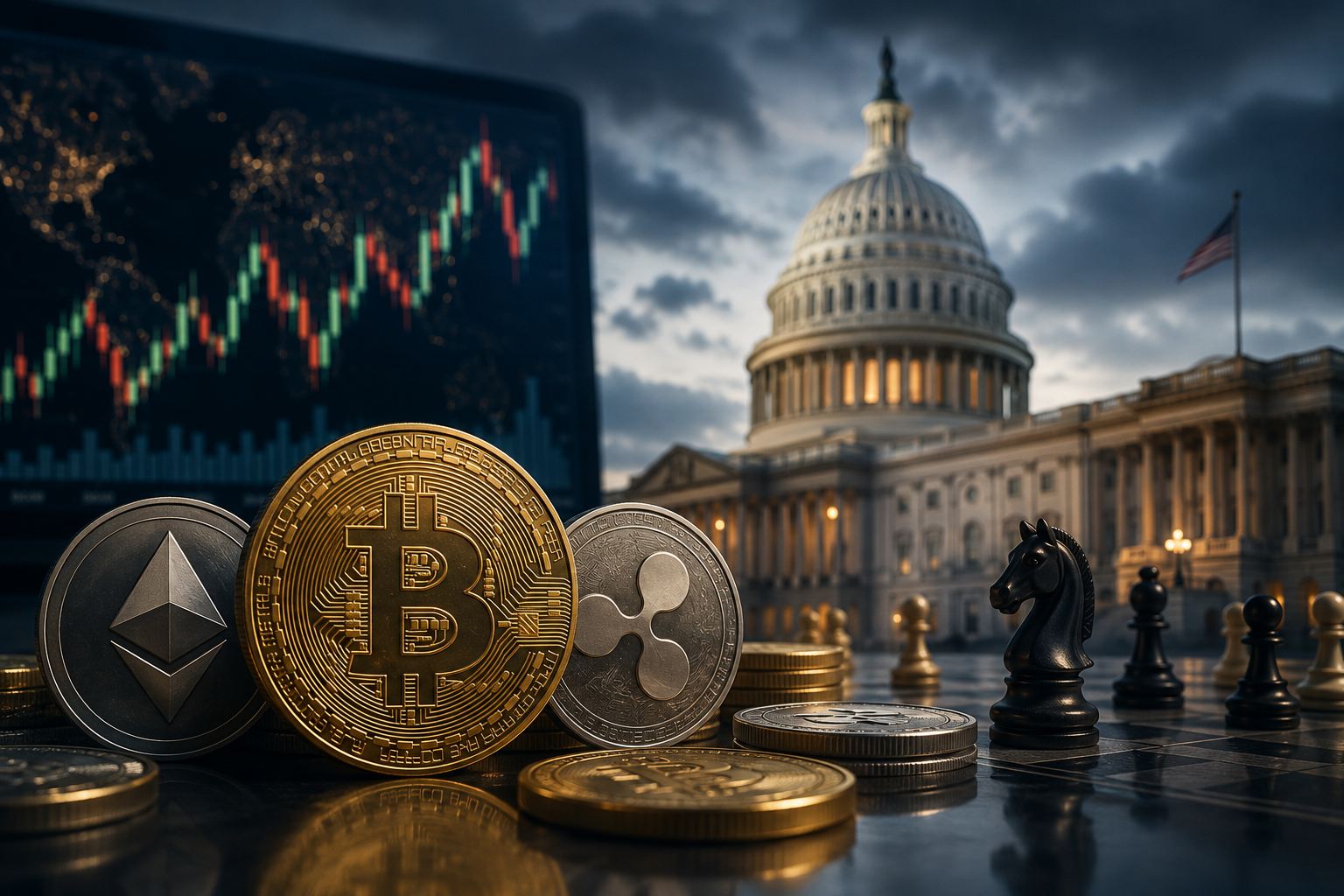
As of the morning of November 17, 2025, the global cryptocurrency market exhibits cautious stabilization following a recent correction. Bitcoin has managed to regain its footing and is trading near the psychologically significant mark of $100,000, maintaining the total market capitalization of approximately $3.4 trillion. Ethereum holds its current level in anticipation of a major network upgrade, while the dynamics among altcoins remain mixed. Investors remain attentive to macroeconomic signals: the "Fear and Greed" index is hovering in the "fear" zone (~30 points), reflecting cautious sentiments. In this context, the focus is on whether Bitcoin can consolidate in the six-figure range and if improvements in sentiment will catalyze a renewed rally for altcoins.
Bitcoin: Maintaining a Key Level
The flagship cryptocurrency Bitcoin (BTC) experienced an impressive rise to a new all-time high (~$125,000) in October, followed by an anticipated correction. Last week, pressure on BTC peaked: the price temporarily dropped to ~$95,000, breaking below the psychological barrier of $100,000 for the first time since May. However, by the second half of November, Bitcoin stabilized and is now consolidating in the range of ~$100,000–$105,000, attempting to stay above this key level. BTC's market dominance is around 55–58%, underscoring its role as a primary sentiment indicator in cryptocurrencies. Analysts note that the recent decline was driven by a global pullback of investors from risk assets amid signals from the US Federal Reserve about maintaining high interest rates. Nonetheless, large holders and institutional investors continue to show confidence: many view the correction as an opportunity to increase positions in "digital gold." The market's attention is focused on whether Bitcoin can retain six-figure prices and resume an upward trend by year-end or if it will continue to consolidate following the rally.
Ethereum: Anticipating Network Upgrade
The second-largest cryptocurrency Ethereum (ETH) is following general market trends, maintaining a price of around ~$3,300 after pulling back from its autumn peak. In October, ETH rose to ~$3,900 but subsequently fell by approximately 15–20%, dipping below $3,100 in early November (a recent low). Currently, Ethereum has recovered to ~$3,300, remaining below the historical high of 2021 (~$4,800). Despite the correction, interest in Ethereum is bolstered by anticipation of significant upcoming events: a major network upgrade aimed at improving scalability and reducing fees is scheduled for early December. Additionally, the crypto industry is expecting the approval of the first spot ETF on Ethereum in the US by year-end — a move that may attract new institutional capital into ETH. The fundamental indicators surrounding Ethereum remain strong: the decentralized finance (DeFi) and NFT ecosystem continues to grow, and the transition to Proof-of-Stake and associated improvements have fortified Ethereum's position as the foundational "digital infrastructure" of the crypto market. If the upgrade is successful and market conditions are favorable, Ethereum has a chance to make up for lost ground and approach new peaks.
Altcoins: Mixed Market Dynamics
The altcoin segment in mid-November displays heterogeneous trends. Many major alternative coins followed Bitcoin downward during the correction, but the situation is now stabilizing: some altcoins are attempting to recover losses, while others continue to stagnate. For example, Ripple (XRP), after a rapid surge in the autumn (the token briefly surpassed $3 for the first time since 2018 following Ripple's court victory against the SEC), has corrected and has been holding around ~$2.4–$2.5 in recent days. Despite the pullback, XRP remains a leader due to improved legal clarity regarding the token's status and interest from financial companies. Binance Coin (BNB), after reaching a record high of approximately $950, has retraced to ~$900 but remains in the top five by market capitalization, reflecting its widespread use within the ecosystem of the leading cryptocurrency exchange. High-cap platform tokens, such as Solana (SOL) and Cardano (ADA), also experienced a correction (SOL dropped from ~$200 to ~$150, while ADA fell from ~$1 to ~$0.50) but maintain their positions in the top ten due to active communities and technological development. At the same time, speculative niche tokens have also suffered substantial declines as enthusiasm around meme coins and AI-based projects waned. The Bitcoin dominance index, which had previously risen above 60%, has slightly decreased, indicating cautious capital rotation into select altcoins. Nevertheless, the overall market sentiment remains cautious: investors prefer large, established assets, and the heightened volatility in the altcoin segment underscores the need for selectivity.
Institutional Investors and New Products
Significant investors and financial organizations continue to play a pivotal role in the cryptocurrency market, even amid recent price fluctuations. The year 2025 has seen historic steps toward integrating cryptocurrencies into the traditional financial system: in the US, the first spot ETFs on Bitcoin began trading (initiatives from major companies like BlackRock attracted billions of dollars in just a few weeks), and similar funds tied to Ethereum and other assets are being prepared for launch. Additionally, index ETFs covering baskets of several top coins are hitting the market, facilitating diversification for large investors. The ongoing submission of applications for new crypto funds — including ETFs linked to XRP and Solana — signals the intention of institutions to expand their presence in digital assets. Corporations are also joining in: some publicly traded companies and hedge funds have capitalized on declining prices to increase their cryptocurrency reserves, viewing it as a strategic investment. Analysts emphasize that the influx of professional capital is one of the key drivers of the market, providing enhanced liquidity and trust.
Regulation: US, Europe, and Global Trends
The regulatory environment surrounding cryptocurrencies has significantly improved in 2025, fostering greater trust among investors and businesses. In the United States, authorities are demonstrating a more lenient approach to the industry: Congress is promoting legislation establishing rules for crypto exchanges and token issuers, and the new SEC leadership has softened its rhetoric and withdrawn several lawsuits against major platforms. A landmark event occurred at the end of October with the pardoning of Binance founder Changpeng Zhao (CZ) — this move was presented by President Donald Trump’s administration as a signal of compromise and readiness for dialogue with the crypto sector. Moreover, initiatives to integrate cryptocurrencies into traditional financial instruments are being discussed at the highest levels: in particular, plans have been announced to allow the use of digital assets in 401(k) retirement savings plans, thereby opening up access to cryptocurrencies for millions of private investors.
In Europe, by the end of this year, the Markets in Crypto-Assets (MiCA) regulation will come fully into effect, introducing uniform rules for the crypto industry across all EU countries. Dozens of crypto companies have already obtained licenses under the new requirements, ensuring transparency in platform operations, strict stablecoin reserve standards, and consumer protection. European regulators continue to monitor risks: additional control measures for global stablecoins and DeFi platforms are being discussed to prevent potential threats to financial stability. At the same time, progressive jurisdictions in Asia, such as Hong Kong and Singapore, are actively implementing cryptocurrency-friendly regulatory regimes to attract blockchain businesses and become global crypto hubs. Additionally, at this weekend's G20 summit, leaders of the world's largest economies discussed the need to develop global approaches to supervising digital assets, confirming that the cryptocurrency issue has reached an international level of relevance. Collectively, these trends indicate a gradual transformation of cryptocurrencies from a "wild" financial field into a regulated sector of the economy, which, in the long term, paves the way for new capital influxes and market participants.
Top 10 Most Popular Cryptocurrencies Today
- Bitcoin (BTC) — ~$101,000, the largest cryptocurrency (~55% of total capitalization). BTC serves as the primary barometer for the entire crypto market and retains its status as "digital gold" for long-term investors. Despite the correction, Bitcoin has significantly increased since the beginning of the year, driven by both institutional demand and limited issuance (21 million coins).
- Ethereum (ETH) — ~$3,300, the second-largest digital asset (~12–13% of the market). The main platform for smart contracts, on which thousands of decentralized applications (DeFi, NFT marketplaces, etc.) operate. Ethereum's transition to Proof-of-Stake, its deflationary emission model, and the upcoming network upgrade strengthen confidence in ETH, even though its price remains below historical highs.
- Tether (USDT) — ~$1.00, the largest stablecoin with a market capitalization of approximately $160 billion. USDT is pegged to the US dollar at a 1:1 ratio and serves as the primary liquidity "park" on cryptocurrency exchanges. Stablecoins like Tether allow traders and investors to quickly move funds between exchanges and avoid volatility, remaining a cornerstone of the market.
- Binance Coin (BNB) — ~$920, the native token of the Binance ecosystem (ranking in the top five by market capitalization). BNB is used to pay fees on the Binance exchange and gain access to additional services (e.g., participating in new token launches on Binance Launchpad). Despite facing regulatory challenges related to Binance's operations in several countries, the coin maintains high positions due to its wide range of applications and community support.
- USD Coin (USDC) — ~$1.00, the second-largest stablecoin (~$75 billion in capitalization). Issued by a consortium of companies led by Circle, it is fully backed by reserves in fiat currency held in bank accounts. USDC enjoys trust from both retail and institutional market participants, frequently used for transactions and saving funds in trading strategies.
- XRP (Ripple) — ~$2.4, a token used for cross-border payments on the RippleNet network. Following favorable court decisions in 2025, XRP regained investor confidence and briefly exceeded $3, marking a record since 2018. After the correction, XRP remains among the leaders: its capitalization exceeds $100 billion, and banks and fintech companies continue to explore Ripple's solutions for speeding up international transfers.
- Solana (SOL) — ~$155, a high-performance blockchain platform focused on scalable decentralized applications. SOL has seen significant growth in 2025 (although it has retraced from its recent peak of ~$200) due to the expansion of its ecosystem: the Solana network has attracted projects in DeFi, gaming, and NFT sectors. Institutional interest and the launch of new products (including a potential ETF on SOL) help the token remain close to multi-year highs.
- Cardano (ADA) — ~$0.55, a smart contract blockchain platform known for its academic approach to development. Despite prices significantly below record levels, ADA remains among the top ten largest assets due to its large capitalization and community support.
- Dogecoin (DOGE) — ~$0.17, the most well-known meme cryptocurrency created for fun. DOGE remains among the leaders due to its cult-like community and periodic attention from notable individuals, but it remains an extremely volatile asset (capitalization around $20 billion).
- TRON (TRX) — ~$0.31, the token of the Tron blockchain platform, which focuses on creating infrastructure for entertainment and digital content. TRX is in demand for transactions on the Tron network and for issuing stablecoins (USDT and other stablecoins actively circulate on Tron). In 2025, Tron solidified its positions: high network throughput and low fees have led to increased utilization, allowing TRX to secure a spot in the top ten by market capitalization.
Prospects and Forecasts
As 2026 approaches, the cryptocurrency market stands in a state of equilibrium between past successes and remaining risks. On one hand, the impressive growth of Bitcoin and several altcoins in 2025 has affirmed the long-term upward trend: even after the recent correction, most leading assets are trading significantly above their early-year levels, attracting new investors. The increasing institutional presence, the emergence of regulated investment products, and the gradual clarification of cryptocurrencies' legal status have created a more mature and resilient ecosystem. This establishes a solid foundation for further market expansion: optimists believe that after a consolidation phase, a new price surge may be possible. There are forecasts that Bitcoin could surpass the $150–200 thousand mark in 2026, while Ethereum could reach new historical highs if the macroeconomic situation is favorable and new growth drivers emerge.
On the other hand, short-term risks for the crypto market persist. A tight monetary policy, delays in technological upgrades, or security incidents (e.g., large-scale hacks) could temporarily undermine investor confidence. Cautious experts also do not rule out a prolonged pause in price growth if the market does not receive new driving factors. Therefore, it is essential for participants to adhere to risk management principles — diversifying assets and focusing on long-term strategies to navigate potential fluctuations confidently. Nonetheless, the cryptocurrency industry enters 2026 more mature and resilient, instilling moderate optimism regarding its future development.