Crypto Market Overview for 28 July 2026 — Bitcoin, Ethereum, Top 10 Cryptocurrencies and the Fed Meeting
The trading session at the start of the week closed with gains in major assets, but sentiment remains cautious: the Crypto Fear & Greed Index is holding in the 'fear' zone — in the high-20s to low-30s range. This is a classic pre-monetary pause, where market participants reduce leverage and await a signal.
- Bitcoin (BTC) is trading around $65,000–65,400, with a market capitalisation of approximately $1.31 trillion and a dominance of around 57–58%.
- Ethereum (ETH) gained about 4% over the day and returned to the $1,950 level, with a market capitalisation of around $236 billion.
- Total crypto market capitalisation is in the region of $2.3–2.4 trillion, with daily turnover of approximately $40–50 billion.
- Fed funds rate — 3.50–3.75%; the consensus expects it to remain unchanged.
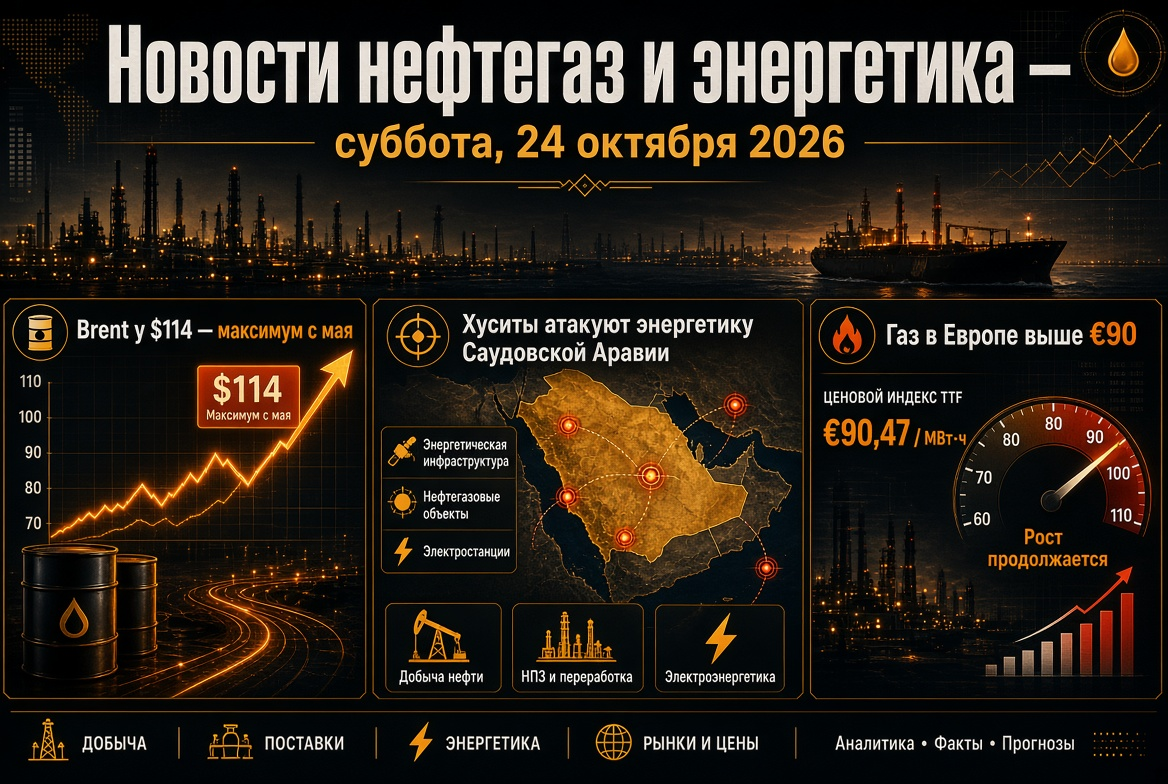
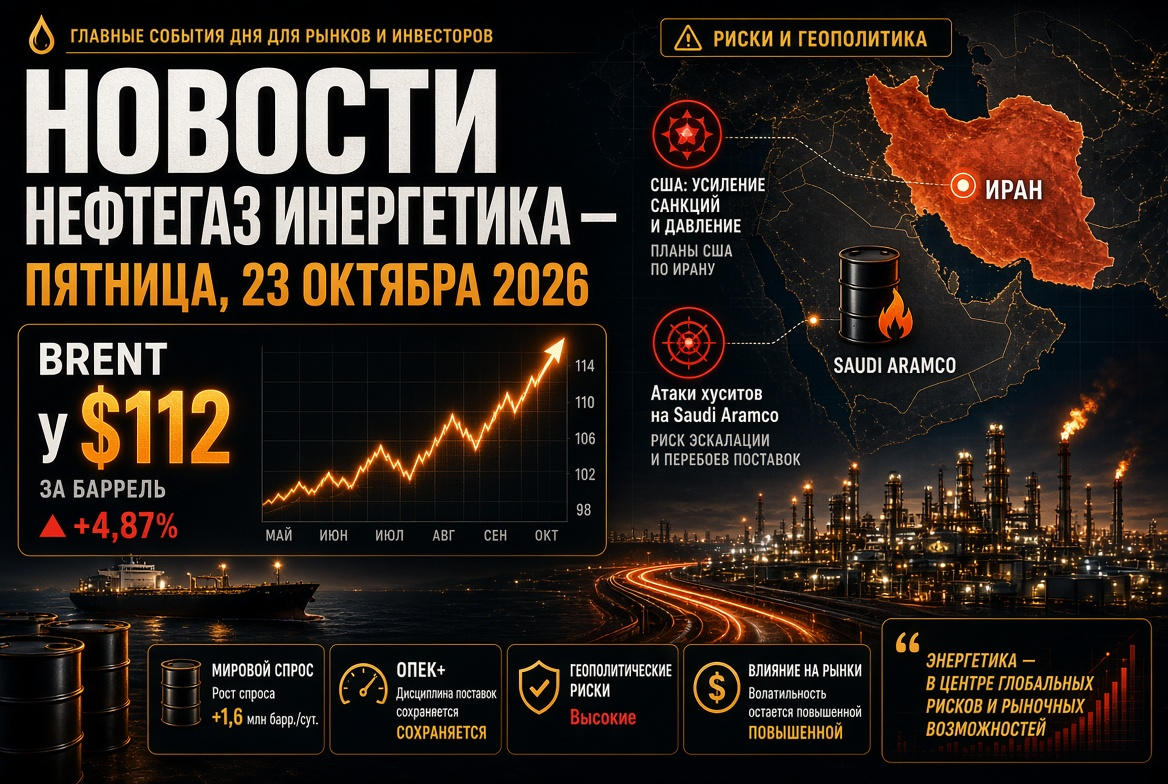
- The pause in strikes between the US and Iran sent Brent crude oil down about 7%, restoring risk appetite.
Bitcoin: Defending Key Support and Institutional Flows
Bitcoin's price has recovered from July lows around $57,750–58,000 but has failed to hold above $66,800–67,000: breakout attempts were quashed by profit-taking and a strengthening US dollar. The $64,000–66,800 range remains the working corridor, with the $63,000–64,000 zone acting as the nearest significant support.
Institutional demand is acting as a stabiliser. Spot Bitcoin ETFs recorded a third consecutive week of net inflows, despite an outflow of approximately $465 million at the end of the week, the bulk of which came from the BlackRock product. Open interest in futures has stabilised, funding rates are near neutral — the market is not overloaded with either longs or shorts. In options, there is noticeable interest in call strikes at $70,000–72,000 for month-end, while protective puts remain in place.
That said, Bitcoin remains approximately 48% below its all-time high of $126,198 set in October 2025. This is a key context for any Bitcoin forecast for 2026: the market is in a recovery phase, not a trend.
Ethereum Outperforms the Market: Staking, ETFs and the ETH/BTC Signal
Ethereum has become the leader among the largest cryptocurrencies, gaining about 4% and breaking through resistance at $1,880–1,910. There are three drivers: sustained inflows into spot ETH ETFs, a structural supply deficit due to staking (the entry queue is lengthening while the exit queue remains empty), and the covering of short positions in derivatives. The ETH/BTC ratio has given a technical signal that some analysts interpret as an early phase of rotation into altcoins.
The psychological level of $2,000 remains a barrier; in the event of an unfavourable outcome from the Fed meeting, a return to the $1,850–1,880 zone is likely.
Top 10 Most Popular Cryptocurrencies: Quotes and Market Positions
Below is a current snapshot of the ten most liquid and sought-after digital assets in the world. Quotes are as of the time of preparation (27–28 July 2026) and are for reference purposes.
- Bitcoin (BTC) — around $65,000. The market's primary reserve asset, with a market capitalisation of ~$1.31 trillion. Drivers include flows into spot ETFs and its status as a hedge against US dollar devaluation.
- Ethereum (ETH) — around $1,950. The infrastructure layer for DeFi, RWA and L2 ecosystems. Market capitalisation ~$236 billion.
- Tether (USDT) — $1.00. The largest stablecoin by turnover; following the full entry into force of MiCA, it has been removed from licensed EU platforms.
- BNB — around $572. Token of the Binance ecosystem with a deflationary mechanism of quarterly burns; under pressure from the regulatory situation in Europe.
- XRP — around $1.10. Cross-border settlement asset; supported by a clarified legal status and the launch of XRP ETFs in select markets.
- USD Coin (USDC) — $1.00. A regulated stablecoin, the main beneficiary of European and US compliance regimes.
- Solana (SOL) — around $76. High-performance blockchain; focus is on the transition to the Alpenglow consensus and recovery of developer activity.
- TRON (TRX) — around $0.33. Network with high volume of stablecoin transfers; included in institutional digital asset indices.
- Dogecoin (DOGE) — around $0.073. The largest meme asset, an indicator of retail risk appetite.
- Cardano (ADA) — around $0.165. Project with a strong community but weak price performance in the current cycle.
Macroeconomics: The Fed, Global Central Banks and the Oil Factor
The FOMC meeting on 28–29 July is a non-forecasting one: there will be no updated economic projections or 'dot plot'. The entire signal lies in the wording of the statement and the tone of Chair Kevin Warsh's press conference. The market is pricing in a rate hold with over 90% probability, but a residual premium for tightening risk remains.
The global context is amplified by decisions from the Bank of England and the Bank of Japan in the same week, as well as a batch of US data: on Tuesday, the Conference Board consumer confidence index (consensus around 92); on 30 July, the first estimate of US GDP for Q2 (around 2.5%); on 31 July, the core PCE index and monthly options expiry.
Tuesday's Calendar: Zcash Ironwood and Industry Events
On 28 July, the market also receives a catalyst of its own, beyond crypto-macroeconomic factors. The Zcash network will activate the Ironwood (NU6.3) upgrade around midday UTC: a new shielded pool is introduced, verification of the circulating supply is strengthened, and post-quantum recoverability features are added. ZEC is trading around $493 — one of the few assets to show strong performance in 2026 amid a wave of interest in privacy.
On the same day, the Rare Evo conference (28–31 July) kicks off in Las Vegas with an agenda covering DeFi, stablecoins, AI, DePIN and payments. On 29 July, the Stacks PoX-5 hard fork is expected, launching a standalone non-custodial staking solution for BTC. On 30 July, earnings reports are due from Coinbase and Strategy, whose Bitcoin balance stands at approximately 843,775 BTC worth around $54 billion.
Regulation: MiCA, the CLARITY Act and Global Consolidation
As of 1 July 2026, the European MiCA regulation is fully in force: the ESMA register lists over 240 authorised service providers, and licensed platforms account for approximately 83% of European turnover. Lawyers predict a new wave of M&A — the cost of ongoing compliance is squeezing out smaller players and opening a window for banks.
In the US, the picture is the reverse: the CLARITY Act remains blocked due to a dispute over ethical standards, and the Senate has only one full week left before its August recess. Betting markets put the odds of passage in 2026 at around 35%. For global investors, this means the persistence of regulatory arbitrage between the EU, the UK and the US.
Infrastructure Under Pressure: Exchange Exits, Hacks and Bankruptcies
The bear market phase is hitting intermediaries. BitMart has announced it is winding down operations — following BitMEX and AscendEX; its token has collapsed by about 70%. Storj has filed for Chapter 11 reorganisation. South Korea's WEMIX suffered a $6.25 million exploit. At the same time, there is growth in the capitalisation of tokenised real-world assets and the launch of CME futures on individual stocks — institutional infrastructure continues to be built amid a cleanup of the retail segment.
Scenarios for Investors in the Coming Days
Base Case
Rate hold with neutral rhetoric: Bitcoin stays in the $64,000–67,000 range, Ethereum tests $2,000, and rotation into altcoins remains selective.
Bull Case
Dovish tone from Warsh plus strong big tech earnings: a breakout above $67,000 targeting $70,000–72,000, accelerating inflows into spot ETFs.
Bear Case
Hawkish pause and high PCE: a return to support at $63,000–64,000 with the risk of retesting $60,000.
Conclusion
The crypto market on 28 July 2026 is in a state of coiled spring: capitalisation has stabilised around $2.4 trillion, stablecoins hold approximately $300 billion in 'dry powder' on accounts, and volatility is suppressed by anticipation of the Fed's decision. For long-term investors, structural factors remain key — institutional flows into Bitcoin ETFs, the supply deficit in ETH through staking, and regulatory crystallisation in the EU. For active participants, the reaction to macro data on Wednesday and Friday will be decisive.
This material is for informational and analytical purposes only and does not constitute individual investment advice. Investments in cryptocurrencies carry a high level of risk.