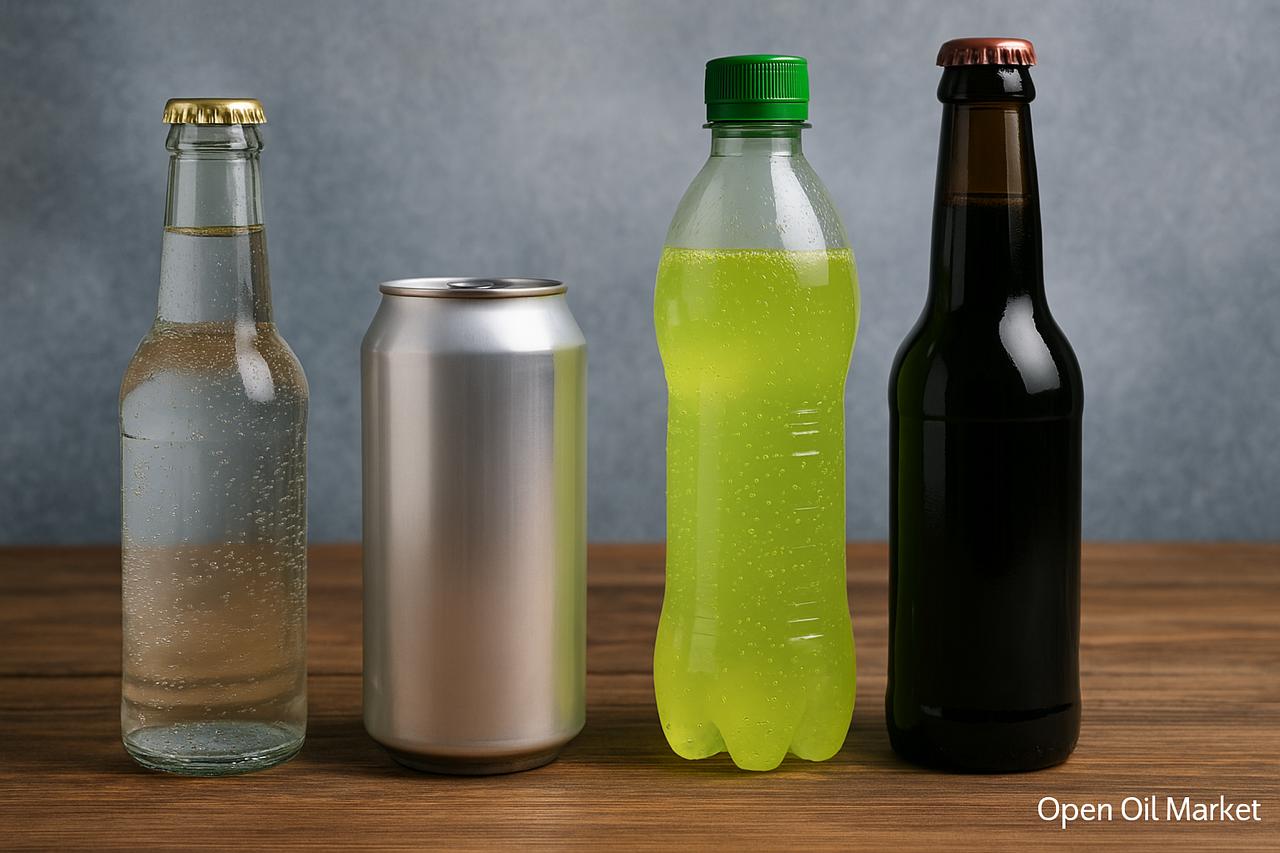
New Research Shows: Glass Bottles May Release More Microplastics than Plastic. How It Affects Health, and What to Do to Avoid Risks — in Open Oil Market Article.
French scientists from the food safety agency ANSES conducted a series of tests on various beverages—including water, soda, iced tea, beer, and wine—packaged in different types of containers. Their results even surprised the researchers: significantly more microplastics were found in beverages from glass bottles than in comparable drinks in plastic bottles or aluminum cans. In some cases, the level of microplastic particles in glass was up to five, or even fifty times higher. This challenges the long-held belief in the "purity" of glass containers.
Unexpected Findings from the Research
The new study conducted by the ANSES laboratory in France compared the level of microplastics in popular beverages based on their packaging. In every tested category—whether it was carbonated soft drinks, iced tea, beer, or mineral water—glass bottles exhibited the highest contamination levels with plastic particles. On average, about 100 microplastic particles were found per liter of drink from glass containers. In contrast, the same beverage packaged in plastic bottles or metal cans contained only 2 to 20 particles per liter. Even the researchers admitted they "expected the opposite result,” initially presupposing the greater purity of glass.
Paint on Caps – A Hidden Source of Particles
The explanation for the unexpectedly high contamination of glass bottles lies in their caps. Glass beverage bottles are typically sealed with metal caps that have an inner plastic seal and are painted on the outside. The ANSES study found that the microplastic particles discovered in the contents of glass bottles matched the color and composition of the paint covering the metal caps. In other words, the painted metal cap becomes a source of microplastic contamination in the beverage.
The cause of plastic entering the drink is the friction of the caps against each other during storage and transportation. Metallic caps, when in contact prior to bottling, scratch the painted surface of each other imperceptibly. Tiny pieces of coating, invisible to the naked eye, then flake off into the bottle when sealed. Thus, each glass container with a painted cap introduces invisible contamination into the beverage. In contrast, plastic bottles are equipped with all-plastic caps without a paint layer, explaining why they have significantly lower levels of microplastics. Additionally, glass bottles with corks or other unpainted caps (e.g., wine bottles) exhibit minimal effects.
Why Do Some Beverages Contain More Contaminants?
The discrepancies in microplastic levels among different types of beverages prompted scientists to consider additional factors. For example, why did carbonated drinks and beer in glass contain dozens of particles, while water had only a few? Experts speculate that the properties of the beverage itself and storage conditions may play a role:
- Carbonation and Pressure: Carbonated beverages (cola, lemonade, beer) create increased pressure within the bottle. This may intensify the friction between the cap and the neck, facilitating the shedding of paint particles.
- Acidity of the Medium: Some carbonated lemonades and soda have an acidic pH. The acidity can softens polymer coatings, making it easier for microplastic particles to be released.
- Temperature and Transportation: Temperature fluctuations, shaking, and prolonged transport amplify cap wear. The movement of bottles in crates or containers causes constant friction between the caps, increasing paint flaking.
Thus, the highest microplastic levels were found in cases where vulnerable packaging elements (painted caps) coincided with aggressive conditions—carbonation pressure, chemical composition, and mechanical impact during transportation. Water and non-carbonated beverages, on the other hand, appeared to be less susceptible to this issue.
Potential Health Risks
It remains unclear whether the detected level of microplastics poses a direct threat to health—scientists lack a clear “toxicity threshold” for such particles. Nevertheless, the mere presence of microplastics in food and beverages raises concerns among medical and environmental professionals. Microscopic plastics can accumulate in the body and affect it in various ways:
- Accumulation in Organs: When ingested through food and drinks, microplastics can settle in various tissues. Their particles have already been found in human lungs, liver, intestines, and even in blood and breast milk. Prolonged accumulation of foreign particles threatens to damage cells and organs.
- Chronic Inflammation: The immune system recognizes plastic as a foreign object and attempts to fight it. The continuous presence of microplastics can lead to chronic inflammatory processes that damage healthy tissues over time.
- Disruption of Gut Microbiota: Plastic particles in the digestive system can disrupt the balance of gut bacteria. Studies indicate that microplastics alter microbiota composition, which can result in digestive disorders, weakened immunity, and metabolic imbalances.
- Transfer of Toxic Substances: Microplastics attract and adsorb various toxic compounds on their surface—ranging from pesticides and heavy metals to dioxins. When these chemicals enter the body alongside the particles, they can cause additional harmful effects, including hormonal disruptions.
Although the direct harm from small doses of microplastics has yet to be definitively proven, medical professionals agree that excess “plastic dust” in our diet does not support health. Particularly alarming is its ability to provoke chronic inflammation and transport harmful chemicals into the body—factors that may lead to the development of serious diseases over time.
Ways to Reduce Microplastics in Packaging
Fortunately, having identified the source of contamination, researchers also propose solutions to reduce it. Beverage manufacturers can relatively easily limit plastic ingress from caps by improving processing techniques. ANSES experts tested several methods for treating caps before sealing and achieved a significant reduction in microplastics. Here are key measures:
- Pre-Cleaning of Caps. Blowing new caps with compressed air, followed by rinsing with filtered water and alcohol before filling, has reduced microplastic content by about 60%.
- Careful Storage of Caps. Minimizing friction between caps prior to bottling is crucial. To achieve this, manufacturers can alter the storage and transportation conditions of caps—such as using padding or dividers to prevent mass contact. Reducing mechanical impact on the coating will diminish scratching and paint waste.
- Improving Materials and Coatings. Another approach is developing more wear-resistant materials for caps. Utilizing paints that are less prone to flaking or alternative protective coatings can minimize particle migration.
Implementing these measures can significantly improve the situation. Adapting processes (cleaning or new storage conditions) can be relatively inexpensive for manufacturers, while consumers benefit from a cleaner product with fewer impurities.
Implications for the Beverage Industry
The revelations from French specialists serve as a signal for the entire beverage and packaging industry. Glass containers have been marketed for years as an eco-friendly alternative to plastic: they do not generate plastic waste, are recyclable, and do not leach harmful substances into their contents. However, the new microplastic factor indicates that glass also possesses hidden risks. This does not mean that glass bottles should be abandoned—instead, there is a need to enhance their design and production cycle.
The message for beverage producers is clear: quality control must consider not just the liquid itself but all packaging components. Additional checks for microplastics and preventive measures (such as the aforementioned cap cleaning) could become the new industry standard. Regulators and consumers are increasingly focused on product safety and purity. Companies investing in “microplastic-free” solutions will gain a reputational advantage.
What This Means for Consumers
Awareness of this issue enables a more informed approach to selection. While completely avoiding microplastics in contemporary conditions is challenging, consumers have the right to expect transparency and technological improvements from brands. Simple actions—such as rinsing the bottle neck and cap before resealing—may also slightly reduce plastic ingress into drinks. Ultimately, increased attention to microplastics from all market participants encourages the creation of cleaner and safer products for consumers.